
Moon gates bring ancient Chinese garden elegance to modern backyards through simple circular archways. These dramatic structures frame views, create natural boundaries, and add architectural interest to gardens of all sizes.
Most gardeners face the same frustrating problem: their outdoor spaces lack a strong focal point or defining structure. Building a Stunning DIY Moon Gate: Ideas to Transform Your Garden Into a Magical Oasis solves this design challenge, staying within budget. You can construct these circular portals using various materials like metal conduit, PVC pipes, wooden slats, or even flexible bamboo.
Popular construction methods include bending metal tubing into circles, cutting wooden arches with jigsaws, or using pre-made rings as foundations. Most projects cost under $100 and require only basic tools.
35 Stunning DIY Moon Gate Ideas
1. Zen Garden Moon Gate

A traditional Chinese moon gate, also called a circular doorway or moon door, encircles a peaceful Buddha statue surrounded by lush tropical vegetation. The Disc-shaped creates a stunning focal point while providing a glimpse into the garden’s deeper sections.
Moon gates work best when entrenched to frame a focal point like a sculpture, water feature, or a distant view. Plant ferns and shade-loving perennials around the gate for year-round structure. Use climbing plants to soften the circular frame without obscuring its shape. The circular opening creates natural framing that draws the eye deeper into the garden space.
How To Make a Moon Gate Between Two Gardens
Creating a moon gate between two gardens requires careful planning for both structural integrity and visual impact. Start by determining the ideal location where the circular opening will frame the most attractive view from one garden into the next. Mark the ground and ensure you have at least 8 feet of width for comfortable passage. The standard moon gate diameter ranges from 6-8 feet, providing adequate scale without overwhelming smaller spaces.
For DIY construction:
Bend 1/2-inch electrical conduit or rebar into a complete circle using a simple jig made from plywood and a center pivot point. Secure the circular frame between two sturdy posts set 3 feet deep in concrete. Cover the frame with welded wire mesh or chicken wire to support climbing plants. Alternative materials include PVC pipe for temporary installations or laminated wood strips for a more rustic appearance. Install the structure during the dormant season to minimize garden disruption.
Plant fast-growing vines like clematis, honeysuckle, or morning glories around the base, spacing them 18 inches apart. Train the growth upward using garden ties, creating full coverage within 2-3 growing seasons. Position the moon gate slightly off-center from the main pathways to create intrigue and encourage exploration between your garden spaces. Regular pruning maintains the circular shape and prevents overgrowth from obscuring the dramatic opening effect.
2. Natural Stone Arch Moon Gate Garden

The dry-stacked stone construction uses locally sourced materials, making it both cost-effective and environmentally harmonious. The ferns Ryopteris and Plystichum species thrive in the dappled shade created by the overhead canopy.
These hardy perennials require minimal water once established and provide year-round structure. The irregular arch shape is easier to build than a complete circle, requiring less precise cutting and fitting. Choose stones with at least one flat face for stability. Start with larger foundation stones and gradually decrease size toward the arch crown.
3. Formal Stone Arch Garden Gateway

The meticulously cut sandstone blocks create a classic Roman arch that features a sculptural garden beyond. The foreground ornamental grasses appear to be Miscanthus sinensis, Chinese Silver Grass, or Pennisetum alopecuroides, Fountain Grass. These perennial grasses provide four-season interest, with graceful movement in summer breezes and attractive seed heads that persist through winter.
The striking Japanese Maple in the background adds vertical structure and seasonal drama with its brilliant red foliage. This slow-growing tree prefers partial shade and well-draining soil, making it faultless for woodland garden settings. Ornamental grasses soften hard stone edges while maintaining the formal archway’s elegance.
4. Brick Garden Archway with Ornate Iron Gate
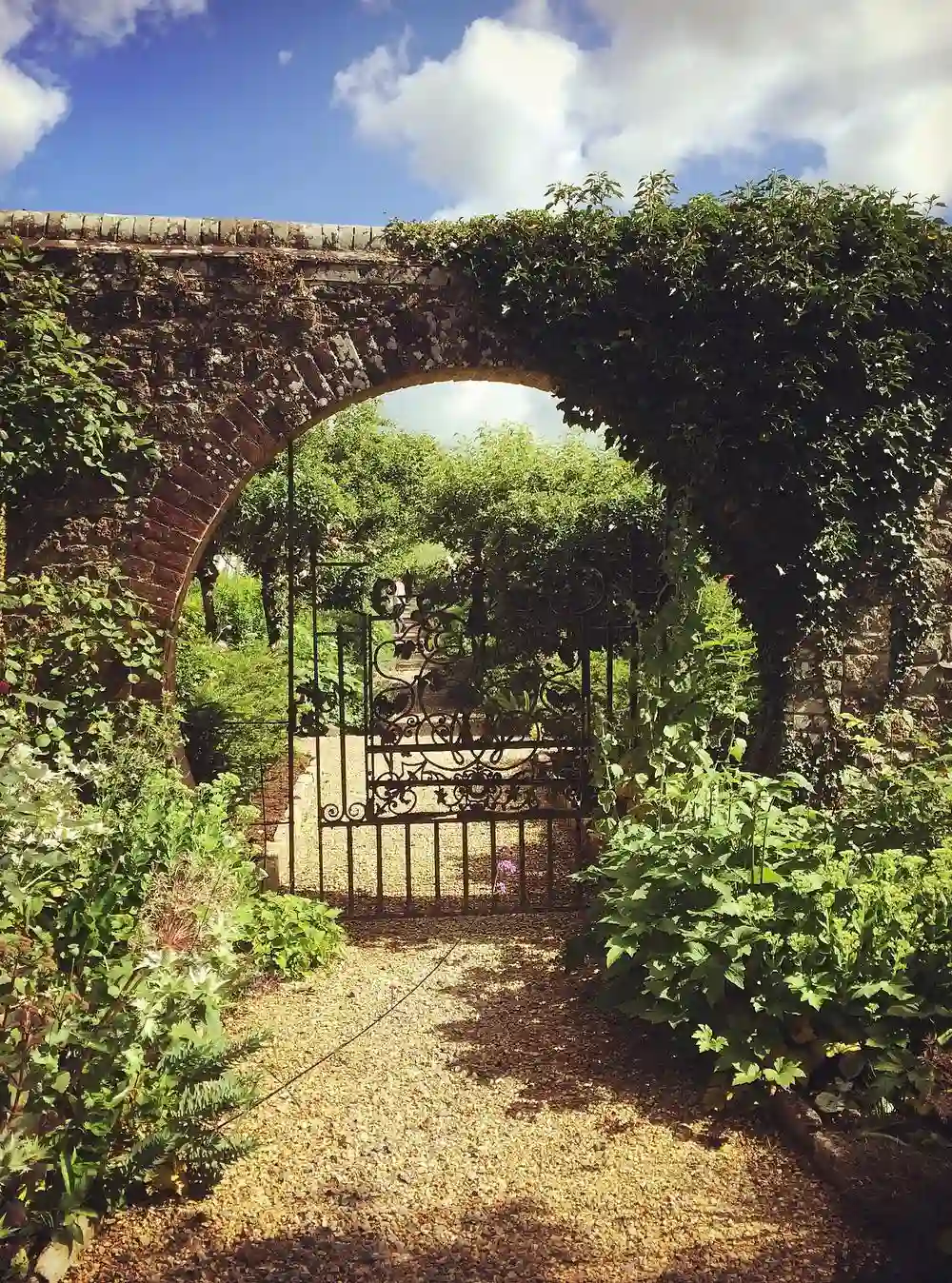
Deteriorating mortar and moss-covered surfaces create an authentic cottage garden feel that’s hard to replicate with new construction. The vigorous climbing vines covering the structure appear to be English Ivy Hedera helix, or similar evergreen climbers.
The herbaceous perennials at ground level feature Lady’s Mantle, Alchemilla mollis, identifiable by its distinctive, rounded, pleated leaves. This hardy perennial thrives in partial shade and produces chartreuse flower clusters in early summer.
5. Natural Branch Circle Moon Gate

Creative DIY moon gate uses flexible branches or saplings bent into a circular lattice, demonstrating an affordable alternative to stone or metal construction. The natural materials blend seamlessly with the woodland environment while creating a defined entrance portal. The framework appears to be made from willow branches, Salix species similar to flexible wood like hazel, Corylus avellana.
The dense ivy Hedera helix covering provides natural screening but requires management to prevent overwhelming the structure. Soak branches overnight before bending to increase flexibility. Secure joints with galvanized wire or zip ties initially, then reinforce with natural cordage.
6. Garden Moon Gate with Ornamental Grasses

The purple pampas grass, Cortaderia selloana, creates those eye-catching plumes. The garden moon gate traditionally symbolizes new beginnings and serves as a transitional element between garden spaces. Purple pampas grass needs full sun and well-draining soilPlant it 6-8 feet apart as it spreads considerably.
Pampas grass can be invasive in some regions, so check local regulations before planting. Consider clumping varieties that resemble fountain grass, Pennisetum, as alternatives. Your moon gate demonstrates how simple materials and strategic plant placement can create a professional-looking garden feature that draws the eye and invites exploration.
7. Stacked Log Moon Gate in Woodland Garden
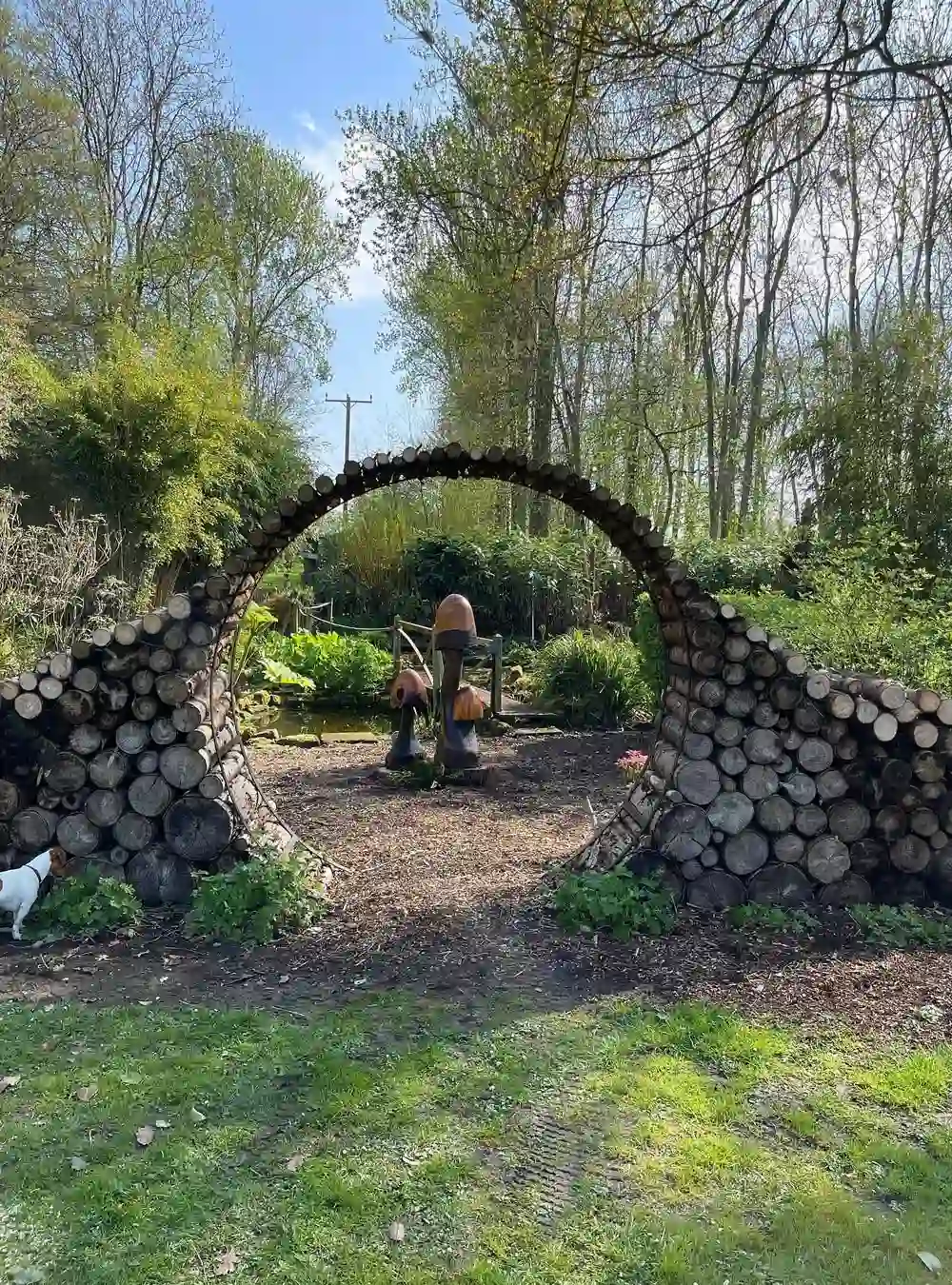
The circular opening or doorway that figures sight and creates enchanting garden passages. The concept originates from traditional Chinese gardens, where these circular portals symbolize the full moon and represent completeness, unity, and the cyclical nature of life. When building your moon gate, consider the scale relative to your garden space.
Typically, 6-8 feet in diameter works well for most residential gardens. Materials can range from stone and brick to reclaimed wood, like shown here, or even living materials woven branches. The key is ensuring the circular opening frames something beautiful beyond it, whether that’s a garden bed, sculpture, or distant landscape feature.
8. Brick Garden Moon Gate with Formal Landscaping
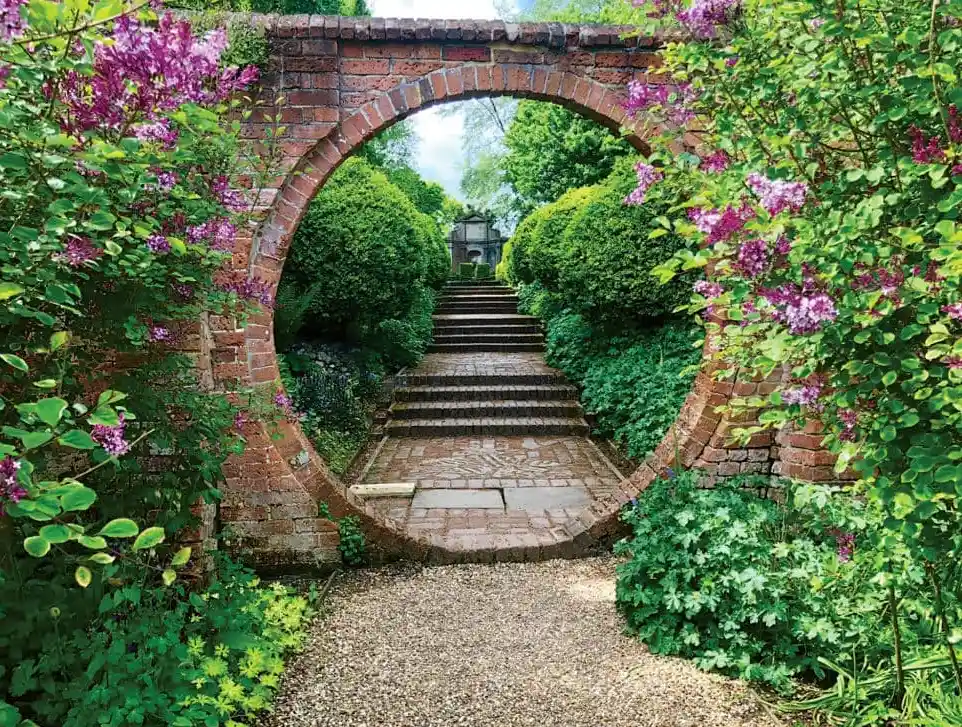
The garden moon gate isn’t a plant, but rather an architectural feature that creates a stunning focal point while beautifully framing the plants around it. This annular opening in a wall or fence, originating from traditional Chinese garden design, serves as both a doorway and a living picture frame for your landscape.
Purple-flowering plants like wisteria, clematis, or lilac create dramatic seasonal displays, while evergreen hedging provides year-round structure. When building your moon gate, ensure the opening is at least 6 feet in diameter for comfortable passage. Consider the mature size of surrounding plants when spacing them.
9. Rustic Garden Moon Gate with Purple Foxgloves

The structure demonstrates the beauty of allowing moss, lichen, and small plants to colonize the stonework naturally over time. The climbing vine draped across the top appears to be Virginia creeper, Parthenocissus quinquefolia, or a similar deciduous climber, providing seasonal interest with spring green growth and autumn color changes.
These hardy vines are suitable for moon gates because they’re not overly aggressive and won’t damage mortar joints, similar to ivy might. Stone moon gates require less maintenance than brick versions but need proper drainage to prevent water damage. When building with reclaimed stone, ensure structural integrity by using proper mortar and consulting local building codes for foundation requirements.
10. Tropical Metal Moon Gate with Bromeliads
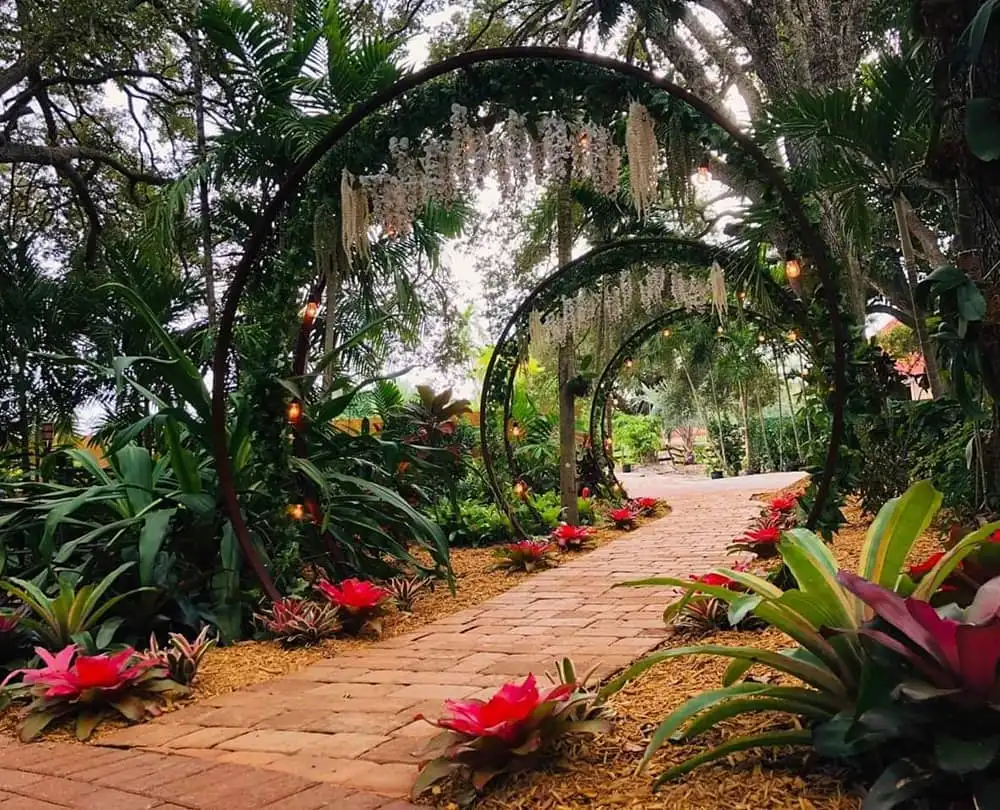
The black steel hoops form overlapping circles that guide visitors through lush tropical plantings, demonstrating a modern DIY approach that’s much simpler than masonry construction. The Spanish moss Tillandsia usneoides draping the metal framework adds an authentic tropical atmosphere.
Use galvanized or powder-coated steel tubing bent into circles. need concrete footings at least 2 feet deep in sandy soils. The overlapping design creates depth using standard-sized hoops. String lights add an extraordinary evening ambiance, but use outdoor-rated LED strips to prevent heat damage to plants.
11. Illuminated Willow Branch Moon Gate with Fairy Lights

Living willow construction involves planting fresh-cut willow rods directly into moist soil where they’ll root and continue growing. This technique, called fence, hedge, creates structures that strengthen over time as roots establish. For a moon gate, you’ll need about 20-30 long willow whips, soaked in water for 24 hours before weaving.
Use solar-powered LED strings to avoid electrical complications in remote garden areas. The warm white lights complement the natural wood tones while creating bokeh effects through layered branches. Plant willow moon gates in late winter when branches are dormant. Choose a spot with consistent moisture, as willows are thirsty plants.
12. Living Hornbeam Hedge Moon Gate

Hornbeam is ideal for this application because it retains its leaves through winter marcescent, providing year-round privacy and structure. Unlike beech, hornbeam tolerates heavy clay soils and urban pollution, making it versatile for various garden conditions. To achieve this effect, use a structure typically made from galvanized steel or treated timber.
Plant young hornbeam trees 18 inches apart around the perimeter, then gradually train branches along the framework. The raised stone platform creates visual importance while providing proper drainage around the structure. Design works particularly well as a transition between formal and informal garden areas, where manicured hedging frames a natural lawn vista.
13. Rustic Coastal Moon Gate with Native Vegetation

Sea thrift or cushion plants, Armeria maritima, which naturally colonize rocky coastal areas and require minimal maintenance once established. The palm trees framing the structure are likely Phoenix canariensis, Canary Island Date Palm, or similar hardy species that tolerate salt spray and strong winds.
Native sedums, sea lavender Limonium species, and salt-tolerant grasses establish quickly in stone crevices. The relaxed construction style fits coastal settings where overly precise masonry feels unnatural. Local field stone or reclaimed materials blend naturally with the rugged landscape.
14. Driftwood and Stone Moon Gate with Woodland Ferns
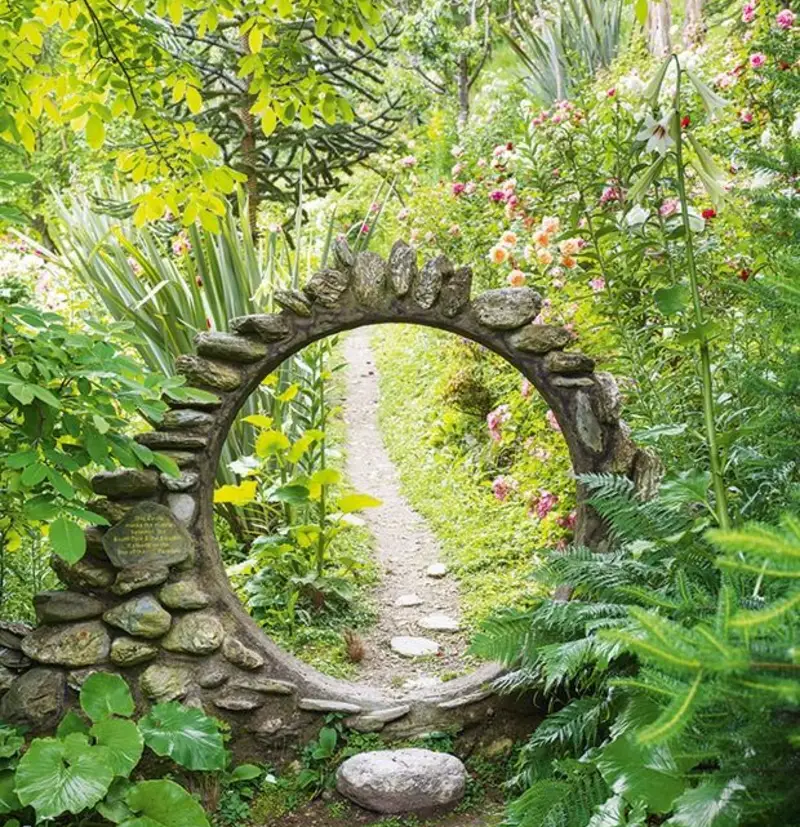
Driftwood pieces forming the top arch are from coastal areas where salt water and sand naturally downpour wood into sculptural shapes ideal for garden structures. Tree ferns, Dicksonia or Cyathea species, provide dramatic architectural foliage that stays green year-round in mild climates.
Ancient plants prefer consistent moisture and filtered light, making them ideal for the microclimate created by overhead canopies. The colorful flowering shrubs appear to be azaleas or rhododendrons, Rhododendron species, which thrive in acidic, well-draining soil enriched with organic matter.
Style requires careful selection of wood pieces that can bear structural loads. Treat cut ends with marine-grade sealers to prevent rot and ensure proper drainage behind stone walls.
15. Woven Grass Moon Gate with Rhododendron Border

The woven grass moon gate demonstrates an eco-friendly approach using natural materials that blend seamlessly with woodland settings. The structure appears to be made from bundled dried grasses or reeds, possibly Miscanthus sinensis or pampas grass, Cortaderia selloana plumes that have been harvested and bound in balance.
Harvest ornamental grasses in late fall when stems are dry but still flexible. Bundle them tightly with galvanized wire, leaving long tails for weaving. Maintain the circular shape by occasionally rewetting and rebinding loose sections. Choose grasses with similar stem thickness for uniform appearance.
16. Garden Moon Gate with Ivy-Covered Archway

The purple alliums scattered throughout add vertical punctuation marks against all that green. These ornamental onions are incredibly low-maintenance once planted, returning year after year with bigger flower heads. Boxwood spheres flanking the entrance show how topiary adds formal structure.
Building with ivy requires patience initially, then vigilance later. The trick is guiding growth where you want it while ruthlessly cutting back everywhere else. White flowers at ground level appear to be sweet alyssum, which self-seeds freely and softens hard edges beautifully.
17. Ivy-Covered Brick Moon Gate
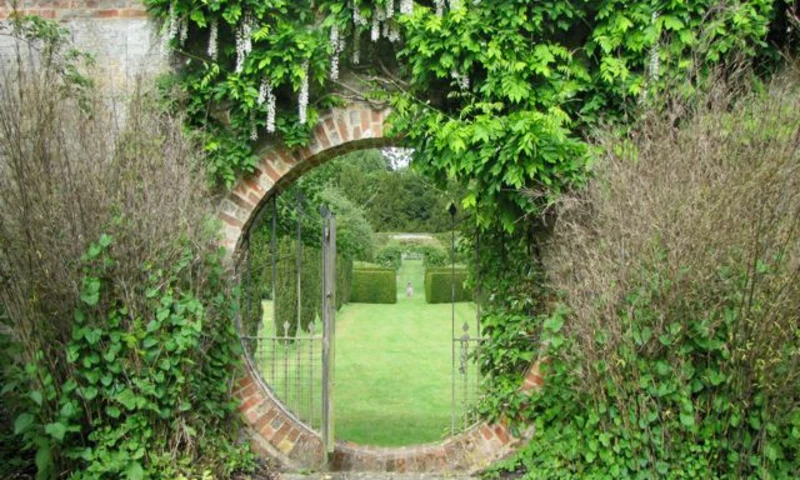
This traditional Chinese design element, also called a moon door, has been used in gardens for over 1,000 years to frame views and create mystery in landscape design. The circular opening typically measures 4-8 feet in diameter and can be constructed from various materials, including brick, stone, wood, or metal.
The connection to nature comes from vegetation growing around and through it. Popular climbing plants for moon gates include English ivy Hedera helix, Boston ivy Parthenocissus tricuspidata, clematis, wisteria, and climbing roses.
Moon gates need deep footings to support both the structure and the mature plant weight. Plant climbers 12-18 inches from the base, training them up with wire or trellis systems.
18. Moon Gate with Stone Lantern

Dark metal frame, probably steel or powder-coated aluminum, costs much less than brick construction. Those climbing vines weaving their way up could be grape vines or young clematis. Blue agapanthus flowers on the left. The pink flowers scattered throughout could be hibiscus or hollyhocks.
The ground-level plantings matter more than climbing the arch. The stone lantern creates a focal point that draws your eye through the opening. Start with a basic metal hoop from a garden center. Plant fast-growing annuals in pots first while your permanent climbers establish.
19. Stone Arch Garden Gateway with Perennial Plantings

Architectural features, inspired by traditional Chinese garden design, shape and create natural transitions between different garden areas. Most DIY moon gates use natural stone, brick, or metal framework. Consider using pre-formed concrete blocks or a metal ring structure that you can cover with climbing plants. Dig at least 12 inches deep and use concrete footings.
The arch should be flawlessly round, so create a template using plywood or cardboard first. Popular climbing plants for moon gates include Clematis, various species of Climbing roses, Wisteria, and Honeysuckle Jasmine. Chinese gardens during the Ming Dynasty first introduced the passageways, and later the moon gates.
20. Wooden Moon Gate Arbor with Climbing Roses
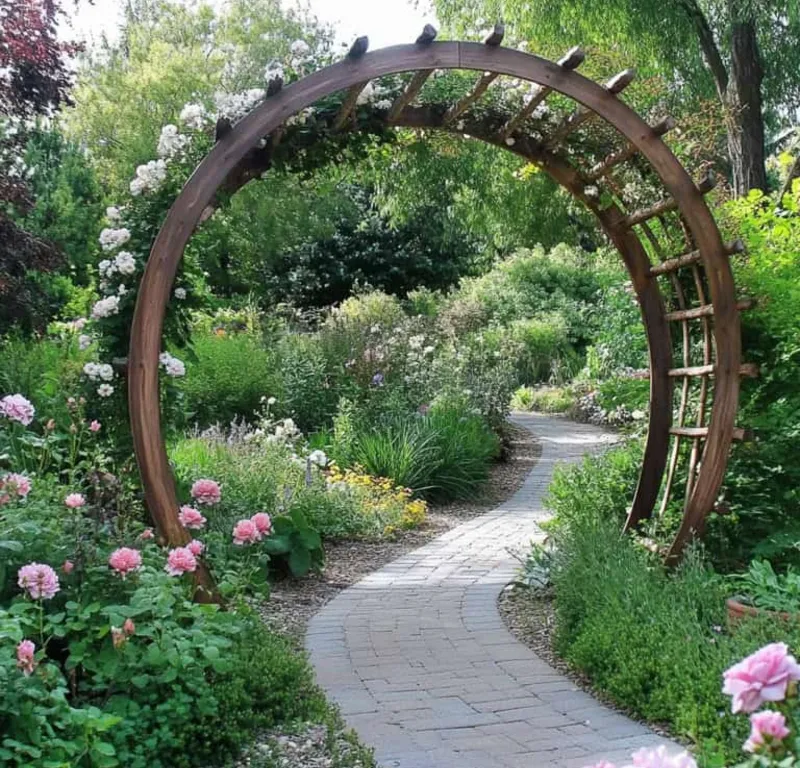
The wooden moon gate appears to be built from cedar or treated lumber with a trellis design. This structure was probably formed by bending laminated wood strips or assembling interlocking curved segments.
Best Climbing Plants for Moon Gates: Climbing Roses Rosa species, Clematis varieties, Honeysuckle Lonicera periclymenum, Jasmine. Dig post holes 24 inches deep with concrete footings.
The diameter should be 6-8 feet for comfortable passage. Moon gates originated in traditional Chinese gardens during the Ming Dynasty, symbolizing harmony and creating borrowed scenery. Prune climbing plants after flowering to maintain the circular shape and prevent overgrowth that obscures the architectural form.
21. Ivy-Covered Stone Arch Gateway

Limestone or coral stone that’s been colonized by various climbing species. The green coverage comes from different plants working together. Start with rough stone blocks; don’t worry about quintessential mortar joints because plants will fill those gaps. Proper footings are essential for this rounded structure, particularly near water, to prevent erosion.
Seaside settings demand special considerations due to their harsh conditions. The corrosive effects of salt spray restrict planting options, making resilient species such as Virginia creeper, Parthenocissus quinquefolia, or native honeysuckle varieties ideal selections.
22. Fieldstone Moon Gate with Rose Garden Border

The fieldstone construction makes it easier for DIY builders because you don’t need vertical cuts or fancy masonry skills. Just stack the stones and let mortar ooze between them naturally. The surrounding plants make this work so well. Those roses flanking the pathway are probably David Austin varieties or similar garden roses that bloom repeatedly through the season.
Notice thereupon, nothing’s planted directly on the arch itself, but everything around it creates the effect. If you’re building this, focus on your foundation first. These stones are heavy and will settle over time. Dig down at least two feet and use crushed gravel as a base.
23. Living Hedge Archway in Perennial Garden Border

An ambitious DIY moon gate you could attempt, it’s made from living plants trained into an arch shape. Hornbeam or possibly privet, that’s been carefully pruned and shaped over several years to create this ideal green tunnel. You need to plant two shrubs about 8 feet apart, then gradually bend and tie the growing branches toward each other as they mature.
Hornbeam Carpinus betulus works brilliantly for this because it holds its shape well and tolerates heavy pruning. You’ll be pruning constantly during the growing season to maintain that clean archway shape.
Unlike stone or wood moon gates, this one grows more beautiful with age. English gardeners supermodernized this technique in formal gardens, but honestly, any fast-growing hedge plant can work if you’re persistent with the training process.
24. Wooden Fence Moon Gate
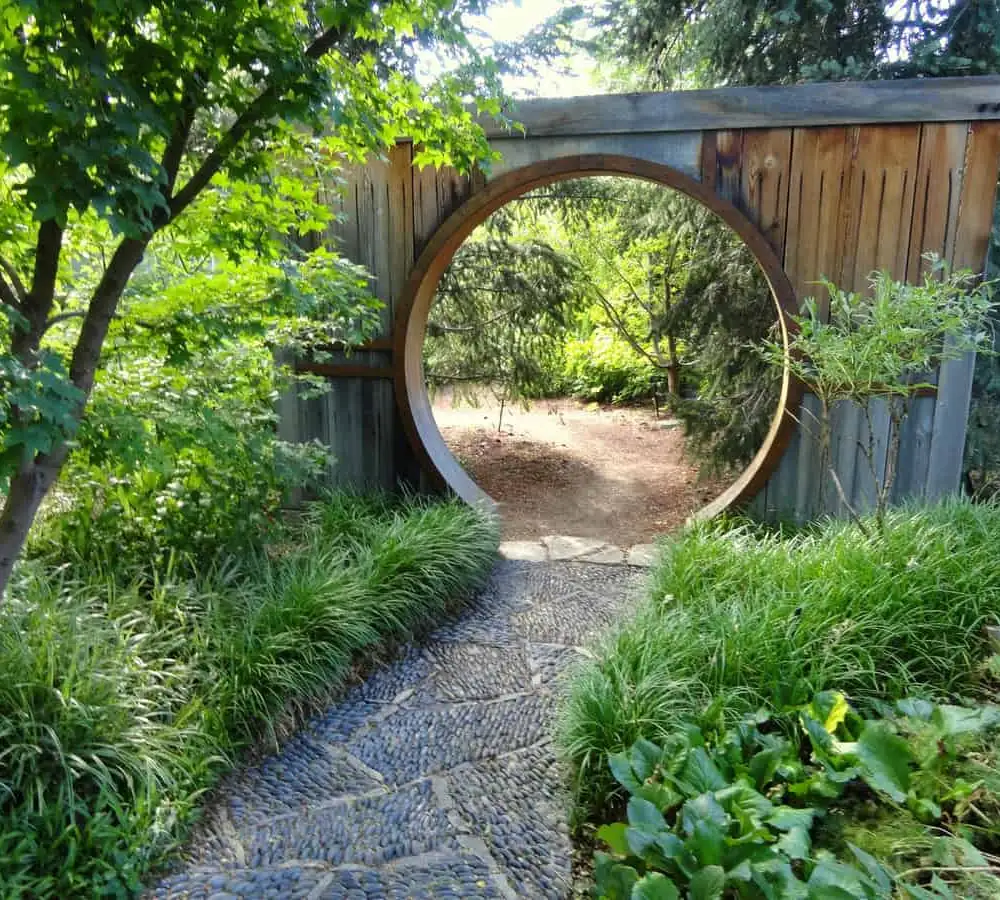
A wooden moon gate was built right into the fence line. You’re getting privacy and a stunning focal point all in one project. This arched passage seems crafted from either plywood or curved laminated strips, skillfully blended with conventional fence panels. The ornamental grasses resemble fountain grass or possibly Japanese forest grass.
The cobblestone path adds another layer of textureYou’d want to frame the circle with doubled 2x4s for strength, especially since it’s supporting the fence structure above and below. Most people use a large compass made from a string and a pencil.
25. Brick Archway Garden Wall

Create a moon gate that shows real ambition, built with actual bricks in a proper arch formation. This isn’t a weekend project, but if you’ve got basic masonry skills, it’s doable. Understanding is how arches work structurally.
The gate sits naturally between mature trees and uses the lawn as its approach. Those hostas and ferns around the base were probably chosen because they thrive in the shade cast by the wall structure. Brick choice matters more than you’d think.
This style traces back to Roman architecture, where arched openings were both decorative and incredibly strong. This curved design evenly disperses stress, allowing such constructions to endure for decades with little upkeep.
26. Stone Moon Gate with Fall Foliage
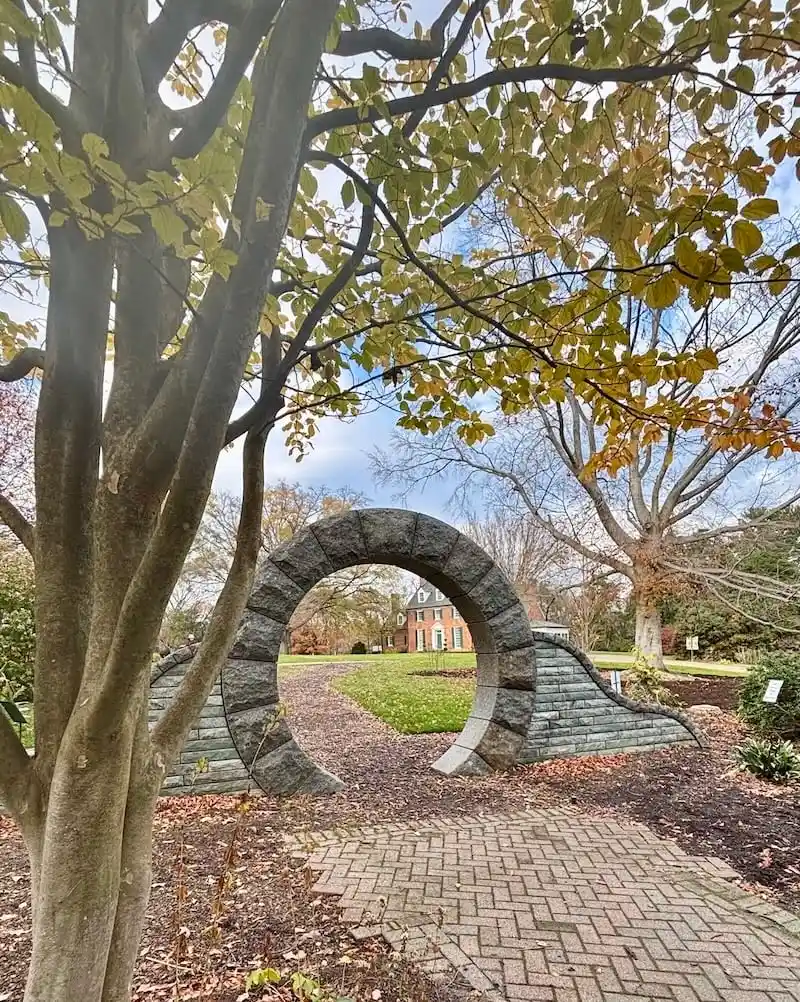
The stone moon gate with stacked stonework creates a circle. These gates typically range from 4-8 feet in diameter and can be built using various materials, including natural stone, brick, wood, or even metal. Stone gates require solid foundations and masonry experience. Wooden versions using curved lumber or composite materials provide easier installation.
Ensure the opening is large enough for comfortable passage, remaining proportional to your garden space. Always check local building codes before construction, as some areas require permits for structures over certain heights.
Place the structure to shape an appealing sight, such as a flower bed, statue, or distant landscape feature. Its curves naturally draw the eye, creating a smooth transition between garden spaces.
27. Lush Garden Moon Gate with Stepping Stone Path

Dating back over 1,000 years, the moon door was originally used in classical Chinese gardens to symbolize unity and superiority. A living picture frame is created, drawing the eye to focal points like lawns, flower beds, or water features. When building a DIY moon gate, you’ll need a sturdy structure. The diameter should be at least 6 feet for comfortable passage.
Most gardeners cover their moon gates with climbing vines like clematis, honeysuckle, or ivy to create a lush, integrated look in gardens. Boston ivy, Parthenocissus tricuspidata, works particularly well for quick coverage; grape vines offer both beauty and fruit.
Arrange it to highlight your garden’s best view, and consider adding stepping stones or a path leading through it to enhance the transition between garden spaces.
28. Wooden Garden Moon Gate with Cottage Garden Plantings
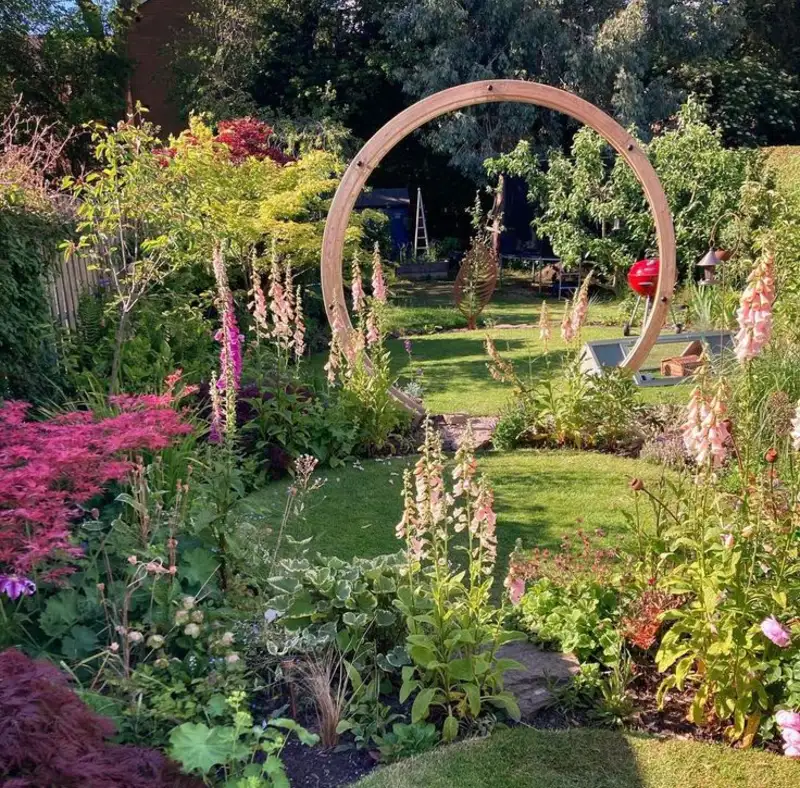
The wooden ring forms a stunning focal point that elegantly separates garden areas, preserving a seamless visual connection. Use cedar or pressure-treated lumber for durability. The lattice typically measures 6-8 feet in diameter and requires proper anchoring with concrete footings or metal stakes.
The surrounding plantings include Digitalis purpurea with its tall pink spikes, Japanese maples Acer palmatum providing burgundy foliage, and various perennials creating layered texture.
Use galvanized hardware to prevent rust stains on the wood. The frame should be sturdy to support climbing plants. Consider the seasonal changes in your garden when emplacing the gate, as the framed view will shift throughout the year with plant growth and dormancy cycles.
29. Rustic Log Archway Garden Gate
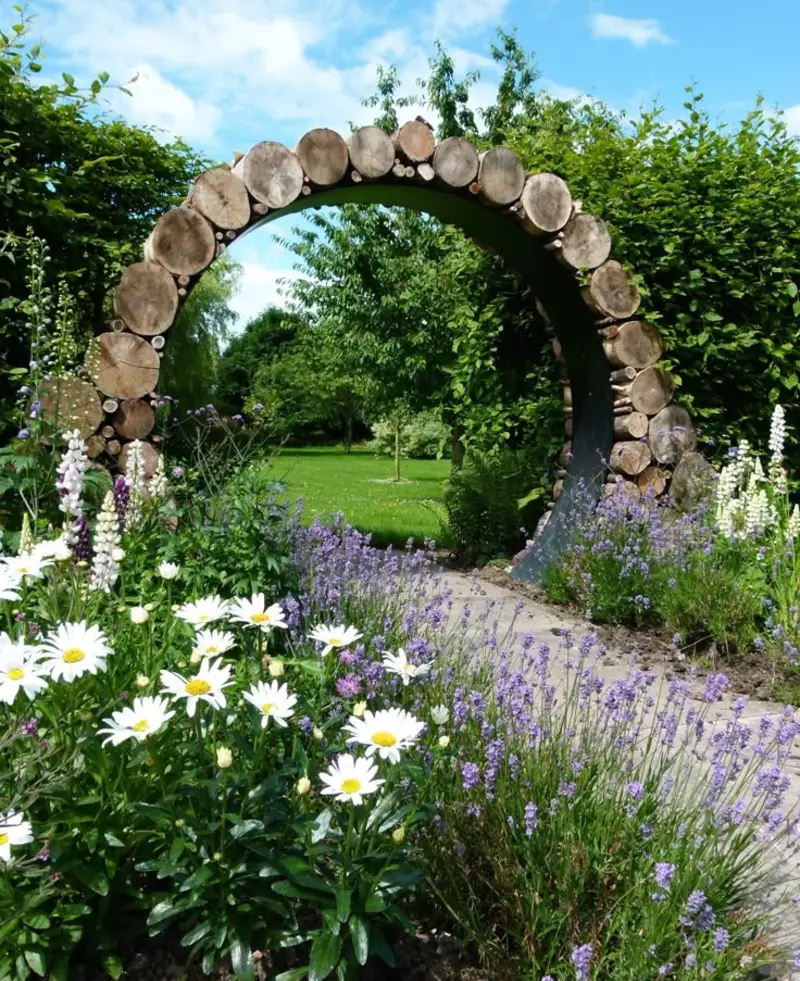
The structure shown uses various sizes of wood rounds, likely from hardwood trees, such as oak, maple, or ash, which provide durability for outdoor use. The logs are cut into 4-6 inch thick sections and arranged to form an attractive archway that frames garden pathways. Use seasoned hardwood to prevent cracking and splitting—secure pieces with galvanized bolts or threaded rods.
Consider the arch’s height, typically 7-8 feet for comfortable passage. Create a solid foundation using concrete footings. Wood rounds will naturally to a silvery-gray patina over time. Regular inspection for loose connections is recommended.
This type of gate works beautifully with cottage gardens, woodland settings, or rustic landscapes. The surrounding plantings appear to include lavender, daisies, and other perennial flowers that complement the natural wood aesthetic.
30. Wisteria-Covered Stone Moon Gate in Formal Garden
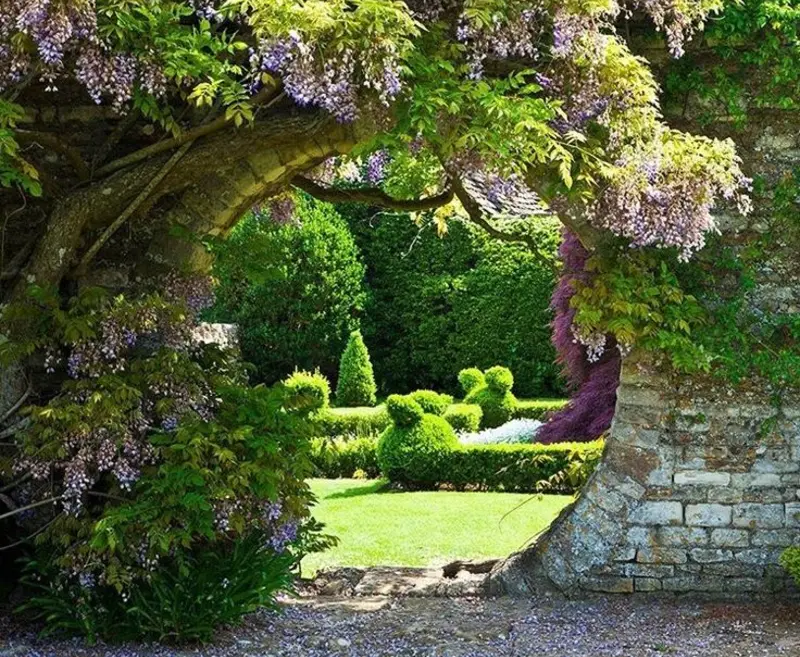
The standard diameter ranges from 4 to 6 feet, although smaller 3-foot versions work well in compact spaces. Frame a beautiful view with your moon gate, such as a specimen tree, a water feature, or a colorful flower bed. Gardeners use climbing plants like wisteria, clematis, or roses to soften the structure’s edges.
Using a compass made from string and stakes, the shape is crafted into an exemplary circle. Consider the mature size of climbing plants when planning. Vigorous growers need annual pruning to maintain the plant’s clean lines and prevent structural damage.
31. Rustic Woven Willow Branch Moon Gate
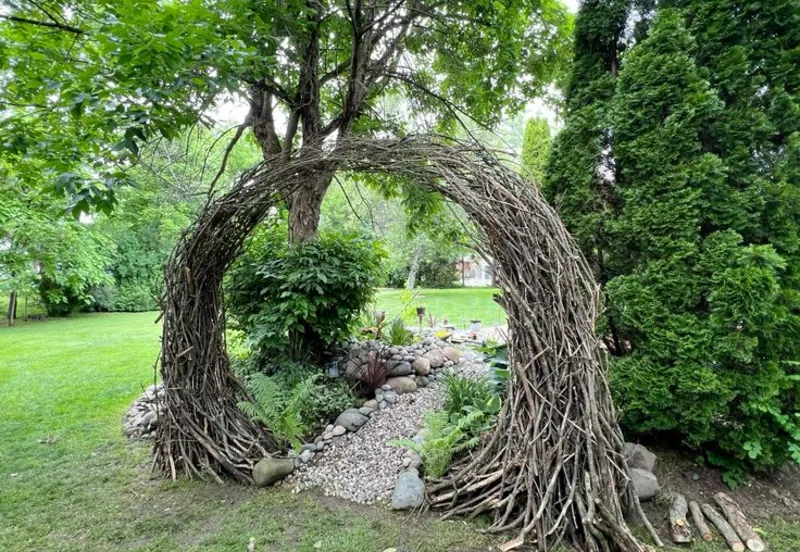
This rustic moon gate demonstrates a natural woven willow branch, Salix species. Willow is ideal for this project because its flexible branches can be bent into curves without breaking, and they’ll often root if kept moist, creating a living structure over time.
You’ll need fresh willow shoots harvested in late winter or early spring. Create the circular frame by bundling multiple branches together, then weave additional shoots through horizontally to build thickness and stability.
Dried willow becomes brittle and unusable. Soak cut branches in water for 24 hours before weaving if they’ve started to dry. This technique originated in European basket-making traditions dating back thousands of years. willow moon gate on a slight slope or raised area to prevent the base from sitting in standing water, which can cause premature rot.
32. Dry Stone Moon Gate with Cottage Garden
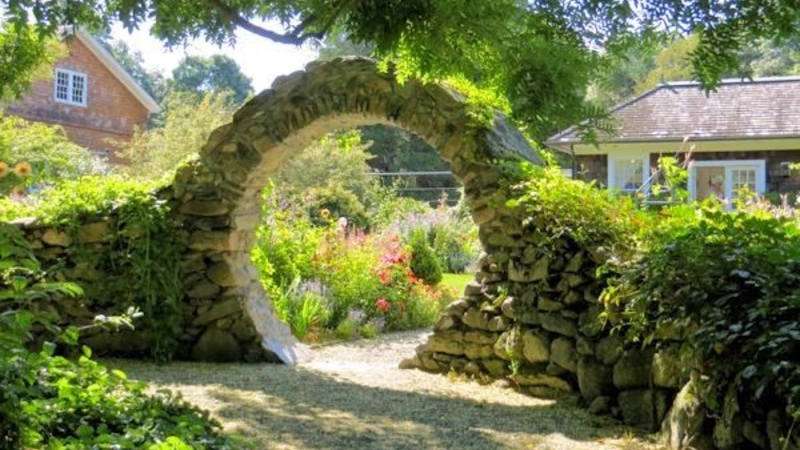
This fieldstone moon gate showcases a more permanent dry-stacked natural stone construction. stones are carefully fitted together using gravity and precise placement, a method called dry stone walling that originated in rural Britain and Ireland centuries ago.
Roughly 2-3 tons of fieldstone for a 5-foot diameter gate. Start by laying a foundation trench 6 inches deep, then build up the arch using a wooden form or template. The key is selecting stones that naturally fit together.
Build the supporting walls first, then tackle the arch. Never remove your wooden form until the keystone top-center stone is firmly in place. This gate style can last centuries if properly constructed, unlike wooden alternatives that need replacement every 10-15 years.
33. Metal Moon Gate with Buddha Statue

Sleek metal moon gate demonstrates modern steel or aluminum tubing. Standard 2-3 inch diameter steel tubing works well, though aluminum is lighter and rust-resistant. Use a large compass or string method to mark your cutting template. Welding skills are essential.
The mounting system requires concrete footings or substantial wall anchors, since metal gates can catch the wind. This particular gate appears powder-coated in dark gray, which provides excellent weather protection. The clean aesthetic works beautifully with Mediterranean or modern garden styles, as shown with the coral, colored wall, and formal plantings.
34. Stone Arch Moon Gate with Red Barn Background

The arch structure needs temporary wooden formwork called centering to support stones during construction. Each stone must be carefully selected. Pointing finishing the mortar joints requires specific techniques to shed water and prevent freeze-thaw damage.
Originated from Roman arch construction methods but was adapted for garden use. The foundation work alone can cost $500-1000, plus 40-60 hours of skilled labor. A well-built mortared gate can last 50+ years with minimal maintenance. Consider hiring a mason for the arch portion if you lack experience.
35. Sculptural Bent Wood Moon Gate

The elegant bent wood moon gate demonstrates a sophisticated use of steam-bent or naturally curved branches. The construction appears to use multiple thin strips of wood, likely ash, hickory, or willow, that are either steam-bent or selected for their natural curves.
green wood strips about 1-2 inches wide and 1/2 inch thick.
Heat the wood to 200°F for about one hour per inch of thickness, then quickly bend around a circular form, hot and pliable. Straight-grained hardwoods bend best without breaking. Gate style requires annual treatment with exterior wood preservative to prevent rot and insect damage. The expected lifespan is 8-12 years with proper maintenance.
