Retiring early can feel like the reward for decades of work, but headlines linking early retirement to a shorter life can make that decision feel risky.
The problem is that striking numbers, including claims about losing 11 years, often mix up mortality risk, survival percentages, and actual life expectancy. That can turn research into unnecessary fear. The science is more complicated.
Some studies link earlier retirement with higher mortality, while others find little or no effect after health and background differences are considered. Understanding those differences can help you plan a retirement that protects health, purpose, connection, and financial security.
The 11 Year Claim Does Not Mean What It Sounds Like

The first thing to know is simple: researchers have not established that retiring early cuts 11 years from the average person’s life.
One source of confusion may be a 2016 U.S. study based on the Health and Retirement Study. Researchers examined 2,956 people who were working when the study began and later retired completely.
Among retirees who said health was not an important reason for leaving work, each additional year of retirement age was associated with an 11% lower risk of all cause mortality.
An 11% change in mortality hazard does not mean 11 additional years of life. A hazard compares rates between groups over time. Converting that number into years of life would require far more information about age, baseline mortality, health, sex, follow up time, and other factors.
There is another 11 worth knowing about. A 2001 Social Security Administration working paper examined older data on male Social Security beneficiaries. Men retiring at age 65 or later had an estimated 11 percentage point greater probability of surviving to age 80 than men who retired at exactly 62. The paper itself noted that poorer health among early retirees could help explain the difference.
Again, that was an 11 percentage point difference in survival probability, not 11 lost years.
| Number in the research | What it actually means | What it does not mean |
|---|---|---|
| 11% | Lower mortality hazard for each year of later retirement in one U.S. study | 11 extra years of life |
| 11 percentage points | Difference in estimated survival to age 80 between certain male retirement groups in an older SSA analysis | 11 years lost by retiring at 62 |
| 11 years of life | A claim that would require direct life expectancy evidence | Not established by these studies |
This difference matters because a retirement decision should not be based on a number that the research never actually measured.
What the Major Retirement and Mortality Studies Actually Found

Research does give us reasons to take the retirement transition seriously. It just does not give us a simple rule that working longer automatically means living longer.
The 2016 U.S. study is one of the stronger observational findings supporting later retirement. Even among people who did not report poor health as a reason for retiring, later retirement was associated with lower mortality.
An older study of former Shell Oil employees also found higher mortality among people who retired at 55 compared with those who continued working. Among people who retired at 60, however, mortality was similar to those who retired at 65.
Yet broader research makes the picture far less certain.
A 2020 systematic review examined 25 studies and performed a meta analysis using 12 of them. Once studies adequately adjusted for previous health and demographic differences, early retirement was not associated with significantly higher mortality compared with continuing to work.
Researchers have also used pension reforms and retirement eligibility changes as natural experiments. These methods can sometimes do a better job of separating retirement itself from the health problems that cause people to leave work.
A Norwegian study using changes in retirement eligibility found no evidence that retirement age caused differences in mortality. A French study similarly found that delaying pension claiming by one year had no significant effect on death between ages 61 and 79.
A Dutch study reached a different conclusion. An unexpected early retirement opportunity for certain male civil servants was associated with a 2.6 percentage point reduction in the probability of dying within five years. In that setting, earlier retirement appeared protective rather than harmful.
More recently, a 2025 U.S. study took another approach. It found no immediate increase in mortality when people retired around Social Security eligibility age.
However, among people whose retirement was induced by that eligibility, each additional year spent retired was estimated to increase mortality risk by 0.9 percentage points. The author emphasized that the result applies to the population and retirement mechanism studied, rather than proving the same effect for every retiree.
| Research | Main finding | Important caution |
|---|---|---|
| U.S. Health and Retirement Study, 2016 | Later retirement associated with lower mortality | Observational association does not prove working longer caused longer life |
| 2020 systematic review and meta analysis | No significant early retirement mortality increase after stronger adjustment | Studies differed in retirement definitions and populations |
| Norway natural experiment | No clear causal mortality effect | Results reflect Norway’s retirement system and studied cohorts |
| Dutch natural experiment | Induced early retirement lowered five year mortality among studied men | Specific group of civil servants |
| U.S. Demography study, 2025 | Mortality risk appeared to build with longer retirement duration in a specific group | Does not translate directly into years of life lost |
The evidence therefore points to a more useful conclusion: retirement can affect health, but age at retirement is only one part of the story.
Why It Is So Hard to Separate Retirement From Health

One of the biggest research problems is called health selection.
Suppose two workers are both 59. One feels healthy and enjoys the job. The other has chronic pain, severe fatigue, or another health problem that makes work difficult. The second person retires first.
Five years later, the early retiree may have worse health or a greater chance of dying. But retirement may not have caused that difference. Poor health may have caused both the earlier retirement and the later health outcome.
This problem appears in decades of retirement research. A German study of more than 129,000 retirees found especially high mortality among people leaving work early because of reduced earning capacity.
When researchers accounted for prior hospitalization and focused more closely on healthier retirees, early retirement did not produce shorter survival and was associated with lower mortality in some analyses.
There is also a healthy worker effect. People who remain employed into their 60s may be healthier, have better working conditions, have more control over their schedules, or work in less physically demanding occupations.
That means a group of 68 year old workers is not automatically comparable with a group of 60 year old retirees.
A 2025 systematic review of longitudinal research found evidence that retirement can sometimes be linked with worse physical functioning, disease, or mortality, but it also identified major differences based on working conditions, retirement type, financial security, lifestyle, and social participation.
Those differences help explain why one study can make early retirement look dangerous while another makes it look beneficial.
What May Matter More Than the Date You Retire
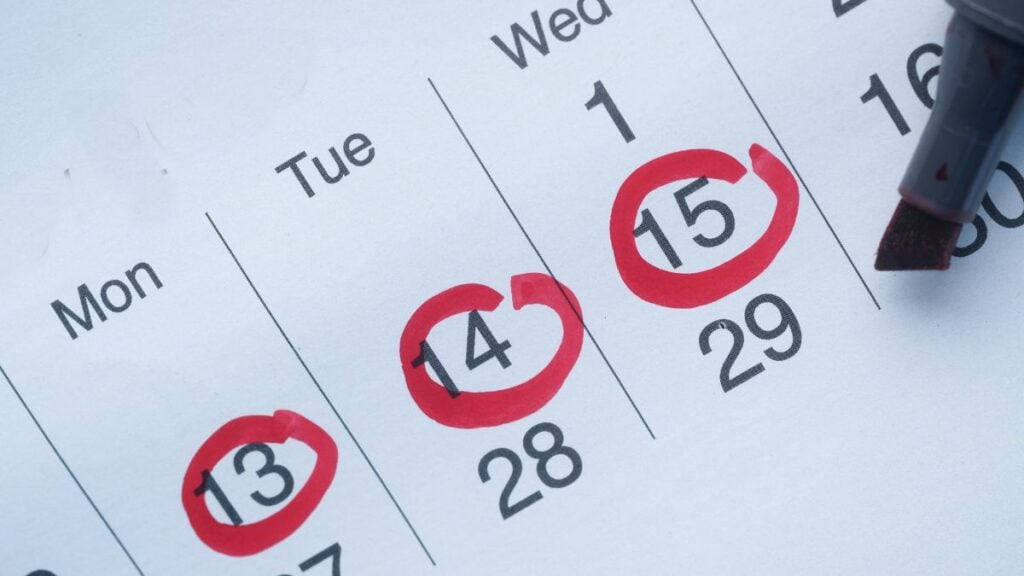
The calendar date on which someone hands in a badge, closes a laptop, or leaves a job site is probably less important than what happens afterward.
For many people, work quietly provides several things at once: a reason to get up at a certain time, regular walking or movement, conversations with other people, problems to solve, deadlines, and a sense that someone depends on them.
Retirement can remove those things in a single week.
That does not mean work itself is medicine. A stressful, unsafe, exhausting, or physically demanding job can create its own health burden. Retirement may give someone more time to sleep, exercise, prepare food, attend appointments, see family, or recover from years of work strain.
The important question becomes: what will replace the useful parts of the working day?
Physical Activity

Movement is one area where retirees have substantial control.
The CDC recommends that adults 65 and older aim for at least 150 minutes of moderate intensity aerobic activity each week, or an equivalent amount of vigorous activity, plus muscle strengthening activity at least two days a week and activities that improve balance.
People who cannot meet those amounts should be as active as their abilities and health conditions allow.
A job that once included walking across a large building, climbing stairs, standing, carrying items, or commuting may have provided more activity than it seemed.
Removing work can therefore remove thousands of small movements from a normal week.
The answer does not have to be a gym membership. Walking after breakfast, gardening, swimming, cycling, strength exercises, dancing, or joining an activity group can rebuild movement into the day.
Social Connection
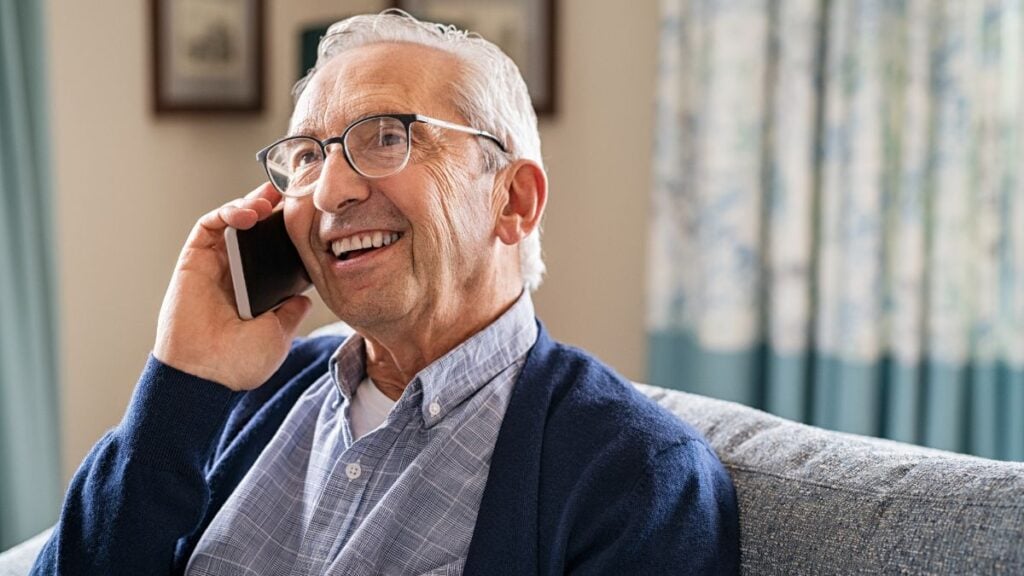
Work also provides repeated contact with other people. Some coworkers become close friends. Others simply provide brief conversations that create a feeling of connection.
The National Institute on Aging says social isolation and loneliness are associated with higher risks of several health problems, including depression, heart disease, cognitive decline, and earlier death. Retirement is one event that can change a person’s social network, although retirement itself does not automatically cause isolation.
A weekly lunch, walking group, faith community, class, volunteer commitment, club, or regular family routine can create predictable social contact without recreating a full workweek.
Routine and Mental Engagement
An empty calendar can feel wonderful for the first few weeks. Over time, some people discover that unlimited free time is surprisingly difficult to organize.
A routine does not need to look like a job. It simply needs enough structure that sleep, meals, exercise, errands, hobbies, and contact with other people do not happen only when motivation appears.
Learning also matters. Classes, reading, music, games, woodworking, gardening, language study, part time work, mentoring, and volunteering can keep the week mentally active.
The goal is not constant productivity. Retirement should include rest. The goal is to avoid replacing a full working life with months of inactivity and little contact with the outside world.
| What work may have provided | What retirement can provide instead |
|---|---|
| Daily schedule | Regular wake time, planned errands, classes, hobby days |
| Physical movement | Walking, strength work, gardening, swimming, cycling |
| Social contact | Friends, clubs, volunteering, community groups, family routines |
| Mental challenge | Classes, reading, hobbies, mentoring, part time projects |
| Sense of usefulness | Volunteering, caregiving, helping neighbors, community service |
| Regular income and benefits | Planned retirement income and confirmed health coverage |
Does Retirement Automatically Lead to Loneliness?
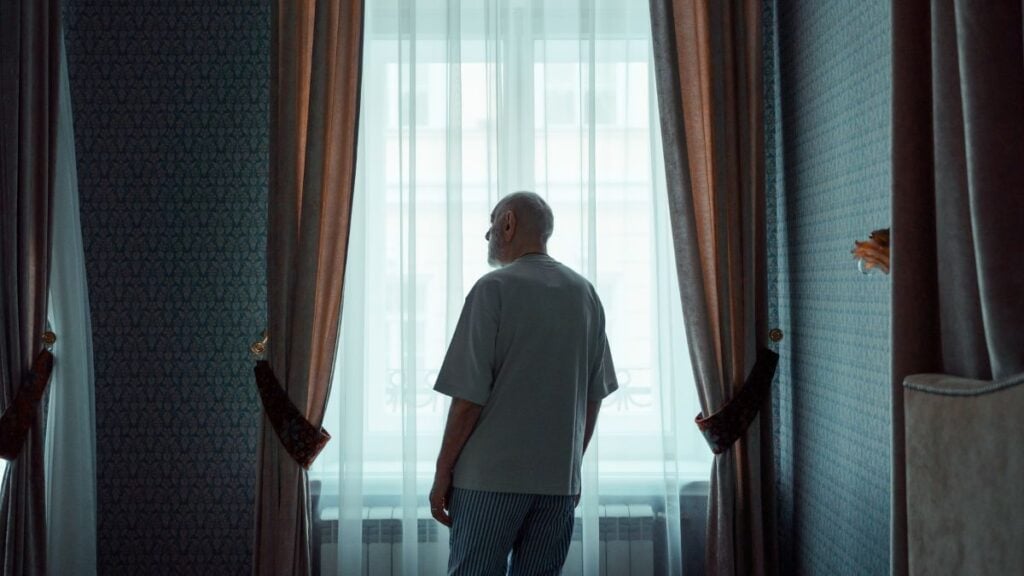
Loneliness is one reason people sometimes assume retirement must be unhealthy. Recent research shows why that assumption is too simple.
A 2024 study using data from Australia, China, and the United States found that retired Americans had a higher predicted prevalence of loneliness than nonretired Americans. Yet voluntary retirees in both the U.S. and Australia reported less loneliness than people who retired involuntarily.
A 2025 English study reached a different conclusion. Researchers found no significant increase in short term or long term loneliness after retirement. Newly retired participants actually had lower odds of social isolation in the short term than people who continued working.
Research published in July 2026 added another piece. Using two decades of Australian data and a method designed to estimate the effect of retirement itself, researchers found no statistically significant effect of retirement on loneliness.
That is useful news for anyone worried that leaving work automatically means becoming isolated.
What matters is what retirement looks like. Leaving a stressful job to spend more time with a spouse, friends, grandchildren, community groups, and hobbies is very different from losing a job unexpectedly and spending most days alone.
Build a Retirement That Replaces What Work Used to Provide

A healthy retirement plan should include more than a withdrawal rate and a Social Security estimate.
Before leaving work, sketch out an ordinary Tuesday six months into retirement. If there is nothing on the calendar, that is useful information. It means the lifestyle side of the plan needs more attention.
Start with a few anchors rather than filling every hour.
A practical week might include three morning walks, two strength sessions, lunch with a friend, one volunteer shift, a hobby class, household tasks, and plenty of unscheduled time. The exact activities matter less than creating a mix of movement, connection, interest, and rest.
Volunteering can cover several of those needs at once. AmeriCorps Seniors offers service opportunities for adults 55 and older, and its Pathfinder tool can be used to locate programs around the country.
Local libraries, parks departments, community colleges, recreation centers, houses of worship, and senior centers can also provide low cost ways to stay involved.
For someone who misses work more than expected, returning to a full career is not the only option. Consulting, seasonal work, teaching, mentoring, or a part time job can restore structure and contact while leaving more freedom than full time employment.
There is no scientific rule saying retirement has to mean zero paid work.
The same applies in the other direction. Someone who leaves an exhausting or stressful job does not need to remain employed because a study found an association between later retirement and lower mortality.
Research describes populations. It does not know whether one particular person’s job is energizing, harmful, meaningful, stressful, flexible, or physically punishing.
Leaving Work and Claiming Social Security Are Different Decisions

Retirement discussions often mix together three different events: leaving a job, claiming Social Security, and becoming eligible for Medicare.
They do not have to happen at the same age.
In 2026, the Social Security Administration says the full retirement age is 67 for people attaining age 62 this year. Retirement benefits can still begin as early as 62. For someone born in 1960 or later, claiming at 62 can reduce the worker’s monthly retirement benefit to 70% of the amount available at full retirement age, a 30% reduction.
Someone could therefore stop working at 60 but wait until 65, 67, or later to claim Social Security if the financial plan allows it.
Health insurance has its own timetable. Medicare eligibility generally begins at 65. Someone retiring before 65 who loses employer coverage may be able to buy coverage through the Health Insurance Marketplace, and losing job based coverage can qualify for a Special Enrollment Period.
| Retirement milestone | Typical timing or rule | Why it matters |
|---|---|---|
| Stop working | Personal decision | Determines when wages and workplace routines stop |
| Earliest Social Security retirement benefit | Age 62 | Starting early generally means a permanently smaller monthly benefit |
| Full retirement age for people attaining 62 in 2026 | Age 67 | Point at which unreduced retirement benefits are available |
| Medicare eligibility | Generally age 65 | Creates a separate health coverage decision |
Do not let a mortality study push you into claiming Social Security earlier or later without considering the financial side separately.
Social Security claiming involves health, expected longevity, household income, survivor needs, savings, taxes, and personal circumstances. General research cannot select the right claiming age for one household.
A Simple Retirement Health Check Before You Leave Work

Before choosing a retirement date, spend a month looking at what your job currently adds to your life besides a paycheck.
Write down how much you move during a normal workday. Count the people you speak with regularly. Notice which tasks make you think, solve problems, or feel useful.
Then ask what will replace those things.
A practical check can include:
- Movement: Is there a realistic weekly plan for walking, strength, and balance work?
- People: Who will you see or speak with regularly after coworkers disappear from the schedule?
- Purpose: Is there something that needs your time, skill, attention, or help?
- Structure: What will keep sleep, meals, errands, and activities from drifting?
- Health care: Will you have continuous insurance and access to your normal care?
- Money: Can the plan support the lifestyle without creating constant financial stress?
- Choice: Are you retiring because you want to, or because health, job loss, caregiving, or working conditions are forcing the decision?
The last question matters because voluntary and involuntary retirement can produce very different experiences.
If health problems are part of the decision, discuss the work transition with a qualified health professional who understands your medical history. A population study cannot tell an individual whether remaining at work is healthier than retiring.
So, Should You Delay Retirement to Live Longer?

The research does not support a universal answer.
Some studies have found that people who retire later have lower mortality. Newer U.S. research also raises the possibility that mortality effects may build over a long period of retirement rather than appearing immediately.
Other well designed studies have found no mortality effect from changing retirement age, while some research has found health or survival benefits from earlier retirement. The 2020 meta analysis found no significant association between early retirement and mortality after stronger adjustment for health and demographic differences.
That makes one conclusion especially important: working longer should not be treated as a longevity treatment.
The healthier question is broader.
What will your days look like after work ends?
If retirement gives you more time for movement, relationships, sleep, hobbies, appointments, volunteering, and activities you value, leaving work may remove burdens while adding opportunities.
If retirement means very little movement, few social contacts, no routine, financial strain, and days spent mostly sitting at home, those patterns deserve attention regardless of whether retirement started at 55, 62, 67, or 72.

Jake is a chainsaws expert with a wealth of knowledge and experience in the field. He is a licensed professional by the National Chainsaw Program, which attests to his skills and expertise in the safe and efficient use of chainsaws.