DIY planters that rot fast offer an eco-friendly solution for gardeners pursuing sustainable growing options. Plastic and ceramic pots create lasting waste that sits in landfills for decades, meanwhile, biodegradable alternatives innately return to the earth after serving their purpose.
As these containers break down naturally in the soil, they improve your garden by adding organic matter that feeds useful microorganisms and improves soil structure. Consider these 15 eco-friendly planters that rot fast (and 13 durable designs) next time you need planters.
15 Eco-Friendly Planters That Rot Fast (And 13 Durable Designs)

1. Untreated Pine or Spruce Raised Beds

Pine and spruce make outstanding temporary raised beds because they naturally decompose within 3-5 years when left untreated. These softwoods contain fewer natural preservatives than cedar or redwood, which means they’ll break down faster and feed your soil with organic matter.
When building, use simple butt joints instead of complex joinery. This helps the wood decay more evenly. The constant moisture from watering and ground contact hastens the rotting process. You’ll notice the bottom boards starting to soften after about 18 months, especially in humid climates.
Tip: Drill drainage holes. These temporary beds decompose in 4-5 years, adding carbon to your soil. Rebuild or add fresh boards on top as needed.
2. Cardboard Box Planters

Large moving boxes create effective short-term planters that completely dissolve into your garden soil within one growing season. Avoid boxes with glossy coatings or excessive tape. The cardboard acts like a giant biodegradable pot that slowly releases carbon as it decomposes.
Layer your cardboard planter properly. Line the bottom with several inches of coarse compost, then add regular potting mix on top. This creates different decomposition zones, with the cardboard breaking down fastest where it touches the compost layer. After 6-8 weeks, you’ll see corners starting to soften and darken.
Tip: Remove all plastic tape and staples before using, then poke holes throughout the sides. Position them directly on the soil so plant roots can grow through the decomposing bottom.
3. Pallet Wood Planters

Pallet wood planters offer a clever way to create containers that slowly fall apart. The gaps between pallet slats aren’t a design flaw. They’re perfect for accelerated decomposition. These gaps allow moisture and air to penetrate the wood from multiple angles, speeding up the rotting process significantly.
Most pallet planters begin to show serious decay after 2-3 years, with the bottom boards deteriorating first. Different wood types in pallets also decompose at variable rates, creating an interesting gradual breakdown.
Tip: Sand rough edges to prevent splinters and use stainless steel screws instead of regular screws to prevent rust stains.
4. Straw Bale Planters

Straw bale gardening creates planters that slowly compost themselves while you grow plants directly in them. Unlike hay bales, straw bales contain fewer seeds and break down over 1-2 growing seasons. The decomposition process generates heat, extending your growing season and creating rich soil.
Start by “conditioning” your bales for 10 days – water them daily and add nitrogen fertilizer to kick-start decomposition. You’ll know they’re ready when the internal temperature drops and the straw feels soft when you push your hand into it. Then plant directly into the top or hollow out sections for larger plants.
Tip: Test the bale temperature before planting. Add a handful of garden soil to introduce beneficial microorganisms and position bales in full sun to maximize heat generation.
5. Particleboard or MDF Planters
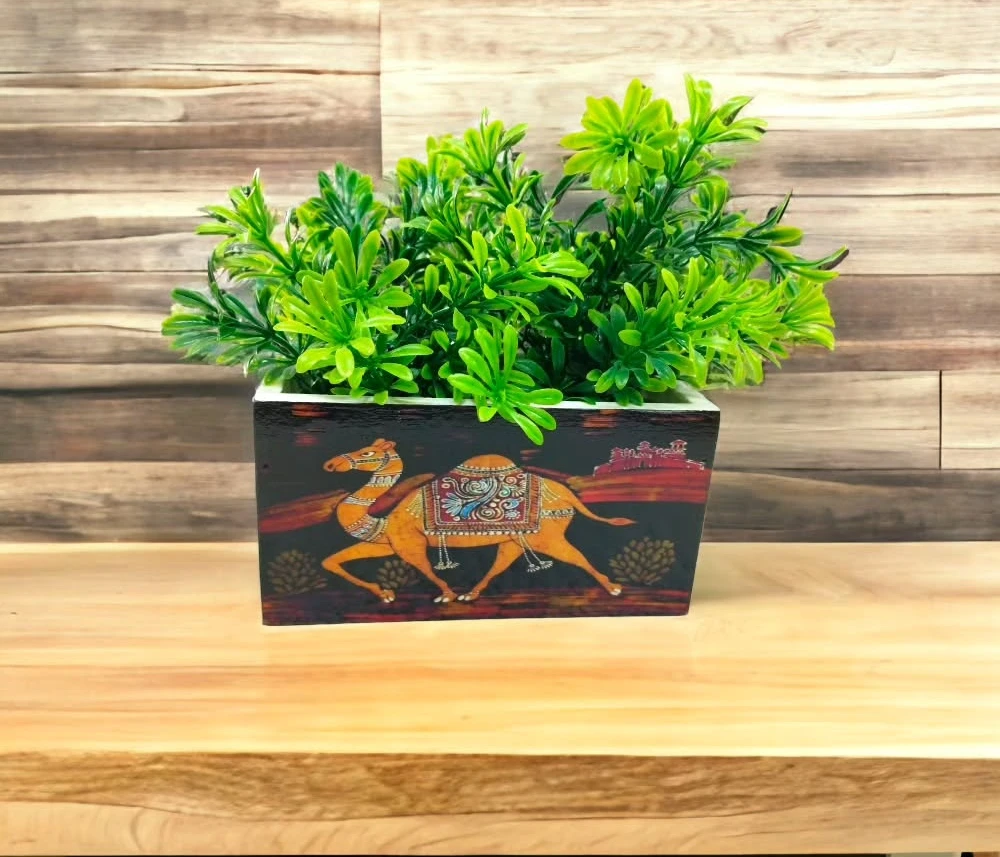
Particleboard and MDF planters crumble rapidly when exposed to moisture, making them excellent for short-term growing projects. These engineered wood products break down within 6-12 months of regular watering.
The main advantage is cost, as you can often find scrap pieces at lumber yards for practically nothing. MDF breaks down faster than particleboard due to its finer fiber structure, but both will reliably self-destruct with water exposure. Evade pieces with plastic laminate or heavy chemical finishes.
Tip: Pre-drill holes to prevent cracking. Place them where the mess won’t be sticky, as they tend to powder rather than decompose.
6. Paper Pulp Planters

Paper pulp planters disband completely in soil within 2-4 months, making them best for direct transplanting without removing plants from containers. You can buy biodegradable nursery pots made from recycled paper pulp, or make your own using newspaper, water, and simple molding.
These planters excel at starting seeds that don’t transplant well, like beans, squash, and root vegetables. Plant them directly in the ground, and the roots grow through the decomposing walls. Don’t let paper pulp planters dry out completely because they become brittle. Keep them consistently moist but not waterlogged for best results.
Tip: Use only a black and white newspaper. Add a tablespoon of flour to the homemade pulp for better binding. Store finished pots in a dry place.
7. Milk Carton or Juice Box Planters

Waxed cardboard containers like milk cartons and juice boxes create durable short-term planters that break down within 4-6 months. The wax coating provides initial water resistance, but eventually breaks down when exposed to soil moisture and UV light.
The decomposition timeline is great for most annuals. Containers hold together through the growing season, then start breaking down as plants mature. By transplant time, containers are soft enough to plant directly in the ground or add to compost.
Tip: Remove plastic caps and labels before composting. Rinse containers thoroughly to remove all residues that could attract pests.
8. Wicker or Willow Branch Baskets

Natural wicker and willow baskets make stunning planters that decompose over 2-3 years, while slowly releasing organic matter into the soil. Unlike synthetic wicker, natural materials break down slowly, with the bottom and sides gradually softening.
Willow branches fester fast because they’re harvested young and contain high moisture content even when dried. Traditional basket weaving creates weak points where branches cross, which become failure points that accelerate breakdown.
Tip: Test if baskets are natural by burning a small piece; synthetic materials melt while natural fibers burn cleanly. Soak new baskets overnight to remove preservatives.
9. Plaster-of-Paris Crumbling Planters
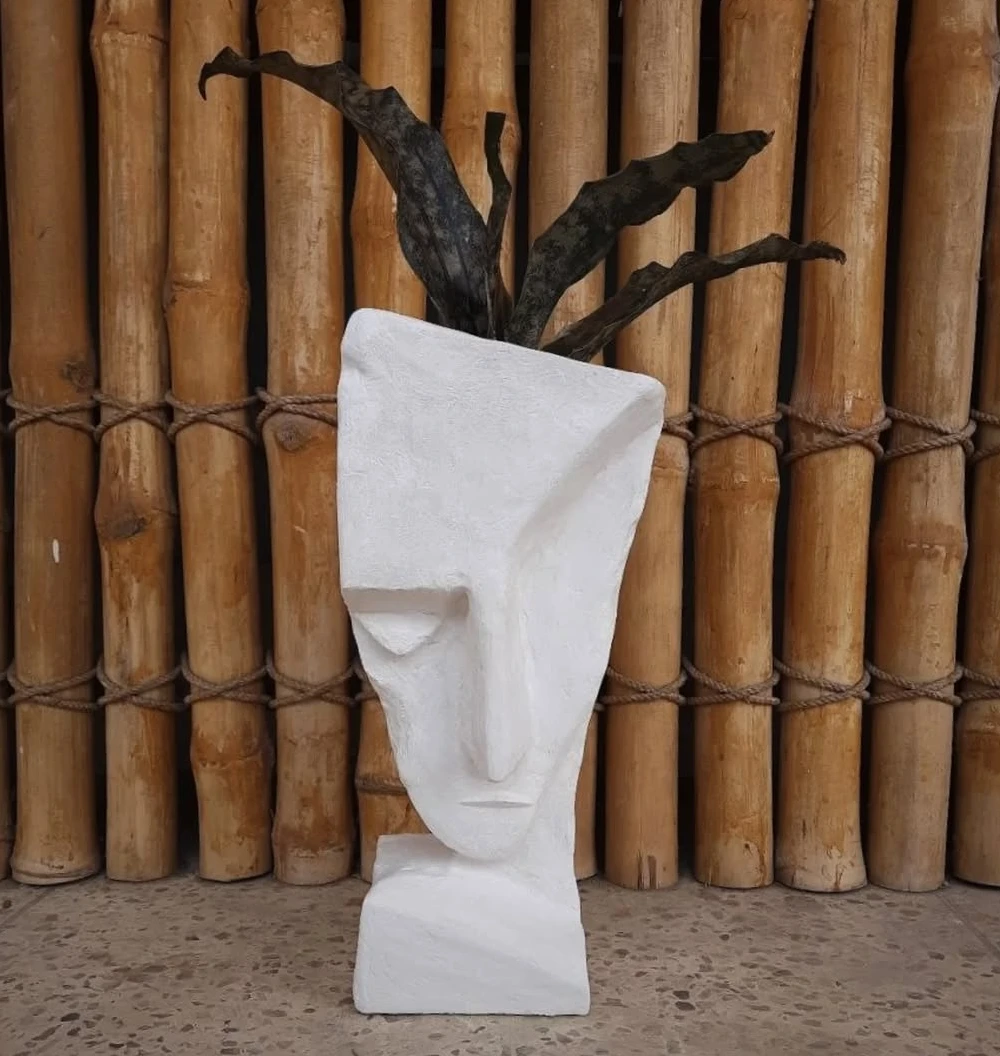
Plaster-of-Paris planters crumble away over time when exposed to weather and plant root pressure. Unlike materials that rot, plaster dissolves and breaks apart, returning calcium and minerals to your soil as it disappears.
These planters last 6-12 months, depending on the climate. Freeze-thaw cycles dramatically speed up crumbling, while dry climates slow it down. The breakdown isn’t smooth; chunks fall off rather than gradually dissolve. Plant roots help break down walls from the inside as they grow.
Tip: Add sand or perlite to the plaster mix for faster breakdown. To accelerate crumbling, lightly tap with a hammer to create small cracks after the plaster has cured for 24 hours.
10. Compost-Filled Wooden Crates
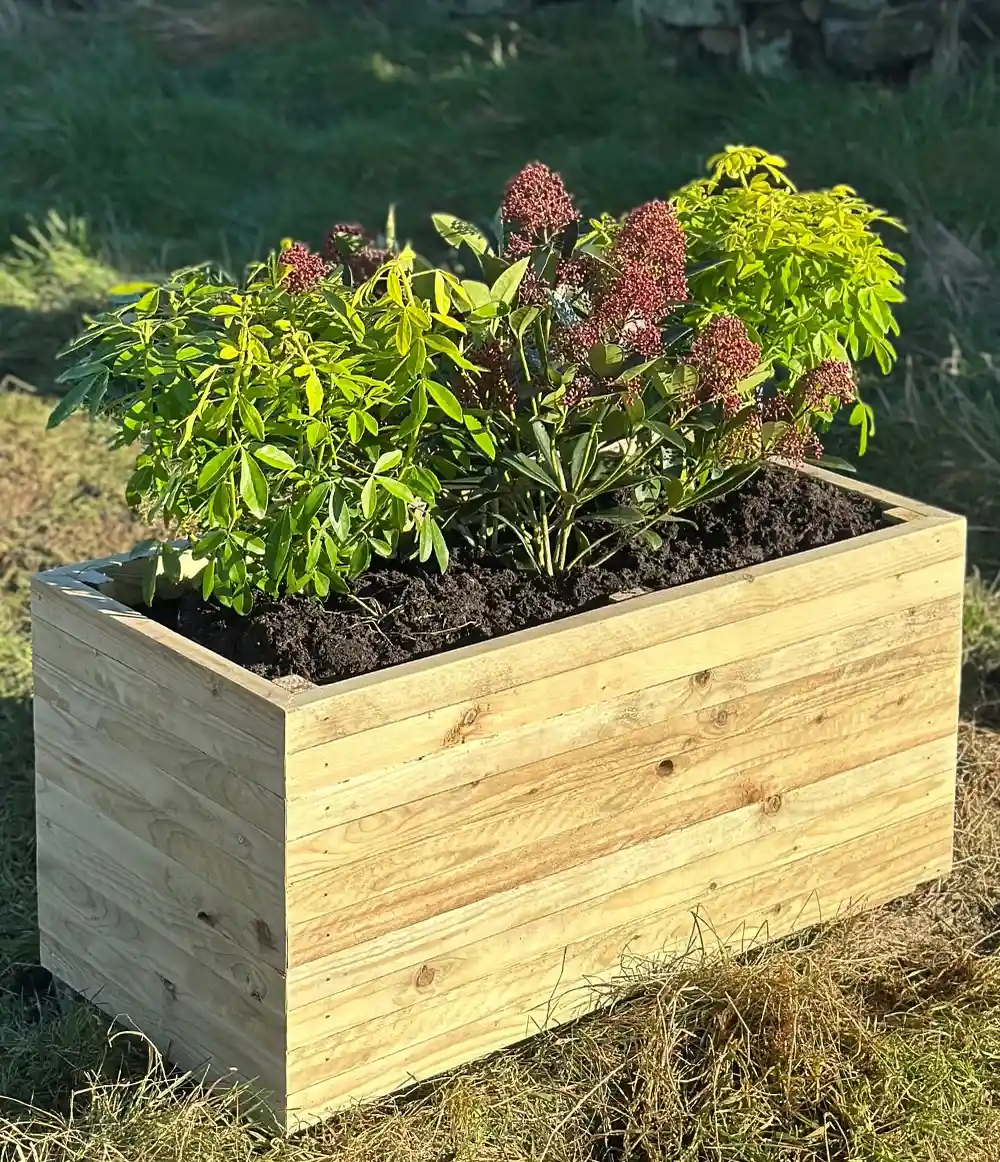
Old wooden fruit crates or wine boxes make superb temporary planters that decompose within 2-4 years, even though they provide rich growing medium from day one. Fill them with finished compost rather than regular potting soil to accelerate both plant growth and container breakdown.
The compost creates constantly moist conditions that speed up wood decomposition. Beneficial microorganisms actively break down the wooden sides. The slatted construction allows air circulation while maintaining moisture.
These excel for vegetables like lettuce, spinach, and herbs that benefit from a nutrient-rich growing medium. As wood softens, plant roots can grow through the sides into the surrounding soil.
Tip: Look for natural weathering and avoid chemically treated wood. Add earthworms to speed up the compost aging. Use a moisture meter to maintain optimal dampness.
11. Bamboo Tube Planters
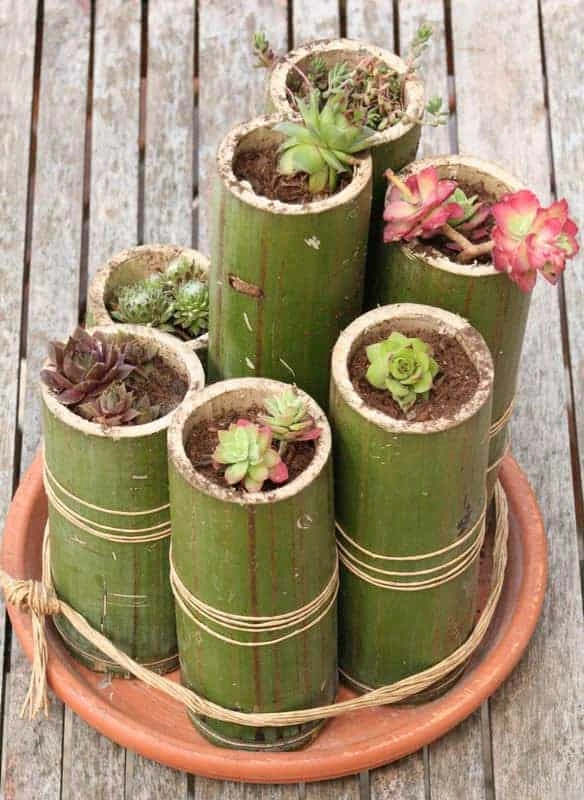
Bamboo tubes create stylish temporary planters that decompose within 1-2 years, perfect for plants that you want to transplant directly into the garden. Natural bamboo breaks down faster than expected because it’s a grass with higher cellulose content that decomposes readily.
The decomposition process is fascinating. Bamboo softens from the outside in, slowly becoming flexible and eventually crumbling. Breakdown accelerates dramatically once the outer waxy layer is negotiated by weather or plant roots.
Tip: Harvest bamboo in winter when sugar content is lowest to prevent insect damage and extend useful life. Position bamboo planters where you want the resulting organic matter to stay.
12. Rotten Stump Planters
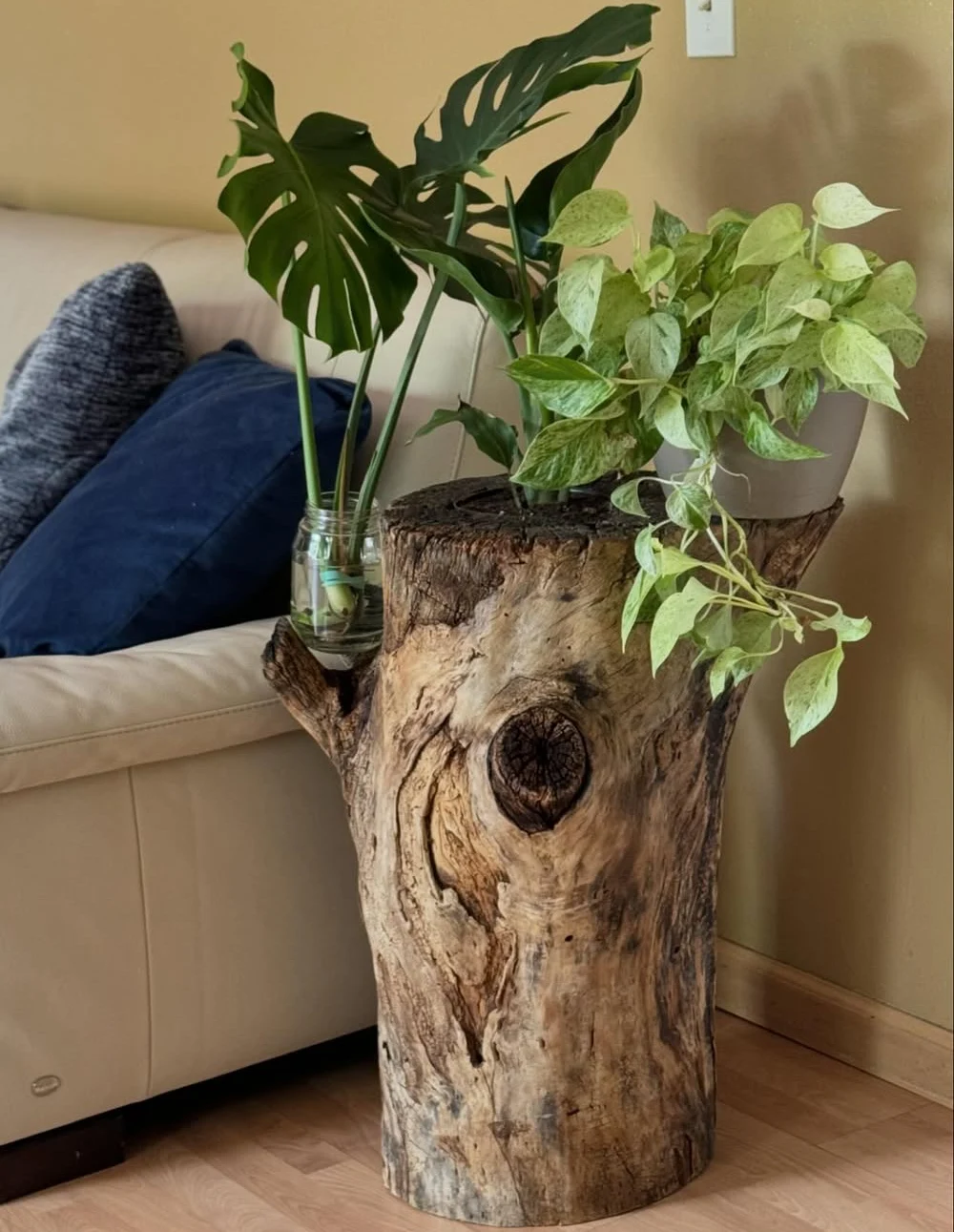
Tree stumps in various stages of decay make incredible natural planters that slowly disintegrate while supporting plant growth. The existing root system continues to decompose underground, creating rich organic matter pockets. The visible stump provides a ready-made container that breaks down over 3-7 years.
Softwoods like pine stumps decompose faster than hardwoods like oak. Find stumps that are already partially decomposed. They should feel somewhat soft when you push a screwdriver into them. Completely fresh stumps take too long; completely rotten ones won’t hold soil properly.
Tip: Test stump soundness by drilling pilot holes. If wood dust comes out dark and moist, it’s perfect for planting. Add drainage by drilling holes. Speed decomposition by inoculating with mushroom spawn.
13. Coconut Coir Fiber Pots
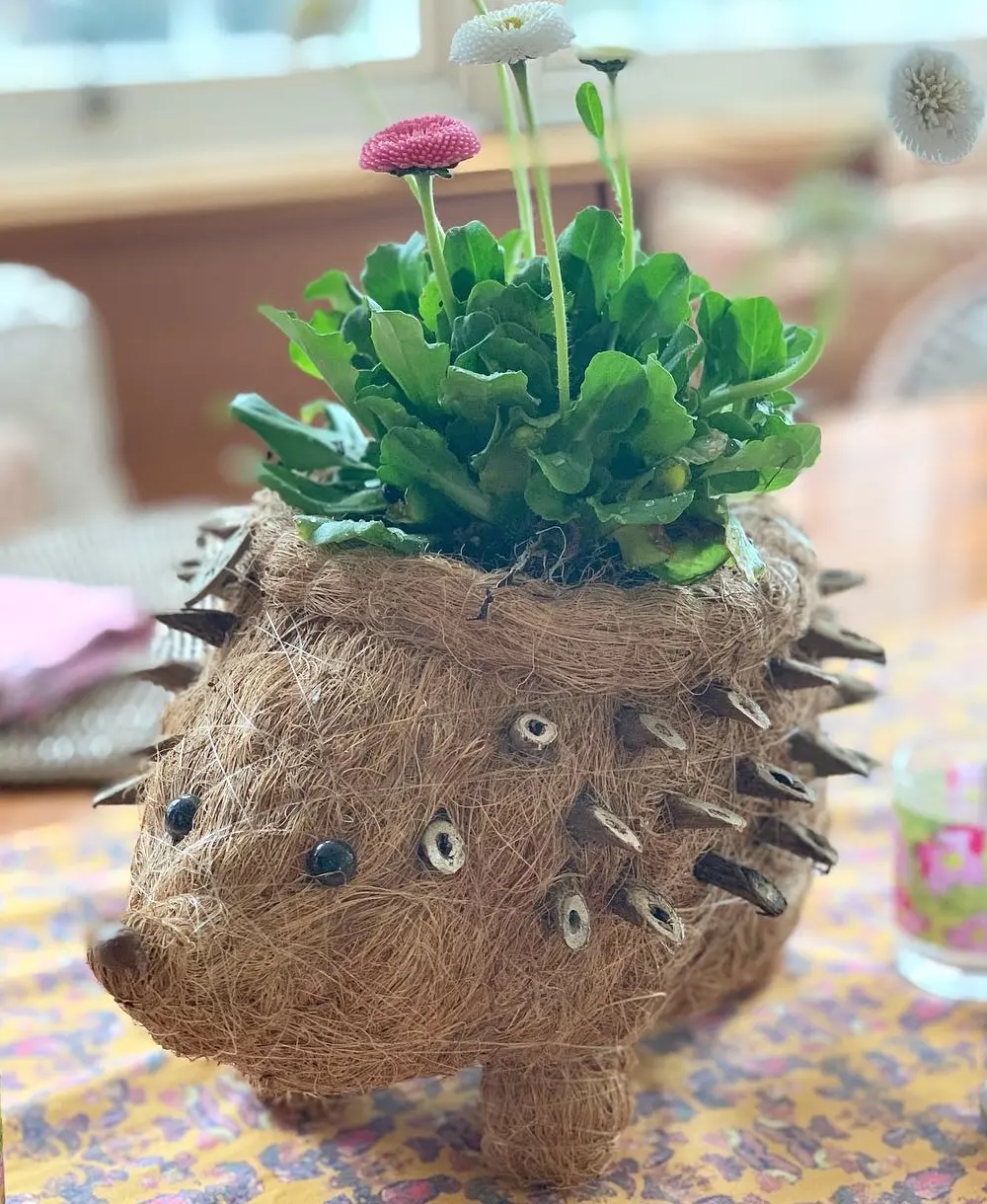
Coconut coir fiber pots represent one of the most reliable biodegradable planter options. They break down completely within 6-12 months, meanwhile providing excellent drainage and root development. Made from coconut husk fibers, these pots are naturally resistant to mold and fungus while still decomposing predictably.
The fibrous structure allows plant roots to grow directly through walls, which strengthens plants by encouraging healthy root development. Coir pots work well for vegetables, herbs, and flowers that benefit from direct transplanting. The coconut fiber adds organic matter and improves soil drainage as it decomposes.
Tip: Soak coir pots in water for 30 minutes before planting to guarantee even moisture distribution. Score the sides with a knife to encourage root penetration.
14. Egg Carton Planter

Paper egg cartons make great biodegradable seed-starting containers that dissolve completely within 4-8 weeks when planted directly in soil. The individual cups are perfectly sized for small seeds. The cardboard material breaks down rapidly once exposed to consistent moisture from watering and soil contact.
These work fine for beans, peas, squash, and other large seeds that don’t like root disturbance during transplanting. Simply plant the entire cup directly in your garden. Roots will grow right through the softening walls. The decomposing cardboard adds organic matter to your soil while providing gentle support during the critical early growth phase.
Tip: Use only paper egg cartons. Start with larger seeds like beans that can handle rapid decomposition.
15. Jute Bag Planter

Natural jute bags create excellent medium-term planters that spoil within 12-18 months while providing superior drainage and root development. Made from plant fibers, jute bags allow air and water to move freely through the material, preventing root rot while encouraging healthy root growth.
The loose weave lets plant roots grow through the sides, creating naturally air-pruned root systems that are much healthier than those grown in solid containers. As jute fibers break down, they add organic matter to the surrounding soil while gradually releasing the root ball for natural expansion. These bags work for potatoes, root vegetables, and perennial plants that benefit from excellent drainage.
Tip: Look for untreated burlap sacks at feed stores or coffee roasters. To test if jute is natural, burn a small piece; synthetic materials melt while natural fibers burn cleanly.
16. Clay Pot Planter

Clay pots are nearly indestructible when it comes to rot resistance because they’re made from fired earth. There’s nothing organic left to decompose. The porous nature of clay allows excellent air circulation to plant roots while wicking away excess moisture that causes other materials to break down.
The biggest advantage is longevity. Archaeologists regularly find intact clay pots that are thousands of years old. For DIY projects, you can shape clay around balloons or existing containers, and then let them dry completely. Adding sand or grog (ground-up fired clay) to your clay mix makes stronger, more durable pots.
Tip: Add 20% sand to the clay mix for better durability and faster drying. Bring clay pots indoors during winter in freezing climates to prevent moisture expansion damage.
17. Tin Can Planter

Tin cans transform into surprisingly durable planters that repel rot indefinitely because they’re made from steel coated with tin. They are completely immune to biological decomposition. The key to success lies in proper preparation and drainage.
Rust can be an issue, but it’s easily preventable with a coat of metal primer followed by exterior paint. They also conduct heat well, which benefits warm-season plants but may require insulation in extreme heat. You can wrap them in burlap or fabric for both temperature control and aesthetics. For best results, choose cans without dents.
Tip: Paint the interior with food-safe sealant if growing edibles. Use metal primer before painting to prevent rust. Wrap cans in fabric or burlap to prevent overheating in summer and improve aesthetics.
18. Concrete Planter

Concrete planters represent the ultimate in rot-proof durability. You can create custom shapes using simple molds made from cardboard boxes, plastic containers, or even sand forms. The basic recipe is surprisingly simple; just cement, sand, aggregate, and water mixed in proper ratios.
The beauty of concrete lies in its moldability when wet and incredible strength when cured. Adding fiber reinforcement, like chopped fiberglass or even old pantyhose, prevents cracking. Concrete naturally becomes stronger with age as it continues curing for months after initial setting.
Tip: Add perlite to the concrete mix to reduce weight by up to 30% while improving drainage and insulation. Always cure concrete slowly by keeping it damp for at least a week.
19. Ceramic Planter
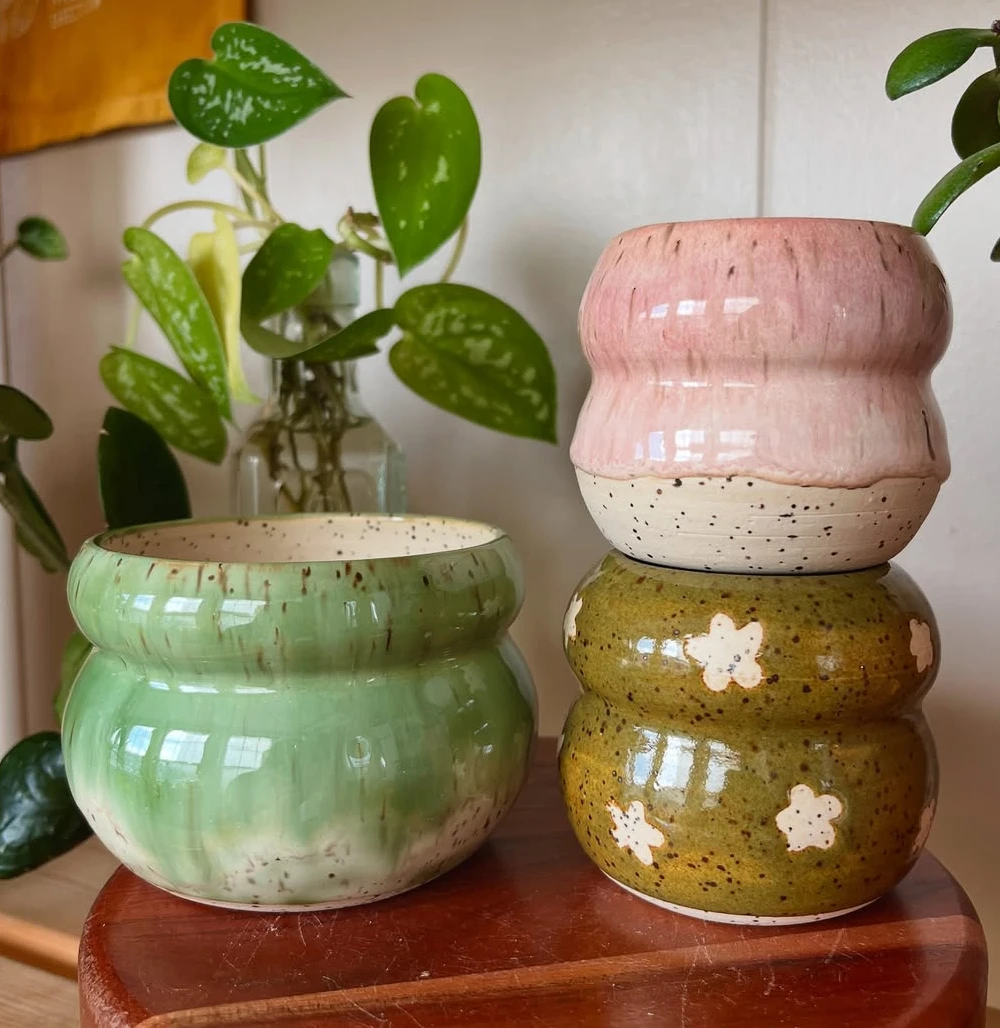
Ceramic planters offer unique rot resistance combined with endless decorative possibilities, making them perfect for both indoor and outdoor use. Unlike basic clay pots, ceramics are fired at higher temperatures and often glazed, creating a completely waterproof surface that will never decompose or deteriorate from moisture exposure.
The firing process fuses clay particles into a rock-like material that can last centuries. Modern ceramic planters often include drainage systems designed right into the structure, preventing water accumulation that damages other materials. One significant advantage is thermal mass; ceramics moderate soil temperature swings that can stress plants.
Tip: Use stoneware clay for outdoor planters. Always include drainage holes during the forming process rather than trying to drill them after firing.
20. Fiberglass Planter

Fiberglass planters deliver commercial-grade durability in lightweight packages that resist rot, cracking, and weather damage for the foreseeable future. Made from glass fibers embedded in resin, these planters can withstand extreme temperature fluctuations, UV exposure, and constant moisture without any degradation of structural integrity.
Professional landscapers prefer fiberglass for large installations because these planters can be moved easily, even when planted, unlike concrete or stone alternatives. They’re also completely frost-proof and won’t crack in winter conditions that destroy other materials. The smooth interior surface resists root binding and makes cleaning between plantings effortless
Tip: Always work with fiberglass resin in well-ventilated areas and wear proper protective equipment. Use gel coat as the first layer against the mold for a smooth finish.
21. Metal Planter

Metal planters offer unmatched durability and modern aesthetic charm while eradicating rot concerns since there’s no organic material to decompose. Steel, aluminum, and copper planters can last for generations with proper treatment.
Aluminum offers the best corrosion resistance and lightweight handling, while steel provides maximum strength and affordability. Heat conduction is both an advantage and a consideration; metal planters warm up quickly in spring, extending growing seasons, but may need insulation in extreme heat.
Tip: Apply rust-inhibiting primer and paint to steel planters immediately after construction to prevent corrosion. Insulate metal planters in hot climates by wrapping with reflective material or creating air gaps between walls.
22. Plastic Planter

Plastic planters resist rot completely while offering incredible versatility, affordability, and longevity. Modern plastics can withstand decades of UV exposure, freeze-thaw cycles, and constant moisture without degrading, making them excellent long-term investments for practical gardening.
The biggest advantage is cost-effectiveness combined with performance. You can create large planters for the price of small ceramic pots. They’ll outlast most other materials except stone or concrete. Lightweight handling means you can rearrange gardens seasonally or bring tender plants indoors without back strain.
Tip: Choose food-grade plastic containers and look for recycling codes 1, 2, or 5 for safety. Avoid black plastic in sunny locations as it absorbs excessive heat that can damage plant roots.
23. Resin Planter

Resin planters combine the best qualities of multiple materials. They look like expensive stone or ceramic but weigh much less and cost significantly less, offering superior rot resistance and weather durability. High-quality resin planters can fool even experienced gardeners who assume they’re looking at much more expensive materials.
Modern resin formulations include UV stabilizers and reinforcing fibers that prevent the chalking and brittleness that plagued earlier plastic products. These planters maintain their appearance and structural integrity through decades of outdoor exposure, including extreme temperature swings that crack other materials.
Tip: Mix resin and catalyst in exact ratios specified by the manufacturer. Work quickly once the catalyst is added, as you have limited working time before the resin begins to set.
24. Stone Planter

Stone planters represent the peak of permanent, rot-proof gardening containers. Natural stone like granite, limestone, or sandstone creates planters that improve with age as weather adds personality and patina that improves rather than degrades their appearance.
The thermal mass of stone moderates soil temperature swings, protecting plant roots from sudden climate changes that stress plants in other containers. This natural insulation keeps roots cooler in summer heat and provides frost protection during mild winter weather.
Tip: Use limestone or sandstone for carving projects. Plan drainage carefully in solid stone planters by drilling holes before construction rather than trying to add them later.
25. Galvanized Steel Planter

Galvanized steel planters offer exceptional longevity through their zinc coating that prevents rust and corrosion, making them rot-proof for decades of use. The galvanization process creates a protective barrier that strengthens over time as the zinc forms compounds that further protect the underlying steel.
The material’s strength allows for large, deep planters that won’t bow or crack under soil weight like weaker materials might. The key is guaranteeing the galvanization remains integral; do not grind or weld that removes the protective coating unless you can re-galvanize or use protective paints.
Tip: Never grind or weld galvanized steel without proper ventilation.. Use galvanized bolsters and screws for assembly to maintain corrosion resistance throughout the entire structure.
26. Recycled Tire Planter

Recycled tire planters transform waste into durable, rot-proof containers that can withstand decades of weather exposure while providing excellent growing conditions for plants. The rubber compound in tires is specifically engineered to resist UV degradation, moisture, and temperature extremes. It makes them best for permanent outdoor installations.
In extremely hot climates, painting tires with light colors or providing afternoon shade prevents overheating. The dark color naturally warms soil, making them excellent for heat-loving plants like tomatoes and peppers. Drainage is excellent due to the tire’s flexibility; excess water naturally finds its way out.
Tip: Use steel-belted radial tires rather than bias-ply tires as they’re more durable. Paint tires with light-colored paint in hot climates to prevent soil overheating that can damage plant roots.
27. Terracotta Planter
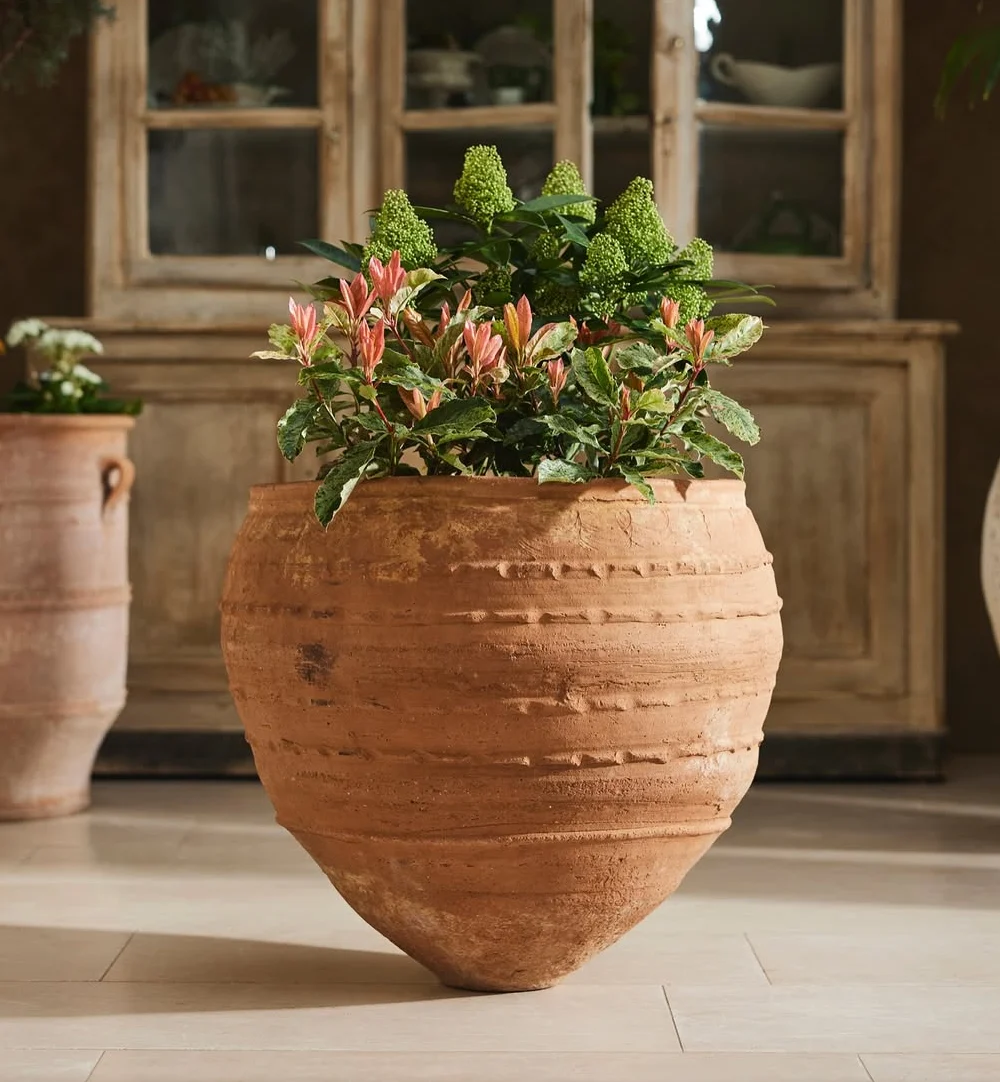
Terracotta planters represent thousands of years of proven rot-resistance, with archaeological examples demonstrating their incredible durability when properly made and cared for. The high-temperature firing process creates a ceramic material that’s completely immune to biological decomposition while maintaining porosity that benefits plant health.
The porous nature of terracotta allows air exchange to plant roots while naturally wicking away excess moisture that causes root rot in less breathable containers. This self-regulating moisture system often results in healthier plants with stronger root systems compared to plants grown in non-porous containers.
Tip: Soak new terracotta pots in water for several hours to prevent them from drawing moisture from the soil. Move terracotta planters to protected areas during hard freezes, as absorbed water can crack the clay.
28. Glass Planter

Glass planters offer unique visual appeal combined with complete rot immunity, creating stunning displays that focus on both plants and root systems. Unlike organic materials that decompose or metals that corrode, glass maintains its clarity and structural integrity through decades of use.
The primary advantage is visual. Clear glass allows observation of root development and soil layers. Thermal properties require consideration; glass can create greenhouse effects that benefit some plants while overheating others. Setting away from intense direct sunlight prevents overheating while still providing adequate light.
Tip: Use tempered glass for outdoor planters as it’s much stronger and safer than regular glass if breakage occurs.