
Try planting a fall vegetable garden to add color and flavor to your autumn meals. Due to the cooler temperatures as they mature, some spring and summer crops even perform better in the fall. Starting a vegetable garden in cool-weather fall has many benefits. Fewer diseases and pests harm plants, as well as fewer weeds and warmer soil.
You won’t need to water as frequently due to the moderate rainfall. Gardeners in hardiness zones 8 and above can get a wide variety of vegetable plants started, including tender tomatoes and eggplants.
Leafy greens, root vegetables, cabbage, broccoli, and kale, all of which thrive in the cooler, shorter days of fall vegetables can be successfully grown by green thumbs in northern climates.
When To Plant A Garden In The Fall?
In most cases, it is beneficial to plant seeds for your fall garden in the middle to late summer so that you can harvest them before the typical first frost in your area. This varies, though, based on the fall vegetables you want to plant, your hardiness zone, and the first frosts you anticipate.
You can work out roughly when to plant your fall vegetables by determining their days to harvest and deducting this from the first frost date. However, as some vegetables mature better when exposed to light frost, dates vary.
To account for the shorter days and cooler temperatures, which cause vegetables to grow at a slower rate than in the spring or summer, it is also a good idea to add approximately two weeks to each vegetable’s expected days to maturity.
Don’t Miss These 34 Fall Garden Vegetables That Practically Grow Themselves

1. Radish

Radishes are among the most rewarding fall vegetables you can grow. In Southeast Asia, radishes have been cultivated for over 4,000 years. Fall radishes taste better than spring ones because cool temperatures reduce their bite and make them sweeter.
Plant them 4-6 weeks before your first expected frost. They prefer loose, well-draining soil and consistent moisture. Radish greens are packed with vitamins and make excellent additions to salads or stir-fries. Popular fall varieties include Cherry Belle, French Breakfast, and the larger Daikon radishes.
2. Swiss chard

Swiss chard is a standout fall vegetable that transforms any garden into a colorful one. The Mediterranean coast, this hardy leafy green is more closely related to beets than typical greens like spinach or lettuce.
It can handle temperatures down to 15°F and becomes sweeter after light frosts. Plant chard seeds 10-12 weeks before your first hard frost for optimal fall harvests. Space plants about 6 inches apart in well-draining soil. Pair chard with marigolds; they help deter pests naturally.
3. Carrot
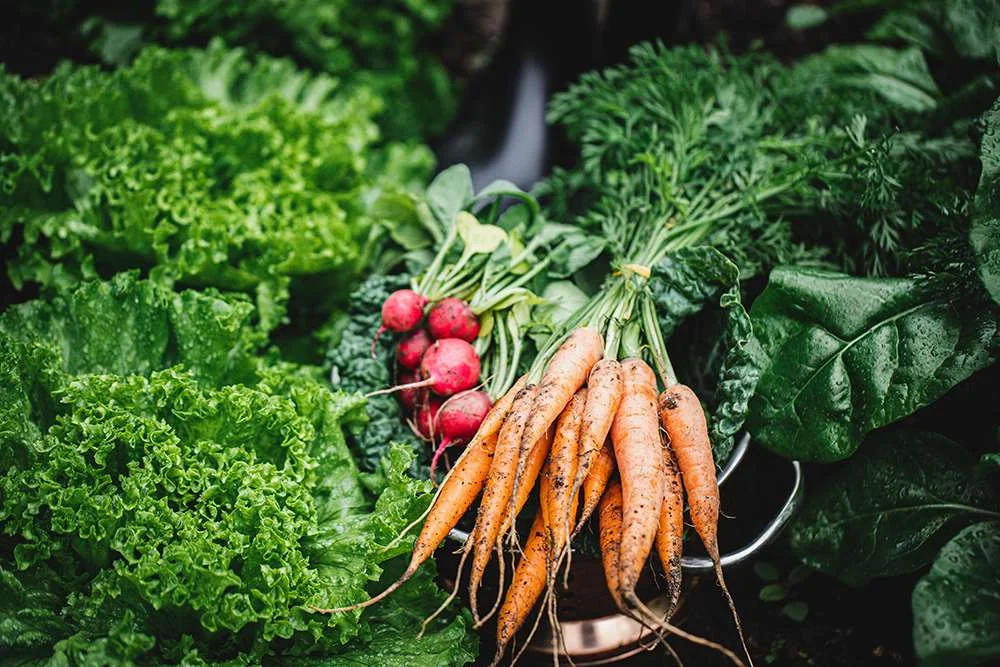
Carrots are one of the most satisfying fall vegetables to grow, developing their sweetest flavors when harvested after cool. Originally from Afghanistan and surrounding regions, these orange roots have been cultivated for over 1,000 years, though the first carrots were purple and white.
Fall-grown carrots taste better than summer ones because cool temperatures trigger the plant to convert starches into sugars as a natural antifreeze. This makes October and November harvests incredibly sweet and crisp. Plant carrot seeds 10-12 weeks before your first hard frost for perfect fall timing.
4. Brassica oleracea

Cauliflower is a fantastic fall vegetable that performs much better in cool breathe than during hot summer months. This member of the Brassica family originated in the Mediterranean region and has been cultivated since ancient Roman times. Fall is ideal for growing cauliflower because it needs consistent cool temperatures around 60-70°F to form tight, white heads.
Start seeds indoors 6-8 weeks before your first fall frost, then transplant seedlings when they’re about 4-6 weeks old. Pristine white cauliflower is blanching. When heads reach about 3 inches across, tie the outer leaves over the developing curd to block sunlight. Harvest heads when they’re firm and compact, typically 7-12 days after blanching begins.
5. Collard Greens

Fall cabbage outperforms spring plantings because it develops in consistently cool temperatures, resulting in tighter heads and better flavor. Also reduces pest pressure from cabbage worms and flea beetles that plague summer crops. Start seeds indoors 12-14 weeks before your first hard frost, then transplant sturdy seedlings when they’re about 6 weeks old.
Cabbage needs rich, well-drained soil with plenty of organic matter and consistent moisture to form solid heads. Space plants 12-18 inches apart to allow proper head development. These heavy feeders benefit from regular fertilizing every 3-4 weeks.
Harvest cabbage when heads feel firm and solid but before they split. If heads start cracking, twist the entire plant slightly to break some roots and slow growth until you’re ready to harvest.
6. French Breakfast Radishes

Radishes are among the most rewarding fall vegetables, offering quick harvests and improved flavor during cooler months. Fall is the best time to grow radishes because cool temperatures reduce their natural peppery bite and create sweeter, more tender roots. Most varieties mature in just 20-30 days, making them ideal for succession planting every two weeks.
Plant radish seeds directly in the garden 4-6 weeks before your first hard frost. They prefer loose, well-draining soil and consistent moisture. The colorful varieties of French Breakfast radishes develop their beautiful pink and white coloring.
Radish leaves are completely edible and packed with vitamins, making excellent additions to salads or sautéed dishes. Harvest when roots reach about one inch in diameter for the best texture and flavor.
7. Cherry Belle Radishes

These vibrant red roots are Cherry Belle radishes, one of the most popular varieties for fall planting. Plant seeds directly in the garden 4-6 weeks before your first expected frost for the best results. Space seeds about an inch apart and thin to 2 inches once they germinate.
Tender radishes are harvested promptly when they reach about an inch in diameter. Leaving them too long results in tough, bitter roots. The leafy greens are completely edible and packed with vitamins, making excellent additions to salads or stir-fries.
8. Pumpkin plants with mature pumpkins

Pumpkins are the quintessential fall harvest vegetable, though they’re technically fruits that require a full growing season to reach maturity. In North America, these sprawling vines have been cultivated for over 7,000 years and remain one of the most anticipated autumn crops.
Pumpkins are planted in late spring. They need 90-120 days to mature, requiring warm summers but finishing as temperatures cool. Successful pumpkin growing starts early enough; plant seeds after soil warms to 65°F in late May or early June for October harvests.
These vigorous plants need plenty of space, often spreading 10-20 feet in all directions. Each plant typically produces 2-5 pumpkins, depending on the variety.
9. Pumpkin plant leaves

Winter squash represents some of the most versatile fall vegetables you can grow, with varieties butternut, acorn, and hubbard providing months of storage after harvest. The term winter squash refers to hard-shelled varieties harvested in fall and stored through winter, unlike tender summer squashes eaten fresh. These young plants eventually spread 6-10 feet in all directions, so proper spacing is crucial. Allow at least 4-6 feet between plants.
Plant winter squash seeds in late May or early June after the soil warms thoroughly. They need 100-120 days to mature, making timing critical for fall harvest before frost. The large leaves help power fruit development throughout the growing season, with each plant typically producing 3-6 squashes.
10. Beetroot

Beets are exceptional fall vegetables that prefer cooler growing conditions over summer heat. Mediterranean coastline, these colorful root vegetables have been cultivated for over 4,000 years, initially grown for their nutritious leaves rather than the roots we prize today.
Fall-grown beets develop better flavor and color because cool temperatures concentrate their natural sugars, preventing the woody texture that develops. The variety of colors, white, red, and deep purple, each offers slightly different flavors, with white beets being the mildest and dark varieties having the most earthy intensity.
11. Ornamental Cabbage

Ornamental kale, also called flowering kale, represents the decorative side of fall vegetable gardening. These stunning plants are the same species as regular kale but have been bred for their spectacular fall colors and flavor. In Japan during the 1930s, these colorful varieties transform gardens into living bouquets when temperatures drop.
Grown primarily for decoration, ornamental kale is completely edible, though the leaves tend to be tougher and more bitter than culinary varieties. The vibrant purple, pink, and cream colors intensify in temperatures below 50°F, triggering the most brilliant. Unlike flowers that fade with frost, ornamental kale better as temperatures drop and can withstand temperatures down to 10°F.
These plants need full sun and well-draining soil to develop their best colors. Space them 12-15 inches apart for individual specimens or closer for mass plantings.
12. Curly Kale

Kale is one of the most cold-hardy fall vegetables you can grow, actually improving in flavor after exposure to frost. This ancient leafy green originated in the Mediterranean region and is considered one of the oldest members of the cabbage family. Cultivated for over 2,000 years, before heading varieties, cabbage and broccoli were developed.
The curly variety withstands temperatures down to 10°F, continuing to produce fresh greens well into winter. Start kale seeds 10-14 weeks before your first hard frost, or plant transplants 8 weeks before.
Space plants 12-18 inches apart in rich, well-draining soil. Kale is a cut-and-come-again crop; harvest outer leaves, leaving the center growing point intact for continuous production.
13. Beetroot Plant

Red-stemmed beets demonstrate why fall is the season for growing them. Fall-grown beets also concentrate more natural sugars, making them noticeably sweeter and more tender. Plant beet seeds 10-12 weeks before your first hard frost for optimal harvests. They’re remarkably cold-tolerant, surviving temperatures down to 25°F, which means you can harvest fresh beets well into winter.
Space seeds 2-3 inches apart in well-draining soil with consistent moisture. Beet greens contain more vitamins and minerals than the roots themselves. Harvest young leaves for salads or sauté mature spinach. Successive plantings every 2-3 weeks ensure continuous fresh beets throughout fall and early winter.
14. Arugula

Arugula is a fantastic fall leafy green that can handle summer heat. Mediterranean region and parts of Asia, this peppery salad green has been cultivated since Roman times and was considered an aphrodisiac by ancient civilizations. Fall is the season for growing arugula because heat causes it to bolt quickly, producing these delicate white flowers.
Once the plant starts flowering, the leaves become increasingly bitter and tough. Plant arugula seeds directly in the garden 6-8 weeks before your first frost for the best leaf production. The plants mature incredibly fast.
You can start harvesting tender young leaves in just 3-4 weeks. Cool autumn temperatures keep the leaves mild and prevent early bolting. Harvest leaves when they’re 2-4 inches long for the mildest flavor.
15. Garden Peas

Peas are exceptional fall vegetables that make for autumn gardens. Middle East, peas have been cultivated for over 10,000 years and were among the first crops domesticated by humans. Fall is ideal for growing peas because they thrive in temperatures between 55-70°F and can tolerate light frosts down to 28°F.
Summer plantings that quickly bolt in, fall peas develop slowly and produce sweeter pods with better flavor. The cool nights and shorter days prevent the rapid flowering that occurs in spring plantings. Plant pea seeds 8-10 weeks before your first hard frost for optimal fall harvests. These climbing varieties need support structures like trellises or fences, reaching 4-6 feet tall.
16. Brassica oleracea var

These colorful rosettes aren’t just pretty faces, they’re edible members of the cabbage family that bridge the gap between vegetable and flower gardening. Developed in Japan in the early 1900s, ornamental cabbage varieties were bred specifically for their stunning fall color and culinary qualities.
When nighttime temperatures consistently drop below 50°F. These hardy plants can withstand temperatures down to 10°F and better as winter approaches. Each plant can reach 12-15 inches across, making them excellent for seasonal use.
17. Eruca vesicaria

Mixed salad greens, often called mesclun, represent one of the most practical approaches to fall vegetable gardening. France, where farmers traditionally mixed young leaves of lettuce, arugula, endive, and other greens for market sales. The word mesclun comes from the Provençal word mesclum, meaning mixture. Growing salad mixes because it prevents most greens from bolting quickly, producing tender, sweet leaves.
Plant mixed green seeds 6-8 weeks before your first frost, broadcasting them densely across prepared beds. This cut-and-come-again method allows you to harvest entire sections when plants reach 3-4 inches tall, then replant for continuous production throughout fall and winter. Mixed plantings are staggered maturity; some plants are ready to harvest, others are still developing, ensuring constant fresh greens.
18. Tatsoi
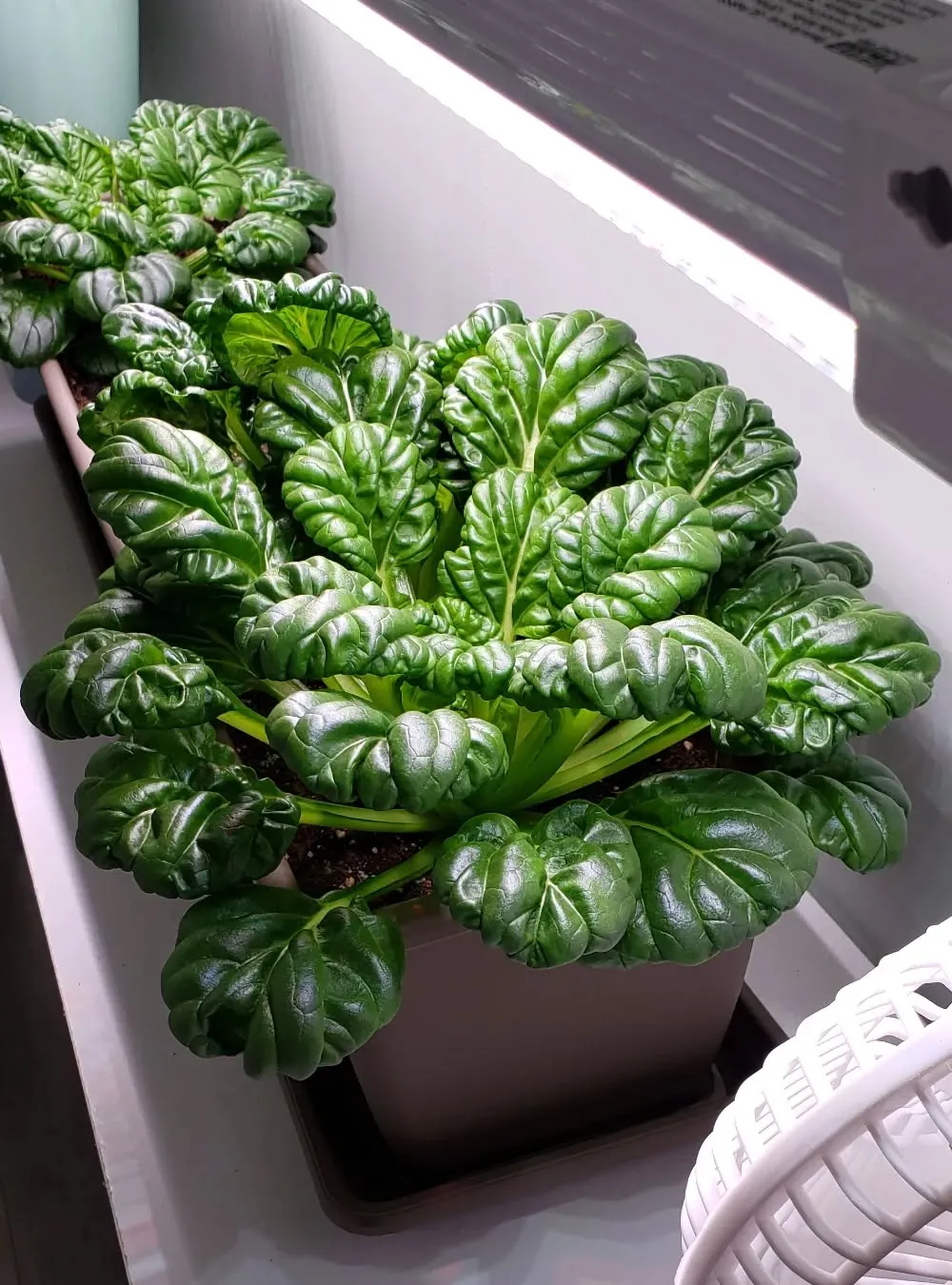
Pak choi is an outstanding fall vegetable that excels in container growing. This Asian green has been cultivated for over 1,500 years and belongs to the same family as cabbage and broccoli, though it forms loose heads and tight ones. It thrives in cool temperatures between 50-70°F and can bolt quickly. The thick, succulent stems and dark green leaves develop the best flavor and texture when grown in cooler conditions.
Many vegetables, both the crunchy white stems and tender leaves, are equally delicious. Bok choy adapts to small spaces and controlled environments. Plant seeds 8-10 weeks before your first frost, spacing plants 6-8 inches apart. Harvest entire plants when they reach 6-8 inches tall, or pick outer leaves continuously for extended harvests. The thick white ribs store well and add wonderful crunch to stir-fries and soups.
19. Broccoli

Collard greens are among the most cold-hardy fall vegetables you can grow, with their thick, blue-gray leaves improving in flavor after frost exposure. Collards are one of the oldest members of the cabbage family and were the ancestor to modern heading cabbages. Collards excel in fall gardens; the large, sturdy leaves can withstand temperatures down to 15°F, continuing to produce fresh greens.
Brassicas that form heads, collards grow as loose rosettes that you can harvest leaf by leaf throughout the season. Fall-grown collards develop their best flavor because cool temperatures reduce bitterness and make the leaves more tender. Plant transplants 10-12 weeks before your first hard frost, spacing them 18-24 inches apart since they can grow quite large.
Collards are traditionally harvested after the first frost, which converts starches to sugars and creates the sweetest, most tender leaves.
20. Brussels Sprouts

Brussels sprouts represent one of the most rewarding fall vegetables to grow, though they require patience and planning. Developed in Belgium around the 13th century, these miniature cabbage buds grow along tall stalks that can reach 2-3 feet high, as clearly in this commercial field. Fall is essential for Brussels sprouts because they need a long, cool growing season and require frost for their best flavor.
The yellowing lower leaves in this field indicate the plants are ready for harvest. Harvest from the bottom up when sprouts reach 1-2 inches in diameter and feel firm. Each plant can produce 50-100 sprouts over several weeks. Space plants 18-24 inches apart in rich, well-drained soil.
21. Purple Carrot
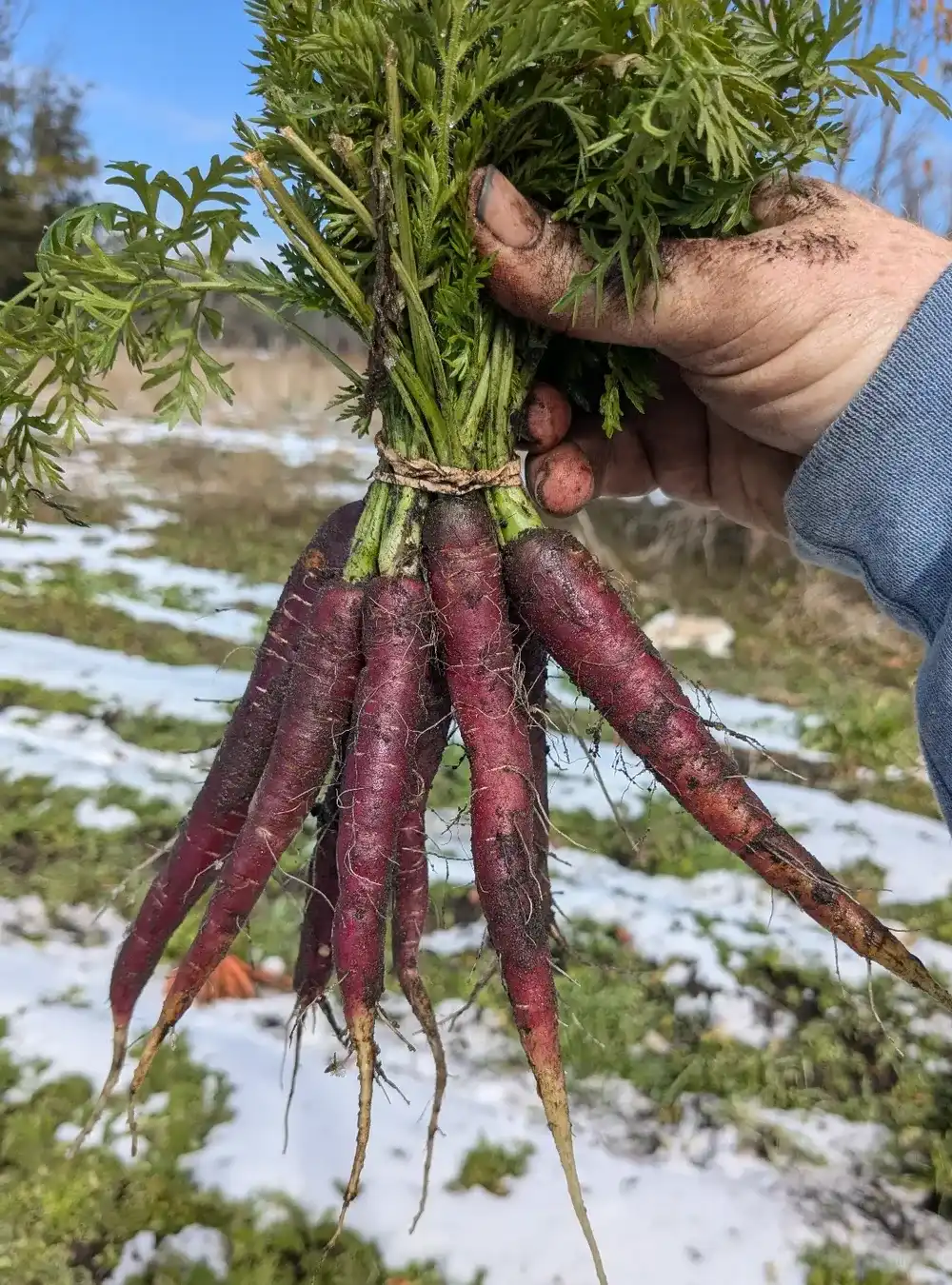
Purple carrots, these beautiful specimens harvested from snowy ground, represent some of the most cold-hardy fall vegetables you can grow. Afghanistan, purple carrots were the original color; orange varieties weren’t developed until Dutch farmers bred them in the 1600s to honor the House of Orange. They can survive temperatures down to 15°F when properly mulched, and taste sweetest after exposure to frost.
The purple pigments come from anthocyanins, the same antioxidants found in blueberries. Plant seeds in mid to late summer for optimal fall harvests, allowing 70-80 days for full development. Leave carrots in the ground under mulch and harvest as needed throughout winter for the sweetest, most tender roots
22. Cauliflower

Cauliflower represents one of the most challenging yet rewarding fall vegetables to master, in this impressive harvest. From wild cabbage along the Mediterranean coast, cauliflower has been cultivated since the 6th century BC and requires precise timing for successful fall production. These formed white heads why fall is the ideal season for growing cauliflower. Cauliflower consistently in cool temperatures around 60-65°F, producing these tight, sweet heads.
Start 12-14 weeks before your first hard frost for optimal timing. When curds reach about 3 inches across, tie the outer leaves over the developing head to block sunlight. This prevents yellowing and maintains the mild, sweet flavor.
Cauliflower is extremely sensitive to temperature fluctuations and requires rich, consistently moist soil with steady nutrition. Each plant needs about 18 inches of space to develop properly.
23. Savoy Cabbage

Kale Brassica oleracea var. acephala becomes sweeter and more tender after experiencing light frosts, making it an ideal cool-season crop. Kale has been cultivated for over 2,000 years. Many vegetables that struggle in cooler weather, kale, thrive when temperatures drop between 55-75°F.
The plant has the characteristic curly, blue-green leaves that indicate it’s receiving adequate sunlight and proper care. Plant kale seeds 10-12 weeks before your first hard frost. Your plant can survive temperatures down to 20°F, and light snow won’t harm it.
24. Celery

Native to marshy areas around the Mediterranean, celery prefers cooler temperatures and can handle light frosts, making it ideal for extending your harvest season. Plant seeds in late summer, about 10-14 weeks before your first hard frost. The plants need consistent moisture; never let them dry out completely.
Celery’s special feature for fall growing is its cold tolerance. It can survive temperatures down to 28°F, giving you fresh stalks well into November or December in most areas. Nitrogen fertilizer every 3-4 weeks during the growing season. The roots often produce a second, smaller crop if left in the ground after harvest.
25. Swiss Chard and Lettuce
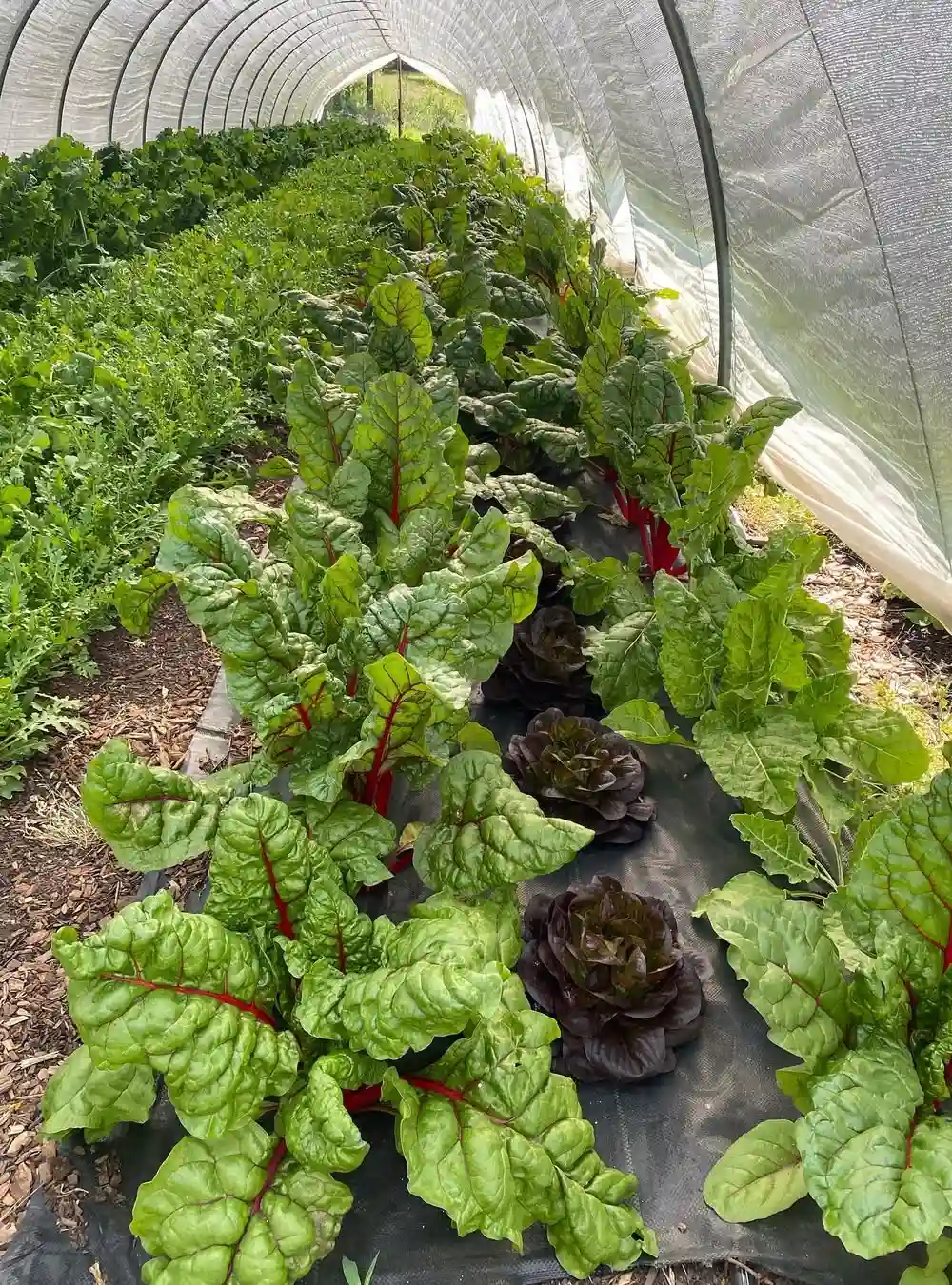
Polytunnel two excellent fall garden vegetables, Swiss chard, Beta vulgaris subsp. cicla with those vibrant red stems, and dark leafy lettuce varieties. Those colorful stems aren’t just beautiful indicate high nutrient content. Chard can survive temperatures down to 15°F, making it one of your most reliable fall crops. The dark red lettuce appears to be a cold-hardy variety, possibly Red Sails or cultivar Lactuca sativa.
These darker lettuces contain more antioxidants and handle frost better than pale varieties. The polytunnel creates a microclimate that’s 5-10°F warmer than outside while protecting from wind. Both crops benefit from the consistent moisture and temperature regulation. For lettuce, pick outer leaves regularly or cut entire heads. Plant successive crops every 2-3 weeks for continuous harvest through winter.
26. Garlic

These garlic plants are one of the best fall garden investments. In Central Asia, garlic is planted in fall for harvest the following summer, making it a unique addition to fall gardening schedules. Plant garlic cloves in October or November, about 4-6 weeks before hard frost. This cold period is essential; garlic needs 30-60 days below 50°F to form proper bulbs.
Garlic typically yields bulbs 4-6 times larger than spring-planted cloves. One pound of seed garlic can produce 8-10 pounds of bulbs. Stop watering 2-3 weeks before harvest to prevent rot. Properly cured garlic stores for 6-10 months, giving you homegrown flavor year-round from this simple fall planting.
27. Kohlrabi

This beautiful kohlrabi is becoming a favorite among fall gardeners. In Northern Europe, this unique vegetable forms its edible bulb above ground; it’s a swollen stem, not a root. Plant seeds in late summer, about 8-10 weeks before your first hard frost. Kohlrabi special for fall gardening is its incredible cold tolerance.
Plants can survive temperatures down to 20°F, giving you fresh vegetables well into winter. Space plants 4-6 inches apart in rich, well-draining soil. Harvest when bulbs reach 2-4 inches in diameter; larger ones become woody.
Your garden bed, you can succession plant every 2-3 weeks for continuous harvest. One planting typically yields 20-30 bulbs from a small space.
28. Leeks
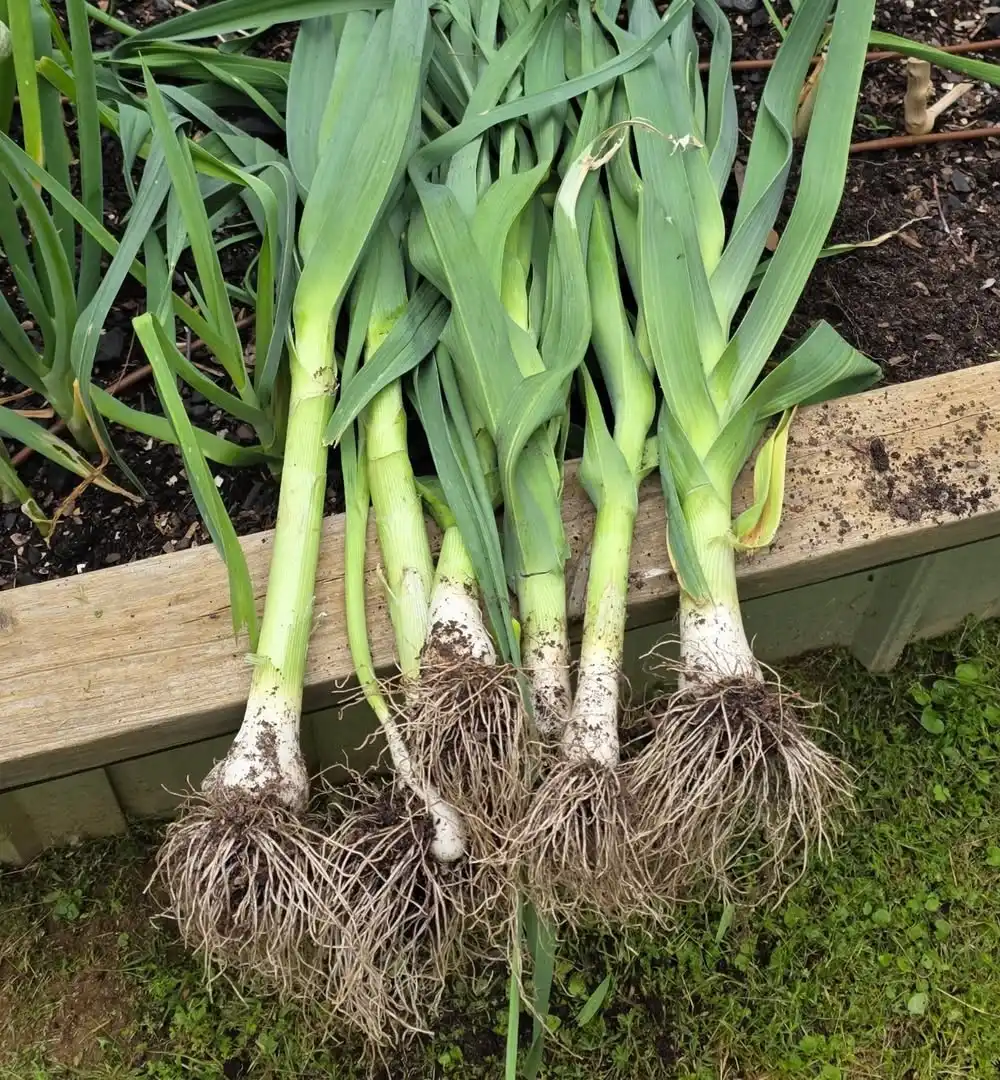
These freshly harvested leeks of the most reliable fall garden vegetables. Leeks are incredibly hardy and can withstand temperatures down to 10°F, making them perfect for extended fall and winter harvests. Plant leeks in late summer for fall harvest, spacing them 4-6 inches apart in deep, fertile soil. They’re slow growers, taking 100-120 days from sowing to harvest, but the wait is worth it.
Fall-grown leeks have superior flavor compared to spring plantings because they concentrate their natural sugars. Harvest when stems reach 1-2 inches in diameter. Cut just above the roots, leaving the base to potentially regrow smaller leeks.
29. Storage Onions

Plant onion in early spring for fall harvest. They prefer well-drained, fertile soil and consistent moisture during bulb development. Stop watering once the tops begin yellowing and falling over naturally. Cure these onions in a warm, dry, well-ventilated area for 2-3 weeks until the outer skins become papery.
Properly cured storage onions can last 6-10 months when stored in a cool, dark place with good air circulation. The roots and tops, until after curing, help draw moisture out of the bulbs. These onions will better storage life and more intense flavor through proper curing.
30. Romanesco Broccoli

Romanesco Broccoli Brassica oleracea var. botrytis is a stunning fall vegetable that is nature’s mathematical masterpiece. Italy, this unique vegetable Fibonacci spirals in its lime-green, cone-shaped florets. Romanesco thrives in fall gardens. Plant seeds in mid-summer for autumn harvest, as it needs about 100 days to mature.
Broccoli, romanesco prefers steady, cool temperatures between 60-65°F and can handle light frosts. Start seeds indoors 6-8 weeks before transplanting. Harvest when heads are firm and tight. Don’t wait too long, or florets become loose and bitter.
31. Cucumbers
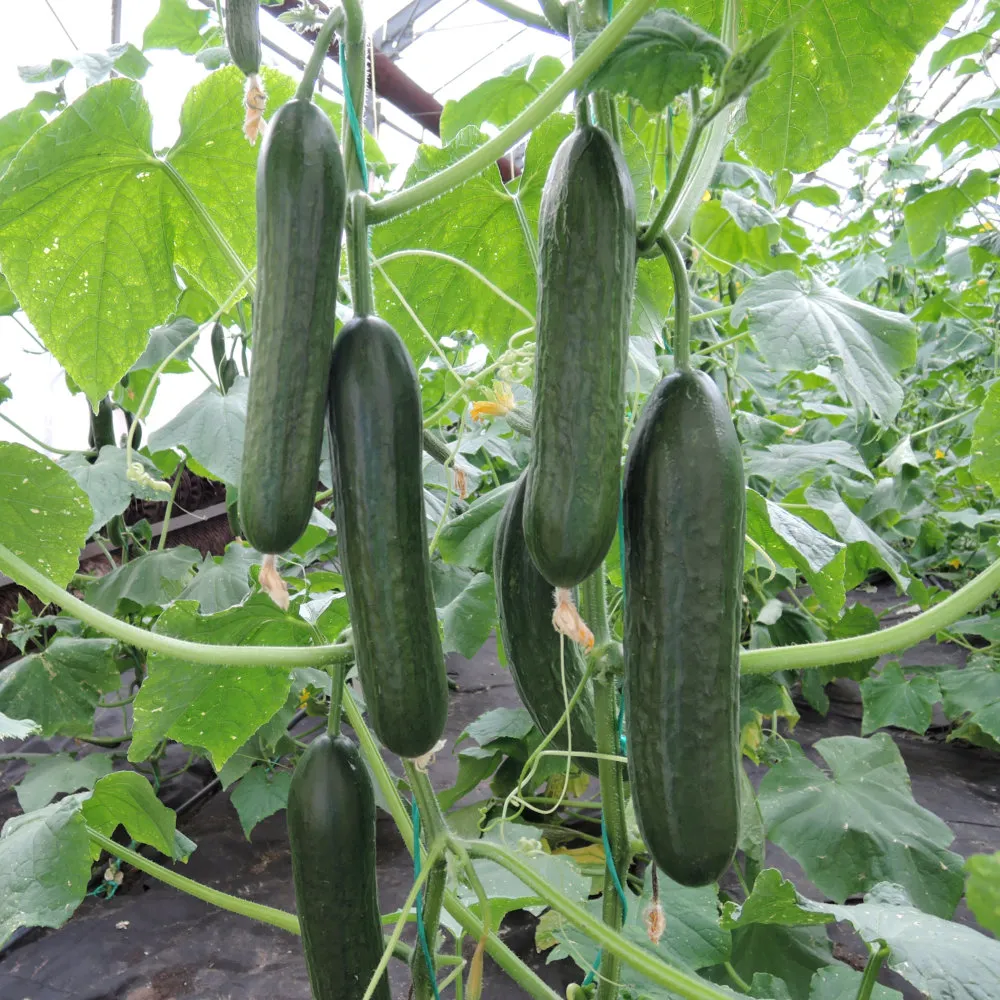
Cucumbers are warm-season vegetables that can extend into fall with proper planning. Originally from India, cucumbers have been cultivated for over 3,000 years and thrive in controlled environments the greenhouses. For fall production, start seeds indoors 10-12 weeks before your first frost date.
Maintain soil temperature above 60°F and provide consistent moisture. Mulch heavily to retain warmth as temperatures drop. Pick cucumbers when they’re 6-8 inches long for best flavor and to encourage continued production.
32. Turnips

Turnips are dual-purpose fall vegetables that give you two crops in one, the nutritious roots and edible greens. In Europe and Asia, turnips have sustained people through harsh winters for centuries. Plant seeds directly in late summer, about 10-12 weeks before hard frost. Sow seeds ½ inch deep in fertile, well-draining soil.
Thin seedlings to 4 inches apart – use the thinned greens in salads. Turnips prefer 50-65°F. Both roots and greens are packed with vitamins A, C, and K. Properly stored turnips last 4-6 months in cold, humid conditions.
33. Sweet Peas
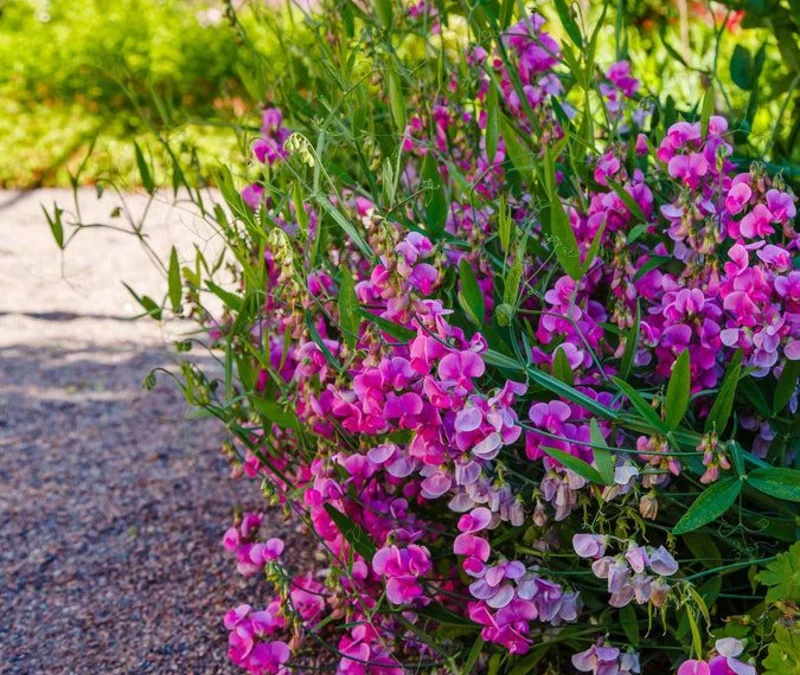
Sweet Peas are climbing legumes originally from Sicily and southern Italy. Primarily grown as ornamental flowers, the young shoots, leaves, and tendrils are edible and make excellent fall vegetables when harvested properly. These cool-season climbers thrive in fall gardens, preferring temperatures between 55-65°F.
The fragrant flowers indicate mature plants. Harvest young growth before flowering for best eating quality. Soak seeds overnight before planting to improve germination. Provide sturdy support as vines can reach 6-8 feet tall. Sweet peas prefer rich, well-draining soil with consistent moisture.
34. Black Spanish Radish

Black Spanish Radish is a winter storage radish originally from Spain and southern France. These large, round radishes with their distinctive black skin are fall vegetables that actually improve in flavor after cold weather exposure. Spring radishes, these giants take 55-70 days to mature and can grow as large as turnips.
They prefer and can withstand temperatures down to 20°F. Space plants 4-6 inches apart in loose, deep soil since roots can reach 4 inches across. The radishes store exceptionally well in cold, humid conditions for 4-6 months.
