Home repairs can be expensive, but learning a few essential DIY skills for homeowners can cut costs significantly. Hiring professionals for every small task adds up, and many projects are simpler than they seem. With the right knowledge, you can handle basic repairs, upgrades, and maintenance yourself, saving hundreds or even thousands over time.
Start with fundamental skills like patching drywall, fixing leaky faucets, and painting walls properly. These tasks require minimal tools but make a big difference in keeping your home in good shape.
Fix It Like a Pro: 8 Game-Changing DIY Skills to Avoid Costly Repairs

Why DIY Home improvement is a smart choice

DIY home improvements can save you money while adding value to your property. Simple upgrades like fresh paint, new flooring, or well-maintained outdoor spaces (like patios, gardens, or vegetable beds) can boost your home’s resale price. Plus, the more you do yourself, the more “sweat equity” you build, meaning your effort translates into real financial gains.
Beyond cost savings, DIY skills build confidence. The more you learn, the more you can handle repairs and upgrades on your own, no longer waiting for contractors or paying high labor fees. If you get really good, you could even turn your skills into a side hustle by helping others with their home projects.
Top DIY Home Project to Save Money
1. Basic Painting Techniques

Master interior and exterior painting to eliminate contractor fees. Proper surface preparation, primer application, and brush control can save thousands annually. Quality tools and techniques matter more than speed.
2. Plumbing Fundamentals

Learn to replace faucets, unclog drains, and fix running toilets. These common issues cost $150-300 per service call. Understanding pipe connections and basic leak repairs prevents emergency expenses.
3. Electrical Basics

Simple tasks like installing outlets, switches, and light fixtures reduce electrician costs significantly. Always turn off the power at the breaker and test circuits before starting work. Know when to call professionals for complex wiring.
4. Drywall Repair
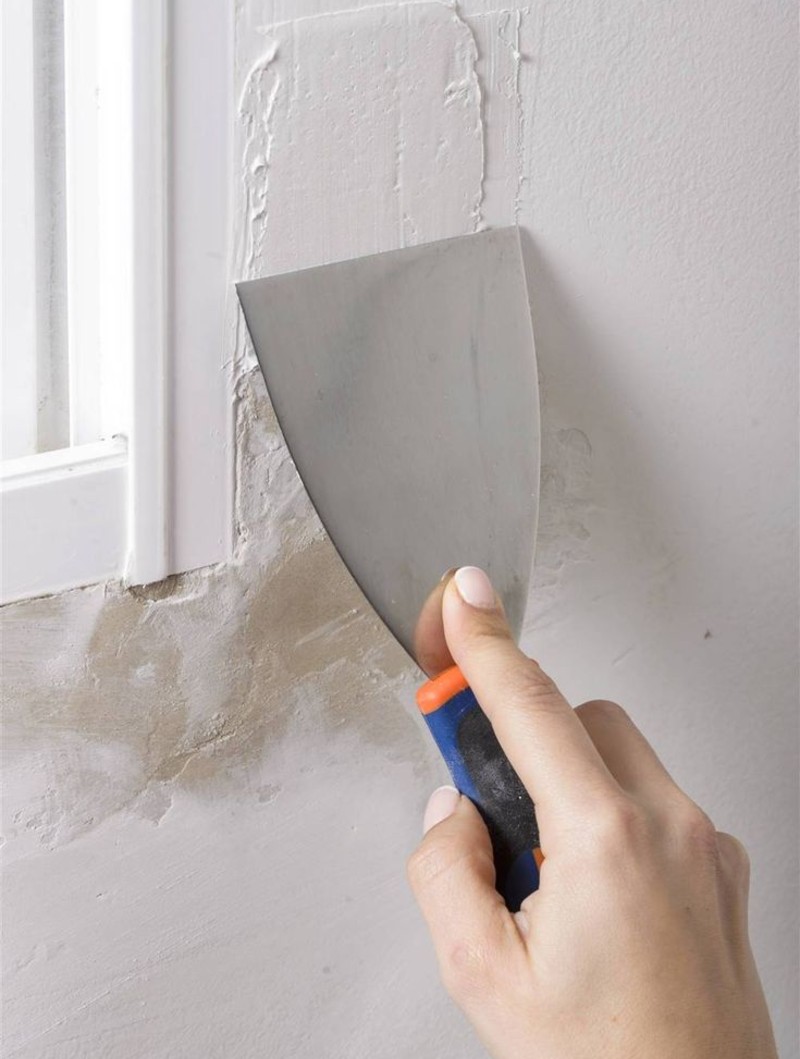
Patching holes, fixing cracks, and texturing walls are essential skills. Small repairs cost $100-200 professionally but require only basic materials and patience to complete yourself.
5. Tile Installation

Bathroom and kitchen tile work offers substantial savings. Proper measuring, cutting, and grouting techniques can transform spaces affordably. Start with smaller projects to build confidence.
6. Weatherproofing Solutions

Caulking windows, sealing gaps, and weatherstripping doors improve energy efficiency while preventing costly damage. These preventive measures pay dividends through reduced utility bills and maintenance needs.
7. Cleaning gutters and inspecting roofs

Regular gutter maintenance prevents water damage, costing thousands in repairs. Clean gutters twice yearly, checking downspouts for blockages.
Basic roof inspections identify loose shingles, damaged flashing, and potential leaks before they become major problems. Use proper ladder safety and consider professional help for steep or high roofs.
8. Basic Carpentry

Measuring accurately and using a saw or drill for simple projects like shelves or frames cuts labor expenses. Pre-cut materials from hardware stores simplify the process.
By mastering these skills, homeowners can tackle minor renovations independently, significantly reducing contractor fees.
How to Plan Your DIY Home Renovation

i. Identify the main goal: increasing home value or enhancing aesthetics.
ii. Prioritize areas that need attention.
iii. Set clear objectives to avoid unnecessary expenses.
iv. Determine your total budget, including:
v. Materials, Tools, Permits
vi. Unexpected costs
vii. Allocate funds for each task. Keep a 10-20% buffer for unforeseen expenses.
viii. Compare prices from different suppliers.
FAQs:
1. What are the most cost-effective DIY repairs every homeowner should learn?
Basic plumbing (fixing leaks, unclogging drains). Drywall patching (filling holes, cracks). Electrical fixes (replacing outlets, switches).Furniture & appliance maintenance (tightening screws, lubricating hinges).
2. How can I avoid making costly mistakes during DIY repairs?
Turn off water/power before working on plumbing or electrical systems. Use the right tools (e.g., voltage tester, pipe wrench). Follow instructions carefully (watch tutorials, read manuals). Know when to call a pro (for gas lines, major electrical work).
3. What tools should I always have for basic home repairs?
You must have a Hammer, screwdrivers, an adjustable wrench, pliers, a utility knife, tape measure. Helpful Cordless drill, level, stud finder, plunger, caulk gun, and safety gear.
4. How do I know if a repair is too complex for DIY?
Structural issues (foundation cracks, roof damage). Major electrical/gas work (panel upgrades, gas leaks). Permit-required projects (load-bearing walls, major plumbing changes). When safety is at risk (mold removal, asbestos handling).