A sunny yard doesn’t have to mean dead flowers. Studies show that many flowering plants, like coneflowers and foxglove, actually grow stronger and bloom brighter in direct sunlight. As horticulturist Liberty Hyde Bailey once said, “A garden requires patient labor and attention.
Plants do not grow merely to satisfy ambitions but to fulfill their nature.” We’ve picked the toughest, most colorful flowers that love the heat. From drought-resistant perennials to fast-growing annuals, these full sun flower bed ideas will save you time and frustration. You’ll discover low-maintenance options, smart layouts, and clever tricks to keep your garden lush all season.
Ready to transform that sunny spot? Let’s get started with 19 easy, Full Sun Flower Bed Ideas that work, no green thumb required.
19 Must-See Full Sun Flower Bed Ideas That Will Blow Your Mind

1. BOXWOOD

These classic evergreen shrubs have earned their place in sunny garden beds through centuries of reliable performance. Boxwoods (Buxus spp.) bring structure and year-round interest to spaces without winter appeal. Their dense growth habit makes them natural choices for formal hedging or as standalone specimens.
Many gardeners assume boxwoods need shade, but most varieties thrive with full sun exposure when properly established. The key lies in consistent moisture during the first two years. Water deeply rather than frequently to encourage deep root development. Once established, these sturdy plants handle heat and drought with minimal complaint.
For sunny locations, consider varieties bred specifically for heat tolerance. ‘Green Velvet’ maintains excellent color without bronzing, while ‘Winter Gem’ stands up to both summer intensity and cold exposure. Regular mulching helps moderate soil temperature and conserves vital moisture during hot spells.
USDA Growing Zones: 5 to 8 (varies by variety)
Mature Size: 2 to 15 feet tall and wide (depending on cultivar)
Sun Exposure: Full sun to part shade
Soil: Well-draining, slightly acidic to neutral
2. DAYLILY
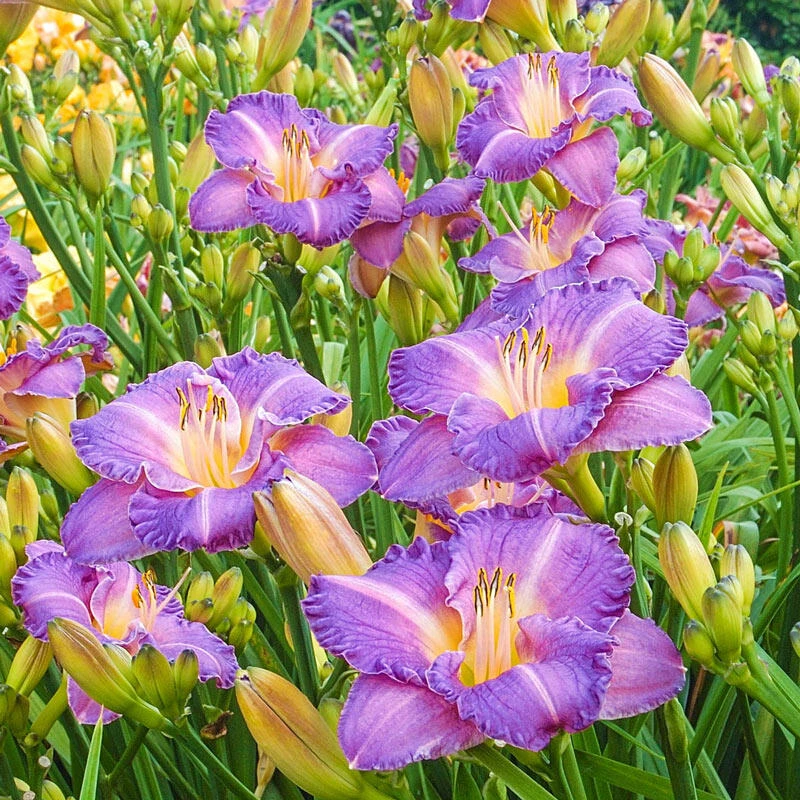
Sunshine transforms daylilies into garden powerhouses that deliver weeks of spectacular blooms with minimal maintenance. These adaptable perennials (Hemerocallis spp.) laugh at challenging conditions that would stress lesser plants, making them foundation pieces for sunny borders across nearly all climate zones.
Each blossom lasts just one day—hence the name—but established clumps produce dozens of flower stalks in succession, creating continuous color throughout summer. Modern hybridizers have expanded the palette beyond traditional oranges and yellows to include near-whites, purples, pinks, and rich burgundies.
Beginners find these plants particularly rewarding due to their forgiving nature. They tolerate clay soil, resist most pests, and survive occasional neglect with grace. Simply cut back dead foliage in late fall or early spring and divide overcrowded clumps every few years to maintain vigor.
USDA Growing Zones: 3 to 9
Mature Size: 1 to 4 feet tall with a similar spread
Sun Exposure: Full sun (tolerates light afternoon shade)
Soil: Adaptable to most soil types, prefers well-draining soil
3. FOXGLOVE
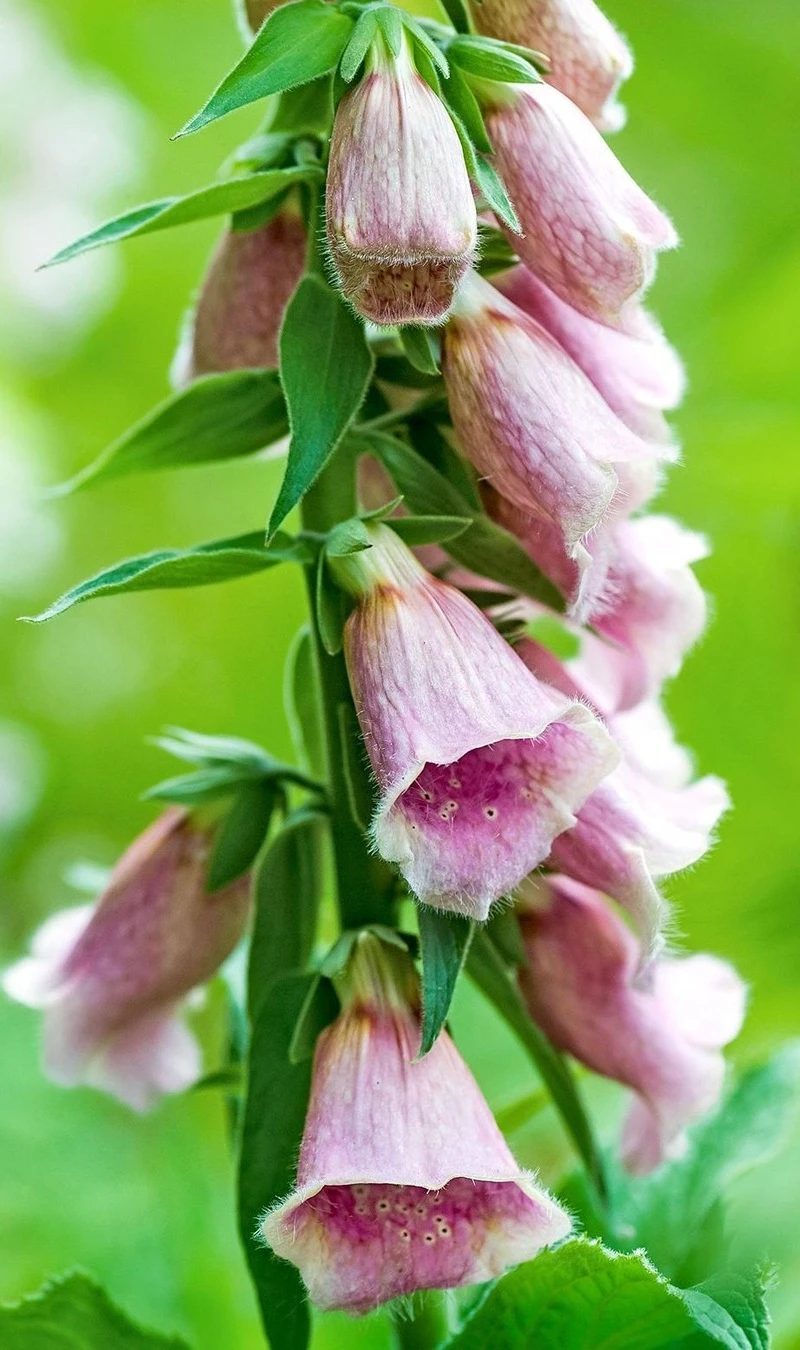
These dramatic biennials create unforgettable vertical statements with their tall flower spires. Foxgloves (Digitalis spp.) produce tubular blooms arranged in sequential order along sturdy stems, opening from bottom to top over several weeks. Hummingbirds and bumblebees find the tubular flowers irresistible, making them wildlife-friendly additions to sunny spots.
Contrary to common belief, many foxglove varieties thrive in full sun provided they receive adequate moisture. Morning sunshine with afternoon light shade represents their sweet spot in hotter regions. Their self-seeding habit means a single planting often leads to years of returning plants in unexpected garden locations.
Numerous varieties offer color options beyond traditional purple-pink. ‘Camelot Cream’ produces soft butter-yellow blooms, while ‘Pam’s Choice’ features white flowers with dramatic burgundy spotted throats. Perennial foxglove species like Digitalis grandiflora return reliably for years rather than following the biennial pattern.
USDA Growing Zones: 4 to 10 (varies by species)
Mature Size: 2 to 5 feet tall, 1 to 2 feet wide
Sun Exposure: Full sun to partial shade
Soil: Rich, well-draining, slightly acidic
4. SEDUM
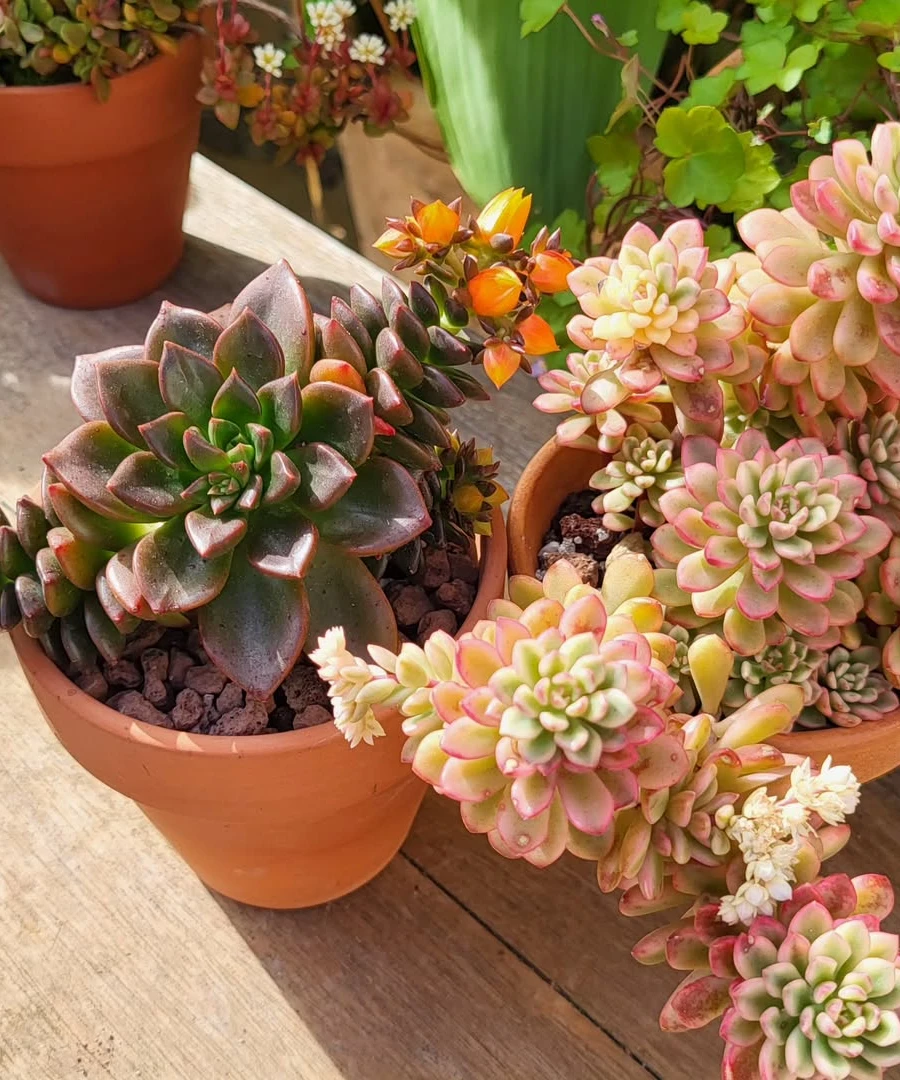
These succulent perennials transform harsh sunshine into spectacular garden displays with minimal water requirements. Sedums (Sedum spp.) store moisture in fleshy leaves and stems, allowing them to sail through drought periods that would devastate thirstier plants.
Gardeners can choose from two distinct growth habits to suit various garden needs. Low-growing varieties form living carpets that suppress weeds and spill attractively over walls and container edges. Upright types like ‘Autumn Joy’ create strong vertical elements, developing broad flower heads that transition from pale green to pink to russet as seasons progress.
Wildlife value adds another dimension to sedum appeal in sunny gardens. Pollinators swarm to the nectar-rich blooms in late summer when many other flowers have finished. Later, birds visit to harvest seeds from dried flower heads, creating garden activity during otherwise quiet months.
USDA Growing Zones: 3 to 9 (varies by variety)
Mature Size: 3 inches to 3 feet tall, 6 inches to 2 feet wide
Sun Exposure: Full sun
Soil: Well-draining, can tolerate poor soils
5. WHITE PHLOX

Tall garden phlox (Phlox paniculata) brings cottage garden charm and intoxicating fragrance to sunny flower beds. White varieties hold special appeal, glowing with particular brilliance during evening hours and creating stunning moonlight gardens that take on magical qualities at dusk.
Summer borders benefit tremendously from these long-blooming perennials. Flowering continues for weeks without deadheading, though removing spent blooms encourages secondary flush in late season. The vanilla-clove scent intensifies in evening hours, drawing sphinx moths and other beneficial night pollinators.
Good air circulation helps prevent powdery mildew, the primary challenge when growing phlox. Choose resistant varieties like ‘David’ (a Perennial Plant Association Plant of the Year winner) and space plants generously. Morning watering allows foliage to dry completely before night, further reducing disease pressure.
USDA Growing Zones: 4 to 8
Mature Size: 2 to 4 feet tall, 2 to 3 feet wide
Sun Exposure: Full sun to light afternoon shade
Soil: Rich, moist, well-draining with consistent moisture
6. ZINNIA

These vibrant summer annuals deliver explosive color and endless cutting flowers throughout the hottest months of the year. Zinnias (Zinnia elegans) rank among the easiest flowers to grow from seed, making them budget-friendly options for filling large sunny spaces with bold blooms.
Many gardeners start with classic varieties like ‘State Fair’ and ‘California Giant’ that produce large, dahlia-like flowers in nearly every color except blue. Newer options include the ‘Profusion’ series with smaller, disease-resistant blooms that don’t require deadheading, and the charming ‘Zahara’ series that stands up remarkably well to heat and humidity.
Birds and butterflies flock to these sun-loving flowers, especially as the season progresses. Goldfinches particularly appreciate the seeds that form after flowering. Cut flowers regularly to encourage more blooms and enjoy long-lasting bouquets indoors. A simple solution of one part vinegar to three parts water extends vase life considerably.
USDA Growing Zones: Annual in most areas, perennial in zones 9-11
Mature Size: 6 inches to 4 feet tall, depending on variety
Sun Exposure: Full sun
Soil: Average, well-draining soil
7. HOSTA
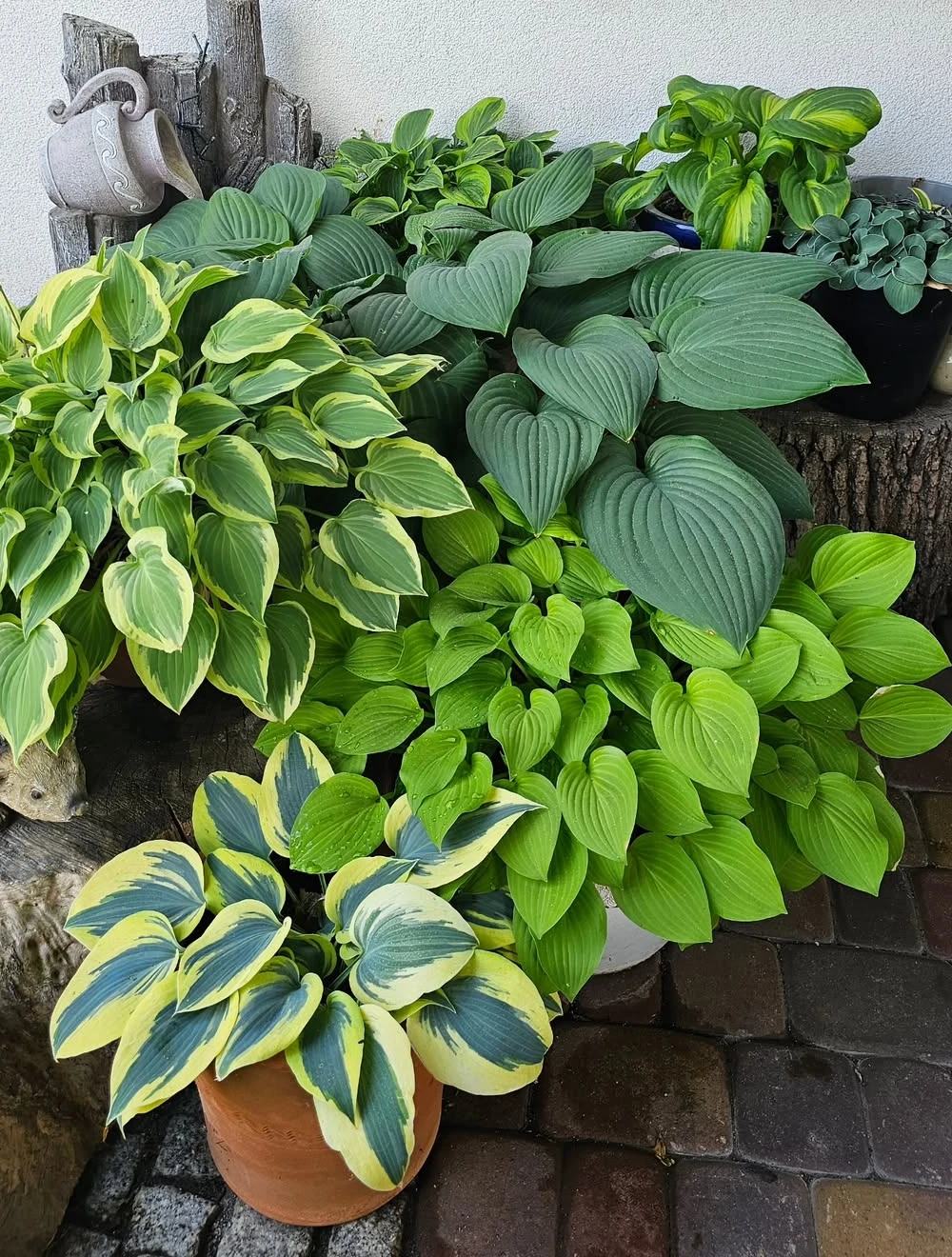
Contrary to popular belief, certain hosta varieties (Hosta spp.) thrive in full sun locations when given sufficient moisture. These versatile perennials bring exceptional foliage interest to garden beds with their broad, often variegated leaves that emerge fresh each spring from underground rhizomes.
Sun-tolerant varieties typically feature thicker, more substantial leaves that resist burning. ‘Sum and Substance’ showcases enormous chartreuse leaves that brighten shady corners but also handle surprising amounts of direct sunlight. ‘Liberty’ sports blue-green leaves with creamy white margins that hold their color well regardless of light exposure.
Hostas contribute more than just foliage to sunny garden beds. Tall flower spikes emerge in summer, carrying bell-shaped blooms in white or lavender that attract hummingbirds and other pollinators. These blooms can be left for architectural interest or removed to focus energy on foliage production.
USDA Growing Zones: 3 to 9
Mature Size: 6 inches to 3 feet tall, 1 to 6 feet wide
Sun Exposure: Part shade to full sun (select varieties)
Soil: Rich, moist, well-draining
8. HELLEBORE
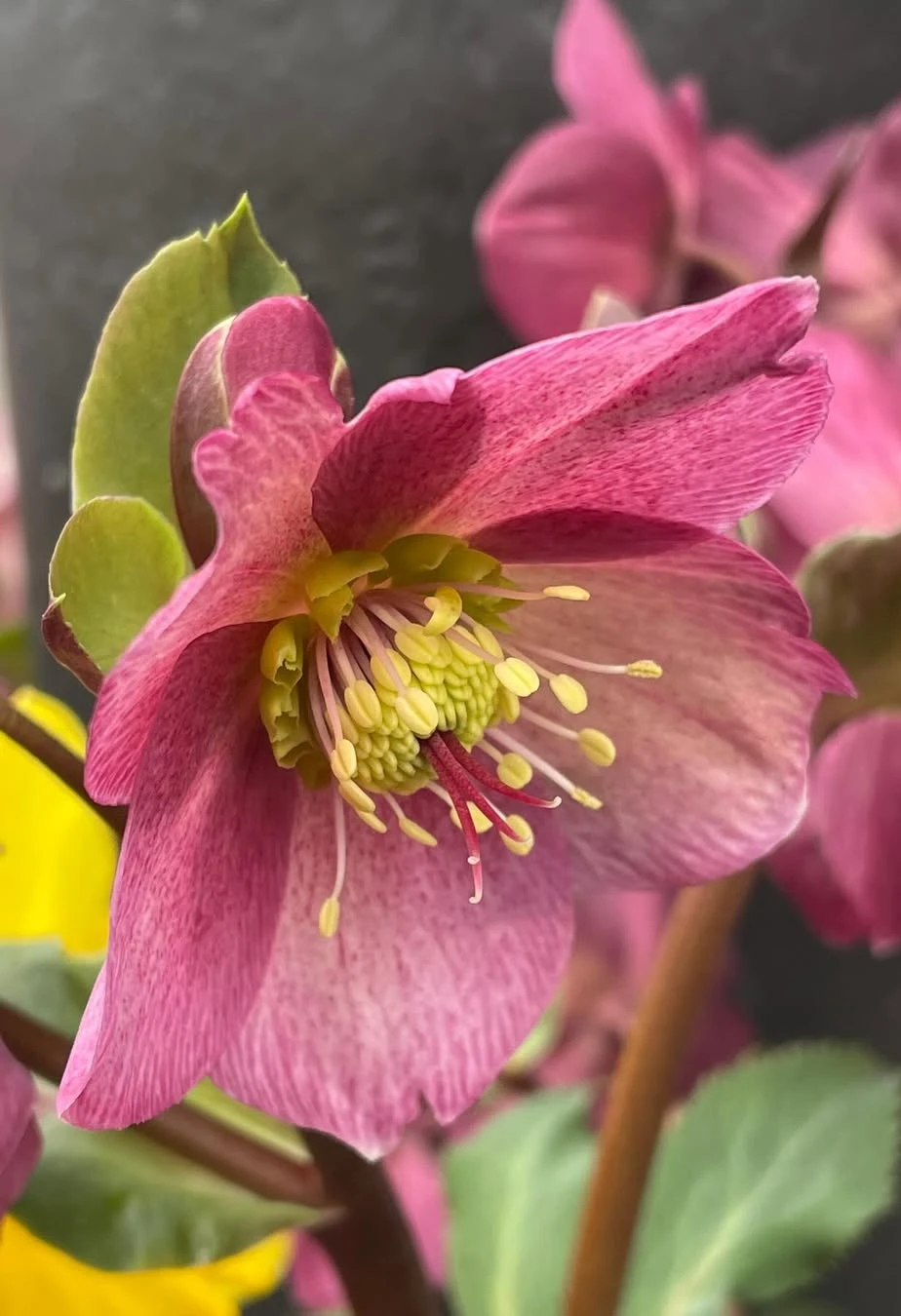
Early-blooming hellebores (Helleborus spp.) bring welcome color to gardens when few other plants show signs of life. Often called Lenten roses because they bloom around the Christian observance of Lent, these tough evergreen perennials offer subtle sophistication with their nodding, cup-shaped flowers.
Traditional gardening wisdom places hellebores in shade, but many varieties happily grow in morning sun with afternoon shade, especially in cooler climates. Breeding breakthroughs have produced stunning color options beyond the traditional greenish-white, including yellows, pinks, purples, and nearly black shades. Some newer varieties feature double flowers that resemble tiny roses.
Maintenance remains remarkably simple with these long-lived plants. Remove tattered leaves in late winter just before new flowers emerge to showcase the blooms and reduce disease potential. The leathery foliage naturally repels deer and rabbits, making hellebores valuable additions to gardens plagued by browsing wildlife.
USDA Growing Zones: 4 to 9
Mature Size: 12 to 18 inches tall, 18 to 24 inches wide
Sun Exposure: Part shade to full shade (morning sun tolerated)
Soil: Rich, moist, well-draining, slightly alkaline
9. SNAPDRAGONS

These beloved cottage garden flowers create vertical interest with their tower-like bloom spikes. Snapdragons (Antirrhinum majus) produce flowers in nearly every color imaginable along sturdy stems. Children love making the dragon-mouth blooms “talk” by gently squeezing the sides, adding interactive fun to the garden experience.
Sun exposure brings out the strongest performance from snapdragons, especially during spring and fall. During hottest summer periods, flower production might slow temporarily before resuming as temperatures moderate. Cutting spent flower spikes encourages branching and additional bloom cycles throughout the growing season.
Various height classifications make snapdragons adaptable to different garden roles. Dwarf varieties like ‘Floral Showers’ work beautifully along borders, while tall types such as ‘Rocket’ create dramatic background plantings reaching 3 feet. Consider ‘Chantilly’ for open-faced flowers that attract more pollinators than traditional closed types.
USDA Growing Zones: Annual; perennial in zones 9 to 11
Mature Size: 6 inches to 3 feet tall (classification dependent)
Sun Exposure: Full sun
Soil: Rich, well-draining
10. YARROW
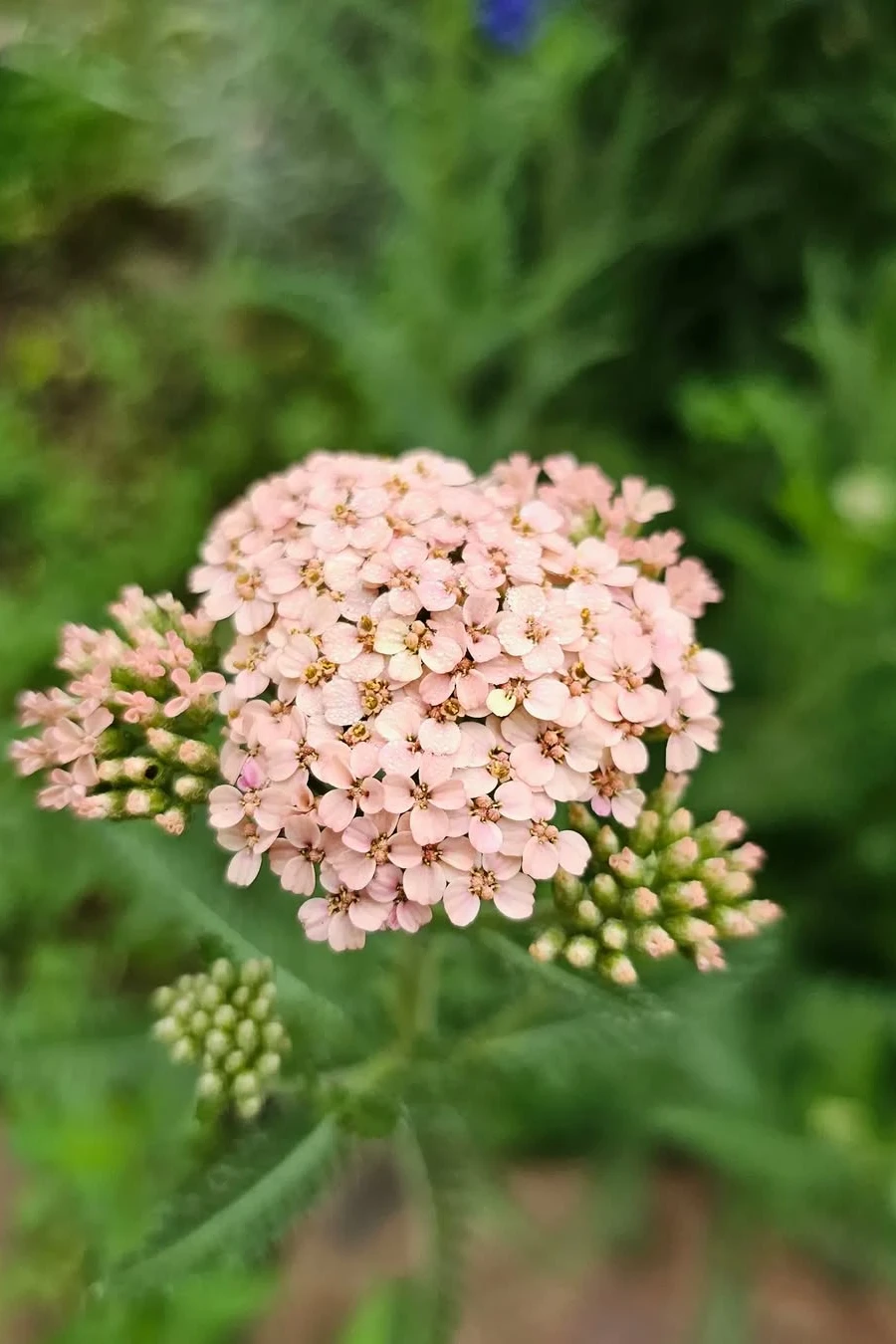
Few perennials match yarrow (Achillea millefolium) for toughness in challenging sunny locations. This native plant combines ferny, aromatic foliage with flat-topped flower clusters that seem to float above the garden like colorful clouds. The flowers attract beneficial insects that help control garden pests naturally.
Modern breeding has expanded the traditional white and yellow palette to include salmon, red, pink and even burgundy options. ‘Moonshine’ remains a favorite with its bright sulfur-yellow flowers and silvery foliage, while ‘Terracotta’ offers sunset orange-bronze tones that mature to copper for extended seasonal interest.
Drought tolerance makes yarrow an exceptional choice for low-water gardens or locations that receive minimal care. The flowers dry beautifully right on the plant, holding their structure and much of their color for weeks. Cut stems when they first open fully for longest-lasting dried arrangements.
USDA Growing Zones: 3 to 9
Mature Size: 18 to 36 inches tall, 24 to 30 inches wide
Sun Exposure: Full sun
Soil: Average to poor, well-draining; tolerates rocky soil
11. COREOPSIS
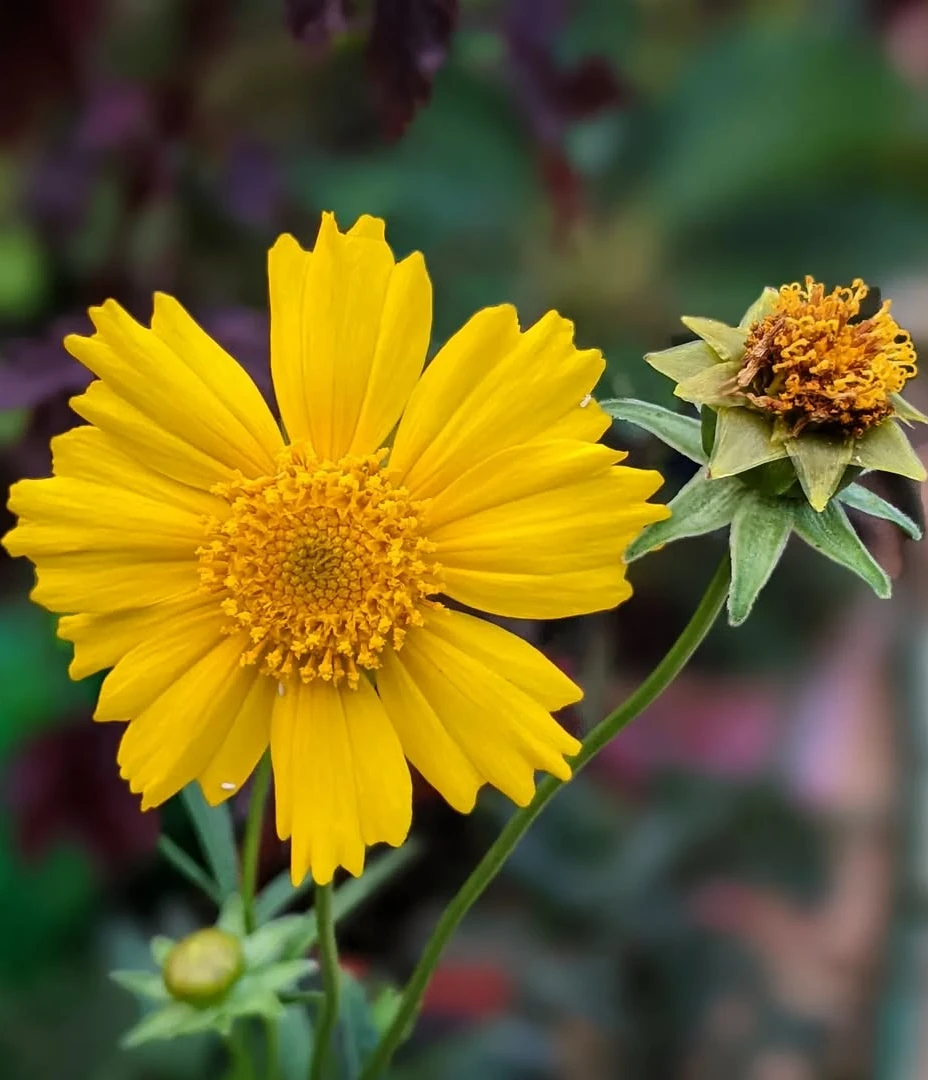
Commonly called tickseed, these cheerful native perennials (Coreopsis spp.) deliver waves of daisy-like blooms throughout summer with minimal care. The bright yellow, orange, or bicolor flowers stand atop slender stems, creating a light, airy effect in sunny borders and meadow-style plantings.
Butterflies and beneficial insects flock to the simple, open flowers that produce nectar in abundance. Newer cultivars like ‘Moonbeam’ offer softer, lemon-yellow tones that blend easily with other garden colors, while ‘Zagreb’ maintains a more compact habit suitable for smaller spaces. Cutting spent blooms promptly encourages additional flowering cycles throughout the growing season.
Gardeners appreciate the drought tolerance once plants establish strong root systems. Annual types grow quickly from seed and bloom within weeks, while perennial varieties return reliably for years. Both forms self-seed modestly, creating welcome volunteers that can be easily relocated or shared with friends.
USDA Growing Zones: 4 to 9 (varies by species)
Mature Size: 12 to 36 inches tall, with a similar spread
Sun Exposure: Full sun
Soil: Well-draining, tolerates poor soil
12. SHASTA DAISY
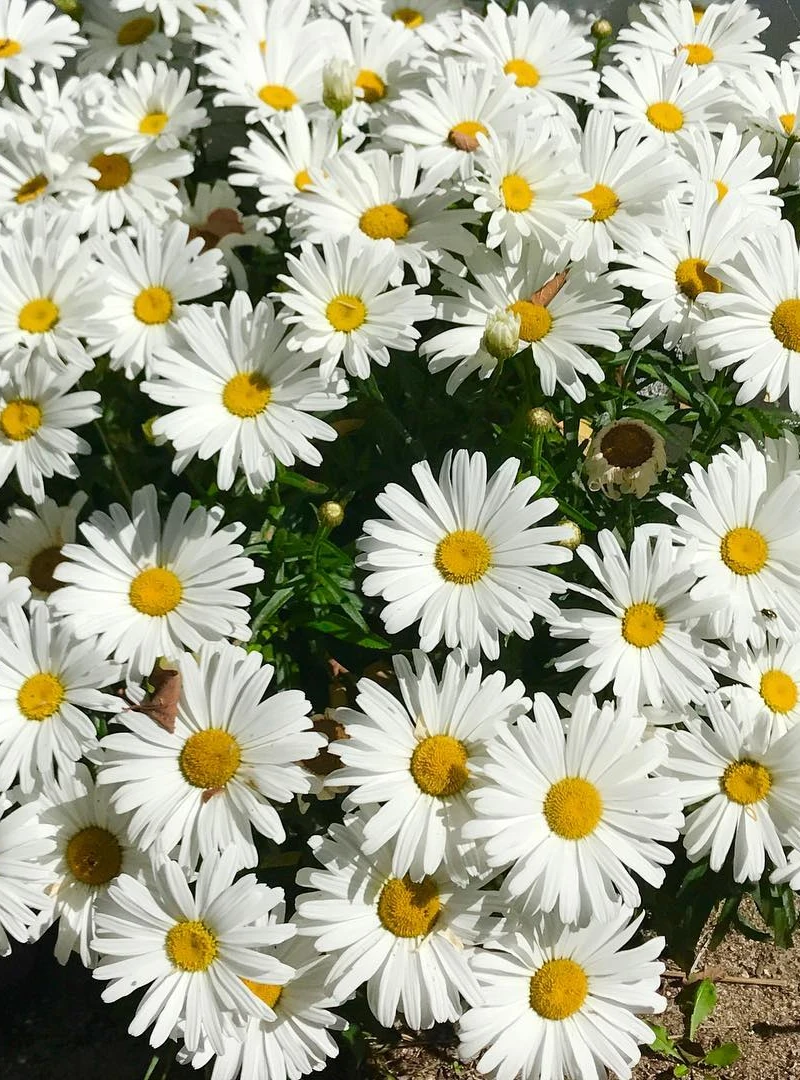
These classic white daisies (Leucanthemum x superbum) bring cottage garden charm and reliable summer blooms to sunny flower beds. The familiar flowers feature pristine white petals surrounding golden yellow centers, creating a timeless look that complements virtually any garden style from formal to wildly casual.
Breeding improvements have expanded the basic form to include varieties with frilled or quilled petals, double blooms resembling small chrysanthemums, and even some with a pale yellow tint. ‘Becky’ remains popular for its sturdy stems that rarely require staking, while ‘Crazy Daisy’ offers fully double blooms with twisted petals for added texture.
Pollinators adore these simple flowers, especially smaller native bees and hover flies that can easily access the open centers. Cut flowers last exceptionally well in arrangements, often maintaining freshness for over a week. For continued blooming, remove spent flowers promptly and provide supplemental water during prolonged drought.
USDA Growing Zones: 5 to 9
Mature Size: 1 to 3 feet tall, 1 to 2 feet wide
Sun Exposure: Full sun
Soil: Average, well-draining
13. BEGONIA

Though often associated with shade, numerous begonia varieties thrive in full morning sun or filtered afternoon light. These versatile plants (Begonia spp.) offer continuous color from spring until frost through both their flowers and often their foliage, making them valuable additions to sunny garden spaces.
Fibrous-rooted types like the ‘Dragon Wing’ series handle heat and sun remarkably well, producing cascades of blooms in red, pink, or white. Their glossy leaves remain attractive even when not flowering. Newer introductions like the ‘Whopper’ series grow substantially larger than older varieties, creating dramatic statements in beds or containers.
Tuberous begonias showcase more elaborate, often double blooms resembling roses or carnations in a rainbow of color options. These showstoppers perform beautifully in morning sun locations that receive afternoon shade, especially in regions with moderate summer temperatures. Regular watering keeps plants blooming continuously without pause.
USDA Growing Zones: Annual in most areas, perennial in zones 9-11
Mature Size: 8 to 30 inches tall, 8 to 24 inches wide
Sun Exposure: Full morning sun to part shade
Soil: Rich, moist, well-draining
14. ALYSSUM

Sweet alyssum (Lobularia maritima) creates clouds of tiny, honey-scented flowers that soften garden edges and spill attractively from containers. These low-growing annuals bloom prolifically in cool weather, making them excellent choices for spring and fall gardens in warmer regions or all-season performers in milder climates.
The traditional white varieties like ‘Snow Princess’ brighten any planting combination, while newer introductions offer purple, pink and even peachy tones. Modern hybrids show significantly improved heat tolerance compared to older types. ‘Snow Princess’ and other sterile cultivars continue flowering without pause through summer heat that would cause traditional varieties to take a blooming break.
Beneficial insects appreciate the abundant nectar produced by these tiny blooms. Hover flies particularly favor alyssum, laying eggs nearby so their larvae can feast on aphids and other garden pests. Shearing plants back by half when flowering slows promotes fresh growth and renewed bloom cycles throughout the growing season.
USDA Growing Zones: Annual in most areas, perennial in zones 9-11
Mature Size: 3 to 6 inches tall, 6 to 12 inches wide
Sun Exposure: Full sun to light shade
Soil: Average, well-draining
15. MARIGOLD

These versatile annual flowers bring bursts of gold, orange, and yellow to any sunny garden space. Marigolds (Tagetes spp.) offer remarkable heat tolerance while providing continuous blooms from spring until fall frost. Their distinctive scent naturally repels many garden pests, making them functional as well as beautiful companions to vegetable gardens.
Growing marigolds requires almost no special attention beyond regular watering during establishment. Afterward, they become surprisingly drought tolerant while continuing to produce abundant flowers. Deadheading spent blooms encourages fresh flowering throughout the season, though many newer varieties are self-cleaning.
Several types exist for different garden needs. French marigolds stay compact and bushy, while African varieties grow taller with larger blooms. Signet marigolds offer delicate, edible flowers with a citrusy taste that chefs love for salad garnishes. Try ‘Durango Red’ for fiery color or ‘Lemon Gem’ for softer, more subtle beauty.
USDA Growing Zones: Annual in most regions
Mature Size: 6 inches to 3 feet tall (variety dependent)
Sun Exposure: Full sun
Soil: Well-draining, tolerates poor soil
16. CALENDULA

These cheerful flowers have graced sunny gardens for centuries, valued for both ornamental qualities and medicinal properties. Calendula (Calendula officinalis) produces abundant daisy-like blooms in sunny yellow and orange shades from spring through fall in many regions. Their ability to self-seed means you’ll often find volunteer plants appearing in unexpected garden spots.
Growing calendula couldn’t be simpler. Scatter seeds directly in the garden after frost danger passes, then watch them quickly germinate and bloom within weeks. Regular harvesting encourages more flower production, so pick freely for both garden beauty and household use. Many gardeners dry the petals for homemade salves and teas.
Try ‘Fiesta Gitana’ for compact plants with varied flower colors, or ‘Resina’ for flowers with higher resin content prized in herbal preparations. Let some plants set seed at season’s end to ensure next year’s volunteers. Calendula pairs beautifully with blue flowers like bachelor’s buttons for striking color combinations.
USDA Growing Zones: Annual; perennial in zones 9 to 11
Mature Size: 12 to 24 inches tall and wide
Sun Exposure: Full sun
Soil: Average, well-draining
17. GAURA
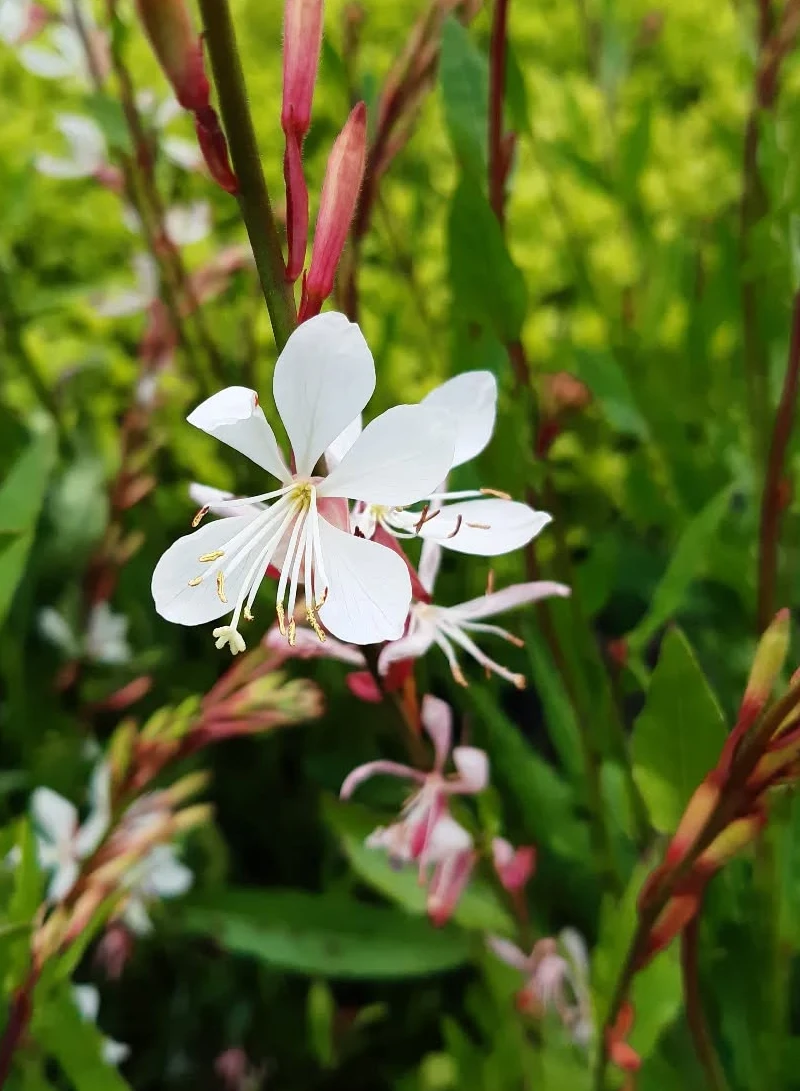
Often called whirling butterflies, this North American native (Gaura lindheimeri) creates a cloud of delicate white or pink flowers that dance in the slightest breeze. The airy flower stalks rise above basal rosettes of dark green leaves, creating movement and lightness in otherwise static garden beds.
Blooming begins in early summer and continues without pause until frost if plants receive adequate moisture. The white-flowered varieties like ‘Whirling Butterflies’ seem to glow at dusk, extending garden enjoyment into evening hours. Pink forms such as ‘Siskiyou Pink’ offer warmer tones that blend beautifully with purple and blue companion plants.
Wildlife value adds another dimension to Gaura’s garden appeal. The nectar-rich flowers attract numerous butterflies and beneficial insects throughout the growing season. Hummingbirds frequently visit the tubular blooms, especially in the morning and evening.
Established plants show remarkable drought tolerance thanks to their deep taproot. This same root structure makes transplanting challenging, so select planting locations thoughtfully. Light, sandy soils produce the most floriferous specimens, while heavy clay can lead to winter losses in colder regions.
USDA Growing Zones: 5 to 9
Mature Size: 2 to 3 feet tall, 2 to 3 feet wide
Sun Exposure: Full sun
Soil: Well-draining, tolerates poor soil
18. LANTANA
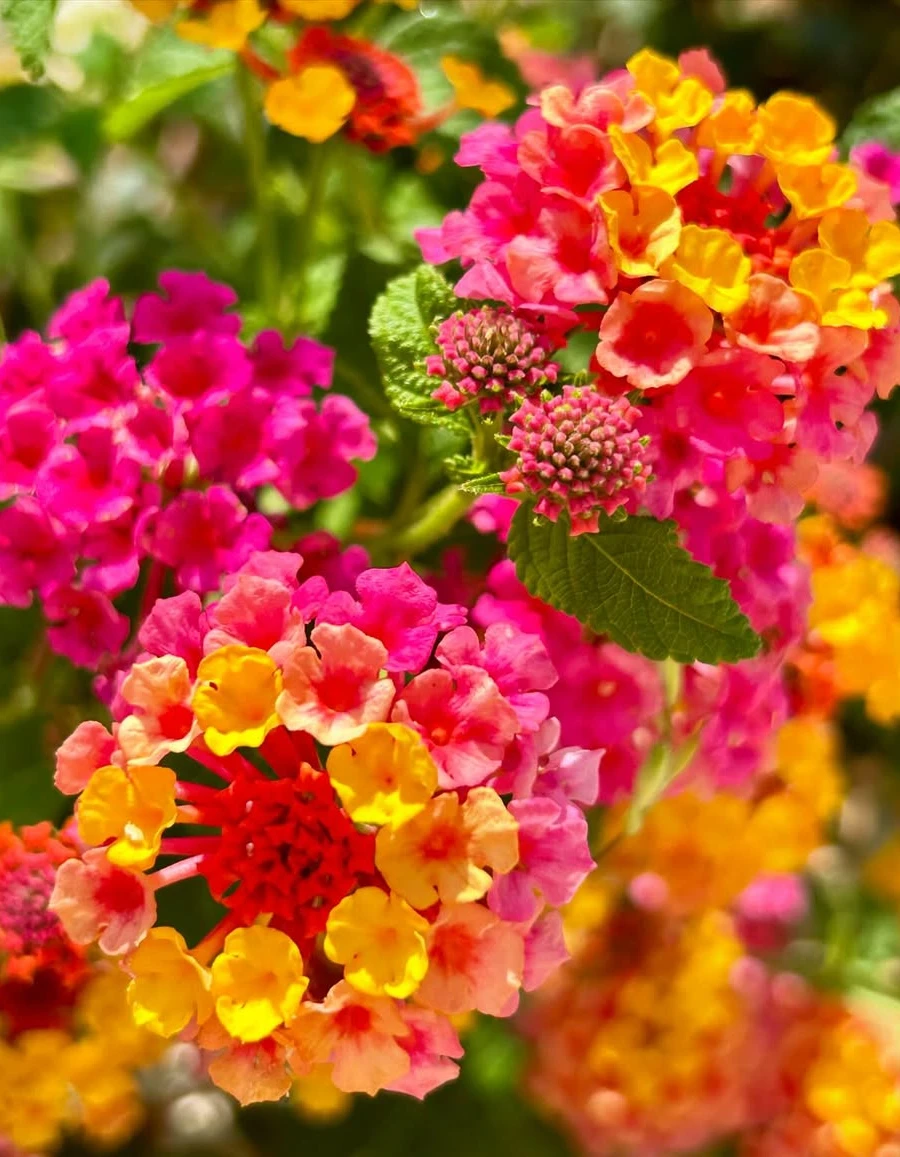
Few flowering plants match lantana (Lantana camara) for sheer heat tolerance and non-stop blooming in challenging sunny locations. The multi-colored flower clusters continually produce new florets from the outside in, often showcasing several colors simultaneously on each cluster as they mature.
Butterflies find these flat-topped flower heads irresistible, landing easily to sip nectar from the countless tiny tubular blooms. Hummingbirds frequently visit as well, especially varieties with red or orange coloration. Common cultivars include ‘Radiation’ with its golden yellow flowers that mature to deep orange-red, and ‘Miss Huff’, which shows superior cold hardiness compared to other selections.
Maintenance remains minimal with these tough plants. No deadheading is required for continuous flowering, though an occasional light shearing promotes fresh growth and renewed vigor. Morning watering helps prevent powdery mildew issues that sometimes develop in humid regions.
Garden centers typically sell lantana as annuals in cooler regions, though gardeners in zones 8 and warmer can enjoy them as returning perennials. The woody stems may die back to ground level after frost but resprout vigorously from the roots when soil temperatures warm in spring.
USDA Growing Zones: 8 to 11, grown as annuals elsewhere
Mature Size: 2 to 6 feet tall and wide (varies by variety)
Sun Exposure: Full sun
Soil: Average, well-draining
19. CONEFLOWERS

These native perennials have transformed from prairie wildflowers into garden superstars. Coneflowers (Echinacea spp.) combine architectural interest with remarkable durability in hot, sunny locations. Their distinctive raised centers surrounded by downward-facing petals create a silhouette unlike anything else in the summer garden.
Gardeners appreciate how coneflowers stand strong through summer heat waves without wilting. Once established, they rarely need supplemental water except during extreme drought. The flowers last for weeks, gradually transforming into seed heads that attract goldfinches and other birds throughout fall and winter.
Modern breeding has expanded the traditional purple palette to include white, yellow, orange, red, and even green-flowered varieties. ‘Magnus’ delivers the classic purple-pink color in abundance, while ‘Sombrero Baja Burgundy’ offers rich wine-red blooms that don’t fade. Group several plants together for the greatest visual impact and butterfly appeal.
USDA Growing Zones: 3 to 9
Mature Size: 2 to 4 feet tall, 1 to 2 feet wide
Sun Exposure: Full sun
Soil: Well-draining, tolerates clay