
Waking up to overturned trash cans and dug-up lawns isn’t just frustrating; it’s a sign raccoons have claimed your yard as their personal buffet. These clever bandits are more than a nuisance; they damage property, spread disease, and disrupt your peace. Their nocturnal habits and smart adaptability make them tough to eliminate once they’ve found a reliable food source.
We provide proven, humane methods to get raccoons out and keep them out for good. You’ll learn how to identify their activity, use immediate deterrents tonight, and build long-term prevention strategies that work with current 2025 regulations.
We’ll cover everything from simple humane raccoon deterrents to when it’s time to call for professional raccoon removal. You’ll get actionable steps to fix raccoon yard damage and protect your space.
How to Get Rid of Raccoons in Your Yard
1. Why Raccoons Invade Your Yard and the Problems They Cause

Raccoons don’t target your yard out of malice; they’re just opportunistic survivors seeking easy meals, water, and shelter. Your property might be offering all three without you realizing it.
Food sources like unsecured trash cans, pet food left outdoors, and grub-infested lawns are prime attractants. In fact, just five grubs per square foot can draw raccoons to your lawn, even if the grass looks healthy.
Water access from birdbaths, leaky faucets, or ponds also invites them, as raccoons need hydration and often “wash” their food. Shelter opportunities, such as under decks, in sheds, or attics, provide safe dens for resting and raising young.

The problems they cause go beyond nuisance. Property damage includes torn sod rolled back like carpet (as they hunt for grubs), ravaged gardens, and structural compromises from roof vents to chimney entries. Health risks are even more serious:
Rabies transmission through bites or scratches.
Raccoon roundworm (Baylisascaris procyonis), found in 70% of raccoon feces, can cause severe neurological harm if inhaled or ingested.
Leptospirosis from urine-contaminated soil or water, leading to kidney or liver issues.

Seasonal behavior intensifies these issues. Spring foraging supports nursing mothers, while fall activity peaks as raccoons fatten up for winter.
Watch for signs of infestation: hand-like tracks, latrines (communal dung piles), and nighttime noises like scratching or vocalizations.

Quick win: Secure trash cans tonight with bungee cords and remove pet food bowls. This simple step cuts off easy meals and discourages return visits. Remember, raccoons can recall food locations for up to three years, so consistency is key.
2. How to Identify Raccoon Activity in Your Yard
Wondering if that nighttime rustling is a raccoon? You don’t always need to see the animal itself. These clever critters leave behind clear calling cards. Learning to spot them is your first step to taking back your yard.
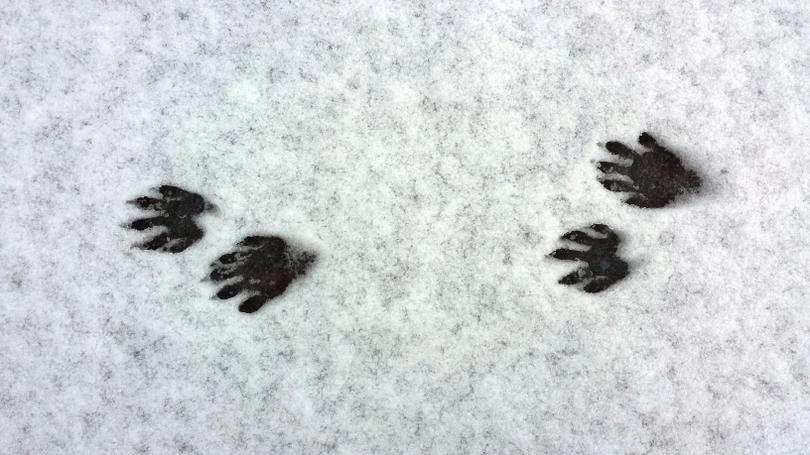
Start by looking down. Raccoon tracks are a dead giveaway. They have tiny human handprints, about 2-3 inches wide, with five long toes and claws. You’ll often see them in mud, soft soil, or on dusty surfaces. Front paws leave more hand-like prints, and hind paws look longer.

Next, watch for their latrines. A raccoon latrine is a specific area they use repeatedly as a bathroom. You’ll find piles of droppings that are dark, cylindrical, and about 2-3 inches long with blunt ends. Crucial warning: Never handle droppings without gloves and a mask, as they can contain dangerous roundworm eggs.
Now, check your lawn and garden for damage patterns. Did you wake up to sections of your sod rolled back like a carpet? This is a classic sign that they were digging for grubs. You might also find small, cone-shaped holes in your garden where they’ve probed for insects.
Listen up, too. Nocturnal sounds between 1-4 AM are a major clue. You might hear scratching, heavy thumping on the roof, or chattering and whining sounds. If your trash cans sound like they’re being wrestled by a bear at midnight, it’s likely a raccoon.

Use technology. A motion-activated trail camera is your best tool. Place it near suspected entry points or the trash cans. For detecting latrines and urine stains that are invisible to the naked eye, a UV blacklight flashlight can make them glow. This is a pro tip for thorough raccoon identification.
Quick win: Grab a flashlight and check for tracks around muddy areas or your trash cans first thing in the morning. This simple check gives you instant confirmation.
3. Immediate Actions to Take When You Spot Raccoons

Your first move is always safety first. Raccoons are wild animals and can be defensive, especially if sick or cornered. They represent nearly 30% of reported wild rabies cases in the U.S. Keep a safe distance. Never approach or try to handle one. Immediately bring your pets and children inside to eliminate any chance of a dangerous encounter.
Next, cut off the buffet. Remove immediate food and water sources. If the raccoon is currently at your trash can, wait for it to leave, then securely lock the lid. Bring in any outdoor pet food bowls and remove fallen birdseed. This step removes the reason it’s hanging around, encouraging it to move on.

You can also use temporary deterrents to scare it off. From a safe distance indoors, flick your porch lights on and off or make loud noises. Bang pots together or yell. For a hands-off approach, motion-activated lights or sprinklers can startle them and encourage a quick exit. These are great quick wins for immediate raccoon removal.
Know when to call for backup. Professional raccoon removal is essential if you see signs of illness (staggering, disorientation, vocalizing during the day), if there are multiple raccoons, or if you spot a mother with kits. Mother raccoons with kits virtually guarantee a den on-site, and removing them requires special care. Professionals have the right tools and expertise to handle this safely.

Always remember legal considerations. Before considering traps, check your local wildlife regulations. For example, Massachusetts has strict rules on trapping and relocation. Many states prohibit the relocation of wildlife due to the spread. Knowing the law protects you and the animal.
4. Methods to Get Raccoons Out of Your Yard

These humane raccoon deterrents work. The goal is to make your yard less attractive than your neighbor’s. Here’s how to get rid of raccoons in your yard with proven strategies.
Secure all food sources. This is your top priority. Use trash cans with locking lids or secure them with bungee cords. Never leave pet food outside overnight. Also, bring bird feeders in at dusk, as spilled seed is a favorite snack. This is the most effective form of raccoon proofing.
Eliminate water access. Raccoons need water. Fix leaky faucets, empty birdbaths at night, and use sturdy covers on pools and ponds.
Install physical barriers. Block their entry. Use ¼-inch hardware cloth to seal openings under decks or sheds. Install chimney caps and vent covers. For gardens, a 3-4 foot high fence with an outward-facing overhang can prevent them from climbing in.

Use repellents. Both natural and store-bought options can work. Ammonia-soaked rags or peppermint oil can smell like predator urine to them. Commercial repellents often use similar irritating scents.
Implement grub control. If they’re digging up your lawn, they’re eating grubs. Treat your lawn with beneficial nematodes or milky spore disease to kill the grubs and remove this tasty food source.

Deploy motion-activated deterrents. Startle them away. Motion-activated sprinklers are highly effective, achieving a 40-60% effectiveness rate. Lights or ultrasonic sound devices can also work well.
Modify their habitat. Remove their hiding spots. Trim tree branches that overhang your roof. Clear away brush piles and seal off crawl spaces.
Quick win: Start tonight by locking your trash cans and bringing in the pet food. This single step solves a huge part of the problem immediately.
5. Long-Term Prevention Strategies

You’ve chased the raccoons away. Now, let’s make sure they don’t come back. Long-term raccoon control is about consistency. It turns your yard into a permanent “no vacancy” zone for pests.
Start with regular property maintenance. This is your first defense. Each season, inspect your home’s exterior. Seal any new cracks or holes with sturdy materials like metal flashing. Trim tree limbs at least 6 feet from roofs to remove raccoon highways. Always install chimney caps and vent covers to block cozy den sites.

Consistent sanitation practices are non-negotiable. Your trash is their treasure. Invest in wildlife-proof containers with locking lids and make sure your family uses them every single night. Never get lazy about leaving pet food or bird seed out after dark. This is the core of effective raccoon prevention.
Smart landscape modifications remove temptations. If grubs were a problem, treat your lawn with beneficial nematodes in late summer. This naturally eliminates their underground food source. Consider planting deterrents like marigolds or garlic, which raccoons tend to avoid.

Don’t let your guard down. Ongoing monitoring catches problems early. Do a quick walk-around of your property each month. Look for new digging or potential entry points. For high-tech help, a trail camera can alert you to any new activity.
Finally, think bigger. Community approaches amplify your efforts. Chat with your neighbors. If everyone on the block secures their trash, raccoons have nowhere to go. A coordinated effort is the ultimate yard protection.
6. When to Call Professional Wildlife Removal

Sometimes, DIY methods aren’t enough. Knowing when to call for professional raccoon removal protects your family and the animal. It’s the smart choice for complex or dangerous situations.
You should immediately call wildlife control services for two main reasons. First, if a raccoon is inside your home, especially in an attic or wall. This often means a mother with kits, and DIY trapping is often illegal and separates mothers from kits, leaving young animals to die.
Second, never approach a raccoon that acts disoriented, lethargic, or aggressive. These are signs of illness, and professionals have the vaccination and protective gear to handle them safely.

They don’t just remove the animal. A good service provides a full inspection, humane removal, and critical exclusion work to seal entry points. This prevents the next raccoon from moving in.
Cost depends on the job. Basic removal from a yard might cost $200-$350. A full attic infestation with cleanup and exclusion can range from $500-$1,200.
Choose a company carefully. Look for licensed, insured experts who use humane methods. Ask about their exclusion process. This is key for long-term results. Always get a written estimate first.
Remember, professional raccoon removal is about a permanent, ethical, and safe solution. It’s an investment in your home’s safety and your peace of mind.
