
You’ve spent months tending your potato plants, and now you’re staring at yellowing foliage, wondering if your buried treasure is ready to dig up.
Here’s the problem. You can’t see underground tubers to judge ripeness. You don’t know if potatoes will store well if harvested too early. You’re worried about damaging them during harvest. And you’re confused by conflicting timing advice online.
This guide solves all that. You’ll learn the exact visual signs that show when to harvest potatoes, the difference between new potatoes and storage potatoes, step-by-step harvesting techniques that prevent damage, and proper curing methods. No more guesswork with your potato harvest timing; just clear signs that tell you when your spuds are ready to harvest.
Here’s Exactly When to Harvest Potatoes (Plus How to Do It Correctly)

Understanding Potato Growth Stages and Harvest Windows

Variety Maturity Timeline
Potato varieties dictate harvest timing: early-season potatoes mature in 60-80 days, mid-season varieties take 80-100 days, and late-season potatoes require 100-130 days to reach maturity.
New vs Storage Potatoes
New potatoes (50-55 days) offer tender skins for immediate consumption, while storage potatoes (90-135 days) develop protective skins for long-term keeping.
Growth Indicators

Underground tuber development corresponds with above-ground foliage changes. Yellowing, dying plants signal harvest readiness.
Weather and Timing Impact
Temperature and moisture affect development rates. Proper harvest timing ensures optimal flavor and storage potential. Americans consume 125 pounds of potatoes annually.
6 Clear Signs Your Potatoes Are Ready to Harvest
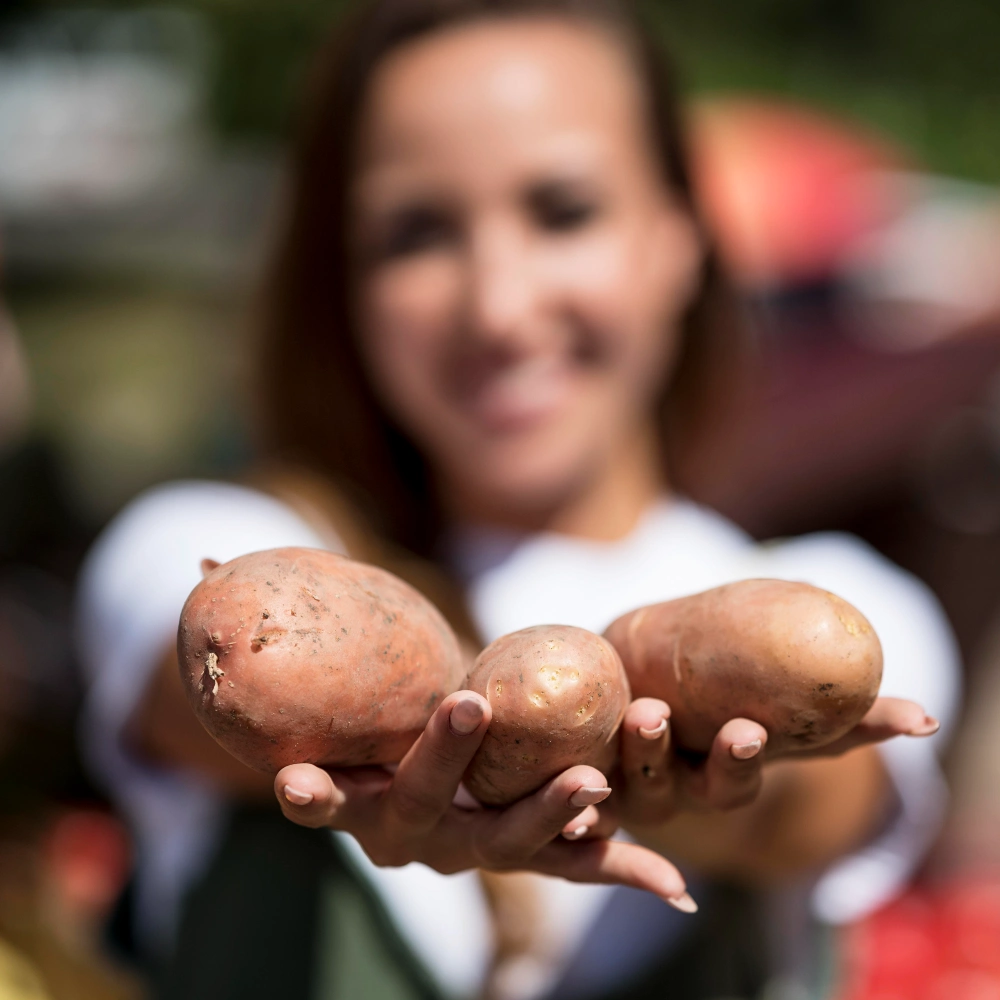
i. Plant Foliage Dies Back

Wait until vines turn completely brown and dead, possibly up to a week beyond, for tougher skins that improve storage.
ii. Flowers Fall Off

White or lavender flowers indicate that new potatoes can be harvested 7-8 weeks after planting for tender, early varieties.
iii. Variety Maturity Date
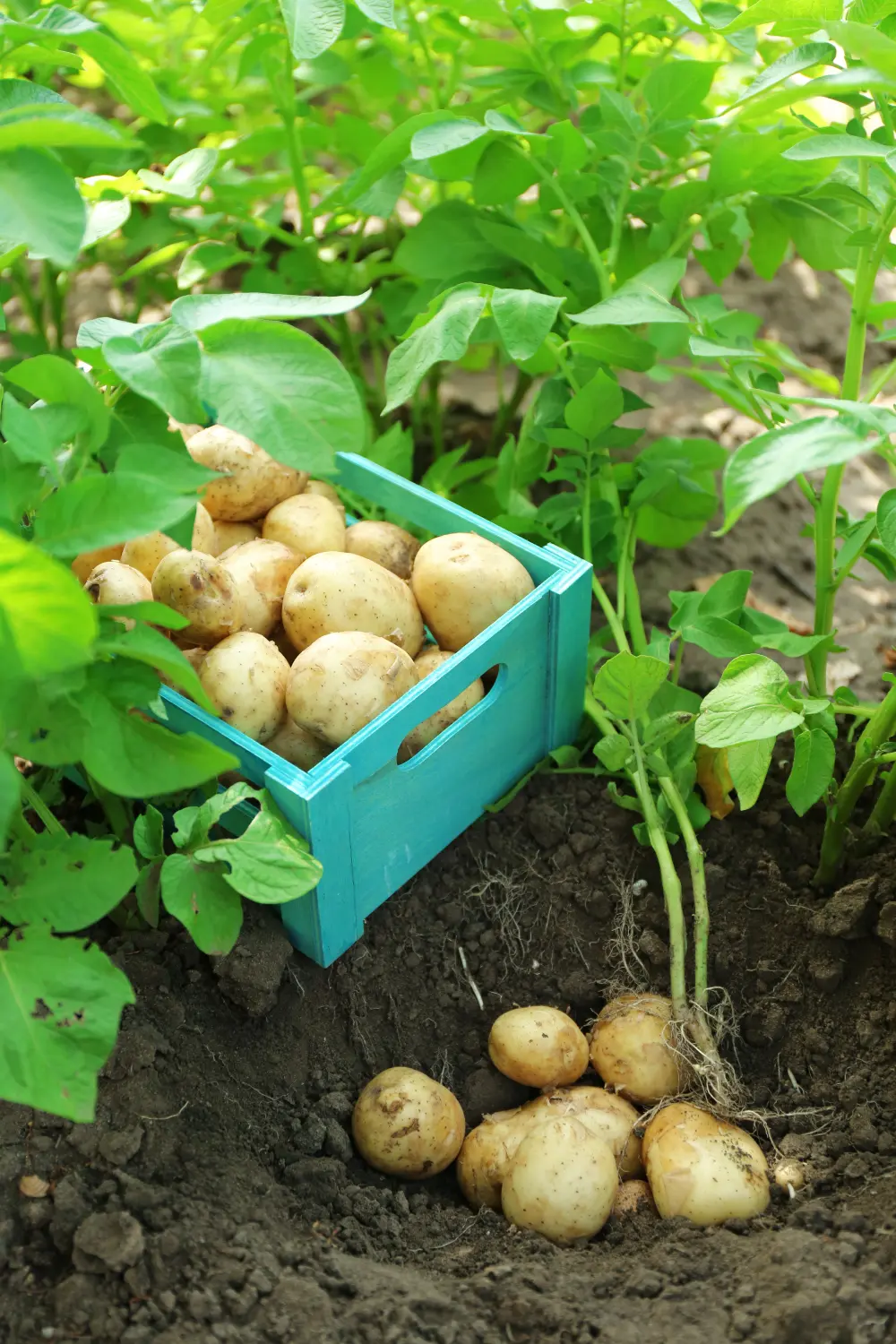
Check seed packet timing: early varieties like Yukon Gold and Purple Viking ready in 55-70 days; mid-season varieties like Kennebec and Red Pontiac in 70-90 days; late varieties like Burbank Russet in 90-120 days.
iv. Skin Test

Mature potatoes have thick skins firmly attached. Thin skins that rub off easily need more growing time.
v. Growth Stops

Tuber bulking slows significantly, indicating potato maturity indicators are present.
vi. Temperature Drops

Harvest when temperatures cool but before the first hard frost damages tubers. These signs indicate potatoes are ready for harvest, and ensure optimal timing.
How to Harvest New Potatoes (The Early Treat)
When to Begin Early Harvest
Start harvesting new potatoes 7-8 weeks after planting, once white or lavender flowers appear and begin falling off plants.
Hand Harvesting Technique

Use gentle hand harvesting methods, carefully digging around plant bases like “feeling in a bottomless purse.” Take only 2-3 small tubers per plant, leaving the main roots completely undisturbed for continued growth and development.
Immediate Use Only
New potatoes have thin, delicate skins and don’t store well. Use within days of early harvest for optimal freshness and peak flavor.
Perfect Culinary Applications
These tender potatoes excel perfectly in boiling, roasting, and potato salad preparations, offering sweet, creamy textures that are absolutely ideal for fresh summer dishes.
Step-by-Step Guide: Harvesting Storage Potatoes Correctly

Preparation Steps
Stop watering 1-2 weeks before harvest. Wait for complete foliage dieback, ensuring skin maturity.
Essential Harvesting Tools
Gather a garden fork or spade, a wheelbarrow, and containers before beginning.
Weather Timing

Avoid wet soil conditions. Harvest before hard frost damages underground tubers.
Proper Technique
Start digging 8-10 inches from plant stems. Work edges first, using a fork as a sifter to locate tubers carefully.
Five Harvesting Methods

Employ pulling, digging, hand harvesting, container dumping, and “scruffling” techniques for missed potatoes.
Gentle Handling
Lift carefully, brush off dirt, and move immediately indoors. These proper technique methods demonstrate how to harvest potatoes correctly using appropriate harvesting tools.
Essential Tools and Equipment for Potato Harvesting

Primary Potato Harvesting Tools
A long-handled garden fork is essential, preferred over shovels, to avoid cutting tubers. Wheelbarrows provide efficient collection and transport of harvested potatoes safely.
Collection Containers
Use buckets, harvest trays, and harvest aprons for organized gathering and sorting. These containers prevent bruising and allow easy sorting during harvest operations.
Protective Gear

Wear sturdy gloves for comfortable hand harvesting and protection from soil debris during extended digging sessions.
Container Growing Method
For container-grown potatoes, dump the entire bag contents onto tarps for easy collection without digging tools needed.
Tool Maintenance
Keep harvest equipment sharp and clean between uses. Proper maintenance prevents disease spread and ensures efficient performance of potato harvesting tools throughout the growing season.
Critical Post-Harvest Steps: Curing and Storage

Immediate Handling
Bring harvested potatoes inside immediately after digging. Discard any green potatoes to prevent solanine toxicity issues during storage periods.
Curing Process
Storage potatoes require proper potato curing at 45-60°F with 85-95% humidity levels for two complete weeks. This critical process promotes skin thickening and healing of minor cuts and bruises effectively.
Storage Preparation

Never wash potatoes before storing them long-term. Remove damaged tubers that could spread decay throughout your entire harvest.
Long-Term Storage
Store in cool, dark, well-ventilated spaces for up to six months successfully. Proper post-harvest care prevents the 5-10% annual losses affecting global potato supplies, ensuring maximum storage success and quality preservation.
Common Harvesting Mistakes to Avoid

Timing Errors
Harvesting too early results in thin skins and poor storage life, reducing shelf life significantly.
Weather Misjudgment

Harvesting in wet conditions increases rot risk and creates muddy, difficult working conditions that damage tubers.
Wrong Tools
Using shovels instead of forks causes cuts and punctures, creating entry points for decay organisms.
Sun Exposure
Leaving potatoes in direct sunlight creates toxic green potatoes that become completely inedible due to solanine development.
Rough Handling

Dropping or throwing potatoes causes internal bruising, shortening storage life dramatically.
Skipping Curing
Bypassing the two-week curing process prevents skin hardening. These potato harvesting mistakes significantly reduce storage success, but proper techniques effectively avoid damage.
