
Medium gardens should mix heights from 0.5 to 3 metres for layered interest, but most gardeners place plants randomly and wonder why their gardens look flat. You want a garden that looks like those magazine photos. Instead, every plant you buy ends up fighting for space or getting lost in the chaos.
Here’s what changes everything: a simple 5-layer system that professional designers use to create stunning gardens. You’ll learn the exact spacing formulas and plant height combinations that work every time. Master garden design by plant height using proven layering techniques, and watch your space transform from messy to magnificent.
How to Design a Garden by Plant Height?

Why Plant Height Makes or Breaks Garden Design?

The Psychology Behind Height Variation
Your eye craves height variation. Random plant placement creates visual chaos because there’s no clear path for your gaze to follow. Professional gardens always use height variation to guide eye movement from foreground to background, creating a natural flow that feels calming and organized.
The Professional Designer’s Formula

Here’s the magic formula that transforms any garden: base plants should occupy up to 50% of your space, seasonal theme plants represent 30-40%, while structural plants need only 5-15%. This prevents any single plant from overwhelming the design.
Why 2025 Trends Prove This Works
The 2025 trend toward “hot mess gardens” proves this point; they’re “expertly tended, vibrant and full,” but require understanding “how tall each plant will grow.” Without proper plant height spacing and garden layering techniques, even expensive plants look messy, and foundation plantings appear too small for the house.
The 5-Layer Garden Design System

Understanding the Foundation Layers
The Ground Layer (0-6 inches) covers bare soil and serves as the baseline of your composition. Think creeping thyme and sedum that spread horizontally. The Foreground Layer (6 inches-2 feet) creates borders with plants like hostas and small ferns that transition to larger elements.
Building the Middle and Upper Layers

The Midground Layer (2-5 feet) takes up most space in the composition and serves several functions. Hydrangeas and lavender work perfectly here. The Background Layer (5-8 feet) uses large shrubs like rose of Sharon and serviceberry for structure.
Creating the Canopy
The Canopy Layer (8+ feet) employs trees and large shrubs often used for screens to block views or as canopies for shade. Maples and oaks anchor this top layer.
2025 Plant Height Trends That Actually Work

Matrix Planting Takes Center Stage
Garden design trends 2025 embrace matrix planting with “ornamental grasses planted to give a range of heights and textures.” This creates natural movement while providing year-round structure.
Vertical Solutions for Every Space
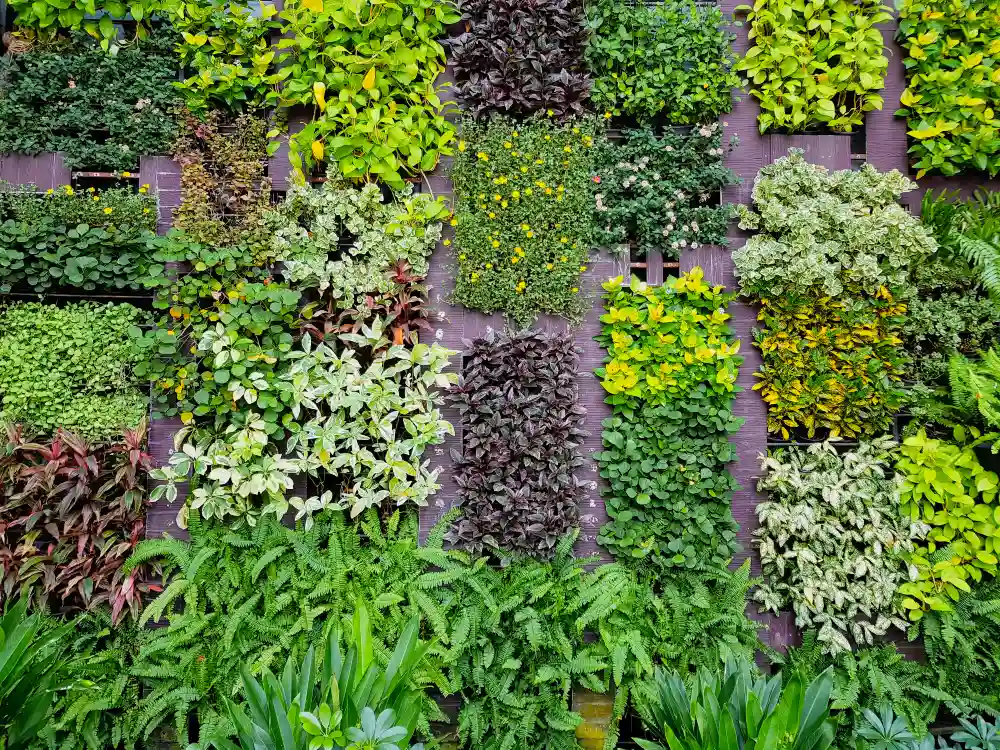
Vertical garden design explodes in popularity, with plantings against “structures such as fences, garden walls, or pergolas.” Even small spaces achieve impressive height variation without sacrificing ground area.
Naturalistic Heights Create Calm
Naturalistic planting featuring “diverse colours, textures, and heights” dominates wellness gardens. Medium gardens should “mix heights from 0.5 to 3 metres for layered interest,” creating visual calm through intentional height variation. Native plant layering adds climate resilience while maintaining this essential height diversity.
How to Calculate Perfect Plant Spacing by Height?

The Mature Size Rule
Plant specimens should be “the same size apart as the eventual mature size of the plant.” For example, Plumbago auriculata grows “6 feet tall and 8 to 10 feet wide,” so “plant 8 to 10 feet apart.” This prevents overcrowding and ensures healthy growth.
Height-to-Spread Guidelines

Foundation plants should max out at ¾ the height of house walls for proper scale. Ground covers typically need 6-8 inches apart, while larger shrubs require their full mature width as spacing distance.
When Soil Changes Everything
Poor soil quality affects spacing needs; plants in challenging conditions need extra room to compete for nutrients. However, you can ignore these rules for instant effect, then thin plants later. Smart plant height spacing and proper plant placement create professional results every time.
Avoid These 7 Deadly Plant Height Mistakes

Scale and Spacing Disasters
Using plants too small for large houses makes them “look out of scale.” Making beds “too shallow”; you need “at least 6–8 feet deep” for proper layering. Planting everything the same height creates a boring “hedge effect” with zero visual interest.
Planning and Placement Errors

Forcing plants into the wrong conditions instead of working with your soil wastes money and time. Ignoring mature sizes leads to overcrowding disasters. Forgetting winter interest leaves gardens looking dead for months.
The Costly Reality
One client “spent £3,000 on plants that were completely wrong for their space.” Avoid these garden design mistakes and plant placement errors through careful garden planning that considers height from day one.
Step-by-Step Height Design for Small Spaces
Maximize Vertical Space
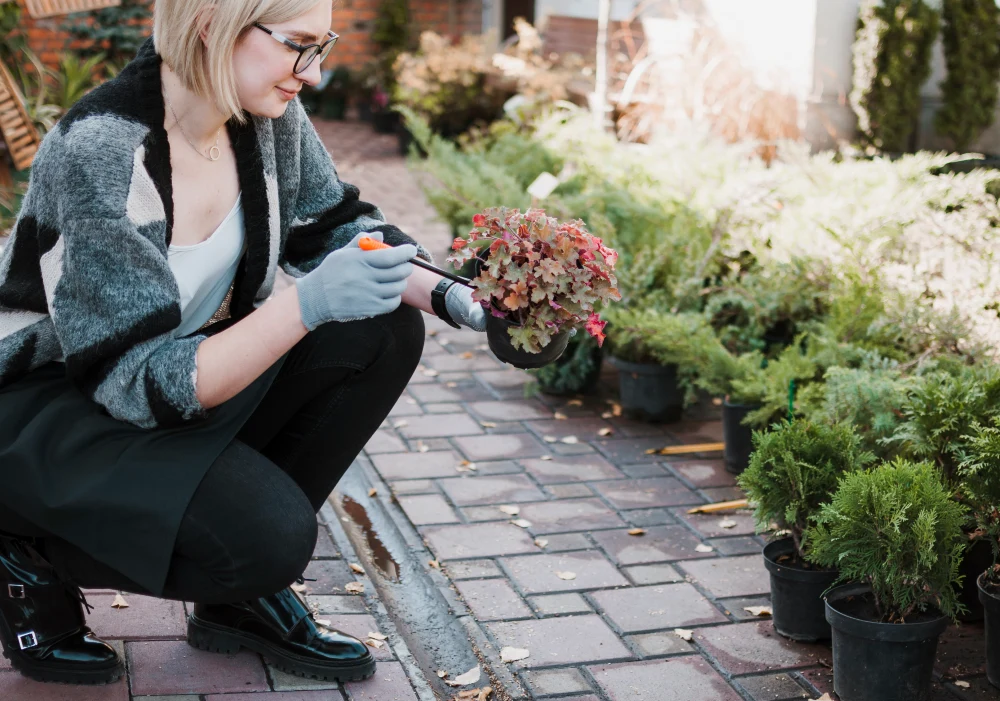
Use vertical layering with “trellises, arbours, or vertical planters to add height and structure.” Fence-mounted planters and wall-growing systems create multiple height levels without sacrificing floor space. Corner stacking techniques maximize every inch of available area.
Container Layering Strategies

Container layering with differently sized pots creates instant height variation. Try tiered container arrangements and balcony herb spirals for maximum impact. Place tall pots in the back, medium in the middle, and small in front.
Smart Bed Design
Keep raised beds at a 4-foot width maximum for easy reach from both sides. This small garden design approach, combined with smart vertical garden design and strategic container layering, transforms tiny spaces into stunning multi-level gardens.
Plant Height Combinations That Never Fail

The Golden Height Ratio
Use proven height ratios of 1:2:4 (short:medium: tall) for perfect balance. Spread “each plant type and color family across multiple height layers” to create cohesion. Color coordination across height layers prevents chaos, while texture mixing at different levels adds visual interest.
Foolproof Plant Combinations

Shade combo: Heuchera (8″), Astilbe (24″), Japanese Maple (6′) creates elegant layering. Sun combo: Sedum (4″), Coneflower (30″), Rose of Sharon (8′) provides continuous blooms. Native combo: Wild ginger (6″), Wild bergamot (3′), Serviceberry (12′) supports local wildlife.
Year-Round Success
Plan seasonal interest across all height ratios. These plant combinations and garden color schemes work because they follow nature’s patterns, creating professional results every time.
