
Nothing ruins an outdoor gathering faster than pesky flies buzzing around your food and guests. That peaceful barbecue or relaxing afternoon on the patio quickly turns into a frustrating game of swatting. These pests are more than just annoying. Flies can contaminate surfaces, spread diseases, and make your beautiful outdoor spaces completely unusable.
Could you enjoy your yard in peace? You can. This guide provides proven, actionable methods to solve this problem for good. We will show you how to get rid of flies outside using effective and natural strategies.
You will learn about powerful outdoor fly repellent options, from simple herb gardens to easy DIY sprays. We cover immediate solutions like natural fly control traps you can make today and long-term strategies to keep flies away outdoors for the entire season. Our advice is practical, safe for your family and pets, and focused on results that last.
How to get rid of flies outside

1. Why Flies Invade Your Outdoor Space
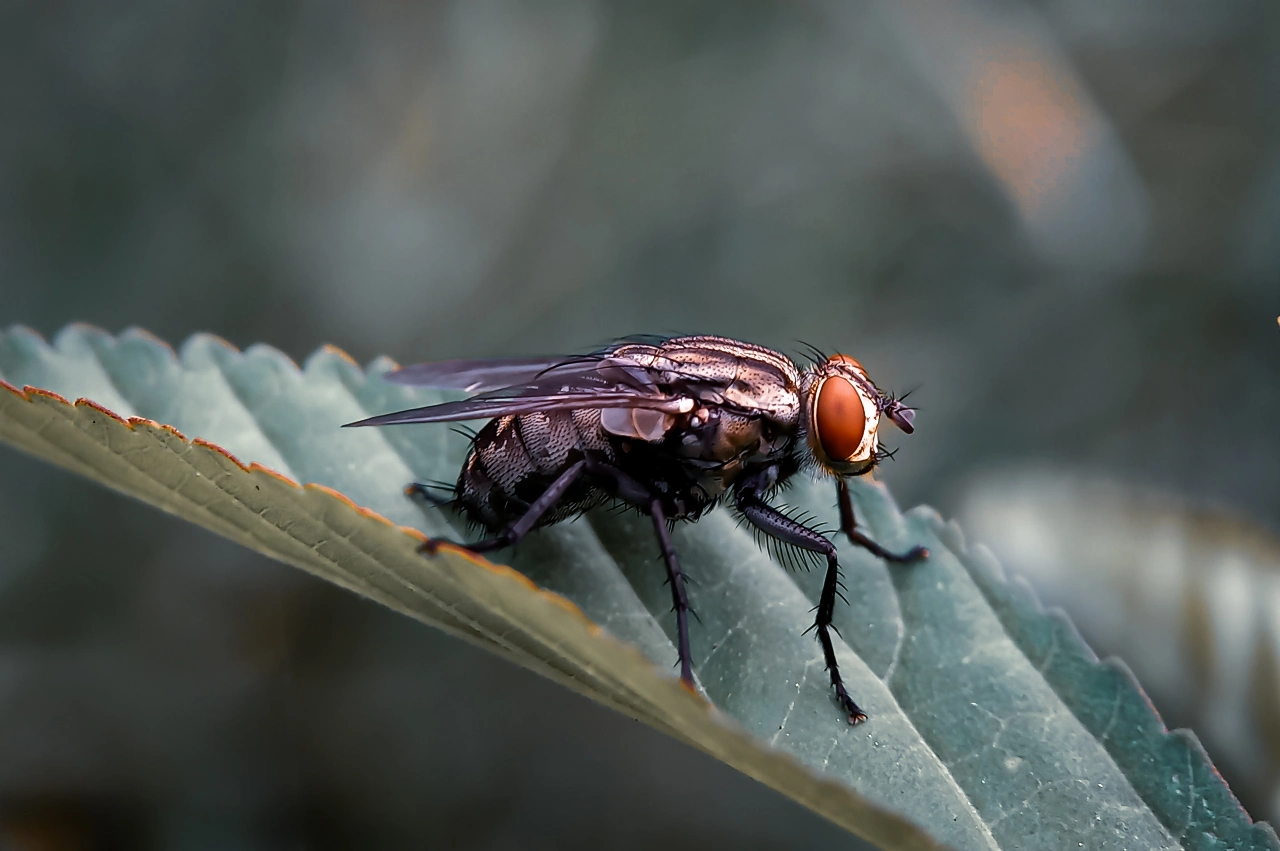
Ever wonder why flies seem to love your backyard? It’s not just bad luck; flies are drawn to specific environmental cues. Understanding what attracts them is the first step to reclaiming your outdoor space.
Flies are primarily attracted to food waste, pet feces, and decaying organic matter like rotting fruit or grass clippings. These materials emit strong odors that signal a potential feeding and breeding site. For example, a single uncovered trash bin can become a fly magnet, as garbage provides ideal conditions for egg-laying.

Additionally, warm environments and moist breeding grounds accelerate their life cycle. Flies thrive in temperatures above 75°F (24°C) and high humidity, which explains why infestations peak in summer.
But why does this matter? Flies aren’t just annoying; they pose health risks. A single fly can carry over 1 million bacteria on its body, including pathogens like E. coli and Salmonella, which can contaminate surfaces and food. Pet waste is another major attractant.
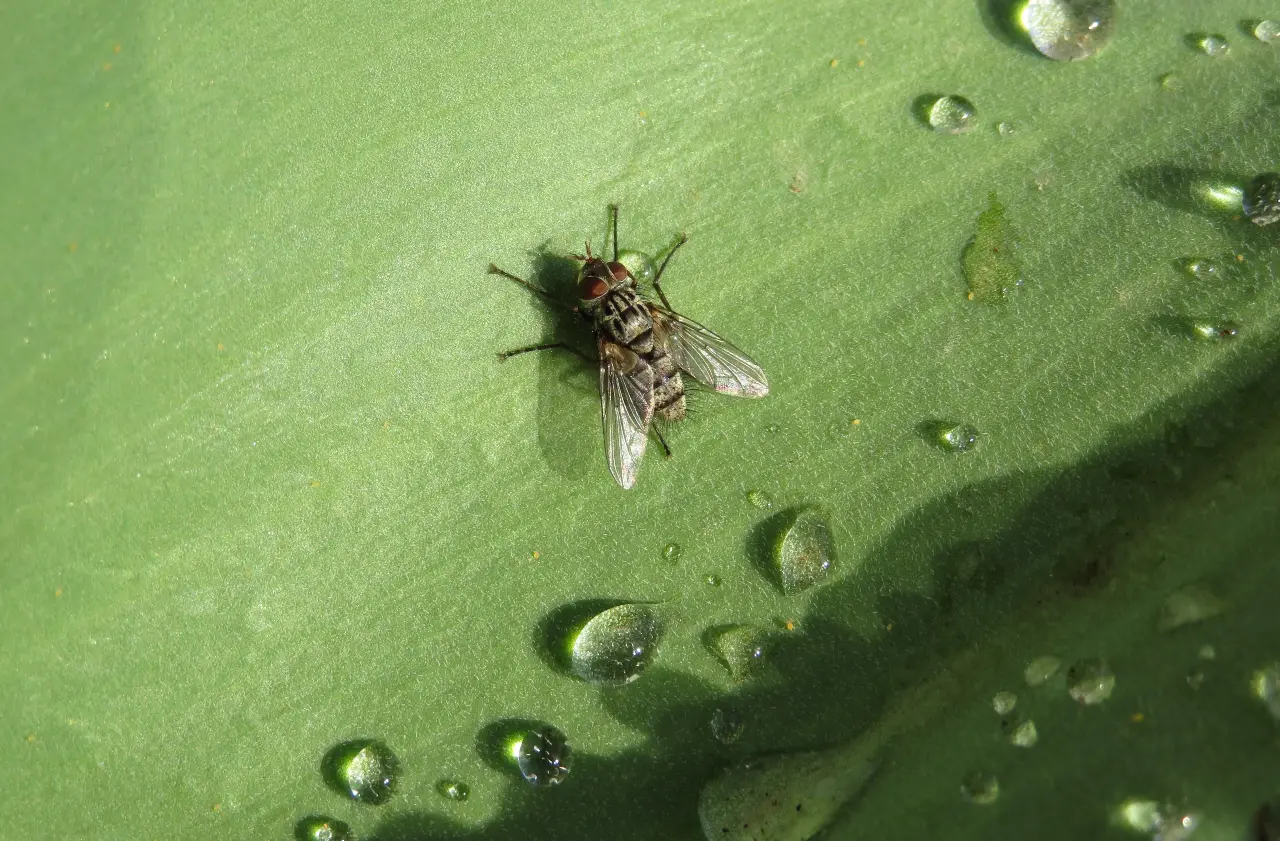
Dog urine, for instance, breaks down into ammonia and urea, creating a potent lure for house flies and blow flies. Even artificial turf can trap moisture and odors, encouraging fly activity.
So, what can you do? Start by eliminating these attractants:
Seal trash cans tightly and clean them regularly.
Promptly clean up pet waste and rinse urine-prone areas.
Remove standing water and keep compost bins covered.
2. Natural Fly Repellents That Work

Tired of swatting flies away from your lemonade? Chemical sprays aren’t your only option. You can fight back with powerful, pleasant-smelling natural fly control methods that are safe for your family and pets. These solutions work by overwhelming the flies’ sensitive sense of smell, making your space unappealing.
Start with nature’s own outdoor fly repellent: herbs. Planting basil, lavender, mint, and rosemary around patios and seating areas creates a fragrant barrier. Flies hate the strong scent of these plants. For a quick fix, rub a few mint leaves on your skin or tablecloth to keep pests at bay.

Essential oils for flies are another highly effective tool. You can easily make a powerful spray at home. A simple and effective recipe is to combine 10 drops of peppermint oil with 2 ounces of water in a spray bottle.
Shake well and mist around doorways, windows, and outdoor furniture. Other potent oils include eucalyptus, citronella, and clove. Always do a spot test on surfaces first to ensure the oils don’t cause damage.

For immediate protection during gatherings, citronella candles and torches are a classic choice. They create a wide zone of protection by masking human scents that attract flies. For best results, place several candles or torches around the perimeter of your space before guests arrive.
3. Fly Traps for Outdoor Use

When repellents aren’t enough, it’s time to fight back with traps. The best part? You can make effective DIY fly traps with items already in your pantry. These traps target flies by using irresistible bait to lure them in.
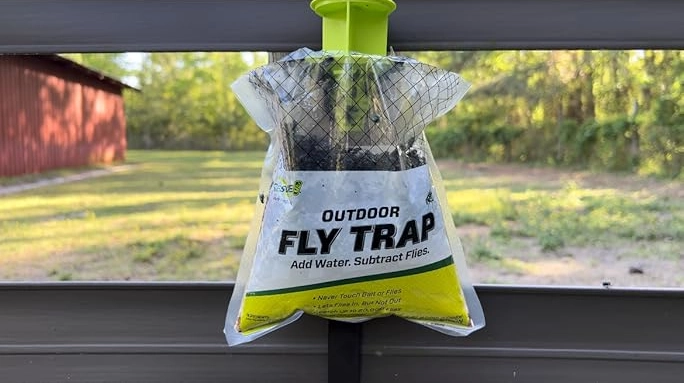
A classic homemade fly control solution is the apple cider vinegar trap. It’s for fruit flies. Simply pour a half-inch of apple cider vinegar into a jar or bowl. Add a few drops of dish soap and swirl gently. The apple cider vinegar mimics the scent of ripening fruit, and the dish soap breaks the surface tension to trap them so they can’t escape. You’ll see results within hours.

For larger house flies, try a sugar and yeast trap. Mix a tablespoon of sugar and a pinch of yeast in a cup of water. Pour this into a plastic bottle with the top cut off and inverted. The mixture ferments and produces carbon dioxide, which mimics the breath of animals, a major fly attractant.
Place these traps away from your main seating area. This draws the flies away from you and toward the trap. This is a proven way to get rid of flies and reduce their numbers significantly without any harsh chemicals.
4. Unconventional But Effective Methods

What if we told you a bag of water could keep flies at bay? Some of the best ways to keep flies away outdoors are also the most surprising. These unusual fly remedies might seem odd, but many people swear by their effectiveness. They are worth a try, especially for quick, low-cost relief.
Let’s talk about the famous water bag with pennies trick. The method is simple: fill a clear plastic zip-top bag with water and drop in 4-5 shiny pennies. Hang it near doorways or over a patio table. The theory is that the refracted light from the water and pennies confuses flies’ complex eyes, deterring them from entering the area.

Many users report a 90% reduction in flies when using the penny water bag method, though experts debate its scientific validity. It’s so easy that it’s become a popular hack for outdoor picnics.
For a more proven physical barrier, use a simple box fan. Flies are weak fliers and struggle in strong winds. Place a fan on the edge of your deck or patio, angled to blow across your seating area. This creates an effective wind barrier that flies cannot easily cross. It also keeps you cool on a hot day.

During outdoor meals, try the Sterno canned heat method. Place a few cans of Sterno fuel on the periphery of your dining area and add a few drops of essential oil (like citronella or eucalyptus) to the lit can. The heat helps diffuse the scent, creating a wide repellent zone, while the flame itself can deter flying insects.
Not all of these methods have solid scientific backing, but they are harmless and cost-effective. The best fly strategy often involves combining multiple tactics to see what works for your specific
5. Preventing Flies From Returning

Getting rid of flies is only half the battle. The real win is making sure they don’t come back. Effective fly prevention is not about a single magic trick. It’s about consistent outdoor sanitation to remove the things that attract them in the first place. Think of it as making your yard a no-fly zone.
Your number one task is proper garbage management. Flies feast on rotting food. Clean garbage cans thoroughly and frequently, as this is by far the biggest attractor of flies. Always use bins with tight-sealing lids. After trash pickup, hose out your cans with a mixture of vinegar and water to eliminate residue and odors that lure flies back.
Next, eliminate all sources of moisture. Fix leaky spigots and ensure your yard has good drainage. Empty bird baths, kid pools, and plant saucers every couple of days. Standing water is a prime breeding spot for flies. Also, be diligent about cleaning up pet waste promptly. Feces are a favorite fly breeding ground.

Finally, make a habit of regular cleaning of outdoor dining and entertaining areas. After a barbecue, don’t wait until morning. Wipe down tables, sweep up food crumbs, and bring dirty dishes inside right away. This removes the easy meal that flies are searching for.
By focusing on these three areas, garbage, moisture, and cleanliness, you create an environment that’s inhospitable to flies. This is the most reliable way to keep flies away for good and protect your outdoor fun.
6. When to Call Professional Pest Control

Sometimes, a fly problem is too big to handle alone. How do you know when it’s time to call for backup? Recognizing the signs of a severe fly infestation is key to protecting your home and health.
You should consider professional fly control if you notice certain warning signs. These include seeing a large number of flies every day, discovering breeding sites like maggots in garbage or organic matter, or noticing flies even after thorough cleaning and DIY methods. A persistent problem often means there’s a hidden source you can’t find.
Professionals bring powerful tools. They have access to stronger, targeted insecticides and equipment that aren’t available to the public. More importantly, they can correctly identify the fly species and locate their breeding grounds. This precise approach is more effective and longer-lasting than general store-bought solutions.

If you’re concerned about chemicals, ask for an eco-friendly service. Many companies now offer green pest control options that use botanical insecticides or integrated pest management (IPM) strategies. These methods focus on prevention and use chemicals only as a last resort. Look for companies with certifications and positive reviews that highlight their environmentally conscious approach.
Calling a pro isn’t admitting defeat. It’s a smart choice for severe cases to ensure your outdoor space is safe and comfortable.
