
You want rich soil for your garden, but you got a rat hotel instead. Seeing a rat scurrying out of your yard is gross and scary. Pests completely ruin the fun of making your own soil. They also bring dangerous diseases right near your home. 2026 city data shows urban rat numbers grew by eight percent this year.
That means more hungry pests are looking for a free meal right in your backyard. To keep rodents and bugs out of your compost for good, proper bin management is the best way to keep rats out. You do not have to accept pests as a normal part of gardening.
3 Ways to Pest-Proof Your Compost Bin

Open piles are an open invitation to hungry animals. A simple pile on the ground is basically a free buffet for pests. You need a solid barrier to protect your soil. Building a pest-proof compost bin starts with the walls. You should use a thick plastic or solid metal bin.
These materials are much harder for animals to destroy. But rats have very sharp teeth. They can chew right through thin plastic walls over time if they really want the food inside. The real secret is protecting the floor.
Rats can squeeze their bodies through gaps as small as a quarter. You need a metal wire-mesh base to prevent them from digging up from underneath. Buy a roll of 1/4 inch galvanized hardware cloth from the store.
You will also need wire cutters and a heavy-duty staple gun. If your bin sits on a wooden pallet, you can secure it easily. Follow these steps to build your floor.
- Roll the metal mesh over the top of the wooden pallet.
- Cut it to fit the edges using your wire cutters.
- Staple the metal down firmly every few inches.
Set your plastic bin right on top of this metal floor. This stops animals from digging tunnels from below. Finally, look at your lid. A smart rat will push a loose lid right off the top. Keep the lid tight with a heavy brick.
You can also strap a strong bungee cord across the top. Secure lids keep out rats and hungry raccoons. Go outside and inspect your current bin for holes right now.
What Food Attracts Rats to Compost?
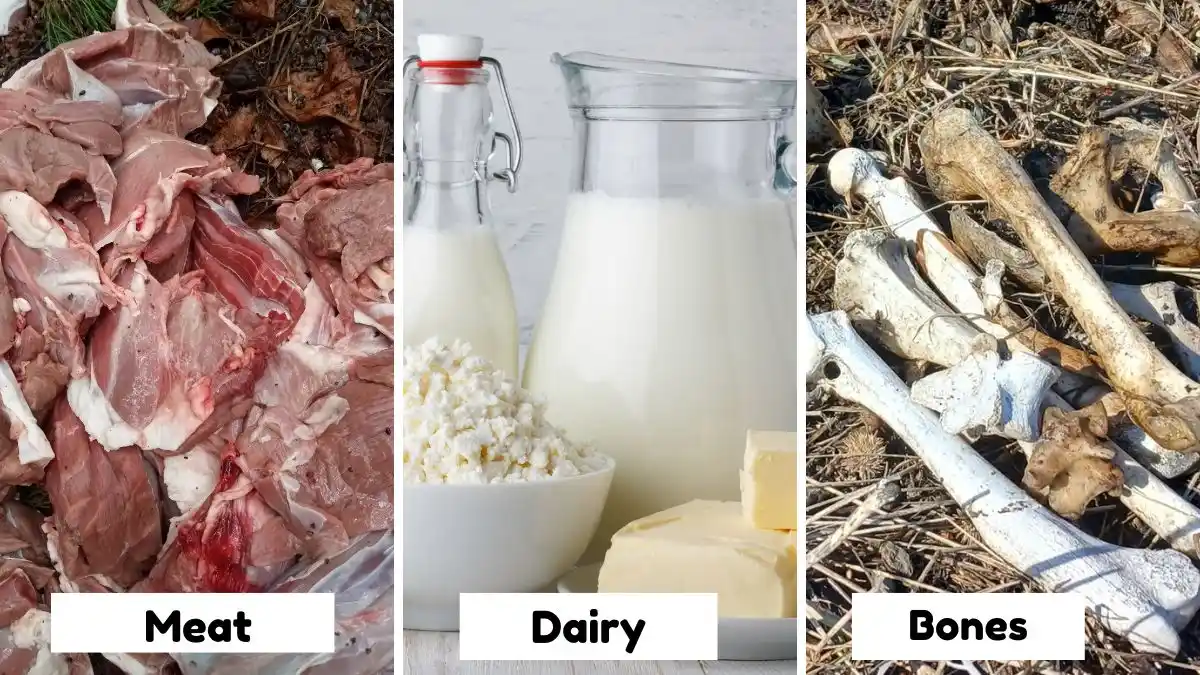
The golden rule of rotting food is simple. Never add meat, dairy, or bones to your pile. Rats have a very powerful sense of smell. They can easily detect rotting meat from far away. Skipping these animal products is the first step to rat-proof composting. You must also skip cooked oily foods.
Leftover French fries or salad dressing will draw pests immediately. These foods also rot very slowly and create a nasty mess. Bad smells happen when the wrong foods break down. You can mask the safe smells by changing how you add food.
Local master gardeners always recommend the bury method for fresh scraps. This simple trick works every time. Never just toss your apple cores on top of the pile.
Always dig a hole deep in the center of the pile. Drop your fresh vegetable scraps inside. Then cover them completely with older dirt. This hides the food from hungry bugs and rodents.
Here are the safe foods you can use:
- Coffee grounds and paper filters
- Fruit and vegetable peels
- Crushed eggshells
- Grass clippings and leaves
Here are the unsafe foods you must avoid:
- Cheese and milk products
- Bones and raw meat
- Pet waste
- Oily leftovers and cooked grease
Stick to the safe list to keep your yard pest-free.
The 5 Minute Fix for Smelly Compost
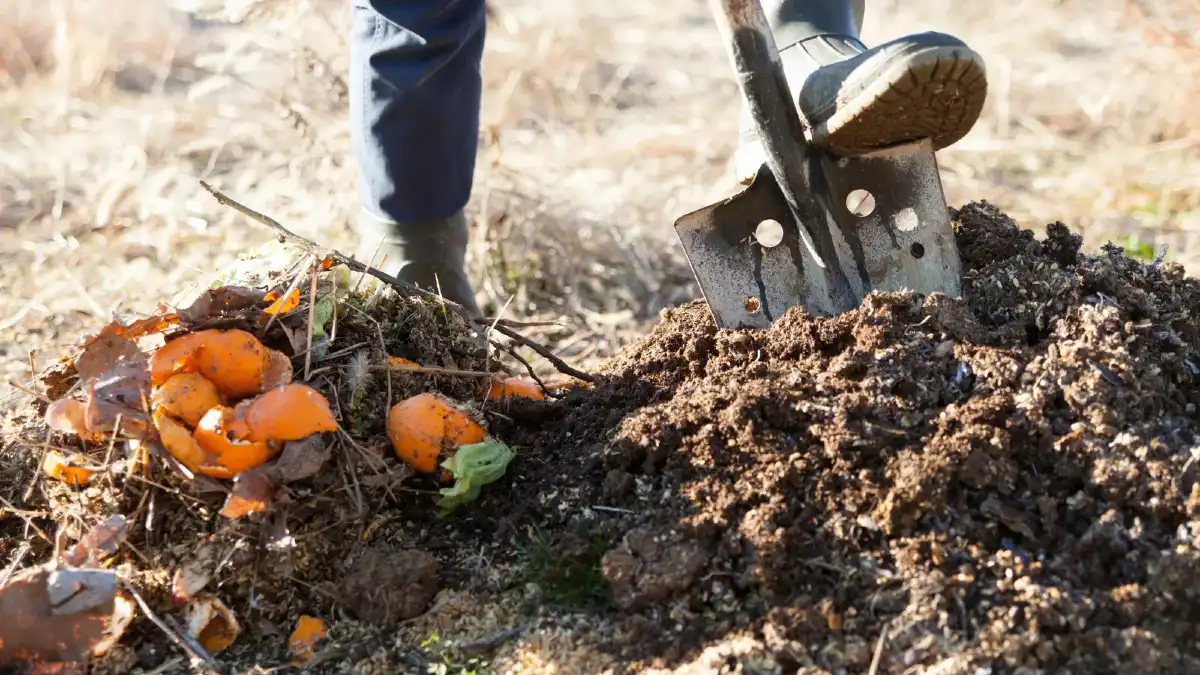
Go outside and give your pile a quick sniff test. It should smell like fresh earth after a rainstorm. Bad smells mean your pile has an imbalance. Foul odors are a major warning sign. Smelly piles lack air and hold way too much moisture. This wet environment creates gases that smell like rotten eggs.
You need to dry it out to stop rodents in the compost. University agriculture extension offices say you need the right mix of materials. The Environmental Protection Agency recommends a ratio of three parts dry brown materials to one part wet green materials.
Getting this ratio right is the secret to perfect soil. Green materials are your wet kitchen scraps, like apple cores. Brown materials are dry things like dead leaves or ripped paper boxes. Grab an aeration pitchfork and turn the whole pile. Mixing the dirt adds fresh air and cools it down.
The 5 Minute Fix for Smelly Compost
Goal: EPA recommends a ratio of 3 parts Brown to 1 part Green.
Then add a thick layer of dry leaves or shredded brown cardboard. These brown materials act like a giant sponge. They absorb excess water and balance the pile. They also smother the bad smells instantly. Add some shredded brown cardboard to your pile today. Your nose and your neighbors will thank you.
How Far Should Your Bin Be From the House?
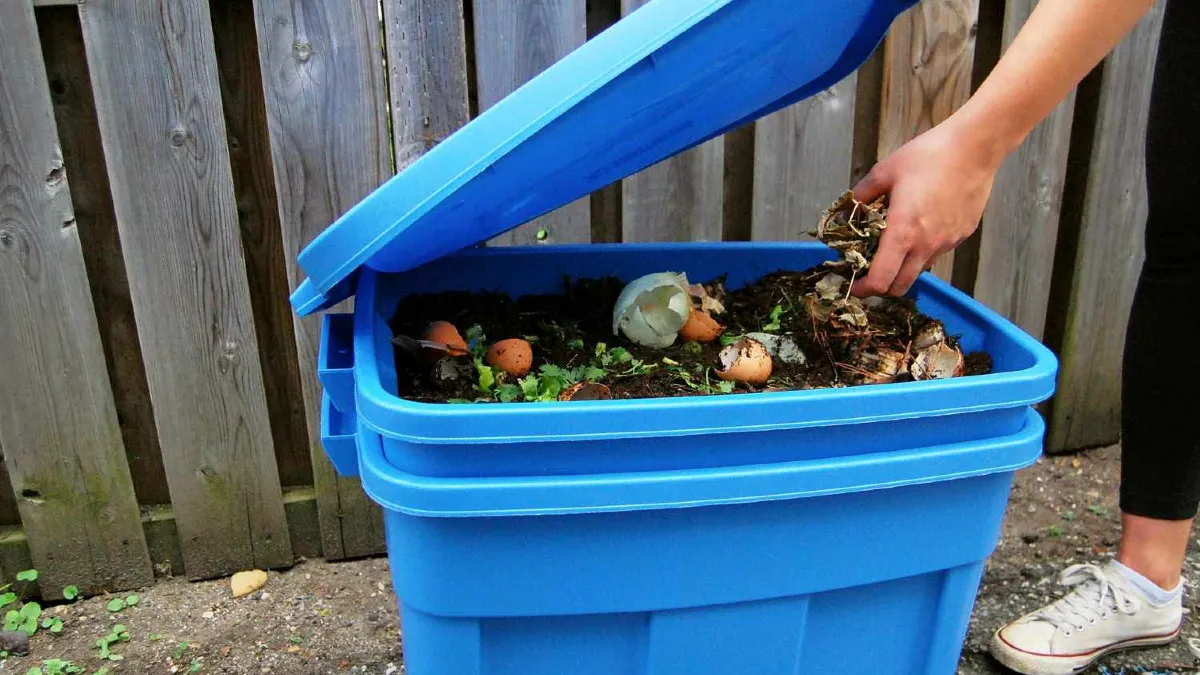
You want the bin close enough to use easily. But placing it right against your house is a massive mistake. Rats love to run along walls and fences to feel safe. Moving your bin away from fences takes away their hiding spots.
Place your bin at least three feet away from any wall or fence. This creates an open gap around the whole structure. Rats hate crossing open spaces where birds can see them. They will avoid your bin if they feel exposed. Give your bin plenty of breathing room in your yard.
Why Turning the Pile 2 Times a Week Scares Pests?

Rats want a quiet place to build a warm nest. A pile of rotting vegetables is useless to them if they constantly feel threatened. You can ruin their nesting plans by disturbing the dirt often. Grab your pitchfork and stir the whole pile deeply.
Do this exactly two times a week. This regular disruption stops rodents from getting comfortable. It also speeds up the rotting process, so you get fresh soil faster. A busy and active bin is a pest-free compost bin. Keep the dirt moving to keep the rats out.
What to Do If Rats Are Already Inside?

Finding a rat nest in your dirt is incredibly frustrating. You need to take fast action to force them out immediately. Do not use poison inside your bin. Poison will ruin your soil and harm friendly garden bugs. Instead, you must flood the nest with cold water from your garden hose.
Rats hate wet and cold sleeping areas. Soak the pile completely and stir it heavily. Then stop adding fresh food for two full weeks. The rats will pack up and leave to find a better home.
Easy Indoor Trick for Kitchen Scraps

Taking food outside every single day is annoying. Keeping a smelly bucket on your kitchen counter attracts fruit flies quickly. You can fix both problems by keeping your food scraps in the freezer. Grab a plastic container with a very tight lid.
Put your banana peels and coffee grounds inside and freeze them immediately. Freezing stops the rotting process completely. It kills bad smells and breaks down the tough food fibers. Take the frozen block outside once a week and bury it deep. The frozen food will not smell and will not attract hungry pests.
How to Fix a Soggy Pile in 3 Steps?

Rats need drinking water just as much as they need food. A soggy puddle at the bottom of your bin provides a free drink. Too much rain causes nasty slime and attracts thirsty pests. You must control the moisture level to keep bugs away. Here are three quick steps to dry out your dirt.
- Leave the lid off for a few hours on a sunny day.
- Mix in dry shredded newspaper to soak up the extra water.
- Drill small holes in the bottom of your plastic bin to let water drain out.
Your dirt should feel like a slightly damp sponge. It should never drip water when you squeeze it. Keep it damp but never soaking wet.
