
Walk through most neighborhoods and you’ll spot black tire planters that scream “cheap DIY project” rather than “thoughtful garden design.” These rubber messes sit on porches and patios, looking exactly like what they are: old tires filled with dirt.
But tire planters can look good. The problem isn’t the concept. It’s that most people skip the crucial steps that separate amateur hour from something you’d be proud to show off. Most tire planters fail because people think it’s just about painting a tire and adding soil. Wrong. The pros are aware of proper drainage, smart color choices, and styling tricks that enable these upcycled beauties to blend seamlessly into any garden design.
In this guide, you’ll learn how to select the right tires, prep them correctly, and style them so your neighbors ask where you bought such nice planters. We’ll cover everything from safety prep to plant selection, so your DIY tire garden planters become the highlight of your outdoor space, not something you apologize for.
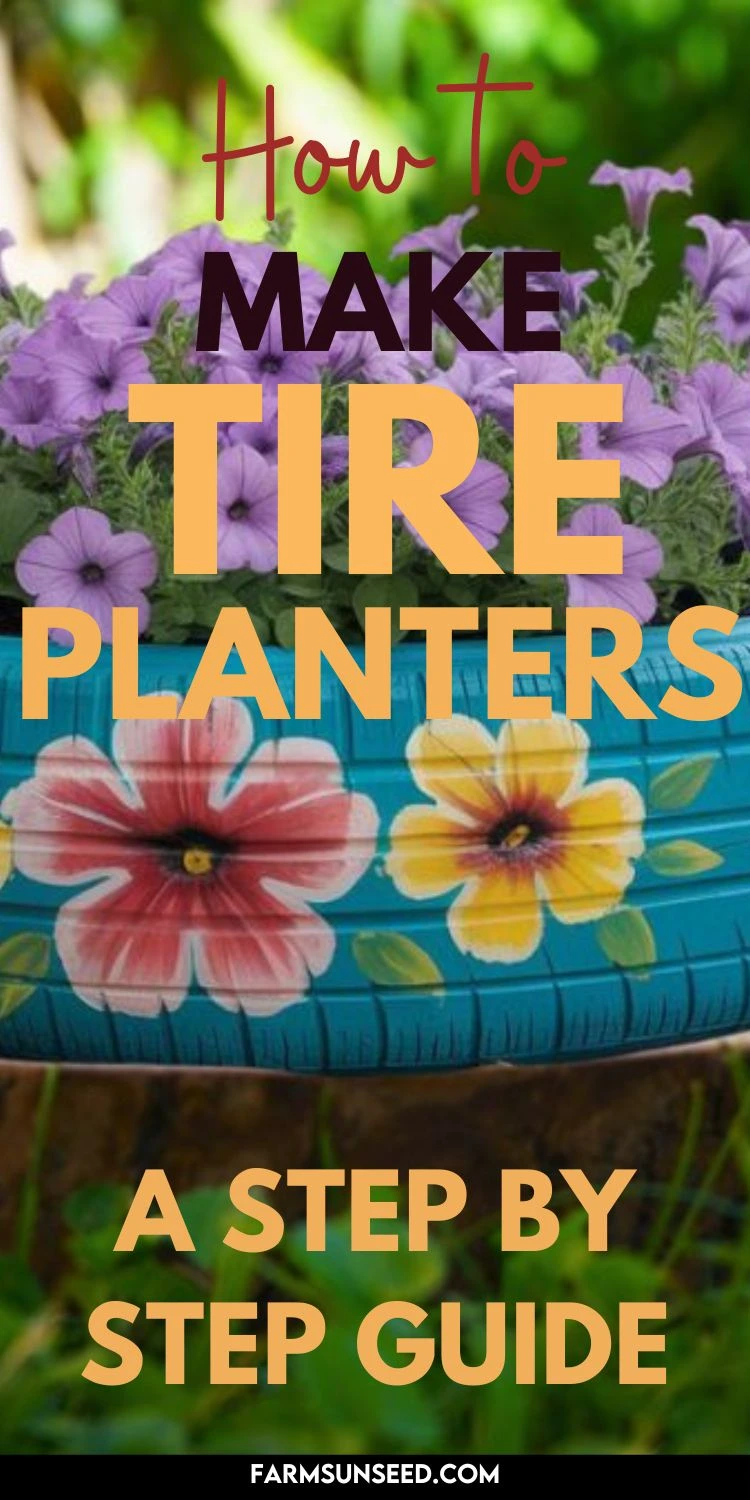
How to Make Tire Planters That Actually Look Good: A Step-by-Step Guide
Why Most Tire Planters Look Terrible (And How to Avoid These Mistakes)
Those sad black tire planters that make entire yards look like automotive graveyards. But those tire planters don’t have to look cheap. The problem isn’t the concept. It’s that most people make the same predictable mistakes that guarantee amateur results.
Grabbing Any Old Tire
People think all tires are the same. They’re not. That cracked, oil-stained truck tire from behind the garage? It’s going to look exactly like what it is: trash with flowers in it. Good decorative tire planters start with tires that have thick sidewalls, no visible steel belts, and zero weather cracking.
Skipping the Prep Work
Most folks think painting over road grime will hide it. They are wrong. Without proper cleaning and priming, your paint will chip off in sheets within months. Those “quick weekend project” tire planters are peeling and fading because they skipped the boring prep steps that matter.
Terrible Color Choices
Neon pink might seem fun at the store, but it looks ridiculous next to your roses. The worst offense is leaving tires plain black. Nothing says “I didn’t try” like a black rubber tire filled with petunias.
Random Placement
Scattered tire planters with no plan resemble someone who has given up on garden design. Three different colored planters in three random spots are not decorating. It is chaos.
The Real Difference Between Upcycled and Cheap
Good tire planters blend into your garden design. You notice the plants, not the container. Bad ones draw attention to themselves for all the wrong reasons. When done right, tire planters can fool people into thinking you bought expensive pottery.
The difference is in taking time to do each step properly. Clean thoroughly. Prime correctly. Choose colors that make sense. Place them with purpose.
Skip these steps, and you’ll have decorative tire planters that look exactly like what everyone expects: cheap and desperate.
Choosing the Right Tires for Your DIY Tire Garden Planters
Not all tires work for planters. Pick the wrong ones and your project is doomed before you even start painting.
Skip Truck Tires, Choose Passenger Car Tires
Truck tires look industrial and overwhelming in most gardens. They’re also deeper than most plants need, which wastes soil and makes them heavy to move. Standard passenger car tires (14-16 inches) hit the sweet spot. They’re deep enough for healthy root systems but won’t dominate your landscape.
Where to Find Quality Tires
Tire shops are your best bet. They often have decent used tires they can’t resell because of minor issues like uneven wear. These cost $5-15 each, but you get to pick through options instead of taking whatever you find.
Skip roadside tire piles. You don’t know how long they’ve been sitting or what chemicals they’ve absorbed. That “free” tire might cost you later when your plants struggle or die.
Safety Check Every Tire
Run your hands along both sidewalls. Any steel belts poking through means find another tire. These sharp wires are dangerous, and the tire will fall apart quickly outdoors.
Check for deep cracks, especially around the rim area. Small surface cracks are fine, but anything you can stick your fingernail into will only get worse with weather exposure.
Size Affects Plant Choices
Smaller tires (13-14 inches) work excellently for herbs and compact flowers. Larger ones (15-16 inches) can handle small vegetables like peppers or bigger flowering plants. Think about what you want to grow before you pick tire sizes.
The Money Factor
Quality DIY tire garden planters cost $15-30 each when you factor in the tire, paint, and supplies. Compare that to $50-100 for equivalent ceramic planters. Even paying $10-15 per tire at a shop beats buying new containers.
Free roadside tires might seem tempting, but quality tires from shops last longer and look better. Spend a little upfront to avoid remaking your tire planters next year.
Essential Tools and Materials for Professional-Looking Results
The right tools make the difference between tire planters that look homemade and ones that look professionally crafted. Here’s exactly what you need.
Required Tools
A sharp utility knife cuts through rubber for any shaping. You’ll need a drill with half-inch bits for drainage holes; step bits work best because they make clean holes without cracking the rubber. Medium-grit sandpaper (120-150) smooths rough spots that could show through paint.
For cleaning, get degreasing dish soap and stiff brushes. A power washer speeds things up, but isn’t required.
Paint and Primer That Stick
Skip cheap spray paint. Rust-Oleum Universal Paint bonds to rubber and comes in dozens of colors. But here’s the key: you need rubber-specific primer first. Bullseye 1-2-3 primer sticks to almost anything and prevents paint from peeling.
Buy exterior-grade products only. Indoor paint won’t handle weather and sun exposure.
Drainage and Soil Essentials
You need drainage material like gravel or broken pottery for the bottom layer. Landscape fabric or coffee filters prevent soil from washing into your drainage layer.
Don’t use garden soil as it’s too heavy and doesn’t drain well in containers. Quality potting mix costs more but keeps plants healthier.
Optional Decorative Elements
Rope wrapping, decorative stones, or stencils can upgrade your upcycled tire planters from basic to beautiful. These aren’t required, but small details make big differences.
Safety First
Work gloves protect your hands from rough rubber and steel belts. Safety glasses are crucial when drilling; rubber particles fly everywhere.
The total cost runs $40-60 for supplies to make 3-4 tire planters. Compare that to buying equivalent planters at $50-100 each.
Step-by-Step Tire Preparation and Cleaning Process
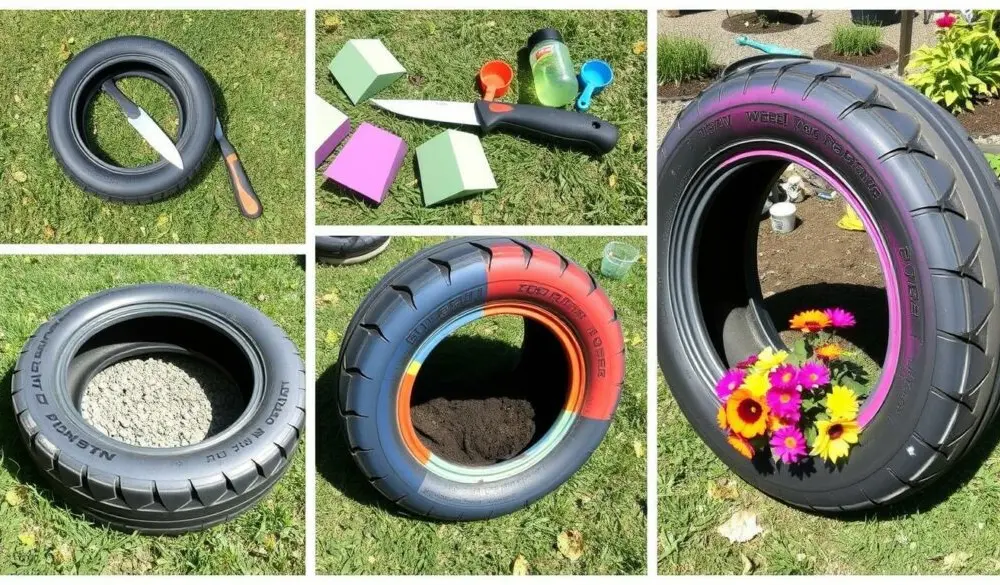
Proper preparation separates tire planters that last years from ones that look shabby after one season. This process takes time, but skipping steps guarantees failure.
Start with Deep Cleaning
Power wash the entire tire, paying special attention to tread grooves where dirt hides. If you do not have a power washer, use a garden hose and stiff brush, but expect more scrubbing.
Mix hot water with degreasing dish soap. Scrub inside and out with this mixture. Road grime contains oils and chemicals that prevent paint from sticking. Regular water won’t cut through this buildup, but degreasing soap will.
Don’t forget the inside walls. Most people only clean what shows, but moisture and debris trapped inside cause problems later. Clean the entire tire thoroughly.
Sanding for Better Paint Adhesion
Once dry, sand the entire surface with 120-grit sandpaper. You’re not trying to remove rubber; just rough up the surface so primer can grip. Pay extra attention to smooth spots where paint might slip.
Wipe down with rubbing alcohol after sanding. This removes dust and any remaining soap residue that could interfere with primer bonding.
Creating Proper Drainage Holes
Mark drainage holes every 4-6 inches around the bottom edge. Use a half-inch step bit; it makes clean holes without cracking rubber. Drill at a slight downward angle so water flows out instead of pooling.
“Poor drainage kills more plants than drought,” says Lisa Martinez, head gardener at Green Valley Garden Center. “Those holes aren’t optional; they’re what keeps your plants alive.”
The Priming Process
Apply rubber-specific primer in thin, even coats. Bullseye 1-2-3 primer works on almost any surface and creates the perfect base for paint. One thick coat seems faster but causes drips and poor coverage.
Let primer cure completely before painting. Check the can for exact timing; rushing this step ruins everything that follows. Allow 24 hours drying time between each major step. Trapped moisture under paint causes bubbles and peeling that will haunt you for years.
Design Techniques That Make Tire Planters Look Expensive
The difference between cheap-looking and expensive-looking DIY tire garden planters comes down to thoughtful design choices that most people skip entirely.
Color Psychology That Works
Earth tones like sage green, warm brown, and cream blend flawlessly into garden settings. They make your decorative tire planters look like they’ve always belonged there. These colors also hide dirt better than bright whites or bold colors.
For modern landscapes, crisp white or charcoal gray creates clean lines that complement contemporary home styles. But avoid pure black; it looks unfinished and draws attention to the tire shape instead of your plants.
If your garden feels boring, one accent color can wake it up. Consider coral against green foliage or sunny yellow near your front door. But limit yourself to one bold color per area, or your garden will look like a carnival.
Texture Techniques That Add Instant Class
Rope wrapping transforms industrial-looking tires into nautical-inspired planters. Start at the bottom and work up, fastening with outdoor construction adhesive every few wraps. Natural jute rope weathers beautifully and softens harsh rubber edges.
Stone application creates a pottery-like appearance. Use outdoor tile adhesive to attach flat river rocks or glass pebbles around the sidewalls. Work in sections and let each area cure before moving on.
Fabric covering works for temporary seasonal looks. Burlap wrapped and tied with twine creates farmhouse charm. Outdoor canvas in bold patterns adds contemporary flair.
Stacking and Grouping for Visual Impact
Single tire planters scattered randomly look like afterthoughts. Group three different-sized planters together: one large, one medium, one small. This creates visual weight and makes the arrangement look intentional.
Try stacking two tires for extra height and drama. The bottom tire needs extra drainage holes since it won’t drain as freely. Use landscape adhesive between tires so they won’t shift.
Integration with Existing Landscape
Place upcycled tire planters near existing garden beds, not isolated in random spots. They should feel like extensions of your current landscaping, not completely separate elements.
Match your tire colors to other garden elements: fence stain, house trim, or existing pottery. This creates cohesion instead of chaos.
Seasonal Decoration Ideas
Spring: Pastel paint with trailing pansies and early herbs. Summer: Bold colors with heat-loving flowers and vegetables. Fall: Warm oranges and browns with mums and ornamental kale. Winter: Evergreen arrangements with weather-resistant decorative elements.
Change plant selections seasonally, but keep tire colors consistent. This gives you variety without starting over completely each season.
Planting and Maintenance Tips for Long-Lasting Beauty
The right soil mix and plant choices determine whether your tire planters thrive or just survive. Here’s how to set them up for long-term success.
Soil Mix That Works
Never use garden soil in tire planters. It’s too heavy and doesn’t drain properly in containers. Instead, mix quality potting soil with perlite or coarse sand for extra drainage. A 70-30 ratio works perfectly.
Add slow-release fertilizer to your soil mix before planting. For the bottom drainage layer, use gravel, broken pottery, or chunky bark mulch. This prevents water from sitting at the bottom and drowning roots. Cover with landscape fabric before adding soil to prevent fine particles from washing down.
Plant Selection by Tire Size
Small tires (13-14 inches) work best for herbs like basil, oregano, and thyme. These plants stay compact and don’t need deep root space. Three small herb plants per tire create a full, abundant look.
Medium tires (15-16 inches) can handle small vegetables like peppers, cherry tomatoes, or compact lettuce varieties. One pepper plant per tire gives it room to spread. Five lettuce plants create a lush salad garden.
Watering Without Soil Erosion
Water slowly and deeply rather than quick, hard spurts that wash soil out through drainage holes. A watering wand with a gentle shower setting works flawlessly.
Check soil moisture by sticking your finger two inches down. If it’s dry, water thoroughly until you see water draining from the bottom holes.
Seasonal Plant Rotation Ideas
i. Spring: Cool-weather crops like lettuce, peas, and pansies.
ii. Summer: Heat-lovers like peppers, tomatoes, marigolds, and zinnias.
iii. Fall: Mums, ornamental cabbage, and late-season herbs.
iv. Winter: Evergreen arrangements or bring planters indoors.
Maintenance Schedule for Lasting Beauty
i. Monthly: Check for paint chips and touch up immediately. Deadhead flowers and harvest herbs regularly.
ii. Seasonally: Deep clean planters and refresh the top layer of soil. Check drainage holes for clogs.
iii. Annually: Replace drainage material and refresh potting mix. Inspect tires for weather damage.
The key is staying ahead of problems. Ten minutes of monthly maintenance beats having to completely redo your DIY tire garden planters next year.
Creative Placement Ideas That Enhance Your Garden Design
Where you put your decorative tire planters matters as much as how they look. Strategic placement transforms scattered containers into cohesive garden design.
Strategic Positioning for Maximum Impact
Place tire planters where people naturally look; near entryways, along walkways, or framing outdoor seating areas. These high-visibility spots guarantee your efforts get noticed and appreciated.
Avoid the “parking lot effect” of lining planters up like soldiers. Instead, create triangular groupings or gentle curves that feel natural and inviting.
Creating Focal Points and Plant Groupings
Use the rule of threes for groupings. Three different-sized tire planters create visual interest without looking cluttered. Place the largest one slightly behind and to one side, with medium and small planters in front.
Mix heights by placing some planters on tree stumps, deck railings, or plant stands. Different levels add depth and prevent the flat, uniform look that screams “amateur.”
Working with Existing Landscape Features
Place tire planters to complement existing garden beds, not compete with them. They should feel like natural extensions of your current landscaping.
Use them to define spaces: a pair flanking your mailbox, a cluster marking the transition from lawn to patio, or a single statement planter anchoring a corner of your deck.
Balancing Heights and Sizes
Vary container sizes across your garden. If you have three large tire planters on your patio, balance them with smaller ones near your front door. This creates rhythm and prevents any one area from feeling too heavy.
Consider sight lines from inside your house. Your tire planters should enhance the view from your kitchen window or living room, not block it.
Seasonal Rearrangement Possibilities
One advantage of tire planters over permanent garden beds is mobility. Move them closer to outdoor seating areas in summer when you’re entertaining. Shift them to protected spots in winter or bring smaller ones indoors.
Group warm-weather planters near your grill or patio for easy herb harvesting while cooking. Move cool-weather arrangements closer to windows where you can enjoy them from inside during colder months.
The goal is creating intentional design, not random arrangement. Each planter should have a purpose and contribute to your overall garden vision.
Turn Your Tire Planters from Trashy to Classy
Tire planters don’t have to look cheap. The secret is treating them like any other garden project that deserves proper planning and execution.
Start with quality tires from tire shops, not roadside finds. Clean them thoroughly with degreasing soap. Prime with rubber-specific products. Choose colors that make sense with your existing landscape. Create proper drainage so your plants actually survive.
The difference between DIY tire garden planters that get compliments and ones that look desperate comes down to taking time with each step. Skip the shortcuts. Do the prep work. Choose plants that fit the space.
Ready to prove that tire planters can look amazing? Start with just one. Pick your best tire, take time with the preparation, and plant something you want to look at every day.
