
Snake-proofing a garden naturally has become a priority for homeowners who want to enjoy their outdoor spaces without worry. Chemical deterrents like mothballs are temporary, expensive, and potentially dangerous to pets and children while harming beneficial insects and soil health.
The solution lies in comprehending snake behavior and implementing natural strategies that work in harmony with nature. By focusing on habitat modification, plant selection, and simple physical barriers, you can create an environment that naturally discourages snakes from inhabiting your garden.
These time-tested methods not only explain how to Snake-Proof Your Garden Without chemicals but also protect your family and pets. They also preserve the delicate balance that makes gardens truly bloom year after year.
How to Snake-Proof Your Garden Without Chemicals

Important Safety Notes
Never attempt to handle or kill a snake yourself. Many advantageous snakes are protected by law. Even non-venomous snakes can bite when threatened. If you find a snake in your garden, give it space and contact local wildlife control for safe removal.
Some regions have specific regulations about wildlife management, so check local laws before installing barriers or using deterrents. What works in one area might not be appropriate or legal in another.
Why Snakes Love Gardens in the First Place?
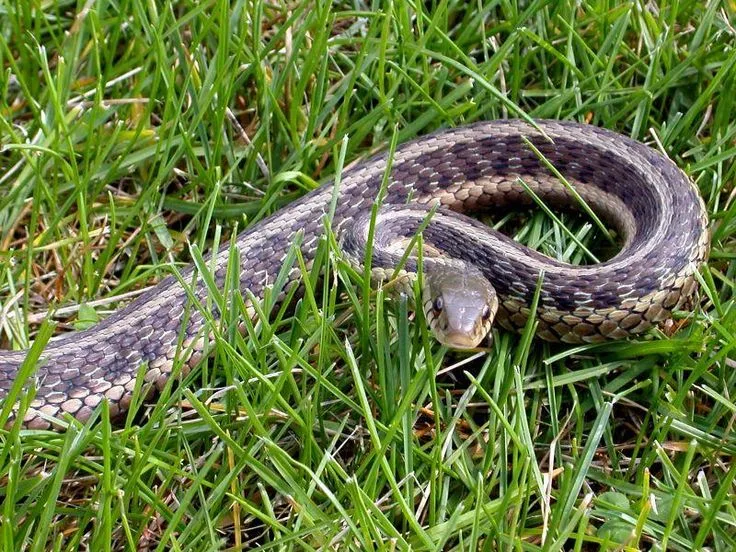
Before exploring potential solutions, let’s understand what draws snakes to your garden. They’re looking for three things: food, water, and shelter. Your garden might be serving up all three without you realizing it.
Snakes follow their stomachs. If your garden has mice, rats, frogs, or insects, you’ve hung up a “free buffet” sign. They also need water, especially during hot weather. That decorative pond or even a leaky hose can be an attraction. Lastly, they want hiding spots like rock piles, dense shrubs, tall grass, and garden clutter to provide perfect snake real estate.
Remove What Attracts Them

The most practical way to snake-proof your garden is to make it uninviting. Start by eliminating their food sources. Keep your garden clean of fallen fruit, which attracts rodents. Store pet food indoors, and if you have bird feeders, clean up spilled seeds regularly. Get a cat. They’re excellent at controlling rodent populations.
Water management is vital too. Fix any leaky irrigation systems and ensure proper drainage to prevent water from pooling. If you have a pond, keep it well-maintained. Stagnant water attracts frogs and insects, which in turn attract snakes.
Create Physical Barriers

Install hardware cloth or mesh fencing that’s at least 24 inches high and buried 6 inches underground. The mesh should have holes no larger than a quarter-inch. Snakes are surprisingly good at squeezing through small spaces, so don’t underestimate their flexibility.
The fundamental to effective snake fencing is the underground portion. Snakes don’t just climb over barriers; they often go under them. When putting in your fence, dig a trench at least 6 inches deep and angle the bottom portion of the mesh outward at a 30-degree angle. This creates an L-shaped barrier that prevents snakes from burrowing underneath.
For the above-ground portion, the fence should lean outward at a slight angle. This makes it harder for snakes to scale, as they need to grip the surface to climb. Use smooth materials, such as galvanized hardware cloth, rather than chain link, which provides easier climbing opportunities.
How to Build Snake-Proof Fencing: Step-by-Step Tutorial
Materials Needed
- Hardware cloth with 1/4-inch mesh (36 inches wide)
- Fence posts (6 feet long, spaced every 6-8 feet)
- Concrete mix and gravel
- Heavy-duty staples or fence clips
- Basic tools: shovel, wire cutters, level, measuring tape
Step-by-Step Instructions
1. Plan and Mark
- Mark your fence line with spray paint or stakes and post locations every 6-8 feet.
2. Dig and Set Posts:
- Dig holes 18-24 inches deep and 3 times wider than the post diameter. Add 4 inches of gravel at the bottom, set posts with concrete, guaranteeing that they’re level. Let it cure for 24-48 hours.
3. Prepare Trench:
- Dig a 6-inch deep, 8-inch wide trench along the entire fence line and remove debris and rocks.
4. Install Hardware Cloth:
- Unroll the mesh along the fence line, positioning 6 inches underground and 30 inches above ground. Attach to posts every 6 inches with staples or clips while keeping the mesh tight against the posts.
5. Create Top Angle:
- Bend the top 4-6 inches of mesh outward at a 45-degree angle to prevent snakes from climbing over. Secure the angled section with additional staples.
6. Bury Bottom Section:
- Place the bottom 6 inches of mesh in the trench, and bend the buried section outward away from the protected area. Then backfill the trench with soil and pack firmly.
7. Seal All Gaps:
- Check the entire fence for gaps larger than 1/4 inch. Pay special attention to post connections and ground level. Fix any loose areas immediately.
Key Success Factors
- Mesh size: Must be 1/4 inch or smaller
- Height: 30+ inches above ground
- Burial depth: 6 inches underground, angled outward
- Top angle: 4-6 inch outward bend at 45 degrees
- No gaps: Seal all openings completely
Maintenance
- Monthly: Check for damage and gaps
- Trim vegetation growing against the fence
- Fix holes immediately
- Guarantee that the ground level hasn’t shifted
Smart Landscaping Choices and Snake-Resistant Plants

Your plant choices and garden arrangement can work as natural snake deterrents. Keep grass short; snakes feel exposed in open areas and prefer areas where they can hide. Trim shrubs so there’s space between the ground and the lowest branches. This eliminates cozy hiding spots.
Create a “clean zone” around your garden’s perimeter. This should be a strip of mowed grass or gravel about 3 feet wide with no hiding places. Snakes don’t like crossing open areas where they’re vulnerable to predators.
Plant selection matters too. Snakes tend to avoid areas with strong scents. Marigolds, garlic, onions, and lemongrass can help deter them. While these plants won’t create an impenetrable barrier, they add another layer of protection.
Use Natural Textures They Dislike

Snakes prefer smooth surfaces for easy movement. Make their journey uncomfortable by using materials they don’t like to cross. Coarse mulch, pine cones, or rough gravel around garden beds can discourage them. Sharp-edged materials like crushed eggshells or diatomaceous earth (food grade) can also work, though you’ll need to reapply these after rain.
Some gardeners swear by human hair clippings scattered around the garden. The scent may deter snakes, though results vary. It’s worth trying if you have access to hair from a barbershop or salon.
Essential Oil Deterrents

Certain essential oils and sprays can repel snakes naturally.
1. Essential Oil Repellents: Cinnamon, clove, and eucalyptus oils deter snakes through their strong scents – either spray a water mixture around garden borders or place oil-soaked cotton balls at key locations for concentrated protection.
2. Garlic and Onion Sprays: Blend fresh garlic cloves or one whole onion with water, strain thoroughly, and spray around garden perimeters and problem areas, reapplying after rain or heavy watering since these compounds are water-soluble.
What to avoid:
i. Ultrasonic snake repellents have mixed results.
ii. Most homemade sprays wash away easily; reapply after rain.
Remove Hiding Places

Snakes need cover to feel safe. Walk through your garden and identify potential hiding spots. Stack firewood away from garden areas and elevate it off the ground. Keep compost piles neat and turn them regularly. Remove brush piles, tall weeds, and dense ground cover near places where you spend time.
If you have decorative rock gardens or stone walls, check them regularly and seal any large crevices. Consider using smaller stones that don’t create snake-sized hiding spots.
Tip: Use landscaping cloth or pea gravel around garden beds to reduce warm, moist hiding places.
Dealing with Burrows and Underground Spaces

Snakes are attracted to burrows because they offer cool, protected shelter, whether they’re rodent holes, structural gaps, or natural depressions. To properly manage them, first confirm they’re empty by stuffing the entrance with newspaper and checking after 24 hours. Never seal occupied burrows as this traps animals inside.
Once empty, fill burrows with soil, sand, or concrete mix, packing firmly to prevent settling. Pay special attention to areas under sheds, decks, and porches by using hardware cloth that extends 6 inches underground. Seal gaps under concrete slabs or walkways with hydraulic cement or expanding foam before they become access routes for snakes.
Install Motion-Activated Devices

Motion-activated sprinklers can startle snakes and send them looking for calmer territory. Place these near garden entrances or areas where you’ve spotted snake activity. The sudden spray of water is harmless but effective.
Some gardeners use ultrasonic devices, though scientific evidence for their effectiveness is limited. If you try them, choose ones specifically designed for snake deterrence, and be prepared that results may vary.
Maintain Your Defense System

Snake-proofing isn’t a one-time project. It requires ongoing maintenance. Inspect your barriers regularly for damage or gaps. Keep grass trimmed and remove debris promptly. Reapply natural deterrents after rain or irrigation.
Walk your garden’s perimeter weekly, looking for signs of snake activity or new hiding spots. Early detection helps you address problems before they become established patterns.
When to Call Professionals

If you’re dealing with venomous snakes or have a persistent problem despite your efforts, call wildlife control professionals. They can identify snake species, assess your property, and recommend targeted solutions.
Professional snake-proofing services exist in many areas and can install specialized barriers or provide ongoing monitoring. While this costs more than DIY methods, it might be worth it for peace of mind.
FAQs
Q: Why do snakes come into gardens?
Snakes are attracted to gardens for food (rodents, insects), water (irrigation, ponds), and shelter (dense vegetation, rock piles, wood stacks).
Q: Do plants repel snakes?
Plants like marigolds, lemongrass, and garlic may help deter snakes through strong scents, but scientific evidence is limited. Use them as part of a comprehensive approach, not as a standalone solution.
Q: What’s the safest way to store garden materials?
Keep firewood elevated and away from the house, store tools in sealed sheds, and avoid leaving equipment scattered around the garden where snakes can hide.
Q: When are snakes most active in gardens?
Snakes are typically most active during dawn and dusk when temperatures are moderate, and during spring and fall seasons.
