
Organic waste currently makes up roughly 46 percent of total global waste. But doing your part to fix it should not require a 150 dollar plastic tumbler. Most beginners hear they need expensive aerators to make black gold. Need specialized tumblers and a massive yard. Managing food waste does not require expensive equipment.
DIY composting techniques that save money. How to compost without a bin using completely natural methods. Managing your waste right at home keeps methane gas out of landfills. It also gives your plants incredible nutrients for free.
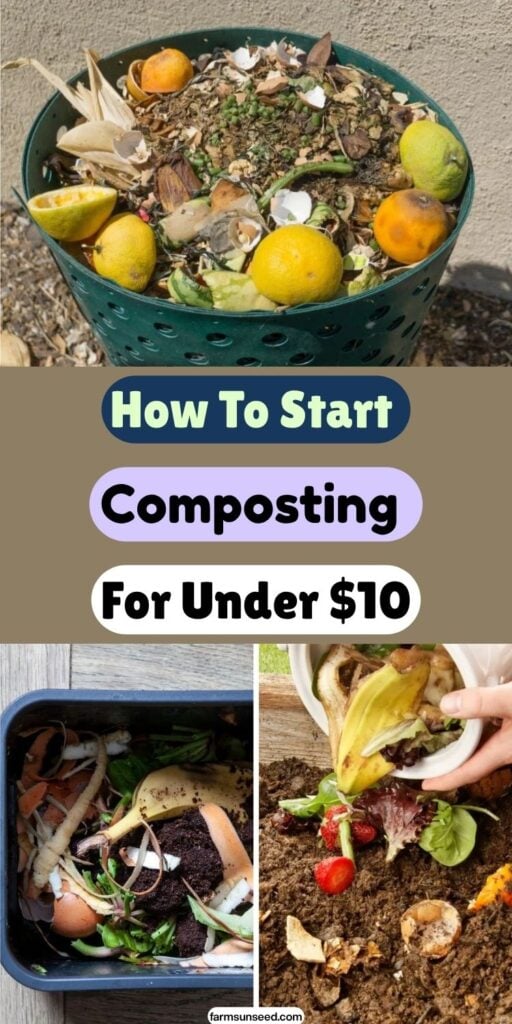
How To Start Composting For Under $10 (No Fancy Bins Required)
Freestanding Compost
-
Bare Earth Corner Designate a 3 by 3 foot bare corner of your yard directly on the earth.
-
Natural Screen Tuck this spot behind a leafy bush or a wooden trellis to hide it from view.
-
Layer The Browns Layer loose yard debris to create a dry foundation for your pile.
-
Greens & Cover Add wet kitchen scraps, then cover completely with more leaves or cardboard.
1. Why You Do Not Need an Expensive Compost Bin

If you have ever walked down the garden aisle and balked at a 150 dollar plastic bin, you are not alone. A lack of convenience stops 72 percent of Americans from doing this. Food scraps and yard trimmings make up roughly 28 percent of what we throw away in the U.S., according to the EPA.
The commercialization of gardening has overcomplicated a completely natural process. Nature has been breaking down organic matter for millions of years without plastic containers.
Making rich soil at home saves an average of 38 dollars per ton in municipal collection and disposal costs. Cheap DIY composting fixes the convenience problem entirely.
You just need four basic elements to succeed. Mix of greens for nitrogen and browns for carbon. You also need good air circulation and consistent moisture. That is truly the entire scientific process.
2. The 10 Dollar DIY Tote Bin

Total cost: 10 dollars. This method requires very little effort to maintain.
A highly effective system using a simple plastic bucket. The footprint incredibly small. It is ideal for a tiny home porch or a compact apartment balcony.
Here is how to build it:
- Buy a dark 10 to 15 gallon plastic storage tote or a 5 gallon bucket from a hardware store. This usually costs between 4 and 9 dollars.
- Grab a standard power drill from your toolbox.
- Drill several holes in the bottom of the plastic container for drainage.
- Drill lots of holes in the sides and the lid to ensure proper airflow.
- Set the new bin outside on top of some bricks or wooden blocks.
- Layer the bottom inside with dry leaves or shredded cardboard.
- Add your very first kitchen scraps right on top of the dry layer.
This container is technically a bin. But it acts as a great gateway to learn how to compost without a bin later on. Cheap DIY composting does not get easier than this simple bucket method. The dark plastic absorbs heat from the sun to speed up the rotting process. Small patios and true beginners.
3. Trench Composting: The Zero-Dollar Invisible Method

Total cost: 0 dollars. This requires a bit of digging but absolutely zero daily maintenance.
You do not need to look at a rotting pile of food scraps. Trench composting for beginners is perfect for keeping pests away without spending a single dime.
Those living next to you cannot see it.
- Grab a basic garden spade from your shed.
- Dig a hole or a long trench 8 to 12 inches deep in an empty garden bed.
- Dump your kitchen scraps directly into the bottom of the hole. Remember these food scraps are your greens.
- Cover the hole completely with the excavated soil.
SECRET COMPOST
Nature handles the rest of the work. The soil microbes break down the food right where your plants need the nutrients most. Earthworms will flock to this buried treasure.
Plant seeds directly over this spot the following season. This method eliminates the need for turning or watering a pile. You bury the waste and walk away. Empty garden beds and keeping pests away.
4. The Chop and Drop Freestanding Pile

Total cost: 0 dollars. This is the lowest effort method available for homeowners.
Think you need a heavy-duty tumbler to break down banana peels?
Permaculture experts like Geoff Lawton note that nature prefers a low-effort approach. A freestanding pile blends naturally into a relaxed cottage-style garden aesthetic without looking like a trash heap.
- Designate a 3-by-3-foot bare corner of your yard.
- Tuck this spot behind a leafy bush or a wooden trellis to hide it from view.
- Layer loose yard debris directly on the bare earth. These dry materials are your browns.
- Add your wet kitchen scraps right on top of the debris.
- Cover the wet scraps with more yard debris. You can also use free resources like neighborhood cardboard or fall leaves.
This lazy method takes longer to create finished soil. But it requires almost zero physical labor from you. Rain provides the moisture naturally. Large yards and cottage gardens.
5. What To Compost And What Will Ruin Your Pile

Getting the right mix is crucial for success. You want to aim for a carbon to nitrogen ratio of about 2 to 1 or 3 to 1 by volume. Do not worry about exact science as a beginner. Just try to use twice as much dry stuff as wet stuff.
What you need to know.
- Do Add: Coffee grounds
- Do Add: Eggshells
- Do Add: Vegetable peels
- Do Add: Shredded newspaper
- Do Add: Dry leaves
- Do NOT Add: Meat
- Do NOT Add: Bones
- Do NOT Add: Dairy
- Do NOT Add: Grease
- Do NOT Add: Pet waste
Skip the dairy and meat unless you want a family of raccoons moving in. Those animal items cause foul odors and attract hungry rodents. Sticking to basic plant matter keeps your soil healthy and smelling earthy.
