At 73, Harley believed dating again might give him something his quiet retirement was missing. Five years later, he sees that decision very differently because the relationship slowly took away the peace he had worked hard to rebuild.
Harley does not regret caring about another person, and he does not believe dating after 70 is a mistake for everyone. He regrets letting other people convince him that a peaceful life alone automatically meant something was wrong.
Harley First Had to Learn How to Live Without His Wife

Harley was 68 when his wife, Ella, died after a long battle with cancer. The final two years of their marriage had been filled with hospitals, appointments, caregiving, and the painful knowledge that their time together was shrinking.
When Ella was gone, the quiet inside Harley’s house felt unbearable. He would sometimes sit in her chair or stare at the television without even turning it on because the home they had shared suddenly felt much larger.
For months, Harley felt as if half of his identity had disappeared with her. He had spent so many years thinking in terms of “we” that learning how to live as “Harley” again took time.
But grief slowly changed shape. The loss remained, yet Harley gradually began building a life that did not depend on escaping the silence.
His Quiet Life Slowly Became Something He Valued

Harley had spent his career as an engineer, so routine came naturally to him. He set up a woodworking space in the garage and began giving his days a structure that felt manageable.
Most mornings started around 5:30 with a pot of black coffee. Harley would sit outside, watch the light come through the trees, and enjoy a little time before the rest of the world became noisy.
He began making furniture and fixing small things around the house. He also opened history books that had sat unread for decades because work and family life had always come first.
By 72, Harley would not have described himself as wildly happy. He would have said something simpler and perhaps more valuable: he finally felt steady again.
Harley’s Life Before Dating Again
| Area | What Harley Had Built | Why It Mattered |
|---|---|---|
| Morning | Coffee and quiet time | Started the day peacefully |
| Hobbies | Woodworking and reading | Gave him purpose |
| Spending | Predictable retirement budget | Reduced money stress |
| Schedule | Few unnecessary commitments | Protected his energy |
| Home | Complete personal control | Created independence |
Harley’s routine might have looked uneventful to someone watching from the outside. To him, however, it represented the return of control after several years when illness and grief had controlled almost everything.
That difference would become important later. Other people saw an older widower spending considerable time alone, while Harley saw a man who had finally learned how to enjoy his own company.
His Family Began Worrying That He Was Too Comfortable Alone

Harley’s daughter, Sarah, cared deeply about him, but she worried about the amount of time he spent by himself. During Sunday visits, she sometimes suggested that he was becoming too isolated.
She encouraged him to get out more and meet people. Harley understood her concern, yet he did not feel nearly as lonely as she assumed.
Then a neighbor introduced another possibility. Mrs. Higgins knew a woman named Sylvia, a retired nurse around 70 who was energetic, friendly, and eager to enjoy retirement.
Mrs. Higgins believed the two would be perfect together. After hearing similar suggestions from several people, Harley slowly started questioning the life he had built.
Perhaps the quiet he enjoyed was not peace after all. Perhaps, he wondered, everyone else could see something he could not.
Harley Eventually Agreed to Meet Sylvia

Their first meeting was simply coffee, and Harley enjoyed it much more than he expected. Sylvia had an easy laugh, asked about his woodworking, and seemed genuinely interested in his life.
She also made Harley feel visible in a way he had not experienced for years. He was suddenly more than someone’s father, grandfather, neighbor, or widower.
Their first date led to another, followed by several more. Within a few months, Harley and Sylvia were clearly in a relationship.
Sarah was delighted, and Harley’s neighbors approved. The general reaction was that Harley had finally started living again.
At first, Harley partly agreed with them. He and Sylvia went to restaurants, saw shows, and tried things he probably would not have done alone.
Harley began dressing more carefully and shaving every morning. For a while, dating after 70 made him feel younger and more connected to a part of himself he thought had disappeared.
The Trouble Did Not Begin With One Major Fight
Harley later realized that relationships at his age were not necessarily difficult because of dramatic problems. The harder part was combining two lives that had already developed strong routines.
Both Harley and Sylvia had spent decades becoming the people they were. Neither arrived in the relationship as a blank page.
The small differences seemed harmless at first. Over time, however, Harley discovered that dozens of small compromises could change the entire feel of retirement.
Where Their Daily Lives Began to Clash
| Area | Harley Preferred | Sylvia Preferred |
|---|---|---|
| Communication | Occasional messages | Frequent texting |
| Afternoons | Reading and resting | Going out |
| Social life | Quiet, limited plans | Dinners and activities |
| Travel | Occasional trips | Frequent experiences |
| Spending | Careful budgeting | More flexible spending |
None of Sylvia’s preferences were automatically wrong. None of Harley’s preferences were automatically better either.
The problem was that their preferred lifestyles required far more compromise than Harley had expected. Eventually, he felt he was doing most of the adjusting.
His Phone Became the First Thing He Started Resenting

Before Sylvia, Harley often left his phone on the kitchen counter. If he was working in the garage, the phone might sit untouched for several hours.
Sylvia enjoyed staying in contact throughout the day. She might send good morning messages, updates, photos, questions, or notes about what she was doing.
If Harley did not respond quickly, another message or call sometimes followed. Sylvia viewed frequent communication as affection, while Harley increasingly experienced it as interruption.
He began carrying his phone into the workshop. Even while sanding wood or concentrating on a project, part of his attention remained on whether another message might arrive.
Harley noticed his body becoming tense whenever the phone buzzed. A tool that once sat quietly on the counter had started feeling like an obligation he carried everywhere.
Harley Started Feeling That His Time Was No Longer His

The phone was only the beginning. Harley and Sylvia also had very different ideas about how retirement time should be used.
Harley treasured slow afternoons after lunch. He liked to read, close his eyes for a while, or simply leave several hours without a plan.
Sylvia preferred activity. She enjoyed restaurants, travel, social gatherings, visits, and having something scheduled to look forward to.
Her view was understandable because later life can make time feel more valuable. Sylvia believed they should use those years to experience as much as possible.
Harley valued time differently. An afternoon in his garage could feel just as meaningful to him as an afternoon spent somewhere new.
The problem came when Harley began saying yes even when he wanted to say no. He started accepting plans because declining them created tension or made him feel guilty.
Different Energy Levels Made the Relationship Harder

By his 70s, Harley had become more aware of how much energy he had during a day. He could still do plenty, but he no longer wanted every day packed with activity.
Sylvia seemed to recharge by going places and doing things. Harley often recharged by returning home and having nothing expected of him.
After some outings, Harley came home physically tired and mentally drained. Instead of feeling refreshed by the experience, he sometimes spent the following day recovering from it.
When he asked for a quiet day, he worried that Sylvia would think he was wasting time. That concern eventually made rest itself feel like something requiring an explanation.
An Important Compatibility Check After 70
| Question | Good Sign | Possible Warning |
|---|---|---|
| How often do you want to go out? | Similar expectations | One person constantly gives in |
| How much alone time is normal? | Both respect it | Alone time causes guilt |
| How often should you communicate? | Expectations are clear | One feels watched |
| What pace feels comfortable? | Energy levels fit | One is often exhausted |
| How flexible are your routines? | Both compromise | One person’s life disappears |
Harley later wished he had discussed these ordinary questions early. They may not sound romantic, but they can determine how comfortable a later life relationship feels every day.
Chemistry helped Harley and Sylvia start the relationship. Daily compatibility determined whether they could live comfortably inside it.
Then Harley Started Worrying About Money

Money became another problem because Harley had always been careful. After roughly four decades of working and saving, he treated retirement savings as a limited resource.
Dating brought more restaurants, entertainment, travel, and spontaneous plans. None of the expenses seemed unreasonable alone, but together they changed Harley’s monthly spending.
One day, Harley looked at his accounts and felt something he had not expected from romance: fear. He worried that the lifestyle they were creating was pulling money from savings faster than he wanted.
Harley tried to explain why this bothered him. Sylvia did not view every expense with the same caution because she had a different philosophy about enjoying retirement.
Again, neither person’s approach was automatically wrong. Their attitudes about money simply did not fit easily together.
For Harley, that mattered because he no longer had decades of employment ahead of him to rebuild savings. Every large withdrawal felt more permanent than it had during his working years.
Harley Realized He Was Protecting the Relationship More Than Himself
Eventually, the deepest problem became obvious. Harley was repeatedly agreeing to things that did not match what he actually wanted.
He answered messages when he wanted concentration. He attended events when he wanted rest, and he spent money when he wanted to protect his budget.
Each compromise looked small by itself. Put together, however, they changed the rhythm of Harley’s entire life.
The Pattern Harley Finally Recognized
| What Happened | What Harley Said | What Harley Actually Felt |
|---|---|---|
| Another outing was planned | “Okay, let’s go.” | “I need a quiet day.” |
| The phone kept buzzing | He answered | He wanted uninterrupted time |
| An expensive plan appeared | He agreed | He worried about money |
| Sylvia wanted more activity | He participated | He felt drained |
| He needed space | He stayed quiet | He feared conflict |
Harley slowly understood that avoiding disagreement had become more important than expressing his own preferences. That was when companionship started feeling less like connection and more like self abandonment.
He did not blame Sylvia for every problem. Harley also recognized that he had failed to establish clear boundaries because he was afraid the relationship might not survive them.
His House Eventually Stopped Feeling Like His Own
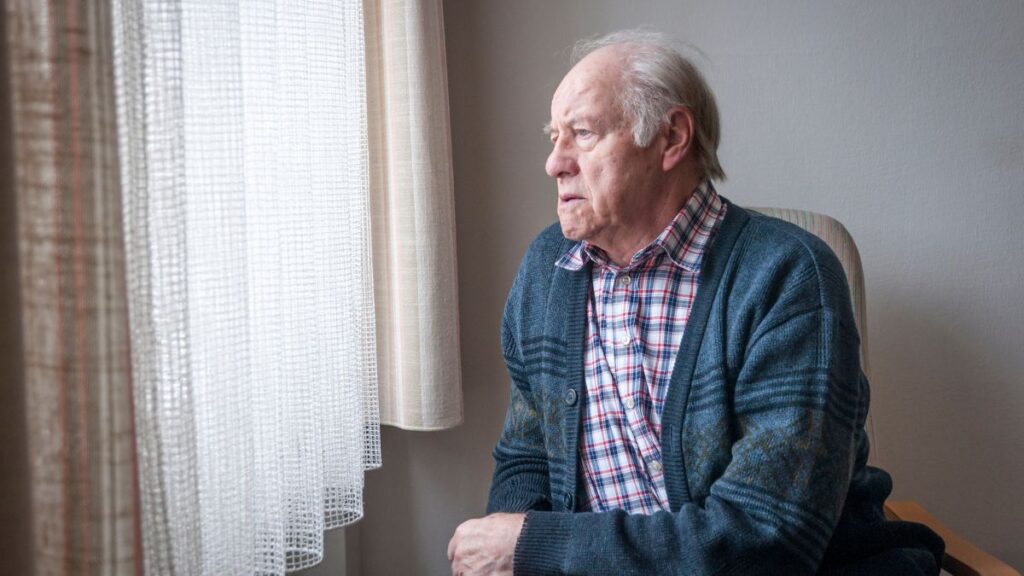
There was no single dramatic moment when everything collapsed. Harley simply began noticing that nearly every part of the peaceful life he had created was changing.
His mornings contained more messages, his calendar contained more commitments, and his budget contained more expenses. Even his quiet afternoons sometimes came with the feeling that he should be doing something else.
That realization bothered Harley more than any argument could have. He had entered the relationship because other people suggested that being alone meant something was missing.
Now he realized something really was missing. The person disappearing from Harley’s retirement was Harley himself.
Once he admitted that, the decision became clearer. He ended the relationship with Sylvia even though he knew doing so would surprise people around him.
The Silence After the Breakup Felt Like Relief
After Sylvia left his life, Harley’s house became quiet again. Yet the silence did not resemble what he had experienced when Ella died.
After losing Ella, silence represented grief and absence. After ending this relationship, silence represented freedom and relief.
Harley could leave his phone on the kitchen counter again. He could spend several hours woodworking without wondering whether he had missed a message.
He could rest after lunch without explaining himself. His schedule, spending, and home once again moved according to his own decisions.
The biggest surprise was how quickly Harley recognized that he had missed those simple freedoms. He had assumed that ending a relationship would make the house feel emptier.
Instead, it made Harley feel more present inside his own life.
Being Alone Was Not the Same Experience as Feeling Lonely
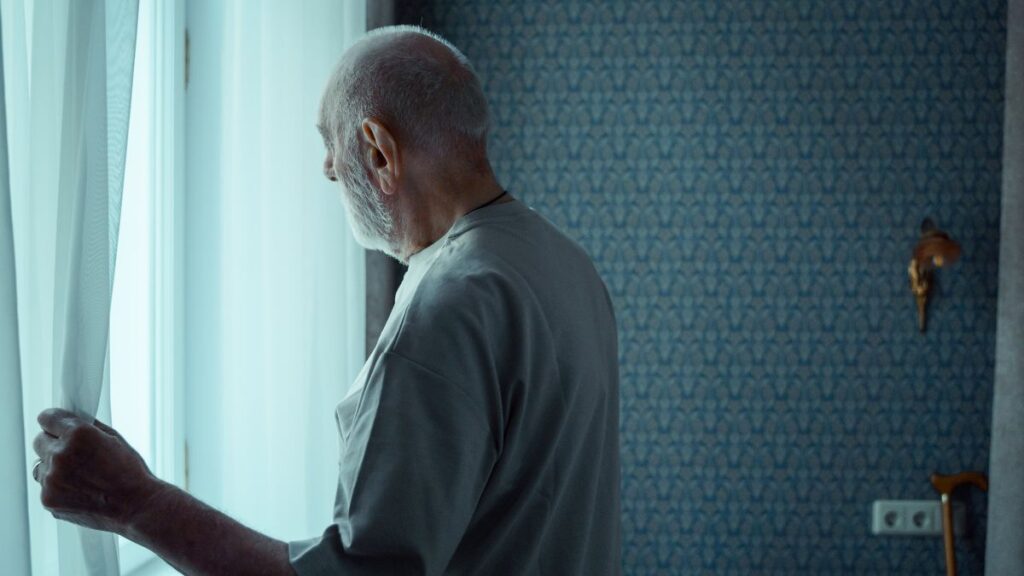
Harley’s story taught him an important distinction. A person can live alone while still having family, friends, hobbies, neighbors, routines, interests, and meaningful human contact.
Loneliness is different because it involves wanting more connection than someone currently has. Chosen solitude can feel restorative when a person genuinely enjoys the life surrounding it.
Harley had experienced both states. The year after Ella died was filled with painful loneliness, while his later quiet retirement contained much more chosen solitude.
Solitude and Loneliness Are Not the Same
| Situation | How It May Feel | Possible Need |
|---|---|---|
| Living alone happily | Peaceful and independent | Maintain useful connections |
| Feeling lonely | Empty or disconnected | More meaningful contact |
| Socially isolated | Few regular interactions | Rebuild social contact |
| Choosing solitude | Restorative and calming | Protect personal space |
| Wanting partnership | Desire for romantic closeness | Seek compatible companionship |
This distinction helped Harley stop viewing his relationship status as a measurement of whether his life was successful. He could value people deeply without needing another person beside him every hour.
That did not mean Harley rejected friendship or family. It simply meant romantic partnership was no longer the only form of companionship he considered meaningful.
Harley Does Not Believe Dating After 70 Is a Mistake for Everyone
At 78, Harley has no interest in telling another older adult not to date. He knows someone else could start a relationship at 73 and find exactly the companionship Harley had hoped to find.
Two people with similar energy, financial habits, communication styles, and independence needs might create a wonderful later life relationship. Harley’s experience cannot determine what will happen for anyone else.
His regret is much narrower. Harley regrets dating because he allowed pressure from other people to become part of the reason he entered the relationship.
He also regrets assuming that liking Sylvia meant their everyday lives would naturally fit. Affection and compatibility turned out to be two different questions.
That is the lesson Harley now considers more valuable. Dating after 70 should begin because two people want the relationship, not because relatives or neighbors believe single life needs fixing.
Older Couples Do Not Have to Combine Everything
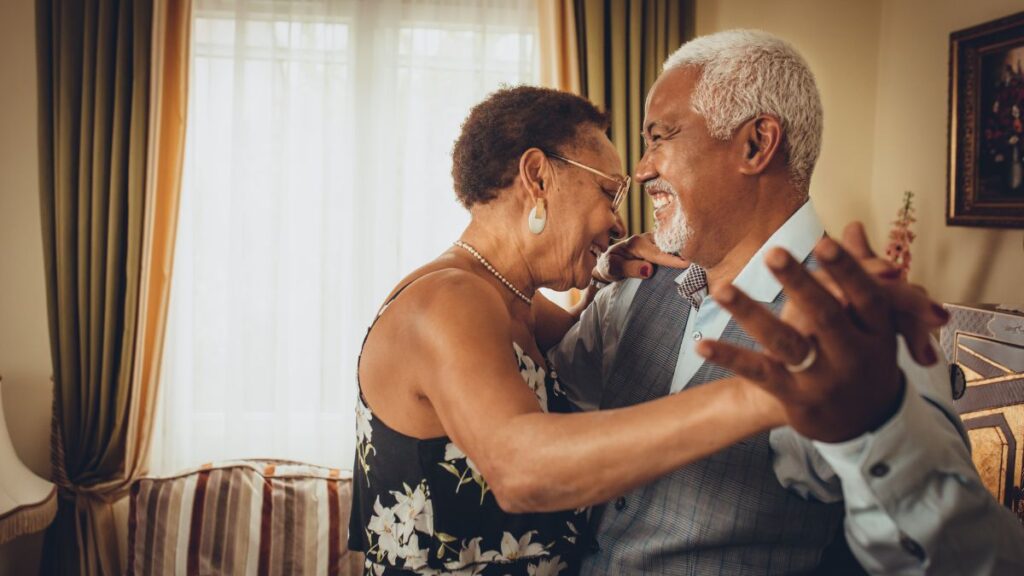
Harley also learned that later life relationships do not need to follow the same structure people may have expected at 30. Dating does not automatically require sharing every routine, expense, weekend, or eventually the same home.
Some older couples maintain separate homes while remaining committed partners. Others spend certain days together and preserve the rest of the week for their own routines.
For a person like Harley, that kind of arrangement might protect more independence. It could allow companionship without requiring two established lives to become one household.
The important part is that expectations are discussed clearly. If one partner wants constant togetherness while the other wants substantial independence, avoiding that conversation only delays the conflict.