Retirement was supposed to give Denis the freedom he had spent decades waiting for. Instead, once the novelty of sleeping later, having nowhere to report, and owning every hour wore off, his days began feeling strangely empty and repetitive.
Almost four years passed before he recognized the problem: he did not simply need more things to do. He needed structure, people, responsibility, anticipation, and reasons for certain days to matter more than others.
These 12 changes reshaped how he approached retirement and finally made his time feel like his own.
1. He Stopped Treating Every Day Like Saturday

During his working years, Saturday felt wonderful because it was different from Monday through Friday. Once Denis retired, however, every morning effectively became Saturday, and the thing that once represented freedom slowly lost its meaning.
He could sleep late, watch television, read the news, run errands, or change plans whenever he wanted. The freedom was pleasant at first, but without contrast between work time and free time, the week began to feel like one long stretch of interchangeable days.
Denis eventually started giving different days different purposes. Monday became his planning and household day, Tuesday was for exercise and errands, Wednesday included a social activity, and Friday became a day he deliberately kept lighter.
He was not rebuilding the rigid schedule he had escaped. He was simply restoring enough structure for his brain to recognize that Tuesday was different from Friday and that there were things worth anticipating.
2. He Put Three Anchors Into Every Week

Denis had initially resisted calendars because retirement, in his mind, was supposed to mean freedom from schedules. What he eventually discovered was that having nothing scheduled could become just as restrictive as having too much scheduled.
He began using three weekly anchors: one physical activity, one social commitment, and one meaningful project. Everything else could remain flexible around them, which gave him structure without making retirement feel like another full-time job.
The change also made it easier to notice when his life was becoming too narrow. If an entire week contained entertainment but no meaningful contact, movement, or purposeful activity, he could see the imbalance before another month disappeared.
A simple weekly check can make this easier. The goal is not to fill every square on the calendar but to make sure retirement contains more than passive free time.
| Weekly Area | Useful Question | Possible Example |
|---|---|---|
| Movement | When will I deliberately move this week? | Walking group, swimming, gardening |
| Connection | Who will I spend meaningful time with? | Lunch, club, family visit |
| Purpose | What will I work toward? | Volunteer shift, project, class |
| Enjoyment | What am I genuinely looking forward to? | Movie, day trip, hobby |
| Recovery | Where is my unscheduled time? | Quiet morning, reading afternoon |
This approach gave Denis both freedom and boundaries. Instead of waking up and asking, “What can I do today?” he usually had at least one answer already waiting.
3. He Quit Expecting Hobbies to Automatically Create Purpose

One of Denis’s early retirement mistakes was collecting hobbies. He bought supplies, experimented with new interests, watched tutorials, started projects, and occasionally abandoned them after a few weeks.
There was nothing wrong with the hobbies themselves. The problem was that he had expected recreation to replace everything work had provided, including identity, progress, usefulness, social contact, and responsibility.
A hobby might provide enjoyment without providing purpose. Denis began distinguishing activities he did simply because they were pleasant from activities that made him feel useful, challenged, connected, or responsible for an outcome.
That distinction helped him stop blaming himself whenever a new pastime failed to transform retirement. Sometimes a hobby only needs to be fun, while other parts of life carry the heavier job of providing meaning.
4. He Found Somewhere People Expected Him to Show Up

Work had given Denis something he barely noticed until it disappeared: people expected him. If he did not arrive, someone noticed, called, changed a plan, or had to handle something differently.
Retirement removed that automatic sense of being needed. Denis could cancel almost anything with no consequence, and over time that freedom started making his schedule feel strangely weightless.
He eventually found a recurring activity where his presence mattered. The specific role was less important than the fact that another person or group was counting on him.
Research on retirement and later-life social roles suggests that meaningful roles can provide purpose, identity, structure, and social contact after paid employment ends.
Evidence is not strong enough to claim that one particular activity works for everyone, but purposeful social participation appears more useful than simply keeping busy.
5. He Rebuilt Casual Social Contact, Not Just Close Friendships
Denis originally thought staying socially connected meant occasionally seeing his closest friends and family. Those relationships mattered, but he underestimated all the smaller interactions work used to provide.
There had been coworkers in the hallway, people at lunch, familiar faces, customers, quick jokes, and five-minute conversations that never appeared important. Retirement removed dozens of those tiny contacts almost overnight.
He began intentionally creating more weak-tie contact by visiting familiar places regularly, talking with neighbors, attending the same group activities, and becoming a recognizable face instead of an occasional visitor.
The National Institute on Aging notes that meaningful activities, volunteering, classes, hobbies, family contact, and other forms of connection can support well-being in later life. It also emphasizes that being alone is not automatically the same thing as being lonely, which is an important distinction for retirees who genuinely enjoy solitude.
Denis began evaluating his weeks by the quality of his social contact rather than simply counting outings. A busy calendar can still feel lonely when nearly every activity is done alone.
| Situation | Looks Busy | May Provide More Connection |
|---|---|---|
| Exercise | Walking alone every day | Walking with the same group weekly |
| Coffee | Buying coffee and leaving | Becoming a regular at a local café |
| Hobbies | Working alone at home | Joining a class or club |
| Volunteering | One-time event | Recurring role with familiar people |
| Family | Waiting for invitations | Scheduling regular contact |
This did not mean Denis had to become highly social. It meant acknowledging that retirement had quietly erased an entire layer of everyday human contact and that some of it needed to be rebuilt deliberately.
6. He Started Moving Before He Tried to “Feel Motivated”
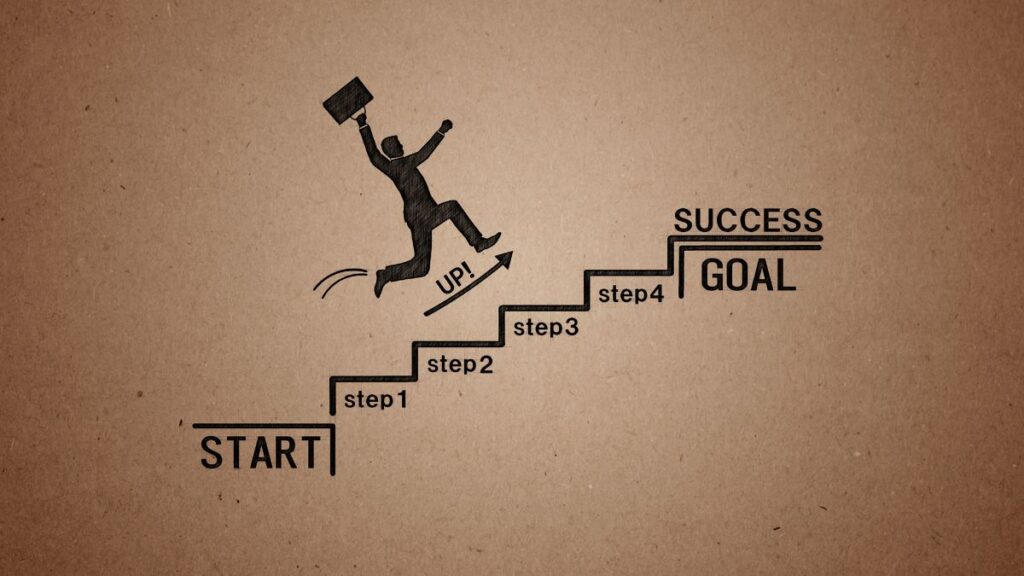
There were mornings when Denis waited to feel energetic before doing anything active. On those days, staying home often won because the couch required no preparation and no decision once he was already sitting there.
He eventually reversed the order. Rather than waiting for motivation, he put certain forms of movement on the calendar and treated them like appointments that could still be adjusted for his abilities, health, and circumstances.
Physical activity was not presented as a cure for retirement boredom. It simply gave part of the day a beginning, an activity, and a sense that something had been accomplished.
The CDC reports that regular physical activity in adults 65 and older is associated with benefits including better sleep, bone health, balance, cardiovascular health, and longer independent living. Appropriate activity levels vary, so retirees with health or mobility concerns may need individualized guidance from a healthcare professional.
7. He Replaced Consumption With Creation

A surprising amount of Denis’s early retirement consisted of consuming things. He watched television, read online articles, checked news, scrolled through videos, ate out, shopped, and looked for places where someone else had already created the experience.
None of those activities was inherently bad. The trouble came when consumption occupied nearly every open hour because it asked so little from him.
Denis started adding activities that produced something: cooking a meal from scratch, repairing an object, growing vegetables, organizing family photographs, writing down stories, building something, or teaching someone a skill.
Creation changed his relationship with time because an afternoon could leave something behind. Even a small finished project gave the day a visible result that another four hours of passive entertainment often did not.
8. He Gave Himself Projects With Finish Lines
Denis had plenty of intentions after retirement, but intentions such as “get healthier,” “travel more,” or “organize the house” were too vague to generate much momentum. Without deadlines or milestones, they could always begin next week.
He started turning broad intentions into projects with clear finish lines. Instead of “learn photography,” for example, the project might become taking and printing 20 photographs of local landmarks by the end of the month.
The project did not need to be impressive enough to show anyone. It simply needed a start, an outcome, and enough difficulty to make progress visible.
For retirees trying something similar, the size of the project matters less than whether it creates forward movement. A retirement calendar filled only with maintenance tasks can feel very different from one that contains something being built, learned, completed, or improved.
| Vague Intention | More Useful Project |
|---|---|
| Get organized | Clear and label one room by month-end |
| Exercise more | Complete three planned walks each week for four weeks |
| Learn something | Finish one beginner course |
| See family more | Schedule one recurring family meal each month |
| Travel | Plan one realistic three-day trip |
| Work on the house | Complete one defined repair or improvement |
The finish line also gave Denis something retirement had been missing: anticipation. Instead of merely passing time, he once again had events and achievements sitting ahead of him.
9. He Allowed Himself to Work Again Without Calling Retirement a Failure

For a long time, Denis believed going back to any form of paid work would mean he had somehow failed at retirement. He had spent decades dreaming about not needing to work, so choosing work again seemed contradictory.
Eventually, he recognized that financial necessity and personal preference are different questions. Someone can be financially retired while still choosing a few hours of paid work because the role provides interaction, responsibility, skill use, or an enjoyable rhythm.
For some retirees, part-time or seasonal work may provide exactly the structure they miss. For others, volunteering, mentoring, caregiving, community involvement, or creative projects may provide the same sense of usefulness without returning to paid employment.
The important change for Denis was dropping the rule that retirement had to look a certain way. He stopped measuring success by how completely he had removed work and started asking whether his weeks actually suited him.
10. He Stopped Saving Enjoyment for Vacations

Denis initially imagined retirement as a series of larger experiences. He thought about trips, special events, family visits, and the occasional big purchase that would finally make all his free time feel worthwhile.
The problem was that even an active retiree spends far more ordinary Tuesdays at home than Tuesdays on vacation. If normal weeks feel empty, two trips a year cannot carry the emotional weight of the remaining months.
He began putting smaller pleasures into regular life. A favorite breakfast, a morning walk somewhere different, a library visit, an afternoon movie, a drive to a nearby town, or dinner with another couple could make an ordinary week feel less disposable.
He also stopped believing every enjoyable activity needed to cost much money. Some of the experiences that improved his week most were inexpensive or free because their value came from anticipation and participation rather than price.
11. He Protected Some Empty Time Instead of Scheduling Everything
Once Denis figured out that structure helped, he nearly made the opposite mistake. He began filling the calendar aggressively because he feared returning to the boredom that had frustrated him for years.
That approach created a different problem. Retirement began feeling over-managed, and activities he had chosen freely started resembling obligations.
He eventually found a middle ground by separating empty time from accidental inactivity. Empty time was intentionally left available for rest, spontaneity, reading, thinking, or changing plans, while accidental inactivity was an entire day disappearing because he had never decided what to do with it.
That difference proved important. Denis did not need every hour to be productive; he needed enough meaningful structure that unstructured hours felt restful rather than endless.
12. He Started Planning Something to Anticipate Every Month
The final change was surprisingly simple. Denis began making sure every month contained at least one specific event he could genuinely look forward to.
It could be a family gathering, minor road trip, concert, fishing morning, dinner, sporting event, home project, class, museum visit, or day with an old friend. The event did not have to be expensive or dramatic; it only had to feel distinct from an ordinary day.
Anticipation restored something work had once created automatically. There had always been weekends, holidays, deadlines, vacations, office events, and milestones sitting somewhere on the calendar.
Retirement gave Denis freedom from those markers but did not automatically replace them. He finally realized that some of the pleasure of an experience comes before it happens, while thinking about it, preparing for it, and knowing a different kind of day is approaching.
A monthly retirement reset can help reveal whether life has quietly become too repetitive. These questions are not a test of whether someone is “doing retirement correctly,” but they can expose areas that deserve attention.
| Ask Yourself | If the Answer Is No |
|---|---|
| Is there something I am looking forward to? | Put one modest event on the calendar |
| Does someone regularly expect me somewhere? | Consider a recurring group or role |
| Am I making or learning anything? | Choose one small four-week project |
| Am I seeing people beyond my household? | Create one recurring point of contact |
| Does my week include movement? | Find an appropriate activity you can repeat |
| Do I still have genuinely free time? | Remove an obligation instead of adding another |
Denis’s answer was not to stay permanently busy. It was to build enough contrast, responsibility, connection, movement, purpose, and anticipation that free time once again felt like freedom.
Why Retirement Boredom Can Be Hard to Recognize

Boredom after retirement can be confusing because, from the outside, nothing appears obviously wrong. A retiree may be financially stable, have a comfortable home, see family occasionally, and have more free time than ever before while still feeling that the days have become flat.
Work provides much more than a paycheck. It can organize sleep schedules, create social contact, supply problems to solve, produce measurable progress, divide weekdays from weekends, and give people an answer when someone asks what they are working on.
Removing work therefore removes several systems at once. A retiree who replaces only the paycheck and entertainment may still discover that other pieces of daily life have gone missing.
This is one reason simply telling a bored retiree to “find a hobby” can miss the point. The better question may be which function of working life disappeared and what could replace that function without rebuilding the parts of working life the person was happy to leave behind.