Losing a spouse at 66 can change everything, even when retirement was supposed to be a peaceful chapter of life. For Austin Tim, starting over meant facing more than grief. It meant learning how to live without the person who had once shared his everyday decisions, conversations, and plans.
The hardest part was not necessarily the major occasions. It was the empty space in ordinary moments, when there was nobody beside him to share something funny, discuss a problem, or talk about the day.
Austin’s story offers 12 lessons about rebuilding life after losing a spouse. They show how independence, friendship, financial stability, and small daily choices can help a person find meaning again without leaving the past behind.
1. Grief Does Not Follow the Schedule Other People Expect

One of Austin Tim’s first lessons was that grief does not disappear simply because several months have passed. Friends and relatives may gradually return to their usual routines, but the surviving spouse is still learning how to live in a changed world.
Some days can feel surprisingly manageable, while others become difficult because of a familiar song, a photograph, or an ordinary household task. These emotional changes do not necessarily mean someone is moving backward.
Austin’s approach to starting over was not to measure his progress against a calendar. He learned to recognize that a difficult afternoon did not erase the better days that came before it.
Grief can also affect sleep, appetite, concentration, and decision-making. Understanding those effects can help a grieving person recognize when additional rest, support, or professional guidance may be needed.
| Common Experience | What It May Feel Like | Helpful Response |
|---|---|---|
| Sudden sadness | Memories become overwhelming | Allow time to process the feeling |
| Trouble concentrating | Simple decisions seem difficult | Handle one task at a time |
| Feeling guilty | Enjoying life feels disloyal | Accept that happiness and grief can coexist |
| Emotional exhaustion | Ordinary activities feel draining | Rest and reduce unnecessary demands |
| Difficult anniversaries | Memories become more intense | Arrange support or meaningful activities |
The important lesson is that rebuilding life does not require someone to stop missing a spouse. A person can carry that loss while gradually becoming more comfortable with the life that remains.
2. The Silence at Home Can Be Harder Than Being Alone
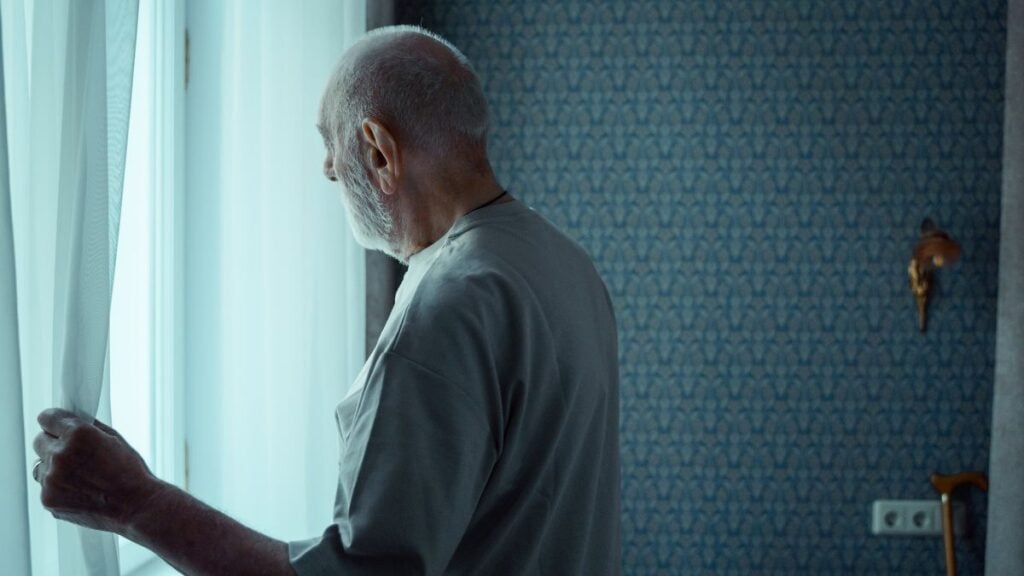
Austin Tim came to understand that loneliness and being alone are not the same thing. A person can enjoy privacy and independence while still missing the everyday companionship that once made a house feel alive.
The absence of small conversations can become especially noticeable. There may be nobody to discuss dinner plans with, complain about the weather to, or share a minor achievement with at the end of the day.
Keeping the television running or filling every hour with activity may temporarily cover that silence. However, constant background noise cannot always replace the comfort of meaningful human connection.
Austin’s lesson was to make room for both solitude and companionship. Quiet evenings could remain part of his life, but regular conversations, shared meals, and occasional outings could stop isolation from becoming his normal routine.
He also learned that feeling lonely did not mean he was incapable of living independently. It meant that emotional connection remained an important human need, even when he was managing life on his own.
3. Accepting Help Is Not the Same as Losing Independence
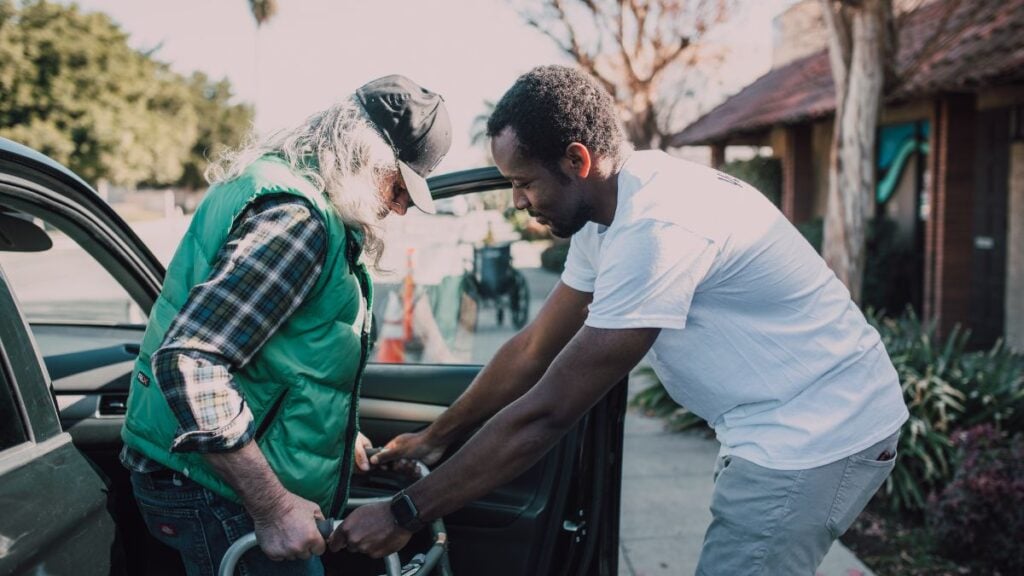
After losing a spouse, even familiar responsibilities can become exhausting. Austin Tim learned that handling everything alone was not necessarily a sign of strength, especially when grief had already consumed much of his energy.
There may be paperwork to organize, household repairs to arrange, appointments to attend, and financial matters to settle. Some responsibilities are urgent, but others can be shared or postponed until the surviving spouse has more emotional energy.
Austin began to see help as something that could protect his independence rather than threaten it. Asking a trusted person to review paperwork or assist with a difficult task did not mean surrendering control over his decisions.
The most useful support often involved specific actions instead of general offers. Someone helping with groceries, providing transportation, or sorting important documents could reduce pressure without taking away his dignity.
| Type of Help | Practical Example | Why It Can Matter |
|---|---|---|
| Emotional | Regular conversations with a trusted friend | Reduces isolation |
| Practical | Assistance with errands or repairs | Makes daily life manageable |
| Financial | Reviewing accounts with a qualified professional | Helps prevent costly mistakes |
| Social | Invitations to small gatherings | Maintains relationships |
| Professional | Grief counseling or a support group | Provides help with difficult emotions |
Austin’s larger realization was that independence did not require complete self-sufficiency. It meant maintaining meaningful control over his life while accepting assistance when it made everyday living easier.
4. Financial Decisions Become More Important When One Income Disappears

One of the most practical lessons of widowhood is that the household budget may change quickly. Expenses that were once supported by two retirement incomes may suddenly have to be covered by one person’s available resources.
Austin Tim learned that surviving spouses need to review their actual income rather than assume their previous household budget will continue. Social Security payments, pensions, retirement withdrawals, insurance benefits, and savings may all require attention.
For eligible surviving spouses, Social Security survivor benefits can provide monthly income. However, the amount depends on the deceased spouse’s earnings record, the surviving spouse’s age, and other circumstances.
A surviving spouse who qualifies for both personal retirement benefits and survivor benefits generally does not receive both full amounts together. The timing of each benefit may affect long-term income, making an individual review worthwhile.
Taxes can also change after widowhood. A surviving spouse may generally file a joint federal return for the year of death if eligible, but the filing status can change in later years.
Austin’s financial lesson was to separate urgent administrative tasks from major decisions that could wait. Paying essential bills and protecting accounts required attention, but selling property or changing long-term investments deserved careful thought.
| Financial Area | What Needs Attention | Possible Next Step |
|---|---|---|
| Social Security | Survivor benefit eligibility | Contact Social Security |
| Pension | Survivor payment options | Speak with the plan administrator |
| Bank accounts | Ownership and access | Confirm account arrangements |
| Life insurance | Beneficiary benefits | Contact the insurer |
| Retirement accounts | Beneficiary rules and taxes | Consult a qualified adviser |
| Monthly expenses | New household income and costs | Prepare an updated budget |
| Federal taxes | Filing status and final returns | Review with a tax professional |
Not every surviving spouse faces financial hardship, and the size of the adjustment varies widely. Still, understanding the numbers can provide more control during a period when many other parts of life feel uncertain.
5. The Family Home Can Feel Comforting and Painful at the Same Time

A home can hold years of memories, familiar routines, and personal belongings. For Austin Tim, the idea of starting over included recognizing that a home can provide comfort while also reminding someone of everything that has changed.
Certain rooms may feel different without a spouse’s presence. Even a favorite chair or familiar kitchen arrangement can bring back emotions that are difficult to predict.
However, those feelings do not automatically mean moving is the right answer. A familiar home may also provide security, supportive neighbors, affordable living arrangements, and a comforting sense of continuity.
Austin learned to think about housing in practical terms as well as emotional ones. Maintenance costs, accessibility, transportation, nearby services, and personal comfort all matter when deciding whether a home remains suitable.
Small changes can sometimes make an existing home feel more manageable. Rearranging furniture, updating a room, improving lighting, or creating a comfortable reading area can help someone establish new routines without removing meaningful memories.
The goal is not to erase the life that once existed inside the home. It is to make the space supportive of the person who continues living there.
6. Small Daily Routines Can Make Life Feel Manageable Again

Marriage often creates routines that become almost invisible over time. Meals, errands, household responsibilities, and evening conversations may follow familiar patterns without much planning.
After widowhood, many of those daily anchors can disappear. Austin Tim learned that too much unstructured time could make difficult emotions feel even heavier.
A simple routine gave his days direction without forcing him to remain constantly busy. Regular meals, morning walks, household tasks, and planned social contact offered practical ways to maintain some stability.
He also learned that retirement did not need to become another full-time job. The purpose of a routine was to provide structure, not to fill every available minute.
| Time of Day | Possible Routine | Main Benefit |
|---|---|---|
| Morning | Breakfast and a short walk | Starts the day with movement |
| Late morning | Household task or appointment | Provides a sense of accomplishment |
| Afternoon | Hobby, phone call, or social activity | Encourages connection |
| Evening | Dinner and relaxing activity | Creates a predictable rhythm |
| Before bed | Reading or another calming habit | Supports a consistent bedtime |
Austin’s lesson was that ordinary habits could become useful foundations for a changed life. Small activities might not remove grief, but they could make the hours feel less uncertain.
7. Physical Health Needs Attention During Emotional Loss
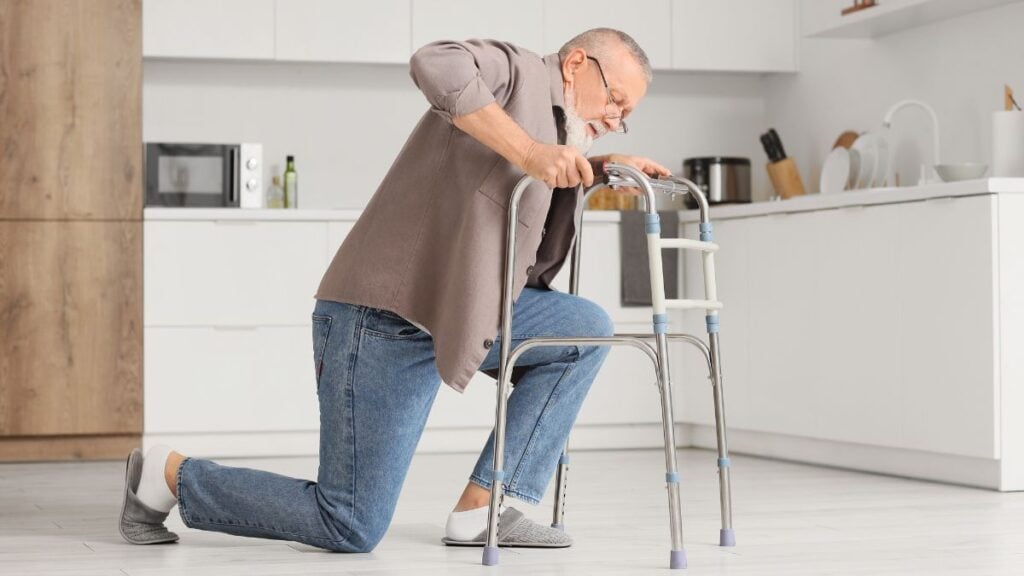
Grief is often discussed as an emotional experience, but it can affect physical well-being too. Austin Tim’s seventh lesson was that looking after his body mattered even when he did not feel particularly motivated.
Changes in appetite, disrupted sleep, low energy, and reduced activity can make daily life more difficult. Someone who once enjoyed preparing meals with a spouse may also find cooking for one less appealing.
Austin’s approach was to focus on manageable habits rather than dramatic lifestyle changes. Regular meals, suitable physical activity, medical appointments, and enough rest could help him maintain the independence he valued.
Walking, light gardening, stretching, and appropriate strengthening exercises are possible options for many older adults. The safest level of activity depends on individual health, mobility, and medical advice.
He also recognized that physical symptoms should not automatically be dismissed as grief. Persistent sleep problems, major appetite changes, unusual weakness, or other concerning symptoms deserve attention from a healthcare professional.
Maintaining health was not about proving that life could continue exactly as before. It was about protecting the physical ability to participate in the activities and relationships that still mattered.
8. Old Friendships Matter, but New Connections Matter Too
After losing a spouse, social relationships can change in unexpected ways. Austin Tim learned that some friends may remain closely involved, while others may struggle to know what to say or how to include a widowed person in familiar activities.
Couples who once socialized together may unintentionally stop extending invitations. Friends may worry that mentioning the deceased spouse will cause pain, even when the surviving spouse would welcome an opportunity to talk.
Austin’s lesson was not to assume that every change in friendship represented rejection. People sometimes respond awkwardly to grief because they feel uncertain rather than uncaring.
Maintaining relationships may require taking the initiative. A phone call, coffee invitation, walking group, or community activity can create opportunities for regular contact.
New friendships can also become meaningful without replacing older relationships. Other widowed adults may understand certain experiences, while friends with different backgrounds can bring fresh conversations and interests.
The strongest social life after widowhood is not necessarily the busiest one. It is a life where someone has people they trust, activities they enjoy, and relationships that provide a genuine sense of belonging.
9. Finding New Interests Does Not Mean Forgetting a Spouse
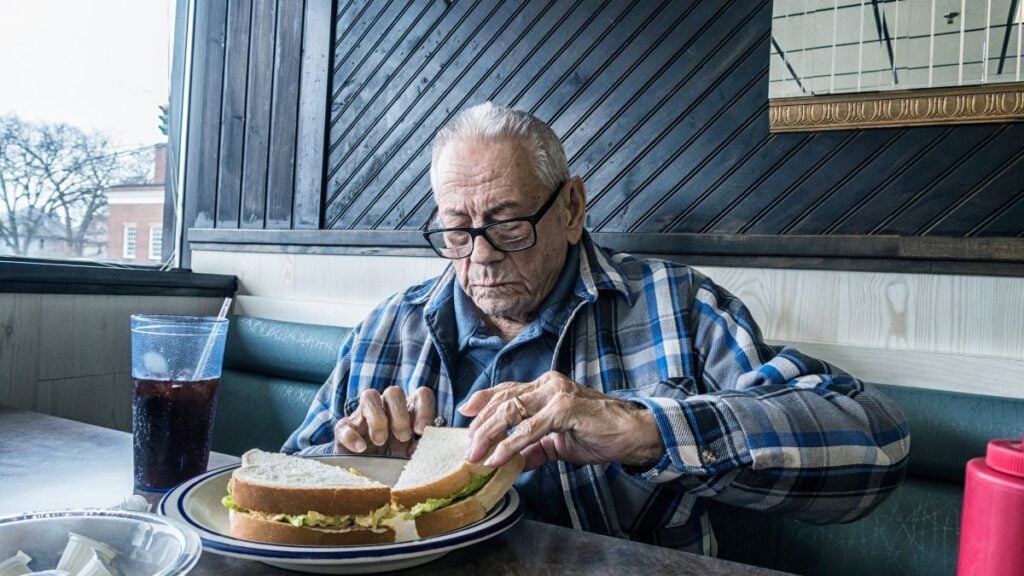
Austin Tim learned that rebuilding a meaningful life required more than simply finding ways to pass the time. It involved discovering activities that offered enjoyment, accomplishment, or a reason to look forward to the next day.
For someone who spent years sharing hobbies and plans with a spouse, choosing activities alone may initially feel strange. A restaurant, vacation destination, or social event can seem less appealing when the familiar companion is missing.
However, new interests do not have to compete with old memories. Gardening, volunteering, learning a skill, joining a community group, or returning to a forgotten hobby can help create a sense of personal direction.
Austin came to recognize the difference between staying occupied and feeling engaged. An afternoon filled with random errands could pass quickly, but an activity that felt personally rewarding offered something more lasting.
He also learned that purpose did not require a major achievement. Helping a neighbor, caring for a pet, mentoring someone, or contributing to a local organization could provide satisfaction through ordinary acts.
The most meaningful activities were those that reflected the person he was becoming. They allowed his life to grow without requiring him to reject the experiences that had shaped him.
10. Holidays and Anniversaries Need a Different Kind of Preparation

Certain dates can carry a special emotional weight after widowhood. Birthdays, wedding anniversaries, holidays, and family celebrations may bring back memories of traditions that once seemed permanent.
Austin Tim learned that these occasions could be difficult even after everyday life became more manageable. A person might feel comfortable throughout an ordinary week but experience intense sadness when an important date approaches.
Preparing for those moments can reduce some of the uncertainty. Making plans with trusted people, continuing selected traditions, or creating a quieter celebration can help a surviving spouse decide how the day will be spent.
Not every tradition needs to continue unchanged. A large family gathering might become a smaller dinner, while an anniversary might be marked by looking through photographs or visiting a meaningful place.
Austin also recognized that avoiding every reminder was not necessarily the only way to cope. Some memories could be painful and comforting at the same time, depending on the day and the person.
There is no requirement to celebrate in a particular way. The most useful approach is one that allows room for remembrance while respecting the surviving spouse’s current emotional needs.
11. Companionship and Dating Are Personal Choices, Not Deadlines

Starting over after losing a spouse does not automatically mean searching for another romantic relationship. Austin Tim learned that companionship can take many forms, and each widowed person has different needs and preferences.
Some people eventually become interested in dating, while others prefer friendship, family connections, and independent living. Neither choice proves that someone loved a deceased spouse more or less.
Austin’s lesson was that future relationships should not be treated as a test of loyalty. Enjoying another person’s company does not remove the memories, commitment, or meaning of an earlier marriage.
At the same time, loneliness alone is not a sufficient reason to rush into a serious relationship. Emotional readiness, shared values, personal boundaries, and financial independence remain important considerations.
Older adults who begin dating may also need to think carefully about money, housing, inheritance plans, and expectations around caregiving. These discussions can feel uncomfortable, but avoiding them may create problems later.
A new partner should not be expected to fill every empty space left by a spouse’s death. Healthy companionship offers the possibility of a different relationship rather than an exact replacement for the one that ended.
12. A Different Future Can Still Be a Meaningful One
Perhaps Austin Tim’s most important lesson was that the loss of a spouse did not require the loss of every future possibility. Life at 66 may look very different from the retirement years a couple once imagined, but meaningful experiences can still lie ahead.
This realization does not erase sadness or guarantee happiness. It simply leaves room for the idea that grief and personal growth can exist together.
Austin came to understand that starting over was not the same as returning to the person he had been before widowhood. His circumstances had changed, and some parts of daily life would always be different.
What mattered was retaining enough freedom to make decisions, maintain relationships, enjoy ordinary activities, and plan for the future. Even modest goals could provide a reason to remain engaged with life.
A future plan might involve visiting relatives, improving the home, learning something new, or spending more time with friends. Its value would come from giving the days ahead a sense of possibility rather than from how impressive it appeared to others.
The lesson was not that life would eventually become the same again. It was that a changed life could still contain connection, purpose, enjoyment, and peace.
What Starting Over After 66 Can Look Like in Practice
Austin Tim’s 12 lessons point to an important distinction. The practical tasks following a spouse’s death and the emotional process of rebuilding life are connected, but they do not always happen at the same pace.
Some responsibilities cannot wait indefinitely, including essential bills, benefit applications, and estate administration. Other choices, such as relocating, changing personal routines, or beginning a new relationship, may deserve more time.
A simple framework can help separate these responsibilities without suggesting that grief must follow a fixed schedule.
| Period | Practical Focus | Personal Focus |
|---|---|---|
| First few weeks | Handle immediate arrangements and essential bills | Accept support and protect basic routines |
| First few months | Review income, benefits, and financial documents | Maintain trusted relationships |
| Following months | Reassess housing and household needs | Explore manageable activities and interests |
| Longer term | Update financial and estate plans as needed | Build routines and future goals that feel meaningful |
These periods are flexible, not deadlines. Legal and financial responsibilities vary by location and circumstances, while emotional adjustment can take much longer than any administrative task.
For Austin, the broader lesson was to avoid treating every problem as something that required an immediate answer. Breaking large responsibilities into smaller decisions could make a difficult period feel more manageable.

Jake is a chainsaws expert with a wealth of knowledge and experience in the field. He is a licensed professional by the National Chainsaw Program, which attests to his skills and expertise in the safe and efficient use of chainsaws.