
Your body clock thinks it’s 2 AM. But you just woke up. You’ve lost track of what day it is. Welcome to year three underground.
Most bunker survival guides focus on food, water, and air. Nobody talks about what happens to your brain after years without sunlight or natural time cues. The living underground psychological effects go deeper than you think.
This guide shows how your brain changes during long-term isolation. You’ll learn the mental health challenges research proves—not theories from YouTube. We cover warning signs and practical ways to protect your mind. Your circadian rhythm breaking is just the beginning.
Your Internal Clock Breaks Down (And You Won’t Notice)

Your 24-Hour Day Becomes 25 Hours
Your body no longer knows what time it is. Bunker experiments in the 1960s showed that people’s internal clocks shifted to 25 hours. Your natural circadian period is 24.2 hours, not 24. That extra time adds up fast. One subject spent five weeks underground, but thought only three weeks had passed. You won’t realize it’s happening.
Time Disappears Underground
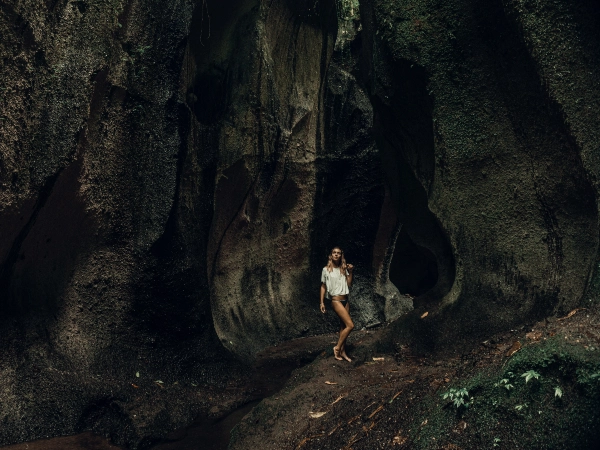
Beatriz Flamini spent 500 days in a cave and thought only 160-170 days had passed. She lost two-thirds of her time. Modern studies confirm your body rhythms drift without external cues. Without sunrise and sunset, time perception underground becomes meaningless. Days blur into weeks. Weeks disappear into months.
Your Body Pays the Price
This broken biological clock affects everything. Sleep falls apart first. You sleep 12 hours but feel exhausted. Or you’re awake at 3 AM. Hunger hits randomly. Mood swings wildly. Energy crashes. The scary part? You think you’re fine. Your brain adapts to the chaos. The circadian rhythm disruption feels normal. But your body knows something’s wrong.
Vitamin D Drops and Your Mood Crashes With It

Your Brain Chemistry Changes
Vitamin D affects neurotransmitters and circadian rhythm. Without sunlight, your brain lacks what it needs, weakening immunity and increasing infection risk. Studies show 4000 IU daily for four weeks reduced depression scores from 3.95 to 2.95—a measurable improvement. Sleep quality also improves with supplementation.
Sleep Disorders Get Worse

Vitamin D deficiency has been linked to non-24-hour sleep-wake disorders. Your already broken underground sleep schedule becomes even more chaotic. Vitamin D deficiency symptoms pile on top of isolation effects.
Supplements Help, But Aren’t Enough
Pills help manage the worst vitamin D deficiency symptoms. But they don’t replace actual sunlight exposure. Vitamin D is essential for bones, inflammation reduction, and immune system support. Underground health effects multiply when you can’t get natural light. Your body knows the difference between a pill and the sun.
Social Isolation Rewires Your Brain

Your Brain Chemistry Changes
Social isolation affects neurotransmitter systems, including serotonin and dopamine. These chemicals control your mood, motivation, and emotional regulation. Long-term confinement mental health issues start at the chemical level. About 1 in 3 adults in the U.S. reports feeling lonely. In 2024, 30% of American adults felt lonely at least weekly, with 10% feeling lonely every day.
Loneliness Doubles Depression Risk

Lonely people are twice as likely to get depressed. Social isolation effects compound underground. Young adults aged 18-34 were most vulnerable, with 30% feeling lonely daily or several times a week.
Physical Health Collapses Too
Loneliness increases the risk of stroke, heart disease, diabetes, and cognitive decline. A 2023 Gallup study found nearly a quarter of the global population felt “very lonely” or “fairly lonely”. Loneliness health risks are real and measurable.
The Walls Start Closing In (Even When They’re Not)
Claustrophobia Develops Over Time
About 12.5% of the population has claustrophobia. But underground, those numbers climb. Studies suggest up to 30% of novice cavers experience anxiety in confined underground spaces. Even people without claustrophobia can develop it after extended underground time. “Feeling of confinement” was the most frequently mentioned psychological factor in underground spaces research.
Your Mind Creates the Danger

Underground environments trigger phobias that negatively influence mental health and working ability. Confined space anxiety builds slowly. You don’t notice until panic hits. On average, 15 people every year are killed working in confined spaces in the UK, partly due to psychological stress.
The Statistics Are Grim
Research shows 5-10% of the world population is affected by severe claustrophobia. Underground psychological stress multiplies that risk. About 10% of the UK population is affected by claustrophobia during their lifetime. Claustrophobia underground isn’t a weakness. It’s biology.
Your Memory Gets Fuzzy and Days Blur Together

Every Day Feels the Same
Isolation creates a lack of stimulating experiences that impacts quality of life and increases cognitive decline. Unique events improve memory, but underground life lacks these markers. Memory problems isolation starts when nothing stands out anymore. The term ‘Blursday’ became a 2020 Word of the Year during COVID lockdowns to describe this phenomenon. Time perception changes make weeks disappear.
Your Brain Can’t Form Memories

Social isolation significantly affects time perception, making days blur together. Without temporal landmarks, the brain struggles to form distinct memories. Flamini noted: “I’m still stuck on November 21, 2021. I don’t know anything about the world.”
The Damage Is Measurable
Studies during COVID showed increases in depression, anxiety, stress, and memory impairments during isolation. Cognitive effects of confinement are real. Research with older adults showed that unique events reduced boredom and made time feel faster. Without variety, your brain shuts down.
Your Body Thinks You’re Sick (Because It Is)

Your Immune System Collapses
Lack of sunlight weakens your immune system, making you more susceptible to flu, colds, and infections. Sunlight increases serotonin production, the hormone associated with calmness and mood boosting. An immune system without sunlight can’t fight off basic threats. Underground environments affect both physiological and psychological health factors.
The Research Proves It

HEUW study recruited 464 participants at baseline, with 424 (91.4%) followed up at 3 months. Studies track circadian rhythm, health-related quality of life, and lung function in underground workers. Underground health effects show up in blood tests and medical exams.
Physical Symptoms Appear Silently
Research identified design factors related to air, sound, light, and nature in underground spaces. Physical symptoms isolation creates appear even when you think you’re mentally fine. Your body knows something’s wrong before your brain does.
Warning Signs Your Mind Is Struggling

Your Sense of Time Breaks
Time estimation becomes wildly inaccurate. You can’t remember if something happened yesterday or last week. Mental health warning signs start subtly. You sleep at odd hours and feel tired all the time. Sleep patterns completely shift without you noticing.
Your Emotions Go Numb

Emotional responses feel different or numbed. Mood swings hit without obvious triggers. You feel anxious in spaces that used to feel comfortable. These underground living symptoms mean your brain is overwhelmed.
Your Body Warns You
Motivation disappears completely. You get sick more often than normal. Physical symptoms with no clear cause appear. These are psychological distress indicators your mind can’t ignore anymore. If you notice three or more signs, your brain needs help now.
How to Protect Your Mental Health Underground?

Create Artificial Time Markers
Set alarms for “morning,” “afternoon,” and “evening” even without the sun. Strict schedule adherence saves your sanity. Create artificial landmarks with special meals on specific “days.” Keep detailed journals with dates. Design factors like artificial lighting and spatial context significantly impact psychological well-being. Use bright light therapy boxes. Designate different areas for different activities.
Supplement What Sunlight Gave You
Take vitamin D supplements daily, with a minimum of 4000 IU. This isn’t optional for underground survival mental health. Stress management training, including deep breathing exercises and mindfulness practices, helps manage psychological stress. Confined Spaces Psychology: Key Challenges. Maintain exercise schedules regardless of how you feel.
Stay Connected Somehow
Install communication systems to maintain contact with others. Social connection through any means possible protects your brain. Create varied experiences and “unique events” to give your memory something to hold onto. These bunker living tips build psychological resilience underground. Your mind needs structure when everything else is chaos.
