
Retirement can remove far more than a paycheck. It can also erase daily conversations, familiar faces, shared routines, and the small moments that once made a person feel part of something.
When those contacts disappear, loneliness can grow quietly, and the health stakes are more serious than many retirees realize.
The often repeated “15 cigarettes a day” comparison comes from research on lacking social connection and premature mortality.
It is not a literal one for one medical equation. The good news is that connection can be rebuilt, and the most useful fixes are often practical, repeatable, and surprisingly small.
What the “15 Cigarettes a Day” Claim Really Means

The U.S. Surgeon General’s advisory states that lacking social connection can carry a premature mortality risk comparable to smoking up to 15 cigarettes a day.
The advisory describes the comparison as a visual approximation based on mortality research, so it should not be read as saying loneliness physically damages the body in exactly the same way as smoking.
Newer research also shows why careful wording matters. A systematic review covering 86 studies of older adults found loneliness associated with a 14 percent increase in all cause mortality, social isolation with a 35 percent increase, and living alone with a 21 percent increase, though the results varied substantially between studies.
The first step is therefore figuring out which problem you actually have. These three situations can overlap, but they are not interchangeable.
| Situation | What It Means | What May Help Most |
|---|---|---|
| Loneliness | You feel disconnected or emotionally alone | Deeper, more meaningful relationships |
| Social isolation | You have few regular contacts or sources of support | More repeated social contact |
| Living alone | No one else lives in your household | Depends on whether you actually feel lonely or isolated |
A retiree who enjoys living alone may need no fixing at all. Someone surrounded by family can still feel deeply lonely if those relationships lack closeness, trust, or shared purpose.
Why Retirement Can Make the Problem Appear So Fast

Work quietly provides more social structure than many people notice. There are coworkers, customers, meetings, lunch conversations, familiar faces, routines, responsibilities, and reasons to leave the house.
Retirement can remove much of that structure in a single week. The National Institute on Aging lists retirement, loss of loved ones, mobility problems, hearing or vision problems, living alone, financial strain, and lack of transportation among factors that can increase the risk of isolation or loneliness.
That explains why the solution is rarely “make more friends.” Sometimes the real missing piece is routine. Sometimes it is purpose, transportation, companionship, emotional closeness, or simply having somewhere people expect you to show up.
The National Institute on Aging also notes that about one in four adults age 65 and older are socially isolated. That makes social planning a sensible part of retirement planning rather than something to think about only after loneliness becomes severe.
1. Put Recurring Contact on Your Calendar

A vague plan to “see people more” is easy to postpone. A standing Tuesday coffee, Thursday phone call, Saturday walk, or Sunday meal turns connection into part of the week.
The National Institute on Aging specifically recommends scheduling regular contact with family, friends, and neighbors. Contact can happen in person, by phone, through messages, or through video calls.
Start smaller than you think you need. Two reliable contacts every week may be more useful than filling one weekend with social events and spending the next two weeks alone.
2. Choose Groups Where the Same People Keep Coming Back
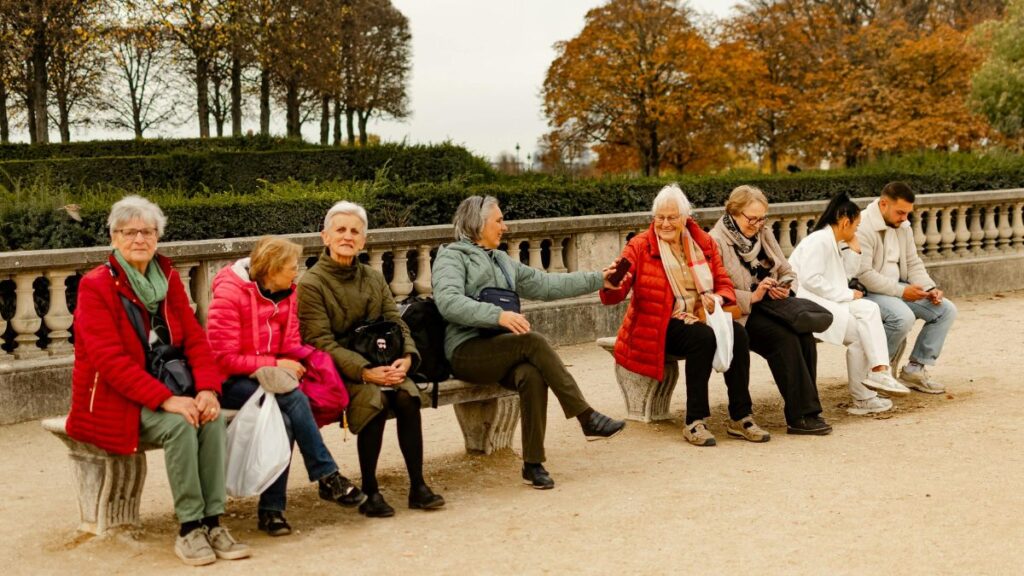
Going to one festival, lecture, or community event can be enjoyable, but repeated meetings have another advantage. The same strangers slowly become familiar faces, and familiar faces have a chance to become friends.
Look for weekly walking groups, book clubs, card groups, choirs, classes, community programs, hobby clubs, or faith communities.
Research on community living older adults has found moderate evidence that some group based interventions can reduce loneliness, although the average effects are modest and no single program works for everyone.
Here is a useful way to match the solution to the problem. The goal is not maximum social activity, but the right type of contact.
| What Feels Missing | Better First Move | Why |
|---|---|---|
| Daily conversation | Recurring class or walking group | Creates regular contact |
| Emotional closeness | Reconnect with one trusted person | Focuses on relationship depth |
| Feeling useful | Volunteer or mentor | Adds contribution and purpose |
| Fun and energy | Social hobby or exercise group | Gives people something to do together |
| Support after loss | Grief or caregiver group | Connects you with people who understand |
The best option is usually one you can repeat without exhausting yourself. A social plan that requires constant effort may disappear after the first burst of enthusiasm.
3. Volunteer Where Someone Actually Depends on You

Volunteering can provide three things retirement sometimes removes at once: people, structure, and usefulness. Instead of attending an activity simply to socialize, you have a job to do with other people.
The National Institute on Aging recommends volunteering as one way to build connection and purpose. Its guidance notes that meaningful activities with others may support mood and well being while giving people a sense of mission.
Try to find a role that repeats. A weekly food pantry shift, tutoring assignment, museum role, animal shelter schedule, community garden, or mentoring commitment gives people time to know you.
4. Combine Exercise With Human Contact

Exercise does not need to be a solitary hour on a treadmill. Walking groups, water aerobics, pickleball, tai chi classes, cycling groups, and community fitness programs can put movement and social contact in the same block of time.
NIA recommends staying physically active and specifically suggests exercising with others. CDC guidance also links social connection with better health behaviors and well being.
The activity should match your health and mobility. The social advantage comes from showing up with other people regularly, not from turning retirement into an athletic competition.
5. Rebuild One Old Relationship Instead of Finding Ten New Ones

A friendship does not always end because something went wrong. Careers, moves, caregiving, marriages, children, and busy schedules can simply stretch people apart.
Choose one person you genuinely miss and make a specific invitation. Instead of writing “We should get together sometime,” suggest coffee next Wednesday, a phone call Sunday afternoon, or lunch later in the month.
Do not judge the entire relationship by the first response. People may have full calendars or health and family demands that have nothing to do with how they feel about you.
6. Turn Familiar Acquaintances Into Real Friends
Some retirees already see plenty of people but still feel lonely. Their problem may be that most relationships stay at the level of weather, sports, errands, or neighborhood small talk.
Try moving one relationship a little deeper. Ask someone to join you for coffee after an activity, remember something they mentioned last week, share a little more about yourself, or offer help with something small.
Research reviews suggest loneliness interventions may work better when they address several needs rather than simply creating more opportunities to stand near other people. Social skills, support, opportunities for contact, and patterns of thought can all matter.
7. Become the Person Who Creates the Invitation

One difficult part of later life is that everyone may be waiting for somebody else to make the first move. Friends can quietly assume you are busy while you assume the same thing about them.
Create something small enough to repeat. Invite two neighbors for coffee once a month, organize a four person card night, plan a regular breakfast, or ask another couple to walk after dinner once a week.
You do not need to become the neighborhood social director. The goal is to create one reliable point of connection that does not depend on spontaneous invitations appearing.
8. Use Technology as a Bridge, Not Your Entire Social Life

Distance matters more after retirement when children move, old coworkers scatter, or health makes travel harder. Video calls, messaging groups, online classes, and community forums can help keep relationships active.
A 2024 systematic review found moderate certainty evidence that internet training programs were associated with modest reductions in loneliness among community living older adults. Researchers did not conclude that every digital intervention works, but the evidence suggests technology can be useful when it increases genuine connection.
Use the screen to support relationships whenever possible. A message can become a phone call, a video conversation can maintain a long distance friendship, and an online group can sometimes lead to an in person activity.
9. Replace Lost Work Purpose With a Role That Matters
Some people do not primarily miss coworkers. They miss being needed.
Retirement removes deadlines, decisions, problems to solve, expertise to share, and people who once depended on your contribution. Simply filling those hours with entertainment may not replace that feeling.
Mentoring, tutoring, seasonal work, consulting, community boards, caregiving, volunteering, or helping a nonprofit can restore a useful role.
A recent review of research on employment and later life found that social engagement and work related activity can provide structure, social contact, and purpose, although retirement affects people differently.
The answer does not have to be another career. It may be one responsibility each week that gives you a real reason to show up.
10. Check Whether Hearing, Vision, or Mobility Is Quietly Shrinking Your World
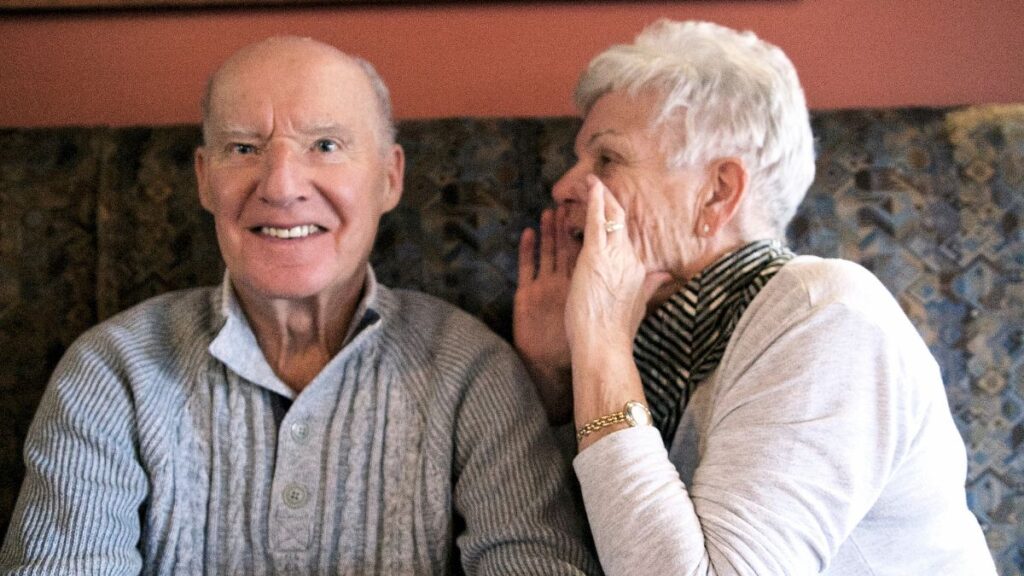
Sometimes the social problem starts with a physical barrier. A noisy restaurant becomes exhausting when conversation is difficult to hear, stairs make a club harder to attend, or night driving makes evening gatherings impractical.
NIA specifically identifies hearing loss, vision problems, disability, mobility limits, and difficulty leaving home as factors that can contribute to isolation. Hearing trouble can cause people to withdraw because conversation becomes frustrating or embarrassing.
Several common barriers have practical workarounds. Identifying the real obstacle can be far more useful than blaming yourself for “not being social enough.”
| Barrier | What Can Happen | Practical Workaround |
|---|---|---|
| Hearing difficulty | Group conversations become tiring | Choose quieter settings and discuss hearing concerns with a clinician |
| Limited mobility | Activities feel physically difficult | Look for accessible venues or seated groups |
| Night driving | Evening events disappear | Shift meetings to daytime |
| Rural location | Fewer nearby programs | Combine local contacts with phone or online groups |
| Technology discomfort | Long distance relationships fade | Ask a library or community center about basic tech help |
| Transportation limits | Appointments and groups become harder to reach | Contact local aging services about transportation options |
This is where community resources can matter as much as motivation. Removing one practical barrier may reopen several relationships at once.
11. Treat Transportation as a Social Need
A person can want more connection and still have no practical way to reach it. Giving up driving, living far from family, or losing access to public transportation can slowly turn ordinary social plans into major projects.
The Administration for Community Living’s Eldercare Locator connects older adults and families with local services, including transportation and community support. The service can be reached at 800 677 1116.
It is worth asking what transportation exists before deciding an activity is impossible. Local aging agencies, community organizations, senior programs, volunteer driver services, and transit systems differ widely by location.
12. Find People Who Understand the Same Loss

A general social group is not always enough after the death of a spouse, divorce, caregiving strain, retirement shock, or a serious change in health. Sometimes a person wants to talk with someone who does not need the situation explained.
A grief group, caregiver group, veterans group, retirement transition group, or health related support group can provide that shared context. NIA also recommends online or in person support groups for people dealing with certain forms of isolation and cognitive or caregiving challenges.
The first group may not fit. It is reasonable to try another format if a particular meeting feels too large, too formal, or simply wrong for you.
13. Consider a Pet Only If the Responsibility Fits Your Life
A dog, cat, or other companion animal can add routine, affection, conversation starters, and a reason to get up and move. For some people, especially those living alone, that daily presence can be meaningful.
NIA includes pet ownership among possible ways of increasing connection, but adds an important condition: you need to be able to care for the animal.
Think about cost, allergies, mobility, housing rules, travel plans, veterinary care, and what happens if you become ill. If full ownership does not fit, volunteering with animals or occasionally caring for someone else’s pet may provide some of the benefits with less responsibility.
14. Tell a Health Professional When Loneliness Will Not Ease

Loneliness is a social problem, but persistent loneliness can overlap with depression, anxiety, grief, sleep problems, declining health, and withdrawal. Trying another club is not always enough.
NIA recommends telling a doctor or another health professional when you are feeling lonely or isolated much of the time. Sharing major changes such as bereavement, divorce, retirement, or health problems can help a clinician see the larger picture.
Pay particular attention when normal routines start disappearing. The goal is not to label every quiet week as a medical problem, but to recognize when the situation is becoming hard to change without extra support.
The following signs can help separate an ordinary lonely spell from a problem that deserves more attention. No single item proves something is wrong, but several persistent changes are worth discussing.
| What You Notice | A Sensible Response |
|---|---|
| Loneliness lasts for weeks and is getting worse | Tell your doctor or another health professional |
| You stop doing activities you normally enjoy | Discuss the change instead of assuming it will pass |
| Sleep, appetite, or daily care changes sharply | Ask for professional guidance |
| Grief feels impossible to manage alone | Consider grief counseling or a support group |
| You rarely speak with anyone for long periods | Contact local aging or community services |
| You feel unsafe or have thoughts of harming yourself | Seek immediate crisis or emergency help |
Asking for help does not mean ordinary friendship has failed. It means the problem may need more than one type of support.
A Seven Day Reset Can Make Connection Feel Manageable
Trying to rebuild an entire social life at once can create another problem: pressure. A better starting point is one week with several small actions that address different types of connection.
None of the steps below needs to become permanent. The purpose is to discover which forms of contact actually leave you feeling better rather than simply busier.
| Day | Small Action | What It Tests |
|---|---|---|
| Monday | Call someone you already trust | Existing relationships |
| Tuesday | Walk or exercise around other people | Social movement |
| Wednesday | Research one recurring local group | New repeated contact |
| Thursday | Message an old friend | Reconnection |
| Friday | Ask about one volunteer opportunity | Purpose |
| Saturday | Invite someone for coffee or a meal | Initiative |
| Sunday | Review which contact felt most meaningful | Relationship quality |
At the end of the week, do not count how many people you spoke with. Ask which interaction gave you energy, which felt natural, and which you would willingly repeat.
That answer tells you far more than the size of your contact list.
