
Low-light indoor plant ideas can finally bring life to your dark corners and windowless rooms. Your home feels empty and lifeless because you think plants won’t survive in dim spaces.
Shade-loving beauties thrive in low light conditions, purifying air and adding natural beauty to bathrooms, offices, and north-facing rooms that other plants can’t handle.
Transform dim spaces with low-light indoor plants ideas that work in your darkest rooms. Snake plants, pothos, ZZ plants, peace lilies, these resilient beauties flourish in low light while cleaning your air and boosting your mood.
40 Easy-Care Low-Light Indoor Plants for Dark Corners

1. ZZ Plant (Zamioculcas zamiifolia)
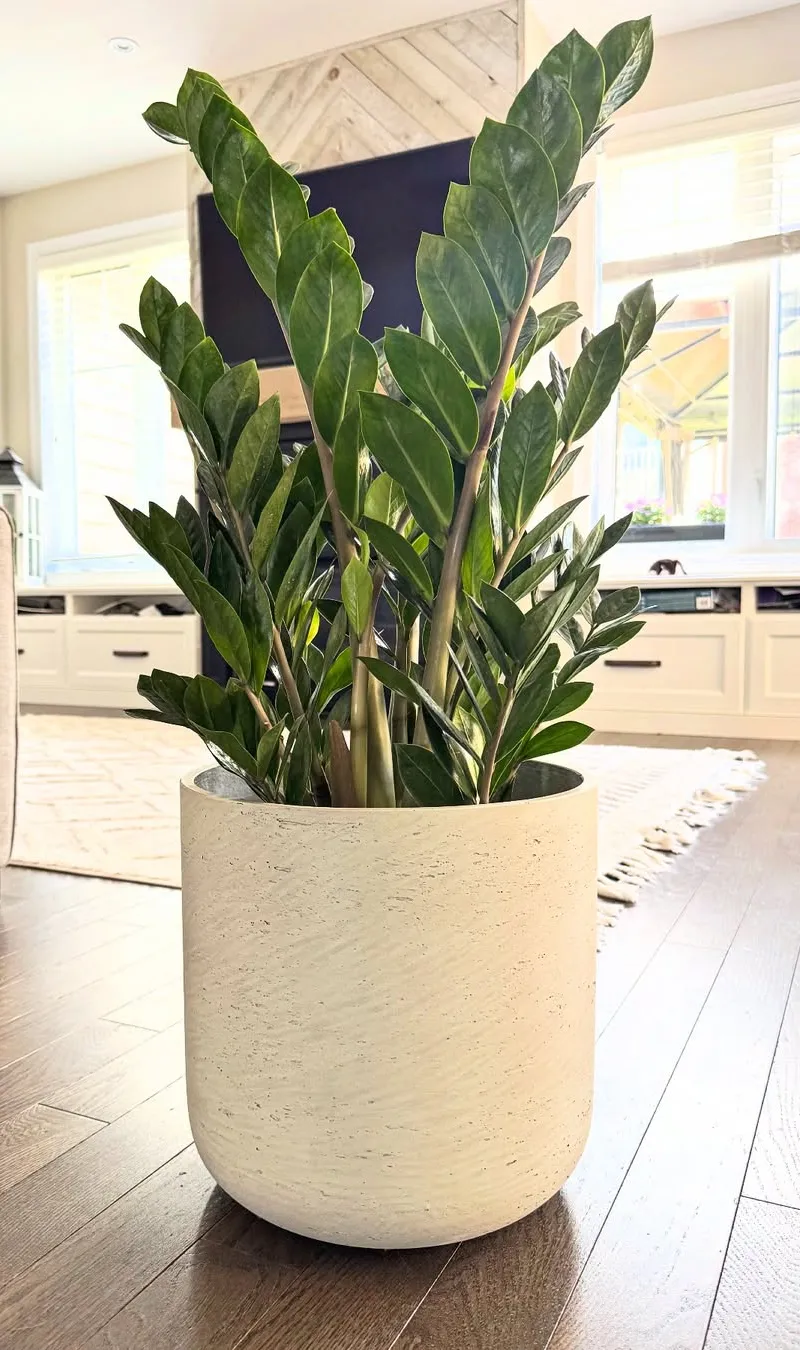
Also known as the Zanzibar gem or eternity plant, this glossy-leafed stunner is virtually indestructible. Its thick, waxy leaves store water like a succulent, while underground rhizomes help it survive long periods of neglect. Native to eastern Africa, ZZ plants naturally grow in drought-prone areas, which explains their incredible tolerance for forgetful plant parents.
Size: 1 to 3 feet tall
Water: Water deeply every 2 to 4 weeks, allowing soil to dry completely between waterings. Yellow leaves usually indicate overwatering – these plants prefer to stay on the dry side.
Light: It thrives in low—to medium-light conditions, perfect for offices or rooms with limited natural light. It can tolerate fluorescent lighting.
2. Bamboo Palm (Chamaedorea seifrizii)

Also called reed or parlor palm, this graceful beauty brings tropical elegance to any space with its feathery, bamboo-like stems and arching fronds. Unlike true bamboo, this palm grows clumps and naturally filters indoor air. Native to Mexico and Central America, it thrives in humid conditions and appreciates occasional misting during dry winter months.
Size: 4 to 12 feet tall indoors
Water: Water when the top inch of soil feels dry, typically every 1 to 2 weeks. Brown leaf tips often signal underwatering or low humidity.
Light: Prefers bright, indirect light but adapts well to medium light conditions. Direct sunlight will scorch the delicate fronds.
3. Parlor Palm (Chamaedorea elegans)

Also known as the Neanthe Bella palm or good luck palm. It naturally grows in the understory where it develops its signature tolerance for indoor conditions, making it one of the most reliable palms for home cultivation. The feathery, pinnate fronds emerge from slender green stems in dense clusters, creating beautiful layered textures that soften harsh architectural lines while adding sophisticated tropical flair to any room.
Size: 4 to 6 feet tall and 2 to 3 feet wide indoors
Water: Water when the top inch of soil feels dry, typically every 1-2 weeks. Prefers consistent moisture but excellent drainage.
Light: Adapts well to low to medium, indirect light. Too much direct sun can scorch the delicate fronds.
4. Red Aglaonema (Aglaonema commutatum)

Also called Chinese evergreen or painted drop tongue, this stunning foliage plant brings dramatic color with its vibrant pink and red variegated leaves edged in deep green.
It’s one of the most tolerant houseplants for low-light conditions while maintaining its brilliant coloration. The colorful leaves emerge bright and gradually deepen, creating a beautiful gradient effect throughout the plant
Size: 1 to 3 feet tall
Water: Water when the top 1-2 inches of soil feel dry, usually every 1 to 2 weeks. Prefers consistent moisture but never soggy soil.
Light: Thrives in low to medium light conditions, making it perfect for darker corners or offices with fluorescent lighting.
5. Prayer Plant (Maranta leuconeura)
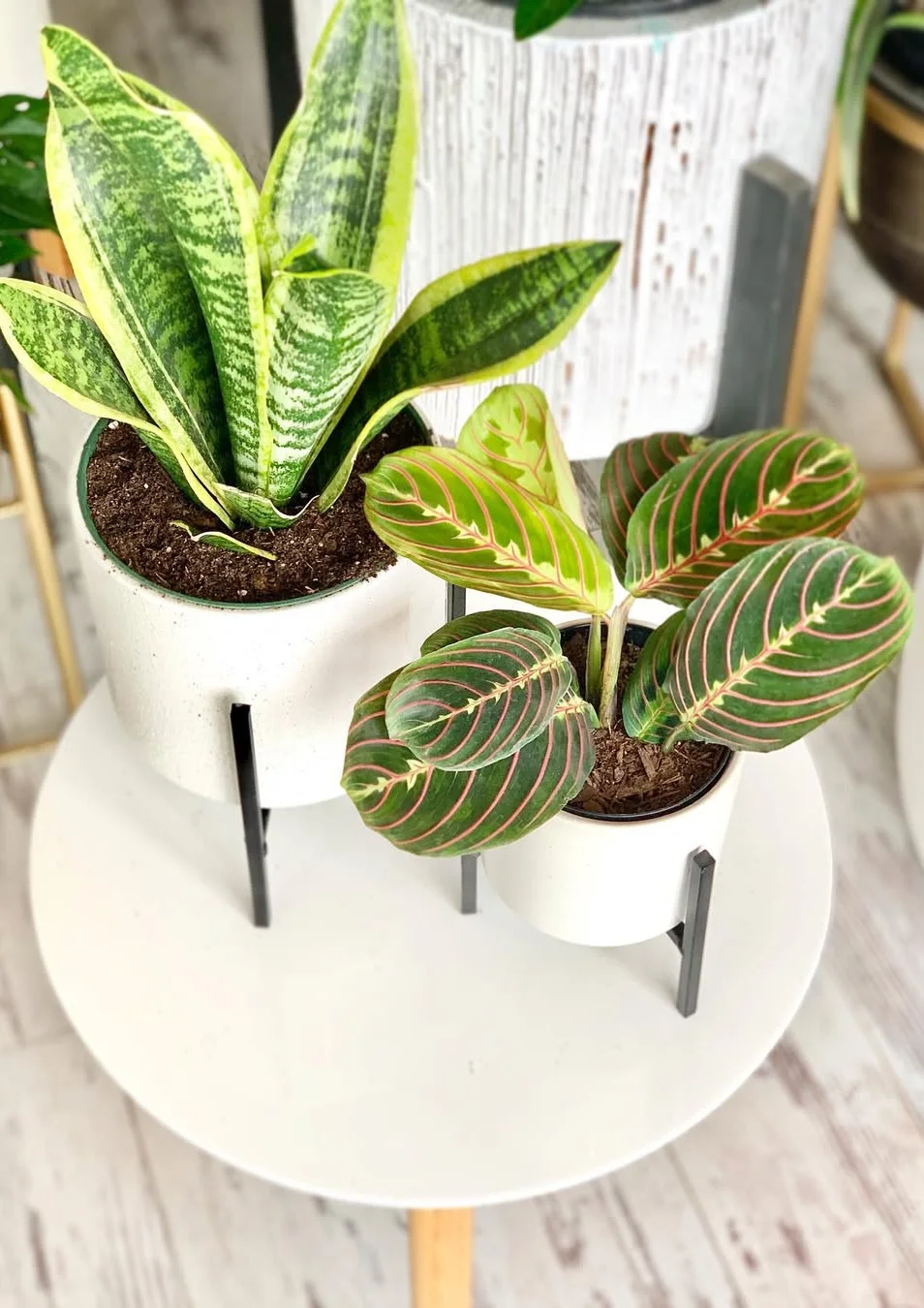
Also called cathedral windows or the Ten Commandments plant, this stunning foliage plant showcases oval leaves with intricate pink veining and dark green patterns that resemble stained glass. The leaves fold upward at night like hands in prayer, giving it its common name. Native to Brazilian rainforests, it naturally grows in dappled shade beneath the canopy.
Size: 8 to 12 inches tall and wide
Water: Keep soil consistently moist but not waterlogged, watering when the top inch feels dry. It prefers filtered or distilled water to prevent brown leaf tips.
Light: It thrives in medium to low light conditions, away from direct sunlight, which can fade the intricate leaf patterns.
6. Lucky Bamboo (Dracaena sanderiana)

Despite its name, this isn’t true bamboo but a member of the Dracaena family from Cameroon. The jointed stems and lance-shaped leaves create an elegant, minimalist appearance. In feng shui tradition, different arrangements represent luck, prosperity, and happiness. The stems can be trained into spirals and shapes, making each plant a living sculpture.
Size: 1 to 3 feet tall.
Water: Can grow in water or soil. If in water, change weekly and keep roots submerged. In soil, water when the top inch feels dry.
Light: Prefers bright, indirect light but adapts well to medium and low light conditions. Direct sun can scorch the leaves.
7. Bromeliad (Guzmania lingulata)

Also known as the scarlet star, this tropical beauty produces vibrant orange, red, or yellow flower bracts that last for months. Native to Central and South American rainforests, it naturally grows as an epiphyte on trees, collecting water in its central rosette. After blooming, the mother plant produces offsets or “pups” that can be separated to create new plants
Size: 12 to 18 inches tall and wide.
Water: Keep the central cup filled with water and soil slightly moist. Empty and refill the cup weekly to prevent stagnation.
Light: Prefers bright, indirect light but tolerates medium light conditions. Direct sunlight can fade the colorful bracts.
8. Cast Iron Plant (Aspidistra elatior)

Also called as barroom plant, this Victorian-era favorite earned its reputation as nearly indestructible. The dark green, lance-shaped leaves emerge directly from the soil and can withstand neglect, low light, and temperature fluctuations that would kill most plants.
Size: 2 to 3 feet tall and wide.
Water: Water when the top 2 inches of soil feel dry, typically every 1 to 2 weeks. Very drought tolerant once established.
Light: Thrives in low to medium light conditions and can tolerate deep shade better than almost any other houseplant.
9. Snake Plant (Sansevieria trifasciata)

The bottom plant shows a compact variety with the characteristic thick, upright leaves featuring yellow margins and dark green crossbands. This architectural beauty is virtually indestructible and famously converts CO2 to oxygen at night, making it best for bedrooms.
Size: 1 to 4 feet tall.
Water: Water deeply every 2 to 6 weeks, allowing soil to dry completely between waterings. Overwatering is the quickest way to kill this plant.
Light: Tolerates everything from low light to bright, indirect light. One of the most adaptable plants for any lighting condition.
10. Chinese Evergreen (Aglaonema commutatum )

Stunning cultivar showcases vibrant pink, red, and green variegated leaves with intricate patterns that look hand-painted. The bold coloration and tropical appearance bring dramatic flair to any space while tolerating lower light conditions better than most colorful foliage plants.
Size: 1 to 2 feet tall
Water: Water when the top inch of soil feels dry, usually every 1 to 2 weeks. Prefers consistent moisture but never soggy soil.
Light: Thrives in low to medium light conditions, perfect for darker corners or offices.
11. Corn Plant (Dracaena fragrans)

Also known as mass cane or happy plant, this popular office plant features thick, woody stems topped with rosettes of long, arching green leaves. It’s prized for its tree-like structure and ability to thrive in indoor conditions. The cane-like stems can be cut to different heights to create a layered, sculptural appearance.
Size: 4 to 6 feet tall indoors
Water: Water when the top inch of soil feels dry, typically every 1 to 2 weeks. Prefers filtered or distilled water to prevent brown leaf tips.
Light: Thrives in medium to bright, indirect light but tolerates lower light conditions.
12. Areca Palm (Dypsis lutescens)

An elegant houseplant brings instant tropical sophistication to any indoor space. Native to Madagascar, it features multiple slender, bamboo-like trunks that support graceful, arching fronds with delicate leaflets. The clustering growth habit creates a full, lush appearance that works beautifully as a natural room divider or corner accent. Its feathery texture and gentle movement add life and movement to static indoor environments.
Size: 6 to 7 feet tall indoors
Water: Water when the top 1-2 inches of soil dry out, usually every 1-2 weeks. Requires consistent moisture, but avoid waterlogging.
Light: Prefers bright, indirect light but adapts well to medium and low light conditions.
13. Money Tree (Pachira aquatica)

Also known as the Guiana chestnut, Malabar chestnut, or provision tree. Each leaf consists of five to seven bright green leaflets arranged like fingers on an outstretched hand, creating a lush, tropical canopy that seems to reach toward abundance. The practice of braiding young trunks together originated in Taiwan and has made this plant a symbol of good fortune, with the belief that the five leaflets represent the five elements of feng shui balance.
Size: 6 to 8 feet tall indoors with a 3 to 4-foot spread
Water: Water thoroughly when the top 2-3 inches of soil feel dry, typically every 1-2 weeks. Prefers to dry out slightly between waterings to prevent root rot.
Light: Thrives in bright, indirect light but tolerates medium light conditions. Rotate regularly for even growth since it tends to lean toward light sources.
14. Swiss Cheese Plant (Monstera deliciosa)

The glossy, leather-like leaves can reach enormous proportions indoors, transforming ordinary rooms into lush tropical retreats. When provided with a moss pole or trellis for climbing support, it rewards patient growers with truly spectacular foliage that becomes more dramatic with age.
Size: 6 to 10 feet tall and wide when mature, with leaves reaching 12-18 inches across
Water: Water when the top 2 inches of soil feel dry, typically every 1-2 weeks. Ensure excellent drainage to prevent root rot.
Light: Prefers bright, indirect light but tolerates medium light conditions. More light encourages larger, more fenestrated leaves.
15. Corn Plant (Dracaena fragrans ‘Massangeana’)

Also known as the mass cane or happy plant, this architectural wonder brings tropical elegance indoors with its palm-like appearance and distinctive yellow-striped foliage that radiates from thick, woody canes. The sword-shaped leaves emerge in dramatic rosettes from bamboo-like canes, featuring bold green margins with bright yellow centers that add instant warmth and visual interest to any space. Often sold with multiple canes planted together at different heights, it creates impressive vertical drama while remaining surprisingly low-maintenance for beginners.
Size: 4 to 6 feet tall indoors, with leaves reaching 12-24 inches long
Water: Water when the top inch of soil feels dry, typically every 1-2 weeks. Tolerates occasional drought but prefers consistent moisture.
Light: Adapts well to low to medium, indirect light conditions. Bright light enhances the yellow striping in the leaves.
16. Baby Rubber Plant (Peperomia obtusifolia)

Also called the pepper face or American rubber plant, this charming succulent-like houseplant wins hearts with its perfectly rounded, glossy leaves that look like living green coins cascading from thick, fleshy stems. Native to Florida, Mexico, and the Caribbean, it produces thick, waxy foliage with a mirror-like finish that reflects light beautifully throughout the day. Despite its delicate appearance, this little powerhouse stores water in its thick leaves, making it incredibly forgiving for busy plant parents while adding cheerful, polished greenery to desks, shelves, or bathroom counters.
Size: 6 to 12 inches tall and wide
Water: Water when the top inch of soil feels dry, typically every 2-3 weeks. Thick leaves store water, making it very drought-tolerant.
Light: Thrives in medium to low, indirect light. Avoid direct sun, which can fade or scorch the glossy leaves.
17. Arrowhead Plant (Syngonium podophyllum)

Also known as Nephthytis or goosefoot plant, this adaptable houseplant offers both trailing and upright growth options depending on how it’s trained. Young plants maintain a compact, bushy habit with pronounced arrowhead-shaped leaves, while mature plants develop more lobed, complex leaf shapes. The plant can be kept compact through regular pruning or allowed to trail from hanging baskets or climb moss poles for dramatic vertical displays.
Size: 1 to 2 feet tall as a bushy plant, can climb to 6 feet with support
Water: Keep soil evenly moist but not soggy, watering when the top inch feels dry, typically weekly.
Light: Prefers medium to low, indirect light. Strong light can fade the beautiful variegation patterns.
18. Peace Lily (Spathiphyllum wallisii)

Native to tropical Americas, it produces glossy, dark green leaves with prominent veining alongside distinctive white spathes that surround small, cream-colored flower spikes. The plant is famous for its dramatic communication style, drooping noticeably when it needs water and perking up quickly after drinking. As a bonus, NASA research identifies peace lilies as excellent air purifiers that remove common household toxins.
Size: 1 to 4 feet tall and 1 to 3 feet wide
Water: Keep soil consistently moist but not waterlogged. Water when the top inch feels dry, typically every 1-2 weeks. The plant will droop dramatically when thirsty.
Light: Prefers low to medium, indirect light. It can bloom in lower light conditions than most flowering houseplants.
19. Golden Pothos (Epipremnum aureum)

Also known as devil’s ivy or money plant, this incredibly popular trailing houseplant is beloved for its heart-shaped leaves marbled with golden yellow and green variegation. The cascading vines look stunning in hanging baskets, trailing from shelves, or trained up moss poles for vertical growth. Its aggressive growth habit and tolerance for neglect make it perfect for beginners, while its air-purifying qualities and easy propagation from stem cuttings keep experienced plant parents coming back for more.
Size: Trailing vines can extend 6 to 10 feet or more
Water: Water when the top inch of soil feels dry, typically every 1-2 weeks. Very drought tolerant once established.
Light: Extremely adaptable from low light to bright, indirect light. Variegation is most pronounced in brighter conditions.
20. Chinese Evergreen (Aglaonema)

Also called aglaonema, this stunning foliage plant is beloved for its spectacular leaf patterns and incredible tolerance for neglect. Native to tropical regions of Asia, it produces thick, lance-shaped leaves with striking variegation in shades of green, silver, and cream. The glossy, leathery texture reflects available light beautifully, while the compact, bushy growth habit makes it ideal for tabletops, shelves, or floor displays in darker corners where other plants struggle.
Size: 1 to 3 feet tall and wide
Water: Water when the top inch of soil feels dry, approximately every 1-2 weeks. Reduce watering in winter months.
Light: Thrives in low to medium light conditions, making it perfect for dimmer indoor spaces.
21. Maidenhair Fern (Adiantum raddianum)
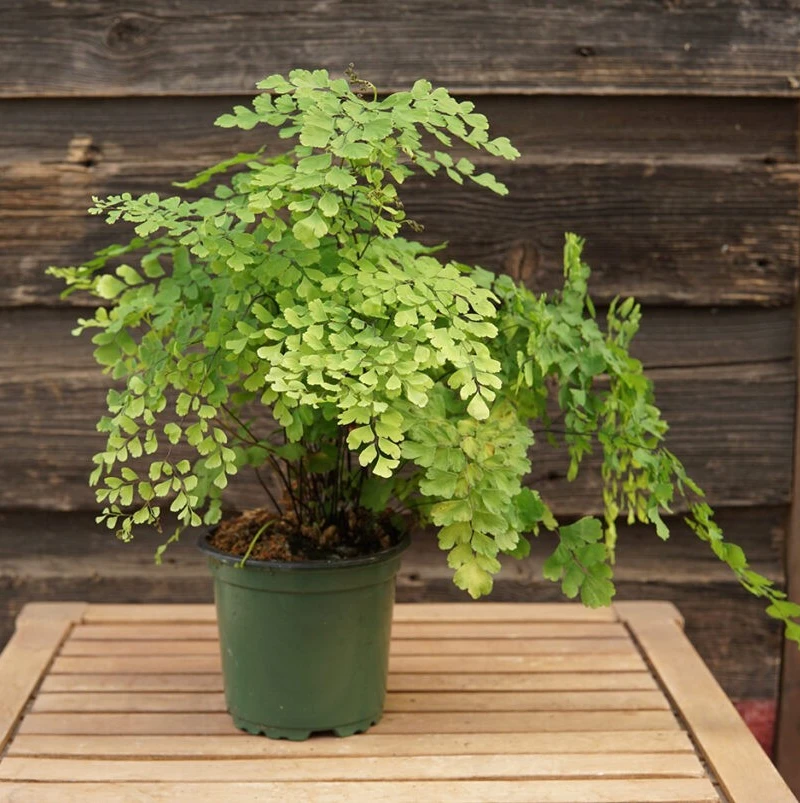
Also known as the delta maidenhair or walking fern. The contrast between the dark, glossy stems and the bright green, papery leaflets creates stunning visual texture that photographers and plant enthusiasts adore. While it has a reputation for being finicky, this living artwork rewards attentive care with months of graceful beauty that transforms ordinary corners into fairy-tale settings.
Size: 12 to 18 inches tall and wide
Water: Keep soil consistently moist but never waterlogged. Prefers distilled or rainwater and high humidity. Mist regularly or use a humidity tray.
Light: Thrives in bright, indirect light away from direct sun. North-facing windows are ideal.
22. ZZ Plant (Zamioculcas zamiifolia)

Also known as the Zanzibar gem or eternity plant, this glossy-leafed stunner is virtually indestructible. Its thick, waxy leaves store water like a succulent, while underground rhizomes help it survive long periods of neglect. The dramatic contrast between bright green new growth and deep purple-black mature leaves creates striking visual interest in any space.
Size: 1 to 3 feet tall
Water: Water deeply every 2 to 4 weeks, allowing soil to dry completely between waterings. Yellow leaves usually indicate overwatering – these plants prefer to stay on the dry side.
Light: Thrives in low to medium light conditions, perfect for offices or rooms with limited natural light. Can tolerate fluorescent lighting.
23. Heartleaf Philodendron (Philodendron hederaceum)

Also known as the sweetheart plant or heart-leaf philodendron, this romantic trailing beauty wins hearts with its perfect heart-shaped leaves that cascade gracefully from hanging baskets or climb enthusiastically up moss poles. The glossy, emerald leaves emerge bronze-tinted before maturing to deep green, creating beautiful color variation throughout the plant. As a natural climber, it develops larger, more dramatic leaves when given vertical support, making it incredibly versatile for different design aesthetics.
Size: Trails 4 to 8 feet or climbs 6+ feet when supported
Water: Water when the top inch of soil feels dry, typically every 1-2 weeks. Very drought tolerant and recovers quickly from neglect.
Light: Thrives in low to bright, indirect light. One of the most adaptable houseplants for various lighting conditions.
24. English Ivy (Hedera helix)

Native to Europe, western Asia, and northern Africa, it’s been cultivated for centuries both indoors and out, developing countless varieties with different leaf shapes, sizes, and variegation patterns. The deep green, leathery leaves typically feature three to five pointed lobes that create beautiful geometric patterns as they overlap along trailing vines. While slow-growing indoors, it’s incredibly long-lived and develops character over time, making it perfect for vintage-style interiors or creating living walls.
Size: Trails 3 to 6 feet indoors
Water: Water when the top inch of soil feels dry.
Light: Prefers bright, indirect light but tolerates lower light conditions. Variegated varieties need more light to maintain their patterns.
25. Pinstripe Calathea (Calathea ornata)

Also called the pinstripe plant or peacock plant, this stunning prayer plant creates a living artwork with its large, oval leaves decorated in precise pink and white pinstripes that look hand-painted by nature’s most talented artist. Native to the rainforests of Colombia and Venezuela, it belongs to the fascinating prayer plant family that folds its leaves upward each evening in a daily ritual that never fails to amaze. The deep green foliage features intricate patterns of fine lines radiating from the central vein, while the undersides reveal rich burgundy coloring that adds dramatic contrast when the leaves move.
Size: 2 to 3 feet tall and wide
Water: Keep soil consistently moist but well-draining. Prefers distilled or filtered water and high humidity. Avoid tap water with fluoride or chlorine.
Light: Thrives in medium to bright, indirect light. Direct sun will fade the beautiful leaf patterns and scorch the foliage.
26. Staghorn Fern (Platycerium bifurcatum)

Also known as the elkhorn fern, this extraordinary epiphyte creates a living sculpture that’s unlike any traditional houseplant. Native to Australia and tropical regions, it naturally grows on trees in the wild, featuring two distinct types of fronds: flat, shield-like basal fronds that turn brown and protect the roots, and the dramatic, antler-shaped fertile fronds that give it its distinctive prehistoric appearance. .
Size: 2 to 3 feet across when mature
Water: Soak weekly by submerging the mount in water for 10-20 minutes, or mist frequently if humidity is low.
Light: Prefers bright, indirect light but tolerates medium to low light conditions well.
27. Prayer Plant (Maranta leuconeura)

Also called cathedral windows or rabbit tracks, this stunning foliage plant is prized for its mesmerizing leaf artwork that resembles hand-painted masterpieces. Native to Brazilian rainforests, it produces oval leaves decorated with intricate patterns of white, yellow, and light green veining against deep emerald backgrounds. The plant gets its common name from its habit of folding its leaves upward at night, resembling hands in prayer. This natural movement adds living drama to any indoor garden display
Size: 8 to 12 inches tall, spreading 12 to 18 inches wide
Water: Keep soil consistently moist but not soggy, watering when top inch feels dry. Prefers distilled or filtered water.
Light: Prefers low to medium, indirect light. Direct sunlight can fade the intricate leaf patterns.
28. Spider Plant (Chlorophytum comosum ‘Variegatum’)

Also known as airplane plant or ribbon plant, this cheerful houseplant is beloved for its graceful, arching foliage and prolific production of baby plantlets. Native to South Africa, it forms clumps of long, narrow leaves striped with green and creamy white margins. Mature plants send out long, arching stems called stolons that dangle adorable miniature versions of the parent plant, creating a cascading fountain effect that’s perfect for hanging baskets or elevated displays
Size: 1 to 2 feet tall with a 2 to 3-foot spread, including cascading plantlets
Water: Water when the top inch of soil feels dry, typically weekly. Tolerates occasional dry periods well.
Light: Adapts to various light conditions from low to bright, indirect light. Variegation is more pronounced in brighter conditions.
29. Baby Rubber Plant (Peperomia obtusifolia)

Also called pepper elder or American rubber plant, this compact succulent-like houseplant brings charming texture to small spaces and desktop displays. Native to tropical regions of Central and South America, it features thick, paddle-shaped leaves with a glossy, almost plastic-like finish and subtle cream variegation along the edges. Its small stature and slow growth make it perfect for terrariums, dish gardens, or anywhere you need a low-maintenance pop of greenery.
Size: 6 to 12 inches tall and wide
Water: Water when the top half of the soil feels dry, approximately every 1-2 weeks. Avoid overwatering as thick leaves store moisture.
Light: Thrives in low to medium, indirect light. Can tolerate fluorescent office lighting well.
30. Terrarium Garden Collection

These enchanting glass gardens create perfect miniature ecosystems for low-light-loving plants. Featuring a carefully curated mix of small ferns, colorful nerve plants, baby tears, and small-leafed begonias. The glass enclosure creates its humidity cycle, making it ideal for moisture-loving tropical plants that struggle in dry indoor air. Decorative elements like smooth river rocks and twisted branches add natural sculpture to these living art pieces.
Size: Varies by container, typically 8 to 16 inches in diameter
Water: Mist lightly every 1-2 weeks or when condensation disappears. Closed terrariums require minimal watering.
Light: Thrives in low to medium, indirect light. Avoid direct sunlight, which can overheat the enclosed environment.
31. Dumb Cane (Dieffenbachia seguine)

Also called leopard lily or tropical snow, this stunning foliage plant brings tropical elegance to indoor spaces with its oversized, dramatically patterned leaves. Native to Central and South America, it produces large, oval leaves splashed with creamy white, yellow, and various shades of green in irregular patterns that make each leaf unique. The thick, cane-like stems and lush growth habit create an impressive statement plant that commands attention in any room while tolerating the lower light conditions that challenge many other large houseplants.
Size: 3 to 6 feet tall and 2 to 3 feet wide indoors
Water: Water when the top inch of soil feels dry, typically every 1-2 weeks. Prefers consistent moisture but not waterlogged conditions.
Light: Prefers medium to low, indirect light. Strong light can fade the beautiful leaf variegation.
32. Polka Dot Plant (Hypoestes phyllostachya)

Also known as freckle face or flamingo plant, this delightful small houseplant is prized for its incredibly vibrant, spotted foliage resembling someone splattering paint across the leaves. Native to Madagascar, it produces soft, oval leaves covered in contrasting spots of pink, white, red, or green against darker backgrounds. The compact, bushy growth habit makes it perfect for small spaces, terrariums, or as colorful accents in plant groupings. Regular pinching encourages dense, full growth and prevents the plant from becoming leggy.
Size: 6 to 12 inches tall and wide
Water: Keep soil consistently moist but not soggy, watering when the top surface feels dry. Requires more frequent watering than most houseplants.
Light: Prefers bright, indirect light but adapts well to medium and low light conditions.
33. Moth Orchid (Phalaenopsis)

Also known as the phalaenopsis orchid or butterfly orchid, this stunning epiphyte transforms any space into an elegant sanctuary. The thick, leathery leaves store water and nutrients, while the dramatic flower spikes emerge from between them, carrying anywhere from a few to dozens of perfectly formed blooms in colors ranging from pure white to deep purple. Once the flowers fade, the plant often rewards patient growers with new flower spikes, making it one of the most rewarding orchids for beginners.
Size: 12 to 16 inches tall and wide when blooming
Water: Water weekly with lukewarm water, allowing excess to drain completely. Water early morning and avoid getting water on leaves or crown.
Light: Bright, indirect light. East or north-facing windows are ideal. Avoid direct afternoon sun which can scorch leaves.
34. Coffee Plant (Coffea arabica)

Also called as Arabian coffee or mountain coffee, this glossy-leaved beauty brings the romance of coffee plantations indoors while serving as an elegant, easy-care houseplant with shimmering dark green foliage that catches light beautifully. Native to the highlands of Ethiopia and Yemen, it naturally grows as an understory shrub in mountainous regions, developing the shade tolerance that makes it perfect for indoor cultivation. With proper care and maturity, it may even produce small white, jasmine-scented flowers followed by red coffee cherries, though this typically takes several years indoors.
Size: 4 to 6 feet tall indoors, naturally compact and bushy
Water: Keep soil consistently moist but well-draining. Water when top inch feels dry, typically every 1-2 weeks.
Light: Prefers bright, indirect light but tolerates medium light conditions. Avoid direct sun which can scorch the leaves.
35. Mixed Plant Arrangement

This charming collection showcases the art of creating living tablescapes with a thoughtfully curated selection of small houseplants that bring varied textures, colors, and growth habits together in one cohesive display. The wooden planter appears to contain several complementary species that thrive in similar conditions, creating a miniature garden that changes and evolves as each plant grows at its own pace.
Size: Varies by individual plants, typically 6 to 12 inches tall
Water: Check individual plant needs, but generally water when top inch of soil feels dry
Light: Most small houseplant collections prefer bright, indirect light
36. Hoya (Ceropegia woodii)

Also known as rosary vine or sweetheart vine, this enchanting trailing succulent creates romantic cascades of heart-shaped leaves on delicate purple stems that seem to float like tiny kites on invisible strings. The small, paired leaves often display subtle marbling or silvery patterns, and mature plants develop small tubers along the vines that can be used for propagation, making it easy to share with friends or expand your collection.
Size: Trails 2 to 4 feet, compact growth habit
Water: Water deeply but infrequently, allowing soil to dry completely between waterings.
Light: Bright, indirect light brings out the best leaf coloration. Can tolerate some direct morning sun.
37. Dumb Cane (Dieffenbachia)

It naturally grows in the dappled light of the forest floor, developing the tolerance for indoor conditions that has made it a houseplant favorite for generations. Each leaf unfurls with unique variegation patterns, creating an ever-changing display of natural artistry that brightens darker corners while adding lush, jungle-like atmosphere to modern interiors. The dramatic foliage makes it perfect as a floor plant or striking focal point in contemporary spaces.
Size: 3 to 6 feet tall and 2 to 3 feet wide indoors
Water: Water when top inch of soil feels dry, typically every 1-2 weeks.
Light: Thrives in medium to bright, indirect light. Variegated varieties need more light to maintain their patterns
38. Bird of Paradise (Strelitzia nicolai)

Also called white bird of paradise or giant bird of paradise, this architectural beauty brings tropical drama with its large, paddle-shaped leaves and thick, sturdy stems. Native to South Africa, it naturally grows as an understory plant, making it surprisingly adaptable to indoor conditions. Those signature leaf splits develop naturally as the plant matures, helping it withstand strong winds in its native habitat.
Size: 6 to 10 feet tall indoors
Water: Water when the top 1-2 inches of soil feel dry, typically every 1 to 2 weeks. Brown leaf edges indicate underwatering or low humidity.
Light: Prefers bright, indirect light but can adapt to medium light conditions. Rotate regularly to prevent leaning toward the light source.
39. Christmas Cactus (Schlumbergera x buckleyi)

Also known as holiday cactus or Thanksgiving cactus, this festive beauty produces cascades of tubular blooms in shades of pink, red, white, or purple. Despite its name, it’s not a true desert cactus but an epiphytic plant from Brazilian rainforests that grows on trees.
The flattened, segmented stems store water, making it surprisingly drought-tolerant while still preferring consistent moisture during the growing season.
Size: 1 to 2 feet tall and wide
Water: Water when the top inch of soil feels dry, typically every 1 to 2 weeks. Reduce watering after the blooming period ends.
Light: Prefers bright, indirect light but tolerates medium to low light conditions. Avoid direct sunlight, which can scorch the segmented stems.
40. Anthurium (Anthurium andraeanum)
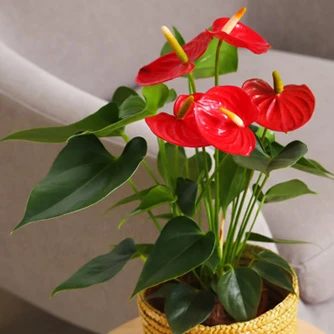
Native to the rainforests of Colombia and Ecuador, it produces stunning waxy bracts in vibrant shades of red, pink, white, or coral that surround slender, tail-like spadices, creating an elegant display that can last for months.
Deep green, leathery leaves provide a sophisticated backdrop to the spectacular flowers, while the plant’s compact growth habit makes it perfect for tabletops, desks, or as a centerpiece. Unlike cut flowers that fade in days, these living blooms maintain their beauty for weeks at a time.
Size: 1 to 2 feet tall and wide
Water: Keep soil consistently moist but well-draining, watering when the top inch feels dry. Prefers high humidity and benefits from regular misting.
Light: Thrives in bright, indirect light with protection from harsh direct sun that can scorch the delicate blooms.
