While most luxury RV categories saw double-digit sales declines in 2024, park model RVs surged 33.8% in August 2025, and the trend reveals a fundamental shift in how affluent Americans are approaching alternative housing.
You’re ready to invest $50,000 to $300,000+ in alternative housing. But you can’t find straight answers about which option delivers better value, resale potential, and lifestyle ROI in today’s market.
Every dealership tells you its product is the best. Every YouTube video shows the highlight reel. Nobody talks about depreciation, zoning nightmares, or financing rejection rates.
Current 2025 market data shows RV sales projected to hit $36 billion with 350,100 units shipped. The tiny home market grew to $21.9 billion in 2024 and is expected to reach $29.9 billion by 2033. Which option affluent buyers earning $75,000+ are actually choosing based on real sales numbers, not marketing hype.
And most importantly, smart money is moving in 2025. Because luxury RVs, tiny homes, and park model RVs all solve different problems for different buyers.
#1. The Surprising 2025 Market Reality: Data vs. Hype
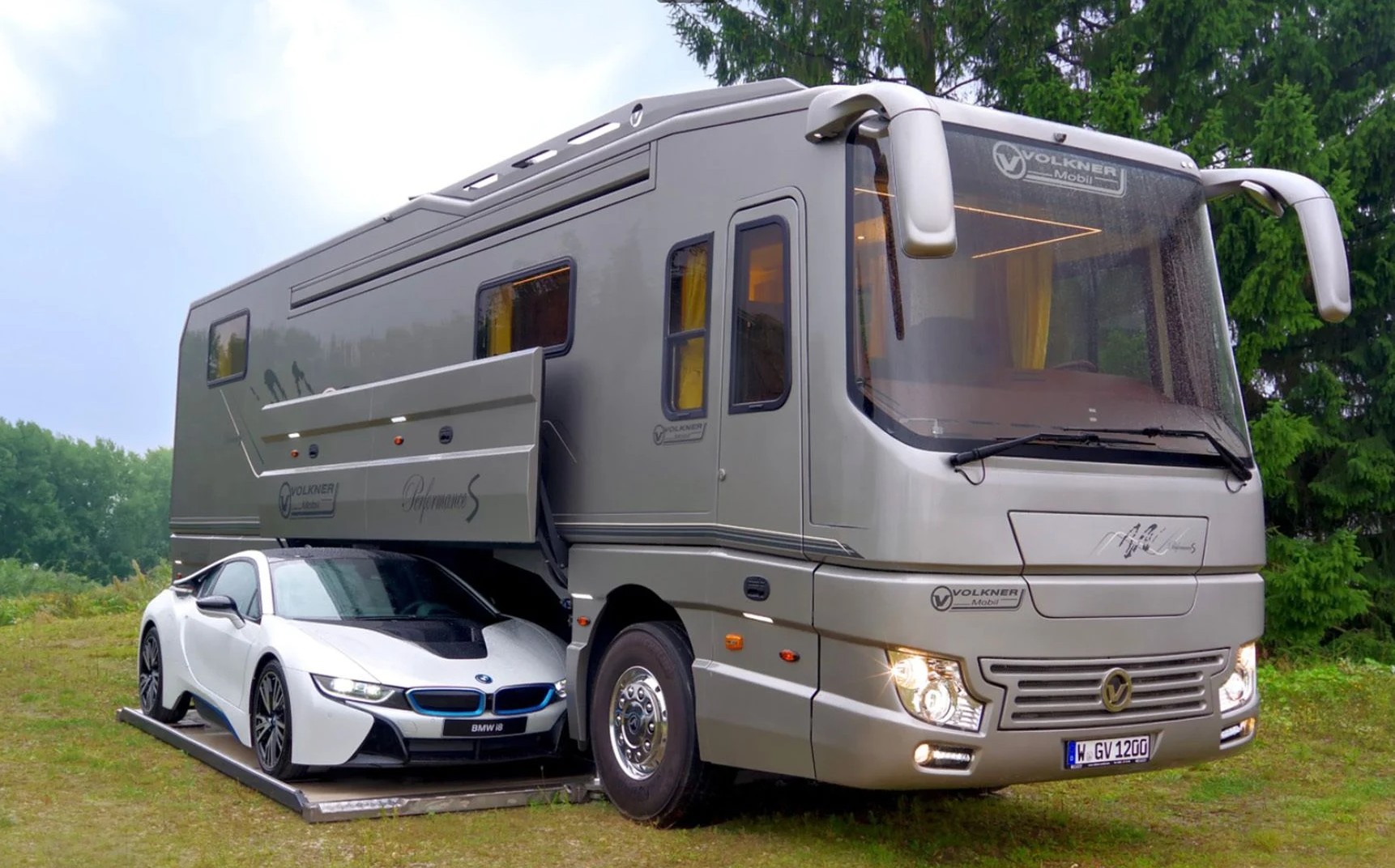
Class A luxury motorhomes crashed 15.9%. Those fancy Class B camper vans everyone raves about? Down 19.5%. But park model RVs, those tiny-house-style units you barely hear about? Up 12.2%. The luxury RV market trends aren’t what the salespeople want you to believe.
High-end RVs priced around $100,000 only grew 5.30% last year. Meanwhile, mid-range RVs are the ones between $30,000 and $80,000 tanked. Buyers either went cheap or went all-in luxury, nothing in between.
The RV Industry Will Hit $35.94 Billion In 2025
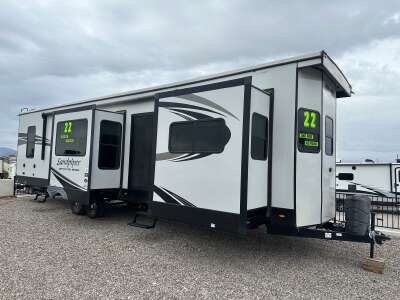
By 2030, that number jumps to $53.17 billion. Growth rate? 7.99% every year. Most of that growth isn’t coming from traditional motorhomes.
Park model growth is where the real action is. The market was worth $1.88 billion in 2024. By 2033, it’ll reach $3.44 billion. That’s a 6.94% growth rate, and it’s accelerating.
Because the U.S. dominates this space. We buy 85% of all park models sold globally. That’s 40,000 units every single year. And the buyers aren’t who you’d expect.
The Tiny Homes

The tiny home market size hit $21.9 billion in 2024. By 2035, it’ll grow to $33.18 billion. That’s a steady 3.5% climb each year.
Millennials make up 43% of buyers. They want affordability and flexibility. Retirees? Only 19%. But here’s what matters: 63% of tiny home owners report lower financial stress than before. That’s real money staying in their pockets.
The affluent buyer demographics look different depending on what you’re buying. Park model buyers skew older 62% are over 55, up from just 48% in 2023. They’re not buying because they love camping. They’re buying because houses cost too much.
Housing affordability is the primary reason people choose park models now. Not adventure. Not lifestyle. Just basic math.
Three Markets, Three Different Buyers, Three Totally Different Outcomes

Traditional luxury RVs are struggling. Park models are exploding. Tiny homes are growing steadily. The data doesn’t care about pretty marketing photos.
If you’ve got $50,000 to $300,000 to spend, you need to know where smart buyers are actually putting their money. Not where influencers say they should.
The 2025 market is splitting into clear winners and losers. And the winners might surprise you.
#2. Who’s Actually Buying What? The Demographic Split
The RV buyer demographics break down like this: 61% of owners are between 18 and 54 years old. The median age is 55. And here’s the money shot: 53% earn over $75,000 a year.
But there’s a darker side to this story. Right now, 500,000 Americans live in RVs because they can’t afford houses. Most of them earn under $75,000. They’re not living the Instagram van life dream. They’re surviving a housing crisis.
Tiny Home Owners Look Completely Different

Millennials aged 25-40 make up 43% of buyers. Retirees over 60? Just 19%. The average income is $42,038, right around the national average. And here’s what’s wild: 55% of tiny home owners are women.
These aren’t rich people playing minimalist. They’re regular folks making a smart financial move. Because 63% report lower financial stress after buying. They sleep better at night.
Remote workers’ housing needs changed everything after 2020. Digital nomads figured out that tiny homes give them mobility without hotel bills. They can work from anywhere and own their space.
Park Model Buyers Are a Whole Different Breed

These are affluent retirees making calculated decisions. 62% are over 55, which jumped from 48% just two years ago. They want luxury finishes. Smart thermostats. Solar-ready roofs. All the bells and whistles.
Young buyers and retirees are dumping those massive Class A motorhomes. The ones that cost $200,000 and get 6 miles per gallon? Nobody wants them anymore. Instead, they’re choosing compact RVs with low ownership costs.
What That Actually Looks Like

A 35-year-old software developer buys a park model for $75,000. Parks it near Austin. Works remotely. Saves $2,000 a month on rent.
A 62-year-old couple sells their house. Buys a luxury park model for $120,000. Lives in an RV resort six months a year. Travels the other six months in a small motorhome.
A 28-year-old teacher buys a tiny home for $55,000. Places it on family land. No mortgage. Uses savings to pay off student loans.
Remote workers are using park models as home offices or second residences. They’re not full-timing. They’re being strategic.
The millennial buyers in the tiny home market aren’t chasing trends. They’re escaping $2,500 monthly rent payments. They’re building equity instead of making landlords rich.
The Demographic Split Is Clean

Traditional RVs attract people over 55 with money to burn. Tiny homes attract millennials with debt to kill. Park models attract both groups, but for totally different reasons.
One group wants luxury and flexibility. The other wants affordability and ownership. Park models deliver both.
The data shows three distinct buyer groups. They have different incomes. Different ages. Different goals. But they’re all saying the same thing: traditional housing is broken.
#3. Price Points: The Real Cost Breakdown for 2025
You’re ready to spend six figures on alternative housing. But which option gives you the most for your money?
Let’s Cut Through The Confusion With Real Numbers

Luxury RV prices 2025 tell a weird story. RVs around $100,000 are selling better than ever. But mid-range models between $30,000 and $80,000? They’re collecting dust on dealer lots. Buyers are either going cheap or going full luxury. Nothing in between makes sense anymore.
If you’re spending $60,000, you’re thinking, “I could just save another $40,000 and get something amazing.” Or you’re thinkin’,g “Why not save $30,000 and get something that works?”
The Luxury Options Look Like This

The Airstream Atlas starts around $275,000. You get a full kitchen, Wi-Fi-enabled multimedia, plush beds, and a real shower. It’s basically a luxury apartment on wheels.
The Outside Van Parks run about $180,000. Built on an all-wheel-drive Sprinter chassis. It sleeps two comfortably and has a dry bath. This one’s for people who actually go off-road.
The Tiffin Midas 24MT costs around $155,000. It’s 24 feet long with a Murphy bed and massive storage. Ford Transit chassis with EcoBoost power. Sleeps up to four people.
Tiny Home Costs

The average tiny home runs $67,000. But the range is massive $10,000 to $100,000, depending on what you want.
Tiny homes are 87% cheaper than regular houses overall. But they’re 38% more expensive per square foot.
A 300-square-foot tiny home with luxury finishes can cost more than a basic 400-square-foot unit. Marble countertops and custom woodwork aren’t cheap just because the space is small.
The luxury park model segment is exploding because affluent buyers figured something out: Why pay $200,000 for a motorhome when you can get opulent interiors and custom furnishings in a park model for $75,000?
RV prices range from $30,000 to $300,000, depending on what you buy. A basic travel trailer costs $30,000. A top-end Class A motorhome can hit $500,000 or more.
Financing For RVs Is Tough Right Now

Interest rates are high. Many buyers can’t get approved for mid-range models, so they either buy cheaper or pay cash for luxury.
Insurance costs vary wildly. A $100,000 motorhome might cost $2,000 a year to insure. A $60,000 park model? Maybe $800. Same features, way less risk to insurers.
Depreciation hits RVs hard. A new motorhome loses 20% of its value the second you drive off the lot. Park models hold value better because they’re not driven.
Tiny homes have their own financing nightmare. Most banks won’t give you a regular mortgage. You need a personal loan or specialty financing. Interest rates can be 2-3% higher than home loans.
#4. The Park Model Phenomenon: Why This Segment Is Exploding
While traditional RVs are struggling, park model RVs are having their best year ever. And it’s not even close.
Park Model Shipments Jumped 33.8% In August 2025

That’s 400 units compared to the previous year. In a market where everything else is declining, that’s massive park model growth.
Park models were the only RV category that grew in 2024. Every other type of Class A motorhomes, Class B vans, fifth wheels, and travel trailers all went down.
Rising housing costs broke the dam. The median home price hit $420,000 in 2024. That’s insane. A 30-year mortgage at current rates means you’re paying over $600,000 total.
Over 35% of new park model sales in North America come from two groups: retirees and remote workers. They’ve both done the math. They both reached the same conclusion.
The luxury park models being sold today aren’t your grandpa’s RV. These are semi-permanent RVs with features that cost twice as much as in a regular motorhome.
Take the Forest River Park Jubilee. You get smart thermostats that you control from your phone. A gourmet kitchen with real appliances. Solar-ready roofs that let you go off-grid. All for around $85,000.
The Heartland Pioneer offers the same level of finish. Open-concept layouts. Energy-efficient appliances. Smart home technology built in from day one.
What’s Really Happening In RV Parks Right Now

They’re reporting a steady group of monthly tenants who treat the campground as their primary residence. Not vacation. Not seasonal. Primary.
These people aren’t camping. They’re living. And they’re doing it for $1,500 a month, total lot rent, utilities, everything.
The park model phenomenon isn’t about recreation anymore. It’s about housing solutions. It’s about escaping mortgages and property taxes, and maintenance costs.
Retirees are selling $400,000 houses. They’re pocketing the cash. Buying a $90,000 park model. And living on the difference.
Remote workers are buying park models as home offices. They park them on family land or in RV resorts. They work during the week. They have no rent payment. They save $30,000 a year.
#5. Luxury Features: What Affluent Buyers Actually Get
The luxury RV features in 2025 models are legitimately impressive. Forget those tiny dorm fridges from old RVs. New models come with 12-volt, 20-cubic-foot refrigerators. French doors. Built-in ice makers. The whole thing.
Smart Home Technology Changed Everything

You can monitor your entire RV from your phone. Safety systems. Water levels. Power usage. Lighting. Climate control. All of it.
Sitting at dinner and remembering you left the AC on? Turn it off on your phone. Want to warm up the RV before you get back from hiking? Do it remotely.
Small RVs now include full showers with real water pressure. Spacious layouts that don’t feel cramped. Integrated smart entertainment systems. Custom interiors that look like they belong in a luxury apartment.
Safety Tech Is Now Standard On High-End Models

Advanced Driver Assistance Systems (ADAS) include adaptive cruise control that adjusts your speed automatically. Lane-keeping assist that nudges you back if you drift.
Emergency braking that stops the RV if it detects a collision coming. This stuff used to only come in $200,000 luxury cars. Now it’s in RVs.
The Tiny Home Luxury Trends

The tiny home luxury trends for 2025 include rooftop decks where you can sit and watch sunsets, and Glass sunrooms that bring in natural light. Spacious porches that extend your living space outdoors.
One builder told me about a 350-square-foot tiny home with a $25,000 bathroom. Custom tile work. Rainfall shower. Heated floors. In 350 square feet total.
Solar panel systems that let you live off-grid. Composting toilets that eliminate the need for septic systems. Custom storage solutions that use every inch of space.
Energy-efficient systems in high-end RVs cut power usage by 40%. That means you can run everything on battery and solar for days without plugging in.
Advanced connectivity features let you work from anywhere. Starlink mounts. Cell signal boosters. WiFi mesh networks. Remote workers need this stuff, and manufacturers are building it in.
#6. Mobility vs. Permanence: The Lifestyle Trade-Off
Let’s be honest about RV mobility. RVs are designed for frequent travel. They’re aerodynamic. Built with lighter materials. You can hook up and leave whenever you want.
RV Mobility

RVs offer flexibility, but they come with problems. Leaking is common. The constant movement stresses every seal and joint. You’ll spend time and money on repairs.
When you get to your destination, you’re stuck. No car. No way to get groceries or explore unless you tow a vehicle behind you.
Tiny Homes Feel Completely Different

They feel like traditional houses because they’re built with the same materials. Real wood framing. Proper insulation. Windows that actually keep the weather out.
Tiny home foundation models are built to withstand year-round weather. They’re intended as permanent dwellings, not vacation vehicles.
Tiny homes offer more customization because they’re built like real houses. You can use any materials you want. Standard electrical. Regular plumbing. No RV compromises.
#7. Legal and Zoning: The Reality Check Nobody Talks About
You found the perfect unit. You have the money. Then you discover you can’t legally put it anywhere. This is the conversation dealerships avoid having with you. But it’s the one that matters most.
RVs Are Well-Regulated

The RV zoning laws are clear. Every state knows what an RV is and where it can go. Insurance companies understand them. Banks finance them without weird questions. If you buy an RV today, you can insure it tomorrow. Easy.
Only 27 U.S. states have updated building codes that actually acknowledge tiny homes as legal full-time residences. That means in 23 states, you’re in a legal gray zone.
Your city might say yes. The county might say no. The state might not have an opinion. You’ll spend months figuring out if you can even put your tiny home on your own land.
Tiny Home Regulations

Even in states that allow them, local jurisdictions can block them. Your town can require a minimum square footage. Your HOA can ban them completely. You could buy a $75,000 tiny home and then discover you can’t legally live in it where you want.
The road-legal rules are strict. Most states cap vehicle height at 13’6″. If your tiny home is taller, you need special permits to move it. Every. Single. Time.
Floor plans can’t exceed 400 square feet to stay road-legal in most places. Go bigger, and you’re not a tiny home anymore, you’re a mobile home with different rules.
#8. Investment Perspective: Resale Value and ROI
RVs Depreciate Fast

Really fast. A new motorhome loses 20% of its value the moment you drive it off the lot. After five years, it’s worth maybe 50% of what you paid.
Loan terms get spread over 15-20 years to lower monthly payments. But the RV depreciates faster than you pay it down.
Three years in, you owe $80,000 on an RV worth $60,000. You’re underwater. You can’t sell without writing a check to the bank.
But RVs are easier to sell than tiny homes. Why? They’re generic. They look like every other RV. Buyers know what they’re getting. You clean it up. Take some photos. List it. Someone buys it within a few months.
Tiny Homes

Each one is custom. Unique. Special. That sounds good until you try to sell. Finding buyers who like your specific design choices? Hard. Finding buyers who have land where they can legally put it? Harder. Proving it’s worth what you’re asking? Nearly impossible.
You spent $80,000 building it. You want $75,000 back. Buyers offer $50,000 because they don’t trust your contractor’s work or your cost estimates.
The alternative housing ROI depends on how you use it. Affluent buyers who view this as a luxury investment property look at different numbers than people trying to escape rent.
Luxury home buyers want resilient features. They want properties that weather natural disasters. They want long-term value, not just low monthly costs.