
Most homeowners lose garage parking space to accumulated clutter, making expensive vehicles vulnerable to the weather while boxes of holiday decorations sit protected inside. Your $30,000 car sits in the driveway getting hail damage while your $50 worth of Christmas lights stay safe and dry in the garage. That doesn’t make sense.
You’ve tried organizing before. Perhaps you rearranged some boxes or purchased a few storage bins. However, within months, the mess returned worse than before. This time will be different. You’re going to learn a systematic approach to reclaim your full garage space that works in the long term.
In this guide, you’ll discover proven garage storage solutions that maximize every inch of vertical space in your garage. You’ll learn how to maintain your two-car garage organization system so it stays functional for years, not just weeks. We’ll cover budget-friendly options that cost under $500 and premium solutions for those who want the full upgrade.
Master Two-Car Garage Organization Ideas Once and For All – Quick And Cheap Ideas
Assess Your Two-Car Garage Space and Needs
Your garage feels overwhelming because you’ve never taken a real look at what you have and what you need. 75% of garages get used for storage instead of cars. That means your expensive vehicles sit outside while boxes of old Christmas decorations stay warm and dry inside.
i. Start With Your Tape Measure

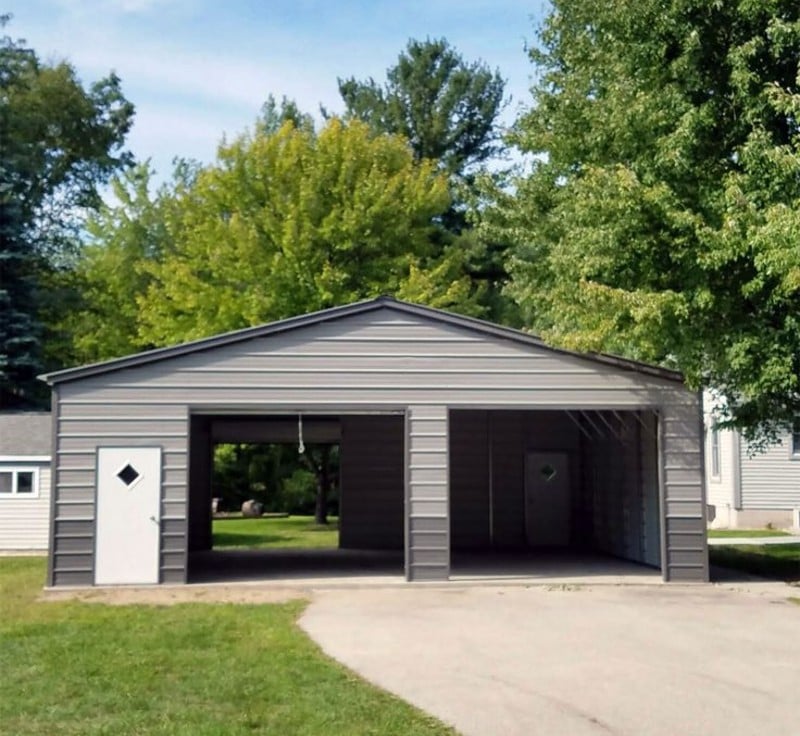
Grab a measuring tape and write down your garage’s exact size. Most two-car garages measure 20×20 feet, giving you 400 square feet to work with. But yours might be different. Measure the width, length, and ceiling height.
Don’t guess. You’ll need these numbers when you shop for storage solutions later. Check your ceiling height too. Garages built before 1990 often have 8-foot ceilings. Newer ones go up to 9 or 10 feet. That extra height means more storage space above your cars.
ii. Map Out Your Car Spaces First

Your cars come first. They’re worth more than anything else in your garage. Each car needs a parking spot plus a 3-foot walkway around it. That’s not negotiable.
You need room to open doors, walk around, and load things. Mark these spaces on your garage floor with chalk or tape. Everything else has to fit around them.
iii. Sort Your Stuff Into Three Piles

Time for the hard part. Pull everything out of your garage and sort it into three groups:
Keep pile: Things you use. Tools you grab regularly. The sports gear your kids play with. The car supplies you need.
Donate pile: Items in good shape that you don’t use. Someone else will love that exercise bike you haven’t touched in two years.
Trash pile: Broken stuff, expired chemicals, rusty tools that don’t work. Don’t feel guilty about throwing away junk.
Essential Garage Storage Solutions for Maximum Space
You know what you need to store. Now you need to know what works to organize garage space. Most garage storage solutions look great in the store but fall apart when you load them with real stuff. Or they cost way more than they should.
i. Wall Storage Systems That Work

Slatwall panels give you the most flexibility. StoreWALL heavy-duty kits run about $200 for a 4×8 section and hold up to 75 pounds per square foot. You can move hooks and shelves around as your needs change. Metal grid systems cost less but do less. Gladiator GearTrack runs about $30 per 8-foot section and holds 50 pounds per foot. Installation takes 30 minutes with basic tools.
Pegboard works great if you do it right. Skip the thin stuff from big box stores. Build your own with 3/4-inch plywood and 1/4-inch pegs. Total cost: about $60 for a 4×8 section. It holds more weight than store-bought pegboard and costs half as much.
Rubbermaid FastTrack looks convenient, but breaks easily under heavy loads. Generic track systems from hardware stores work just as well for 40% less money.
ii. Overhead Storage for Seasonal Stuff

Ceiling-mounted platforms work best for boxes and bins you don’t touch often. Holiday decorations, camping gear, old tax records, stuff like that. Most overhead racks hold 300-600 pounds when installed in ceiling joists. That’s about 15-20 storage bins.
Always hit the joists, not just the drywall. Your ceiling will thank you. Install them at least 8 feet high so you don’t hit your head. Leave room to walk under them with a stepladder.
iii. Floor Storage That Moves

Cabinets look nice, but they eat up space. Mobile storage works better in most garages. Rolling tool chests let you move your tools where you need them. Harbor Freight 44-inch chests cost about $300 and hold everything most homeowners need. Wire shelving units cost $50-100 and work great for lighter items.
Mobile carts solve the problem of stuff you need sometimes but not always. Garden supplies, car washing gear, paint supplies, put them on wheels and roll them out when you need them. Avoid cheap plastic storage containers on the floor. They crack when cars park near them, and you can’t stack them safely.
iv. Specialty Storage for Problem Items

Bikes need wall hooks or floor stands. Wall hooks save more space but require good wall anchors. Floor stands work better if you have kids who can’t lift bikes onto hooks. Long tools like rakes and shovels work best on wall-mounted holders.
Those spring-loaded grip strips cost $15 and hold 6-8 tools. Small parts need drawers or clear bins. Old baby food jars work great for screws and nails. Mount them under shelves to save space.
v. Weight Limits Matter More Than You Think

Every storage system has weight limits. Ignore them, and things fall. Wall systems are 50-75 pounds per square foot for good ones, 25 pounds for cheap ones. Overhead racks 300-600 pounds total, not per section. Floor shelving 200-300 pounds per shelf if built right.
Test your garage storage solutions with lighter loads first. Add weight slowly. Better to be safe than sorry. Your garage has more storage space than you think. You just need to use the right systems in the right places.
Step-by-Step Two-Car Garage Organization Process
Most people fail at two-car garage organization because they try to organize around their mess. They move stuff from one pile to another and call it progress. That doesn’t work. You need a system that forces you to make real decisions about what stays and what goes. This 5-phase process works because it prevents you from chickening out halfway through.
i. The Big Cleanout

Remove everything from your garage. Yes, everything. Even the stuff mounted on the walls. Put it all in your driveway, backyard, or living room if it’s raining. This feels extreme, but here’s why it matters: you can’t make smart choices about storage when you’re working around existing piles.
Sort everything into 5 piles as you go:
Keep-garage: Tools you use, car supplies, lawn equipment, sports gear you play with.
Keep-house: Items that belong inside but somehow migrated to the garage. Kitchen appliances, books, and clothes.
Donate: Good stuff you don’t use. Someone else will love that bread maker collecting dust.
Sell: Valuable items you can turn into cash. Post them online or plan a garage sale.
Trash: Broken tools, expired chemicals, things beyond repair. Be ruthless here.
ii. Install Storage Infrastructure

Your garage is empty. Perfect time to install storage systems. Start with overhead storage. These racks need ceiling joist anchors, so do them first before you worry about floor space. Next, install wall systems. Slatwall, pegboard, or track systems – whatever you picked based on your budget and needs.
Floor storage comes last. Cabinets, shelving units, workbenches – anything that sits on the ground. This order matters because overhead work drops dust and debris. Wall work requires you to move around freely. Floor systems lock in your final layout.
iii. Create Storage Zones
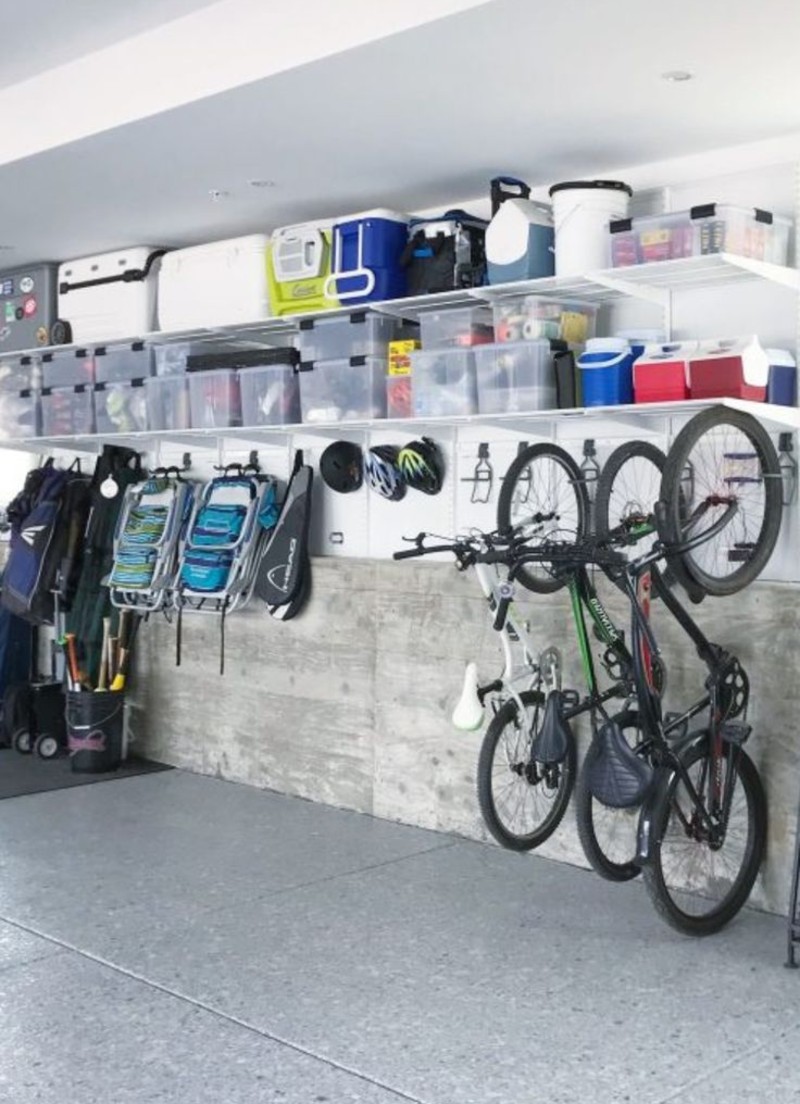
Time to put stuff back, but strategically. Create 5 zones in your garage:
Automotive zone: Car care supplies, motor oil, jumper cables. Keep this near your main entry for easy access.
Tool zone: Workshop area with your workbench, power tools, and hand tools. Position this near an electrical outlet.
Seasonal zone: Holiday decorations, camping gear, pool supplies. This can go in overhead storage or back corners.
Sports zone: Bikes, balls, outdoor equipment. Wall hooks work great here.
Household zone: Cleaning supplies, bulk purchases, extra paper towels. Use shelving units along walls.
iv. Label Everything

Buy a label maker or use masking tape and a marker. I’m serious about this step. Label every bin, every shelf, every hook. “Christmas Lights,” “Garden Tools,” “Car Wash Supplies.” Make labels big enough to read from across the garage.
Small labels are useless when you’re carrying a ladder and need to find something quickly. Take photos of your organized zones with your phone. These photos help family members put things back in the right spots.
v. Test and Adjust

Park both cars in your garage. Walk around them with your normal gear, grocery bags, kids’ backpacks, and work tools. Adjust what doesn’t work. Move hooks higher or lower. Slide shelves left or right. This fine-tuning makes the difference between a system that works and one that annoys you daily.
Test your system for a full week. Use it like normal. Put things away after using them. See what works and what needs tweaking. Most garage organization ideas fail because people skip this testing phase. They organize once and expect it to work forever.
Your two-car garage organization project isn’t done until both cars fit comfortably and you can find anything in under 30 seconds.
Smart Storage Zones for Different Item Categories
Random storage kills efficiency. When everything lives everywhere, you waste time hunting for basic stuff you use regularly. Smart zones fix this problem. Put similar items together in logical spots, and you’ll find anything in under 30 seconds.
i. Automotive Zone: Keep Car Stuff by Your Cars

Put all car-related items near your main garage entry. This means motor oil, jumper cables, car wash supplies, and emergency kits. Use a rolling cart or small cabinet for frequently used items like a tire pressure gauge, ice scraper, and emergency flashlight. Keep a small trash can here for old receipts and fast food wrappers.
Tire storage racks work great if you swap between summer and winter tires. Mount them on the wall about 2 feet off the ground. This keeps tires off the floor and makes seasonal tire rotation much easier. Store car fluids in a locked cabinet if you have kids or pets. Motor oil and antifreeze are toxic, and even small amounts can cause serious problems.
ii. Tool Zone: Build Your Workshop Area

Your tools need their own space with good lighting and electrical access. Pick a corner or wall section where you can set up a workbench. Keep frequently used hand tools on the pegboard right above your workbench. Screwdrivers, pliers, wrenches, and hammers should be at eye level where you can grab them quickly.
Power tools go in drawers or on shelves below your work surface. Keep extension cords coiled and hung on hooks – tangled cords waste time and create safety hazards. Garden tool organization works best on wall-mounted hooks near your outdoor entry.
Rakes, shovels, and hoses get heavy use during the growing season, so easy access matters. Small parts like screws, nails, and bolts need clear containers or drawer organizers. Baby food jars mounted under shelves work great and cost almost nothing.
iii. Seasonal Zone: Out of Sight Until You Need It

Holiday decorations, camping gear, and pool supplies only get used for part of the year. They belong in overhead storage or back corners where they won’t get in your way.
Use clear plastic bins with tight-fitting lids for holiday decoration bins. Label each bin clearly: “Christmas Lights,” “Halloween Decorations,” “Easter Stuff.” You’ll thank yourself next December when you can see exactly what’s in each container.
Store these bins on overhead racks at least 8 feet high. This keeps them safe from garage door opener mechanisms and gives you walking room underneath. Keep a step ladder nearby for easy access. Trying to reach overhead storage without proper equipment leads to accidents and damaged decorations.
v. Sports Zone: Make Active Gear Accessible

Sports equipment needs floor space and wall hooks. Bikes, balls, rackets, and outdoor games get used regularly during good weather. Wall hooks work best for bikes if everyone in your family can lift them. Floor stands take up more space but work better for kids and heavy bikes.
Use mesh bags hung on hooks for balls, pool toys, and sports equipment. You can see what’s inside, and wet items dry out naturally. Fishing gear, golf clubs, and skiing equipment need vertical storage to prevent damage. Tall, narrow spaces work better than wide shelves for long sporting goods.
vi. Household Zone: Bulk Storage Along the Walls
Extra paper towels, cleaning supplies, and bulk purchases need shelf space along your garage walls. These items don’t need prime real estate, but should stay organized. Wire shelving units work great here because you can see what’s on each shelf. Keep similar items together: all cleaning supplies on one shelf, all paper products on another.
Paint and chemical storage requires locked cabinets, especially if you have children. These products can be dangerous if mixed incorrectly or accessed by curious kids. Store paint cans right-side up in temperature-controlled areas of your garage. Extreme heat and cold can ruin paint and cause cans to burst.
Maintaining Your Organized Two-Car Garage Long-Term
You spent three weekends organizing your garage. Now you’re worried it’ll look like a disaster zone again in six months. But maintenance doesn’t mean spending hours reorganizing every month. Smart habits keep your garage functional with minimal effort.
i. The 15-Minute Monthly Reset
Set a timer for 15 minutes on the first Saturday of each month. Walk through your garage and put everything back where it belongs. This catches small problems before they become big messes.
That pile of tools on your workbench gets hung back on the pegboard. Holiday decorations that didn’t make it back to overhead storage get put away properly. Fifteen minutes prevents three-hour weekend cleanups later.
ii. Weekly Habits That Work
Every Sunday night, do a quick garage walk-through. Return items to their designated spots. Put tools back on hooks. Close storage bins that are left open. This takes 5 minutes and prevents the random piles that kill garage storage solutions.
Get your family involved with simple rules: if you take something out, put it back when you’re done. If you bring something new into the garage, find a proper spot for it, or get rid of something else.
iii. Seasonal Reviews Keep Systems Working
Spring: Swap out winter gear for summer equipment. Move pool supplies to easy-reach spots and store snow shovels in back corners.
Summer: Check that frequently used items are still in convenient locations. Adjust hook heights if kids have grown.
Fall: Bring out holiday decoration bins and store summer sports gear.
Winter: Move snow removal tools to prime spots and store lawn equipment until spring.
iv. Stop Clutter Before It Starts
The biggest threat to organized garages is new stuff with no designated home. When something enters your garage, immediately decide where it lives. No “I’ll deal with this later” piles. Those piles multiply like rabbits.
Set a one-in, one-out rule for non-essential items. New camping gear means old camping gear gets donated. Fresh holiday decorations mean worn-out ones get tossed.
v. Annual Deep Review
Once a year, evaluate your whole system. What storage solutions work great? What drives you crazy? What zones need adjusting? This is when you upgrade pieces that aren’t working or add storage for new hobbies.
Your organized garage will stay organized if you protect it with simple routines. Skip the habits, and you’ll be reorganizing from scratch next year.
FAQs
How much space do I need around each car to still have storage?
Each car needs a parking spot plus 3 feet of walkway space on all sides. For a standard car (16 feet long, 6 feet wide), that means 22 feet by 12 feet per vehicle. Most 20×20 garages can fit two cars with basic storage along the walls.
What order should I install garage storage systems?
Always install overhead storage first, then wall systems, and floor storage last. Overhead racks create dust and debris when you drill into ceiling joists, so do them before anything else is in place.
How much should I budget for two-car garage organization?
Budget depends on your DIY skills and quality expectations. Basic DIY organization costs $300-500 using plywood pegboard, wire shelving, and simple overhead racks, and mid-range modular systems run $800-2000, with professional installation adding $500-1500.
