You’ve seen the beautiful Instagram posts of tiny home living. But the reality for many owners is a constant, damp battle against an unseen enemy, moisture.
Maybe you built an airtight dream home, but now you’re noticing condensation on the windows. You might smell something musty or even feel under the weather. You’re worried about moisture problems in tiny homes, but you don’t know how serious the issue is or how to fix it.
This guide exposes the serious tiny home health hazards linked to moisture. You will learn how to spot the warning signs and get a 2025-ready plan from DIY fixes to the one “pro” solution to protect your home and your health.
1: Your Tiny Home Is an Airtight Trap
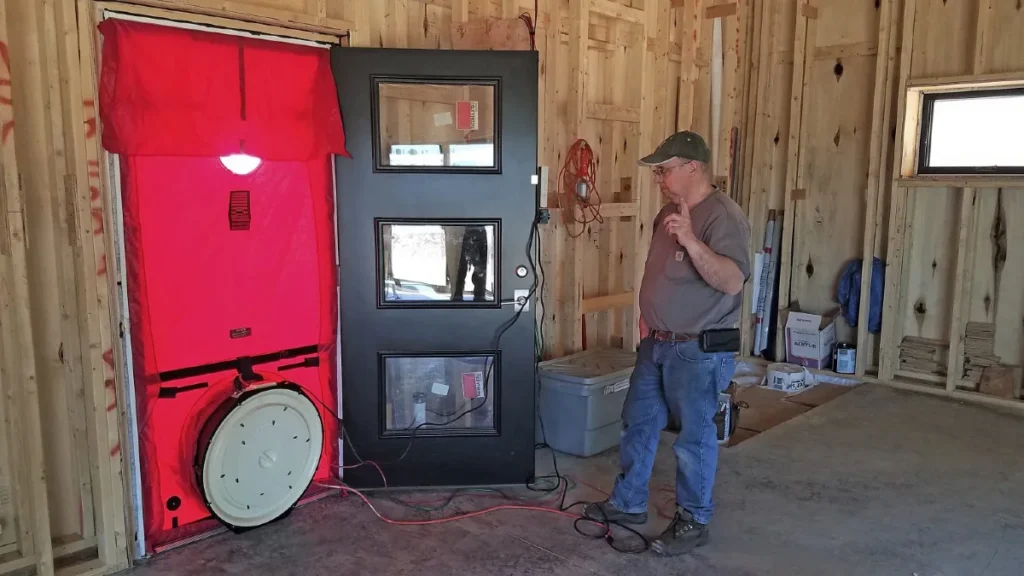
The very thing that makes your tiny home so cozy and efficient is also its biggest liability. Modern tiny homes are heavily insulated and sealed to be energy-efficient. This is great for your heating bill but terrible for air exchange.
Unlike older, drafty houses, this airtight seal means any moisture generated inside has no natural way to escape. It gets trapped, building up quickly in the small volume of air. This is the root cause of dampness.
- Your home’s insulation and air-sealing are designed to keep heat in, but they also keep moisture in.
- In a traditional house, moisture escapes through cracks and a larger volume of air.
- A tiny home’s small size means humidity levels can rise very quickly.
- This trapped, damp air is the perfect environment for mold to thrive.
2: You Create Moisture Just By Living

You are a primary source of the moisture inside your tiny home. Everyday activities release a surprising amount of water vapor into the air. This isn’t something you can just stop doing.
It’s a basic function of being alive. In a small, sealed space, this self-generated moisture becomes a major issue. It’s not just from obvious sources like showering; it’s a constant, 24/7 process that you must learn to manage.
- A single person can exhale and perspire 1-2 liters of water per day just by breathing.
- A 5-minute shower can release about half a pound of water vapor into the air.
- Cooking a simple pasta dinner can release another pound of water.
- These activities quickly overwhelm the small air volume of a tiny home.
3: Condensation Creates a Mold Timeline

When all that humid air from cooking and breathing hits a cold surface, it turns back into liquid water. This is condensation. You see it on your windows, in the corners, or on cold metal frames.
It isn’t just a harmless bit of water; it’s a warning sign. This liquid water is the one ingredient mold needs to grow. And it doesn’t take long for that to happen. You are in a race against the clock as soon as you see it.
- Condensation is the first visible sign that your home’s humidity is too high.
- It proves that the moisture is trapped and has nowhere to go.
- The US Environmental Protection Agency (EPA) states mold can begin to grow on a damp surface within 24 to 48 hours.
- This means window condensation in the morning can lead to a mold colony by the next day.
4: Mold and Damp Can Harm Your Body
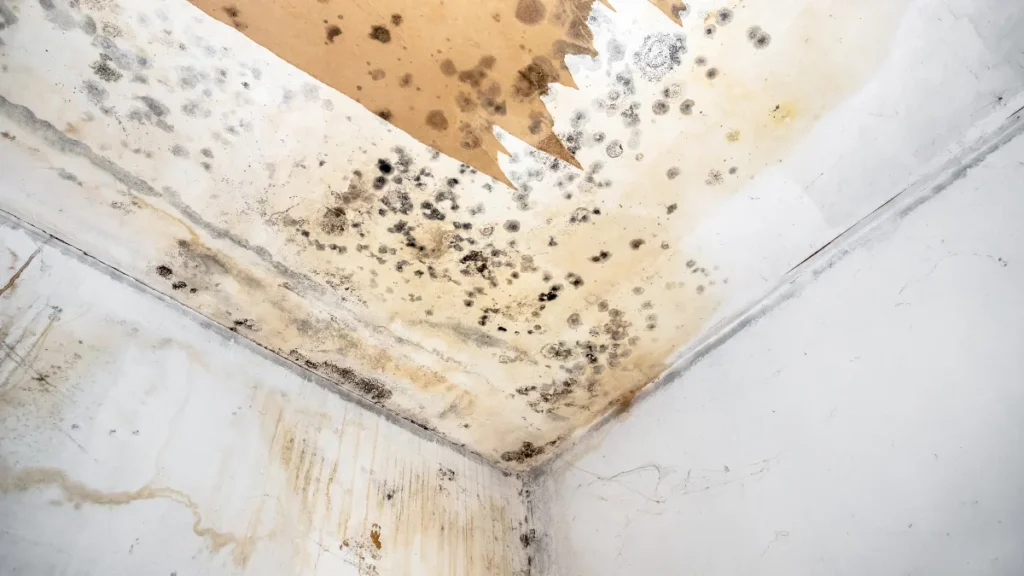
Before you wipe away that condensation, you need to understand what you’re really dealing with. It’s not “just a little mold.” Mold releases tiny spores, irritants, and sometimes mycotoxins into the air you breathe. The link to respiratory problems is clear.
The US EPA warns that exposure can cause allergic reactions, asthma attacks, and chronic coughing. That “musty smell” is the smell of mold releasing gases, and you are breathing them in.
- This is not just about comfort; it’s about safety. In 2020, a toddler died from respiratory failure caused by prolonged mold exposure in his home.
- Chronic exposure is linked to headaches, constant fatigue, and even mental health issues like depression.
- The most common symptoms include sneezing, runny nose, red eyes, and throat irritation.
- The hidden danger is what breathing this poor air does to your body long-term.
The Ultimate 2025 Solution an ERV or HRV
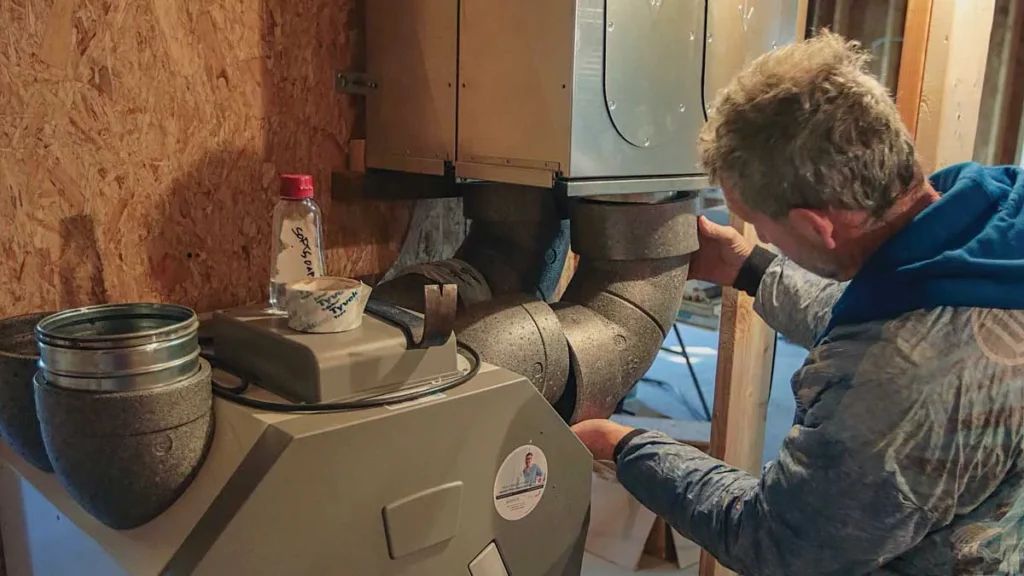
If you’re tired of constantly managing the problem by emptying dehumidifiers and cracking windows in winter, it’s time for the permanent solution. The steps above manage moisture. This technology solves the root problem.
Your airtight home needs “lungs.” This is a balanced ventilation system. It’s a box that actively trades your stale, moist, indoor air for fresh, clean, outdoor air. It does this without losing all the heat you paid for.
- An HRV (Heat Recovery Ventilator) is perfect for cold climates. It pushes stale, moist air out while pulling fresh air in. A special core transfers the heat from your outgoing air to the incoming fresh air.
- An ERV (Energy Recovery Ventilator) does the same thing but also transfers some moisture. This is ideal for very humid climates (to keep humidity out) or very dry climates (to keep some humidity in).
- As tiny homes get more airtight, these systems are moving from a “luxury” to a “necessity” for your health. A healthy home is a home that can breathe. An ERV or HRV is how you let it breathe safely.
| Feature | HRV (Heat Recovery Ventilator) | ERV (Energy Recovery Ventilator) |
| Main Function | Pushes stale, moist air out while pulling fresh air in. | Does the same thing (pushes stale air out, pulls fresh air in). |
| Heat Transfer | Transfers heat from outgoing air to incoming air. | Transfers heat (implied, as it “does the same thing”). |
| Moisture Transfer | Does not transfer moisture (implied). | Yes, it transfers some moisture. |
| Best Climate | Perfect for cold climates. | Ideal for very humid or very dry climates. |
Take Control of Your Tiny Home’s Health
Living big in a tiny home means living healthy. While moisture problems in tiny homes are a serious threat, they are 100% solvable.
It starts with managing moisture at the source, using a dehumidifier, and, for a permanent fix, installing a tiny home ventilation system.
Don’t wait for a musty smell. Go buy a $15 hygrometer today. It’s the single best first step you can take to protect your home and your health. Your tiny home’s moisture levels are a health issue, not a design flaw. Take control of them now.

Marvin is an expert in farming equipment with a strong background in agricultural engineering. He graduated from Kansas State College of Agriculture, where he received a degree in Agricultural Engineering and specialized in farm equipment design and maintenance.