
Nothing ruins a backyard BBQ or peaceful porch time faster than buzzing flies. That constant, annoying buzz can turn an afternoon into a game of swatting. You want to enjoy your outdoor space, not defend it.
Commercial fly sprays often contain harsh chemicals like DEET that you simply don’t want around your food, pets, or children. They can be expensive, smell unpleasant, and need constant reapplication. It feels like a losing battle.
This guide provides proven DIY fly repellent solutions for outdoors using simple ingredients from your kitchen and garden. You will learn how to create effective homemade fly repellent sprays, traps, and sachets that are safe, affordable, and actually work. We’ll also cover preventive natural fly control measures to prevent flies from becoming a problem.
Imagine enjoying your next gathering without the chemical smell or the worry. You can create a comfortable, fly-free zone and finally reclaim your outdoor space.
Fly repellent diy outdoors

1. Why Choose DIY Fly Repellents for Outdoor Spaces

Tired of flies crashing your backyard BBQ or ruining a peaceful porch moment? You’re not alone. Store-bought sprays promise relief, but many contain harsh chemicals like DEET or permethrin that can pose health risks with frequent use, especially around kids and pets.
Effective natural fly repellents made from simple ingredients like essential oils and herbs offer a safer, smarter way to reclaim your outdoor space. Here’s why DIY solutions are worth your time.

First, safety is a major advantage. Commercial repellents often contain synthetic chemicals that can cause skin irritation, respiratory issues, or more severe reactions in sensitive individuals. In contrast, homemade blends using ingredients like citronella, lavender, or eucalyptus are gentler and non-toxic.
For example, a spray made with apple cider vinegar and essential oils avoids the risks associated with permethrin (which is toxic to cats) or DEET (linked to neurotoxicity in high doses). This makes DIY insect control ideal for families with children or pets playing outdoors.
Next, consider the cost savings. A 16-ounce bottle of commercial fly spray can cost $15 or more, especially if it’s branded as organic or natural. Meanwhile, a homemade version using apple cider vinegar, mineral oil, and essential oils averages just $2–3 for the same amount.

You likely already have many ingredients in your kitchen, making it a frugal fix. One homesteader noted that switching to DIY cut her fly control costs by over 50% being just as effective.
Environmental benefits matter too. Chemical insecticides contribute to pollution and can harm beneficial insects like bees and butterflies. Natural repellents break down safely and reduce your ecological footprint.
Flies are developing resistance to common pesticides, as seen in studies where populations showed moderate to high resistance to chemicals like cyfluthrin. DIY solutions avoid contributing to this cycle.
Finally, customization is key. Not all flies are the same. Fruit flies hate cloves, stable flies flee from lemongrass oil. With DIY, you can tweak recipes to target specific pests. Plant basil or marigolds around seating areas for ongoing protection. Prefer a spray? Mix and match oils like peppermint and citronella for a scent you enjoy that flies despise.
2. Essential Ingredients for Effective DIY Fly Repellents

The secret to a successful natural fly repellent lies in using the right ingredients. You don’t need a chemistry degree, just a few key items from your pantry or local store. These components work because flies detest their strong scents and properties.
The real powerhouses are essential oils. Flies have a keen sense of smell, and certain oils overwhelm their systems, forcing them to flee. The most effective options include:
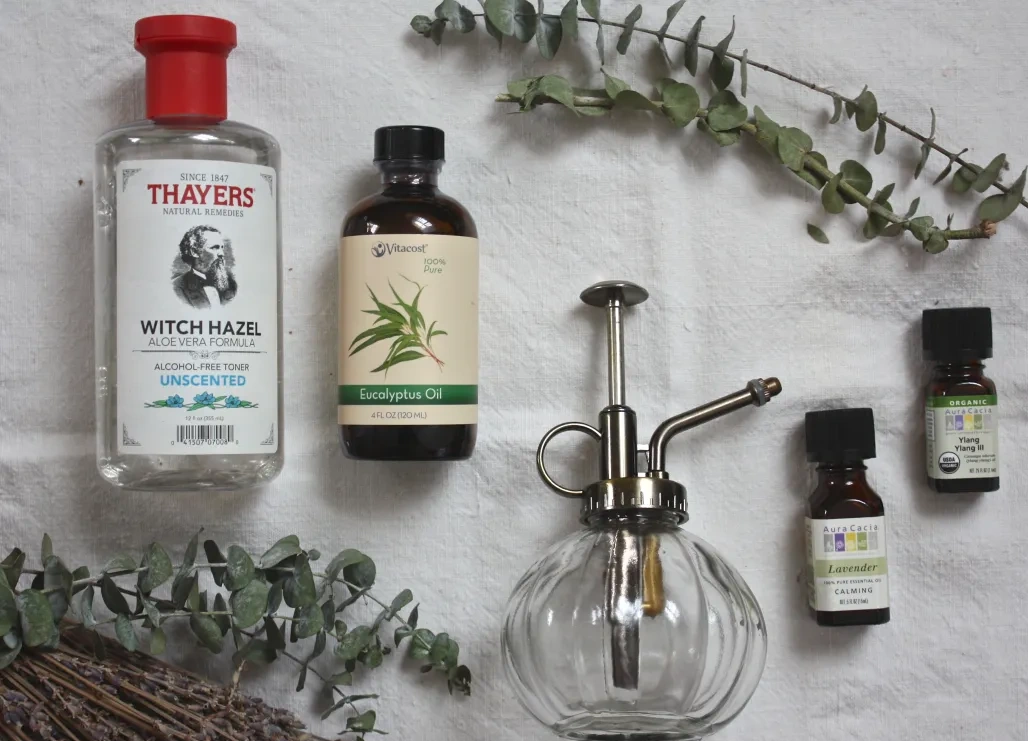
Citronella: A classic for a reason. It masks scents that attract flies.
Peppermint: Its strong, minty aroma is offensive to many flying pests.
Lavender: Pleasant to humans but repulsive to flies and mosquitoes.
Eucalyptus: Contains compounds that are highly effective at deterring insects.
Lemongrass: Similar to citronella, it’s a strong fly repellent.
You don’t need to buy everything at once. Start with one or two that you like the scent of.
Next, look in your cupboard for household items with repellent properties. These are the bases of many sprays and traps:
Apple Cider Vinegar: The pungent smell lures flies in, making it perfect for trap recipes.
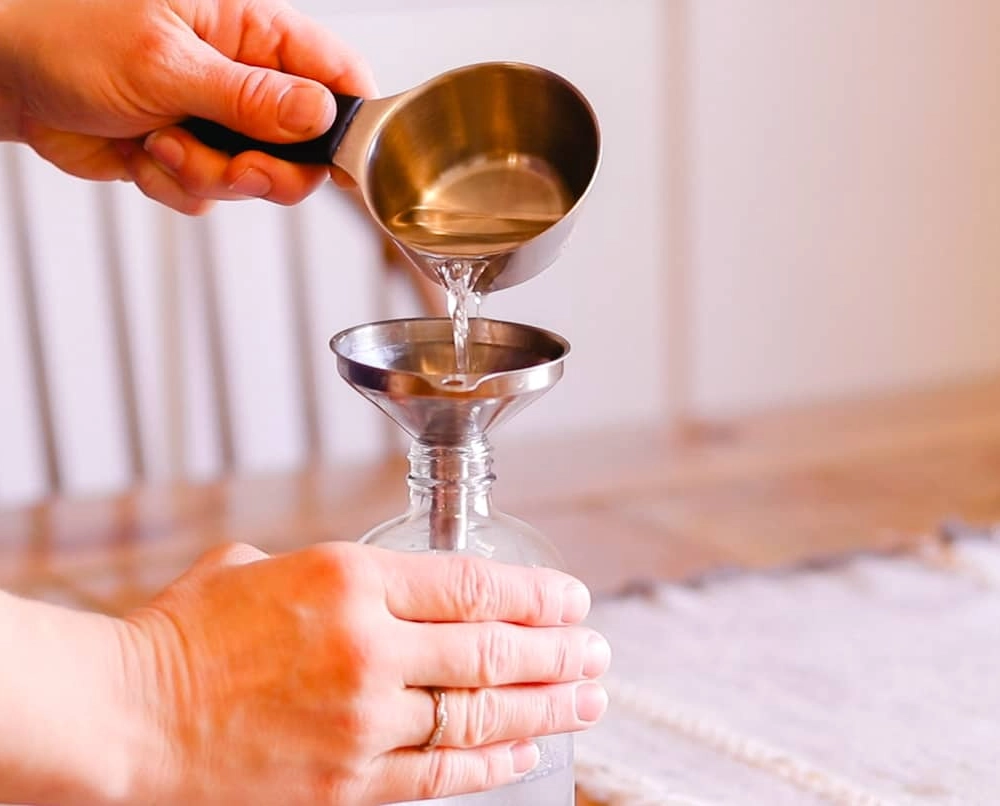
Witch Hazel: An excellent alcohol-free base that helps oil and water mix in sprays.
Vodka: Acts as both an emulsifier (helping oils blend with water) and a preservative.
Don’t forget about herbs and plants. Growing these around patios or decks creates a living barrier:
Basil, Mint, Rosemary: Their strong aromatic leaves naturally ward off flies.
Marigolds: These flowers emit a scent that flies avoid, making them great for garden borders.
Finally, you’ll need carrier agents. Essential oils are potent and can irritate skin if applied undiluted. Mix them with a carrier oil (like mineral or coconut oil) for skin-safe applications or with water for a spray. An emulsifier (like vodka or witch hazel) is crucial for sprays; it stops the oil and water from separating immediately.
Here’s a quick guide to which oils work best for common fly types:
| Essential Oil | Best For | Effectiveness |
|---|---|---|
| Citronella | Houseflies, Mosquitoes | High |
| Lavender | Fruit Flies, Mosquitoes | Medium-High |
| Peppermint | Houseflies, Spiders | High |
| Lemongrass | Stable Flies, Mosquitoes | High |
| Eucalyptus | Mosquitoes, Houseflies | Medium-High |
3. 5 Proven DIY Fly Repellent Recipes for Outdoor Use

Now for the fun part: making your repellents. These homemade fly repellent recipes use the ingredients we just covered. They are tried, tested, and your next gathering will be peaceful. Each one serves a different purpose, from quick sprays to set-and-forget traps.
All-Purpose Essential Oil Spray (Quick & Versatile)

This is your go-to DIY fly spray for patios and decks. A 2025 review of essential oils confirmed that peppermint and lemongrass oils are highly effective at repelling houseflies.
Recipe: Mix 2 cups of water, 1 tablespoon of witch hazel (or vodka), and 30-40 drops of essential oils. Use a blend of citronella, peppermint, and eucalyptus.

Use: Shake well and spray around seating areas, door frames, and tables. Reapply every 2 hours or after a breeze.
Vinegar & Dish Soap Trap (For Existing Flies)

This trap not only repels flies but also eliminates them. The vinegar attracts them, and the soap breaks the water’s surface tension, causing them to be trapped.
Recipe: Pour 1/2 cup of apple cider vinegar into a jar. Add a few drops of dish soap and swirl gently.

Use: Place these jars away from your main seating area to draw flies away. You’ll see results within hours.
Herbal Repellent Sachets (Long-Lasting Protection)

These sachets provide a constant, slow release of scent for protecting small porches or screened areas.
Recipe: Fill small cheesecloth bags or old stockings with dried rosemary, mint, and cloves.

Use: Hang these sachets near doors, windows, or from patio umbrella ribs. They last for weeks.
Citrus and Clove Repellent (Pleasant & Natural)

Fruit flies and houseflies avoid the sharp scent of cloves. This option smells fantastic to humans.
Recipe: Cut a lemon or orange in half. Press 20-30 whole cloves into the fleshy part.
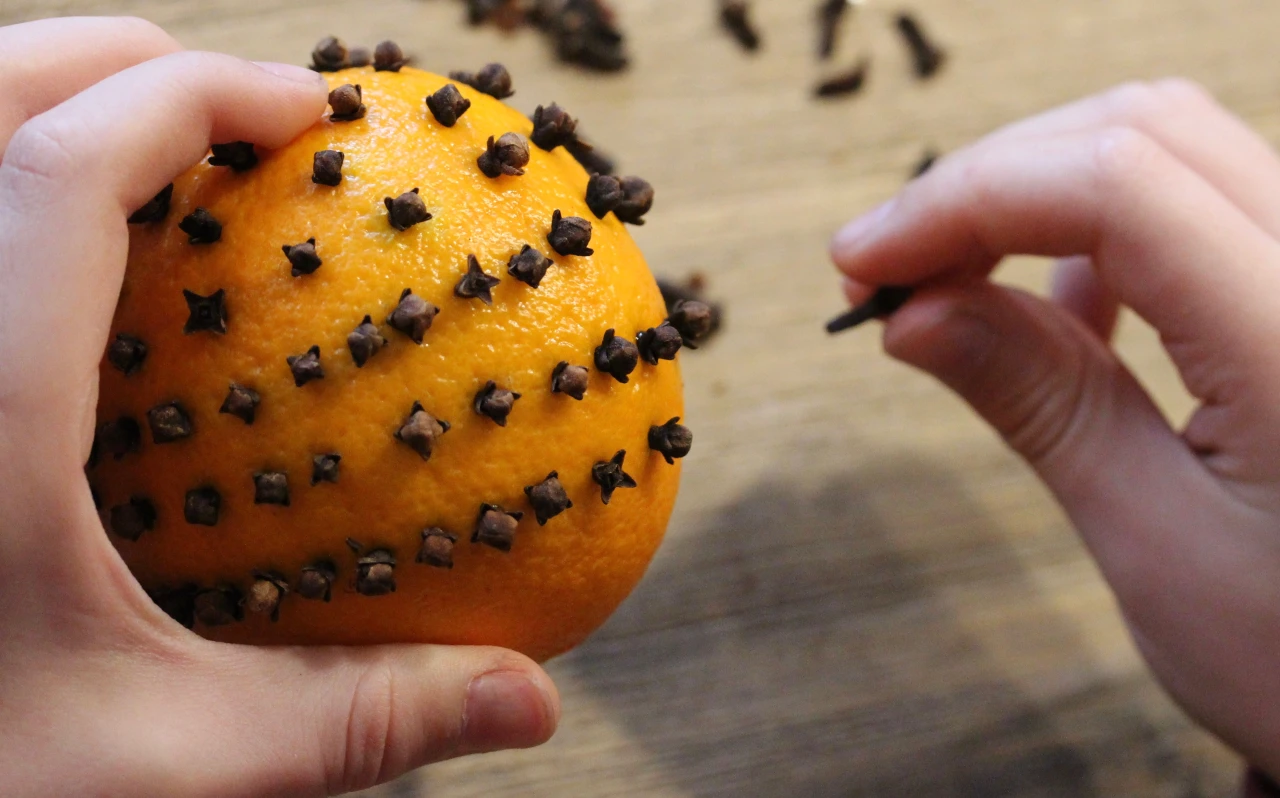
Use: Place these clove-studded citrus halves on a plate on your picnic table. It’s a beautiful, natural centerpiece that works.
Concentrated Wipe-On Repellent (For High-Traffic Areas)

For extra protection on surfaces like tablecloths, umbrella fabric, or chair arms, this oil-based blend lasts longer than a spray.
Recipe: Combine 1/4 cup of coconut oil or mineral oil with 20 drops of lemongrass and 10 drops of eucalyptus oil.

Use: Use a cloth to wipe a small amount onto surfaces. A little goes a long way. Avoid direct skin contact if you used mineral oil.
Test different recipes to see which works best for your space. This outdoor fly control is effective, safe, and puts you in charge of your environment.
4. How to Apply and Use DIY Fly Repellents Effectively

Making your repellent is only half the battle. Using it correctly is what makes DIY pest control work. Proper outdoor repellent application ensures flies stay away from your space.
First, focus on the right target areas. Flies gather where people and smells are.
Seating & Dining Spaces: Spray tablecloths, umbrella undersides, and chair legs.
Entry Points: Apply to door frames, window sills, and screen doors to create a barrier.
Trash & Recycling Bins: Wipe the outsides of bins with a repellent wipe or hang a sachet nearby.

Your application method depends on the recipe.
Spraying: Covering large areas quickly. Use a fine-mist bottle for even coverage.
Wiping: Ideal for oil-based blends on surfaces like wooden tables or railings.
Strategic Placement: Set vinegar traps 10-15 feet away from your party to lure flies without attracting them to your food.
Frequency matters. Sun, wind, and rain can break down natural repellents faster than chemicals. Here’s a quick guide for reapplication:
| Recipe Type | Normal Conditions (Calm, Shaded) | Hot/Sunny or Windy | After Rain |
|---|---|---|---|
| Essential Oil Spray | Every 2 hours | Every 60-90 minutes | Reapply immediately |
| Wipe-On Repellent | Every 4-6 hours | Every 3-4 hours | Reapply after drying |
| Herbal Sachets | Refresh weekly | Refresh every 5 days | Check for dryness |
Skin Application: Only use recipes with skin-safe carrier oils (like coconut oil). Always do a patch test on your arm first to check for irritation.
Surfaces: Test sprays on a small, hidden area of wood or fabric to check for staining, especially with oil-based recipes.
Pets: Generally safer, avoid direct application on pet bedding or where pets frequently lick surfaces.

Finally, store your mixtures properly. Keep sprays and concentrates in a cool, dark place. Use dark glass bottles if possible to protect the essential oils from sunlight. Most homemade mixes will stay potent for about a month.
Knowing how to apply fly repellent correctly makes all the difference. A little strategy ensures your efforts pay off, letting you enjoy every moment outdoors.
5. Enhancing Your DIY Fly Control with Complementary Strategies

Your homemade repellents are powerful. But for true outdoor fly prevention, pair them with smart habits. Flies are attracted to food, moisture, and shelter. A few simple changes to your space can make it far less inviting. This is about creating a full, natural fly control system.
Start with environmental modifications. This is your first line of defense.

Remove Standing Water: Empty buckets, plant saucers, and birdbaths every few days. Mosquitoes and flies breed in stagnant water.
Secure Trash & Compost: Use tight-sealing lids on all bins. A study by pest professionals found that proper trash management can reduce fly attraction by up to 60%. Clean bins weekly with vinegar to eliminate odors.
Clean Up Promptly: After a BBQ, wipe down surfaces and bring in dirty dishes quickly. Don’t leave pet food sitting outside.
Use physical barriers to make your space uncomfortable for flies.
Install a Fan: Flies are weak fliers. A simple box fan placed near your seating area can reduce fly landings by up to 75%. They hate battling the breeze.
Use Screens: Hang mesh screens around porches or gazebos to create a physical block.

Plant strategically. Create a beautiful, living barrier.
Plant basil in pots on your patio table. Grow mint, lavender, and marigolds around the perimeter of your deck or garden. These plants release scents that flies avoid.
Maintain your systems

Refresh vinegar traps every few days. Replace herbal sachets once they lose their scent. Reapply sprays as scheduled, especially after rain.
For severe problems, combine all these methods. Use repellent sprays on surfaces, set a fan blowing, ensure trash is sealed, and refresh your traps. This multi-layered approach is the most effective fly repellent strategy.

These steps require little effort but dramatically boost your results. You’ll create an environment that naturally discourages flies, making your DIY sprays work even better.
