
Living off the grid in a tiny home might seem like the ultimate path to financial freedom and sustainability, but what are the real costs behind this increasingly popular lifestyle? Social media showcases idyllic tiny houses with solar panels glistening in the sun, but rarely reveals the complete financial picture.
If you’re considering leaping to off-grid tiny living in 2025, you’re likely swimming through conflicting information. One source claims you’ll slash your monthly expenses by 70%, while another warns about hidden costs that can break your budget. This contradiction makes planning nearly impossible and leads many aspiring tiny homeowners to enter this lifestyle with dangerously unrealistic expectations.
This guide cuts through the hype to provide a comprehensive breakdown of what you’ll actually pay each month as an off-grid tiny homeowner. Using current 2025 data and real-world examples from people already living this lifestyle, we’ll examine every expense category from power generation and water management to internet access and property costs.
By the end, you’ll have a clear understanding of the true monthly costs of sustainable tiny house living, allowing you to create a realistic budget that prevents financial surprises and sets you up for long-term success.
Off-Grid Tiny Home? Here’s Your Real Monthly Cost Breakdown

1. Understanding Initial Investment vs. Monthly Costs

When planning your off-grid tiny home journey, understanding the relationship between your upfront investment and ongoing expenses is crucial. Making smart initial choices directly impacts what you’ll pay month after month.
Upfront vs. Ongoing Costs

The initial investment for an off-grid tiny home in 2025 typically ranges from $30,000 to $85,000, depending on size, materials, and systems. Custom builds with premium materials and high-efficiency off-grid systems sit at the higher end, DIY projects using reclaimed materials can significantly reduce costs.
Here’s the key: spending more upfront on quality systems often reduces your monthly expenses. For example, investing in a larger solar system with premium batteries ($8,000-$15,000) might seem expensive initially, but it can slash your monthly energy costs to nearly zero compared to a smaller system that requires generator backup.
Financing Your Tiny Home

Traditional mortgages rarely cover tiny homes, but specialized financing has emerged in 2025:
Tiny home-specific loans: 5-15 year terms with interest rates averaging 6-9%
Personal loans: Shorter terms (3-7 years) with rates between 7-12%
RV loans: Available for certified tiny homes on wheels, typically 10-15 year terms at 5.5-7% interest
Many off-gridders opt to pay cash or finance only a portion to avoid the higher interest rates typically associated with tiny home loans.
ROI Timeline and Build vs. Buy

Most off-grid systems pay for themselves within 5-8 years. Solar setups with current 2025 technology have longer lifespans (25+ years for panels) with batteries requiring replacement every 8-15 years, depending on type and usage.
Building your own tiny home costs about 40-60% less than buying pre-made, but requires significant time investment, typically 500-1,000 hours for someone with moderate skills. Pre-built homes offer convenience and often include warranties on both structure and systems.
Unlike traditional homes, tiny houses on wheels typically depreciate similarly to RVs, losing 20-30% of value in the first few years. However, tiny homes on foundations with quality off-grid systems can actually appreciate, especially when built on owned land in desirable locations.
Key takeaway: Your initial investment choices create the framework for your long-term monthly expenses. Where will you choose to invest more upfront to save on monthly costs?
2. Power Generation and Storage Costs

Your power system is likely the most critical and potentially expensive component of off-grid living. Understanding these costs helps you budget realistically and avoid unpleasant surprises.
Solar System Components and Monthly Costs

In 2025, a complete solar power system for a tiny home typically includes:
Solar panels: 2-4kW array ($3,500-$8,800 installed)
Charge controller: Regulates power flow ($200-$600)
Battery bank: Stores energy ($2,000-$6,000)
Inverter: Converts DC to AC power ($800-$2,000)

Once installed, your monthly maintenance costs are surprisingly low. Modern off-grid solar systems typically require only occasional panel cleaning and system monitoring. Budget about $10-15 monthly for cleaning supplies and minor maintenance, though seasonal deep-cleaning might add $50-100 if professionally done.
Sarah, an off-grid tiny homeowner in Colorado, shared: I spend about 30 minutes each month inspecting connections and cleaning my panels. My only real expense is the occasional specialized cleaner for stubborn dirt, maybe $5-10 monthly.
Battery Lifecycle Planning

Batteries represent your largest recurring power expense:
Lithium batteries: Last 10-15 years, cost $5,000-$12,000 to replace
Lead-acid batteries: Last 5-8 years, cost $1,500-$4,000 to replace
To avoid future sticker shock, set aside $40-80 monthly in a battery replacement fund, depending on your battery type. This distributed cost approach prevents financial strain when replacement time arrives.
Backup Power Solutions

Nearly all off-grid systems need backup power for low-sun periods:
Propane generator: $1,000-$3,000 initial cost plus fuel
Fuel consumption: 1-3 gallons per day when running
Monthly costs: $20-100 depending on seasonal usage
A basic generator backup for just running lights and small electronics can cost around $5,000, while more robust systems for powering larger appliances will cost significantly more.
Seasonal Adjustments and Their Financial Impact

Power generation isn’t constant throughout the year:
| Season | Typical Solar Production | Potential Additional Costs |
|---|---|---|
| Summer | 100% capacity | Minimal |
| Fall/Spring | 60-80% capacity | $20-40 generator fuel |
| Winter | 30-60% capacity | $60-100 generator fuel |
Real-World Example: Michael in Montana budgets $30 monthly for solar maintenance year-round, but sets aside $150 monthly for winter backup power (December-February) and just $20 monthly the rest of the year.
Key takeaway: For reliable off-grid power, budget $50-150 monthly for your complete power system, with higher amounts during low-production seasons. Have you considered how your location’s climate will affect your power costs throughout the year?
3. Water Collection and Management Expenses

Unlike grid-connected homes with monthly water bills, your off-grid water expenses come primarily from system maintenance and occasional repairs. Initial setup costs are significant, but monthly expenses are typically lower than municipal water rates once established.
Rainwater Harvesting Costs
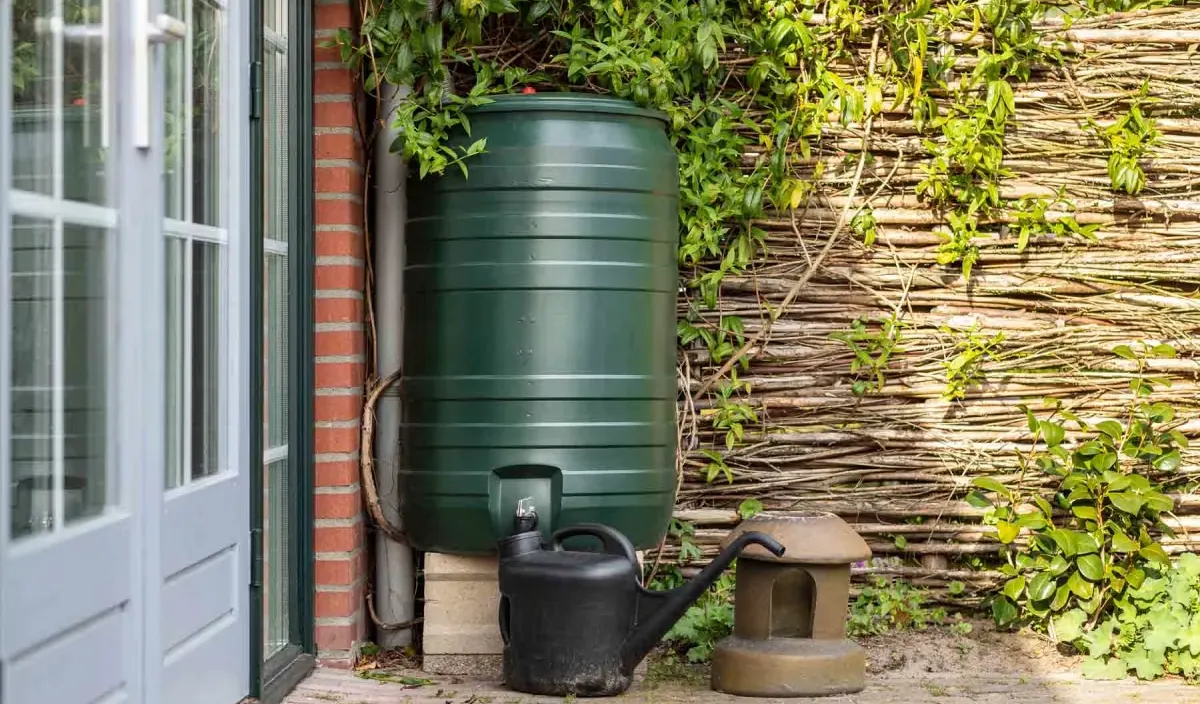
A basic rainwater harvesting system includes:
Collection surfaces (usually your roof)
Gutters and downspouts with debris screens
First-flush diverters to remove contaminants
Storage tanks (typically 1,000-3,000 gallons)
Monthly maintenance costs are modest, averaging $15-25 for gutter cleaning supplies, diverter maintenance, and occasional tank inspection. Budget an additional $50-100 annually for professional tank cleaning if you don’t do it yourself.
First-flush water recovery systems that divert pollutants away from storage tanks are essential for maintaining water quality but require periodic cleaning and filter replacement. These maintenance items typically cost $10-15 monthly.
Filtration and Purification Expenses

Water filtration represents your largest recurring water expense:
| Filtration Type | Replacement Frequency | Monthly Cost |
|---|---|---|
| Sediment filters | 2-3 months | $5-10 |
| Carbon filters | 3-6 months | $8-15 |
| UV purification | Bulb: annually | $5-8 |
| Reverse osmosis | Membranes: 2-3 years | $5-10 |
Seasonal Challenges and Backup Solutions

Dry seasons require planning and possibly additional expenses:
Water delivery: $75-200 per delivery, depending on location
Secondary water sources: Wells or community water points
Storage capacity: Larger tanks reduce dependency on backup sources
Lisa, a tiny homeowner in Arizona, shares: I budget $200 extra during our three driest months for occasional water delivery. The rest of the year, my rainfall collection covers everything with no additional costs.”
Water Testing and Treatment

Regular water testing is essential for safety:
DIY test kits: $10-20 monthly
Professional testing: $100-300 annually
Treatment chemicals: $5-15 monthly for chlorine or hydrogen peroxide
Most off-grid homeowners spend $15-30 monthly on water quality management, with higher costs if professional treatment is needed.
Conservation’s Financial Impact

Water conservation directly impacts your bottom line by:
Reducing filtration system wear
Decreasing the need for backup water sources
Extending the lifespan of pumps and equipment
Low-flow fixtures, composting toilets, and greywater recycling systems can reduce water consumption by 50-70%, cutting your water-related expenses nearly in half.
Key takeaway: Budget $40-80 monthly for your complete water system maintenance, with higher amounts during dry seasons or drought conditions. How might you adjust your water usage habits to reduce these costs even further?
4. Waste Management and Sewage Solutions

Managing waste effectively is a crucial aspect of off-grid living, one that impacts both your monthly budget and quality of life. Unlike traditional homes with municipal sewage, you’ll be handling these systems yourself.
Composting Toilet Systems

Composting toilets have become the standard for off-grid tiny homes due to their efficiency and lower environmental impact. Monthly costs include:
Composting medium: $10-15 for coconut coir or peat moss
Enzyme treatments: $5-10 for odor and breakdown acceleration
Carbon material: $5-8 for sawdust or wood shavings
Most households spend $20-30 monthly on consumables for their composting toilet systems. Higher-end electric composting toilets use more electricity but often require fewer additives, balancing out the cost difference.
James, a tiny home owner in Vermont, notes: We spend about $25 monthly on composting supplies, but save significantly on water that would otherwise be used for flushing.
Greywater Management

Greywater systems handle wastewater from sinks, showers, and washing machines:
| Component | Replacement Frequency | Monthly Cost |
|---|---|---|
| Simple filters | 1-2 months | $10-15 |
| Plumbing maintenance | As needed | $5-10 |
| Plants (for biological filtration) | Seasonal | $3-8 |
Disposal Considerations

Don’t overlook final disposal costs:
Composted waste: Usually free if composted on-site
Collection services: $25-75 monthly if required by local regulations
Transport costs: Variable if self-hauling to processing facilities
Most tiny home dwellers handling their own waste processing spend less than $10 monthly on disposal; those requiring professional services should budget $30-80.
Key takeaway: Budget $35-85 monthly for complete waste management, depending on your system choice, with composting toilets generally offering the lowest long-term costs. Have you considered which waste management approach aligns best with your comfort level and local regulations?
5. Heating, Cooling, and Climate Control

Climate control represents one of the most variable expenses in off-grid tiny home living. Your monthly costs depend greatly on your location, seasonal conditions, and how well your tiny home is designed for energy efficiency.
Heating Options and Monthly Fuel Costs

Most off-grid tiny homes rely on one of these heating methods:
Propane Heating:

Monthly consumption: 15-40 gallons in cold months
Cost: $45-120 monthly during winter
Efficiency considerations: Direct vent heaters are 80-95% efficient
For propane appliances like water heaters and stoves, tiny homeowners typically spend about $20 monthly, with tanks needing refills approximately every three months.
Wood Heating:

Monthly consumption: ¼-½ cord per month in cold climates
Cost: $30-80 if purchasing wood, less if harvesting yourself
Efficiency considerations: Modern wood stoves achieve 70-80% efficiency
Electric Heating (Solar-Powered):

Monthly cost: Minimal direct costs but requires a larger solar system
System impact: Increases battery draw by 30-50% during heating season
Backup requirements: Nearly always requires propane or wood backup
Elena, who lives in her off-grid tiny home in Michigan, shares: I spent about $350 total on propane last winter, with January being my highest month at $110. My well-insulated design makes a huge difference; my neighbor in a poorly insulated tiny home spent nearly double.
Investment for reducing these ongoing costs. How might your local climate affect your tiny home’s monthly heating and cooling budget?
6. Internet and Communication Expenses

Staying connected while living off-grid can be challenging, but increasingly feasible in 2025. Your location will largely determine which options are available and how much you’ll spend monthly.
Rural Internet Options and Costs

Here’s what you can expect to pay for internet in remote areas:
| Connection Type | Monthly Cost | Setup Cost | Data Caps |
|---|---|---|---|
| Starlink | $90-120 | $500-650 equipment | 250-500GB fair use |
| Cellular hotspot | $60-150 | $50-300 device | 50-200GB typically |
| Fixed wireless | $50-80 | $150-400 installation | 100-500GB varies |
| Community mesh | $25-60 | $200-350 equipment | Varies by network |
Mark, who lives off-grid in rural Idaho, shares: I invested in Starlink and pay $110 monthly. It was the only reliable option in my area, and the upfront equipment cost was worth it for consistent connectivity.
Power Considerations for Connectivity

Don’t overlook the energy requirements:
Satellite internet systems: 50-100 watts continuous
Routers/modems: 5-15 watts continuous
Signal boosters: 10-25 watts when active
These power needs add approximately 1-3 kWh daily to your energy budget, requiring additional solar capacity costing $300-900 upfront but minimal monthly maintenance.
Data Management Strategies

Off-grid internet often comes with data limitations that can impact your budget:
Video streaming (1 hour): 1-3GB in standard definition, 5-7GB in HD
Video calls (1 hour): 0.5-1.5GB
Software updates: 0.5-5GB per device monthly
Many off-gridders download content when visiting areas with unlimited WiFi and practice intentional data usage at home, saving $20-50 monthly on premium data plans.
Key takeaway: Budget $70-120 monthly for reliable internet access in remote locations, plus occasional equipment maintenance costs. How essential is high-speed connectivity to your lifestyle, and have you factored its power requirements into your energy system design?
7. Food, Transportation, and Other Living Expenses

Off-grid living significantly changes your everyday expenses beyond utilities. Being intentional with these costs is essential for a sustainable budget.
Food Budget Realities

Remote living typically increases food costs by 15-30% due to:
Limited access to discount grocers
Fewer sales and options
Bulk buying necessities
Most off-grid tiny home dwellers spend $75-125 more monthly on groceries than their urban counterparts. However, many offset this by growing some of their food, saving $30-60 monthly during growing seasons.
Transportation Costs

Remote locations increase transportation expenses:
Fuel costs: 30-50% higher monthly budget for regular town trips
Vehicle maintenance: Additional $25-50 monthly for rural roads
Trip planning: Batch errands to reduce the estimated $0.65/mile cost of travel
Many off-gridders budget $150-300 monthly for transportation, significantly more than urban dwellers who might rely on public transit.
Storage Solutions and Shopping Habits

Limited storage space requires strategic shopping:
Smaller refrigerators (3-5 cubic feet) reduce energy needs but require more frequent shopping
Preservation equipment (dehydrators, canners) costs $200-500 initially but saves $30-75 monthly
Root cellars and cold storage solutions extend food life without energy costs
Key takeaway: Budget an additional $200-350 monthly for food and transportation compared to conventional living, with seasonal variations.
8. Land Considerations and Property Expenses

Where you place your tiny home significantly impacts your monthly budget, with options ranging from free to several hundred dollars monthly.
Land Options and Costs

RV park rental spaces typically cost $500-530 monthly, often including amenities like gym access, hot tubs, and some utilities like water and trash service. More remote or less desirable locations may cost $300-400 monthly, but often come with fewer amenities.
Land ownership provides long-term savings but requires upfront investment:
Rural undeveloped land: $10,000-$50,000+ (varies greatly by region)
Monthly loan payment: $100-300 if financed
Development costs: $5,000-$15,000 for access, clearing, and basic infrastructure
Taxes and Insurance

Tiny homes face unique tax and insurance considerations:
| Home Type | Monthly Property Tax | Insurance Premium |
|---|---|---|
| On wheels | $0-25 (personal property) | $35-125/month |
| On foundation | $30-150 (real estate) | $50-150/month |
