
Growing watermelons alongside the right companion plants can boost your harvest by up to 40% while naturally fighting pests and diseases. Research from the University of California shows that intercropping watermelons with complementary plants increases yields significantly compared to monoculture growing.
As agricultural expert Dr. Sarah Mitchell notes, “Companion planting mimics natural ecosystems where plants work together, not against each other.” Transform your watermelon patch from a struggling single crop into a productive partnership. The plants that’ll Make Your Watermelons EXPLODE With Growth.
35 POWERHOUSE Plants That’ll Make Your Watermelons EXPLODE With Growth
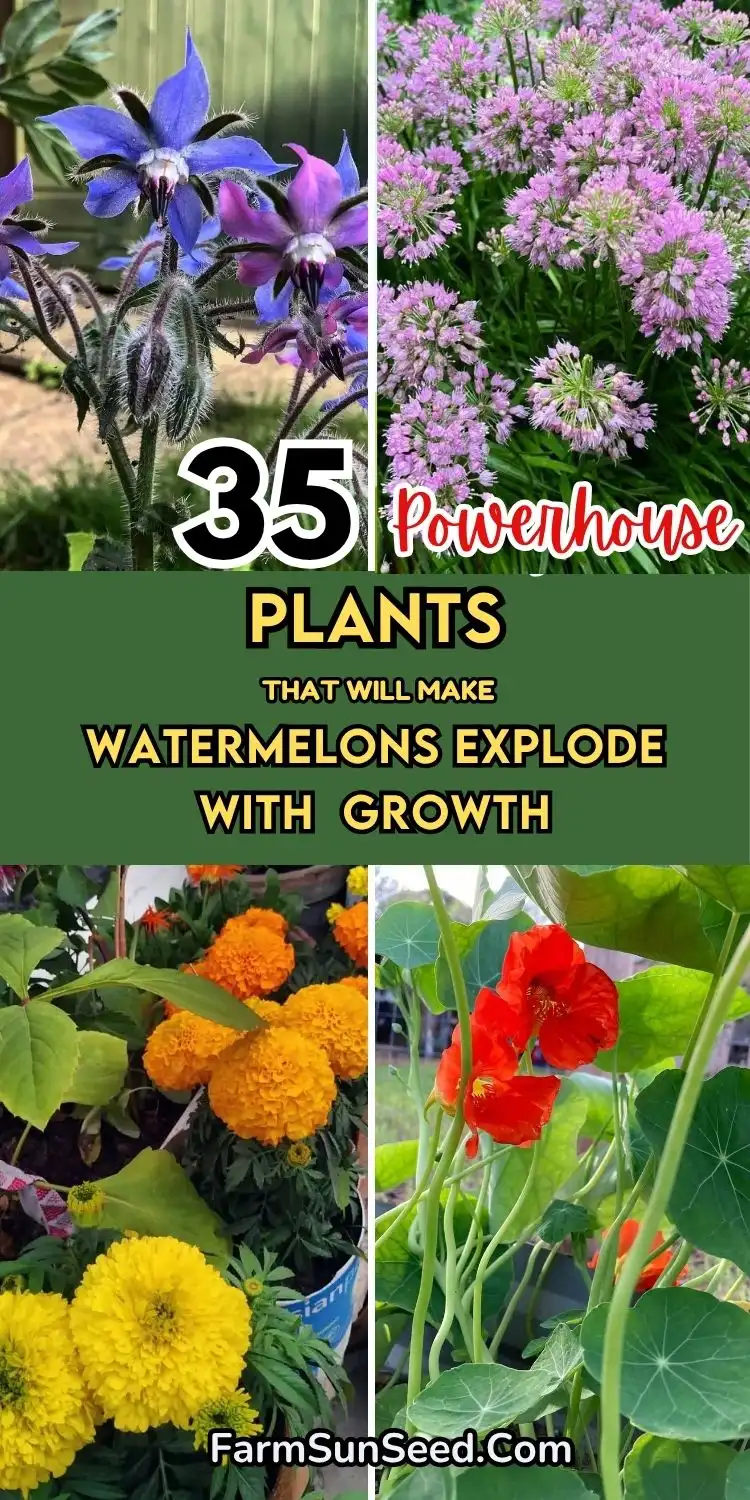
1. Nasturtiums Growing in the Garden

These bright orange nasturtiums are absolute game-changers for watermelon growers. My neighbor swears by planting them around her watermelon patch every summer. These cheerful flowers aren’t just pretty to look at; they’re like tiny bodyguards for your melons.
The nasturtiums attract beneficial insects that help pollinate watermelon flowers, plus they keep nasty pests like cucumber beetles away. Cool is that you can eat the flowers and leaves too; they have a peppery taste. The sprawling nature of nasturtiums creates ground cover that helps retain soil moisture, which watermelons need for their deep roots.
2. Red Nasturtium Flowers with Round Leaves

You want juicy watermelons this season, plant these red nasturtiums nearby. I’ve been gardening for years, and this combo never fails me. Those vibrant red blooms work like magnets for bees and other pollinators, exactly what your watermelon vines need to set fruit.
Nasturtiums naturally repel squash bugs and striped cucumber beetles that love munching on watermelon plants. Plus, toss the peppery flowers in salads while you wait for your melons to ripen. The sprawling growth also shades the soil, keeping moisture locked in during hot summer days.
3. Nasturtium Plant

Most watermelon growers don’t realize. Nasturtiums are like having a personal bodyguard for your melon patch. Those beautiful, round leaves and that fiery red bloom. This little powerhouse does triple duty in your garden. First, it lures aphids away from your precious watermelon vines they prefer to nasturtiums.
Second, the flowers attract pollinators that’ll boost your watermelon production big time. Third, those trailing vines create a living mulch that keeps weeds down and keeps the soil moist. Smart farmers have used this trick for generations. Plant nasturtiums around your watermelon border.
4. Tall Sunflowers
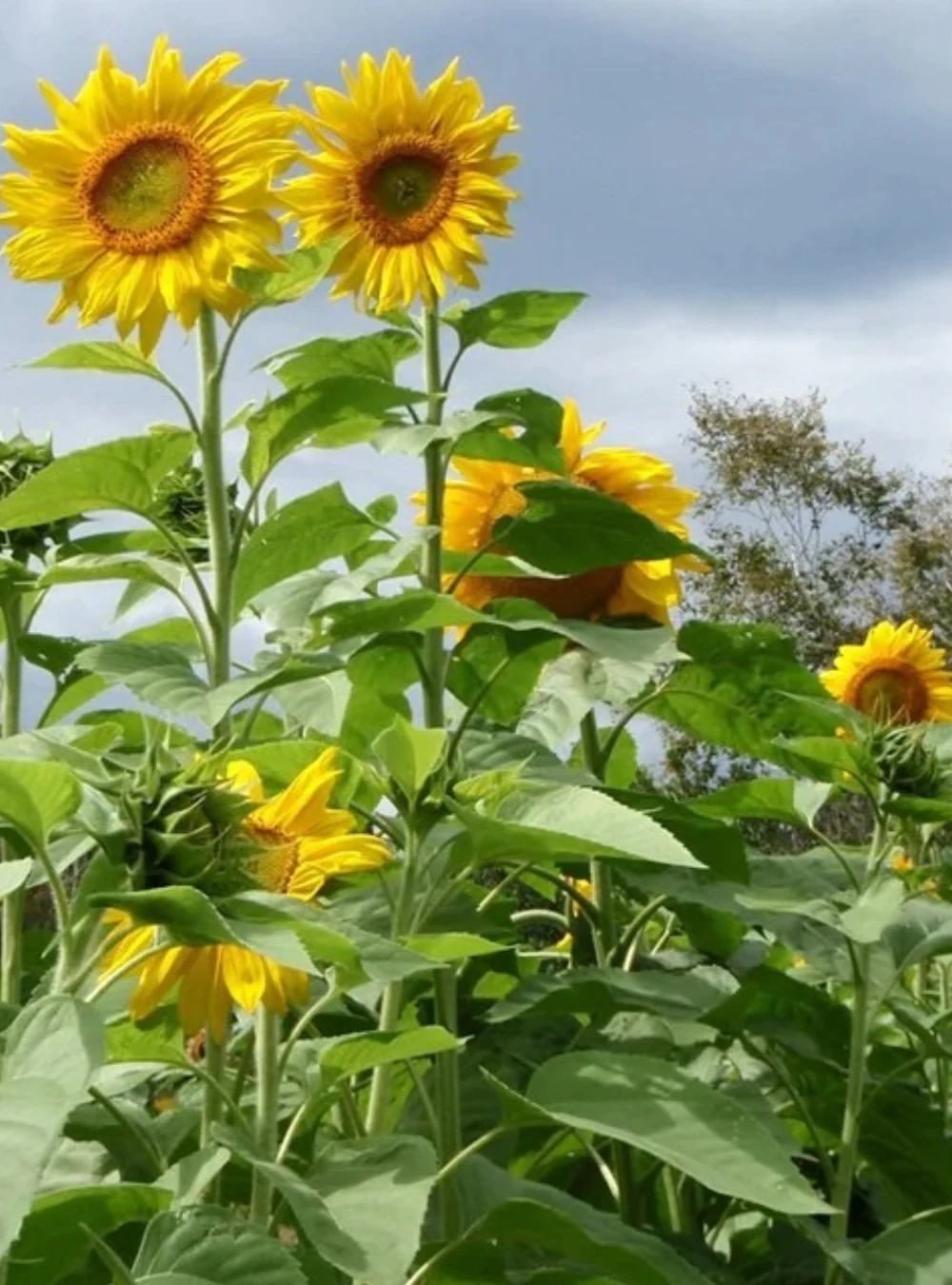
These gorgeous sunflowers. They’re one of the best buddies you can give your watermelons. I learned this trick from an old farmer. Sunflowers act like bee magnets with their huge, pollen-packed faces. All those bees buzzing around will also visit your watermelon flowers, boosting pollination rates like crazy.
The tall sunflowers provide afternoon shade for watermelon vines during scorching summer heat, preventing leaf burn. Their deep taproots bring up nutrients from way down in the soil, enriching the area for your melons. You’ll have beautiful flowers and tasty seeds as bonus harvests.
5. Swiss Chard and Nasturtiums

Brilliant for watermelon companions. That Swiss chard with the bright red stems isn’t just pretty, it’s a strategic choice. Swiss chard grows quickly and doesn’t compete with watermelon roots since it stays shallow. The leafy greens help reflect light up to watermelon leaves, boosting photosynthesis.
Those orange nasturtium flowers scattered throughout, Pure genius. They’ll draw beneficial insects while keeping harmful pests away from your melon patch. The mixed planting also maximizes space efficiently. Harvest fresh chard leaves for salads while your watermelons are still developing. Smart companion gardening at its finest.
6. Terra Cotta

Terracotta pot showcases a beautiful herb collection that would make unmitigated watermelon companions. I spot flowering cilantro or parsley that’s gone to seed, forming delicate white umbrella-shaped blooms. The bushy green herbs at the base appear to be chives or another allium family member.
Aromatic plants are watermelon’s best friends in the garden. They naturally repel cucumber beetles and aphids that love to munch on melon vines. The strong scents help mask the sweet watermelon smell that attracts pests. Smart gardeners always plant herbs near their melon patches.
7. Wild Bee Balm Garden Patch

The wild garden is buzzing with life thanks to those gorgeous purple bee balm flowers scattered throughout. They blend naturally with the tall, wild greenery, nature’s companion planting system at work. Bee balm is pure gold for watermelon growers because it draws in tons of pollinators.
Those bees and butterflies that come for the nectar will also pollinate your watermelon flowers, which means bigger, better melons. The strong minty scent keeps harmful insects away from your precious crop.
8. Towering Dill Flower Umbels

Massive dill plants reaching for the sky. Those umbrella-shaped seed heads are spectacular, like nature’s own fireworks display against that moody gray sky. This is exactly what you want happening in your watermelon patch. When dill bolts and produces these gorgeous flower clusters, it becomes a magnet for beneficial insects.
We’re talking parasitic wasps, hoverflies, and predatory beetles that will patrol your melon vines and gobble up aphids, cucumber beetles, and other troublemakers. Let your dill go wild like this, and your watermelons will thank you with sweeter, bigger fruits.
9. Diverse Companion Plant
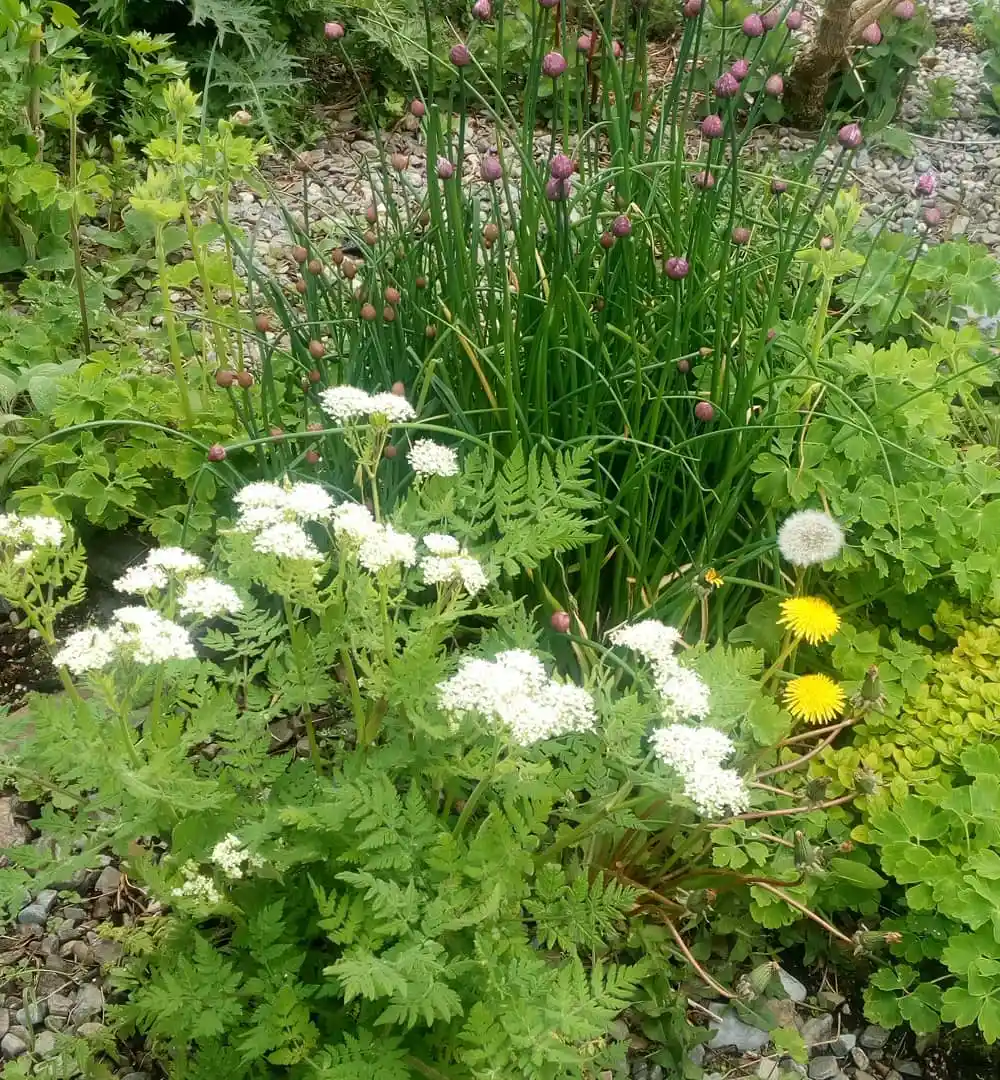
You’ve got chives with those cute purple pompom flowers standing tall in the back; they’ll keep aphids and other nasties away from your melons. The white, lacy flower clusters evoke images of Queen Anne’s lace or wild carrot, known for attracting beneficial predatory insects.
And don’t miss those bright yellow dandelions. Before you pull them, remember they’re amazing early pollinators. A mixed community creates a protective barrier around watermelons while attracting the good bugs that keep your crop healthy and productive.
10. Corn Growing Alongside Watermelon Companions

Healthy corn stalks are thriving in what appears to be a companion planting. The tall, vibrant green corn plants are shooting up beautifully from rich, dark soil. They’re planted in neat rows with plenty of space between them Smart gardening move when you’re growing watermelons nearby.
Corn acts like a natural trellis system and provides some shade for watermelon vines during scorching summer days. The corn’s deep roots also help break up compacted soil, making it easier for watermelon roots to spread out and find nutrients underground.
11. Indoor Dracaena Plant with Blooming Flowers

Dracaena houseplant is flowering, which doesn’t happen very often indoors. Those creamy white, spiky flower clusters are quite a sight against those glossy green leaves. You might wonder what this has to do with watermelons, but hear me out.
Plant stays indoors; dracaenas planted outside can benefit watermelon gardens. They’re great at repelling certain pests that love munching on watermelon vines. Their tall structure provides natural windbreaks for your delicate watermelon seedlings when they’re just getting started in the garden bed.
12. Flourishing Corn Plants

They’re standing tall and proud with those beautiful broad leaves catching sunlight perfectly. You can tell this gardener knows their stuff because corn like this creates an amazing partnership with watermelons. The happens underground and above. Corn’s deep taproots bring up nutrients from way down below, while watermelon roots spread horizontally near the surface.
They’re not competing for the same resources at all! Plus, when watermelon season gets hot, those corn stalks provide just enough afternoon shade to keep the melons from getting sunburned. Smart gardening at its finest.
13. Borage Flowers

These stunning blue borage flowers are absolute gems for any watermelon grower. Those brilliant star-shaped blooms practically glow against the fuzzy, grayish-green leaves. Borage is like having a secret weapon in your watermelon patch; it’s a total bee magnet that brings tons of pollinators right where you need them most.
Without proper pollination, your watermelon flowers won’t develop into actual fruit. The bees go crazy for these beautiful blue petals, then hop right over to pollinate your watermelon blossoms. Borage leaves improve soil quality as they decompose, giving your melons extra nutrients throughout the growing season.
14. Borage Plant with Blue Star Flowers

Watermelon gardener’s best friend. This borage plant is showing off with those gorgeous little blue star-shaped flowers dancing on tall stems. Its robust and healthy appearance shines through, with big, textured leaves spreading out like a green carpet. Borage is so amazing for watermelon growing, is simple. It’s a pollinator party magnet.
Bees love these tiny blue blooms and will visit them all day long. Then they buzz right over to your watermelon flowers, making sure every single female blossom gets pollinated properly. No pollination means no watermelons, so borage is pure garden gold.
15. Borage Plant with Bee Pollination in Action
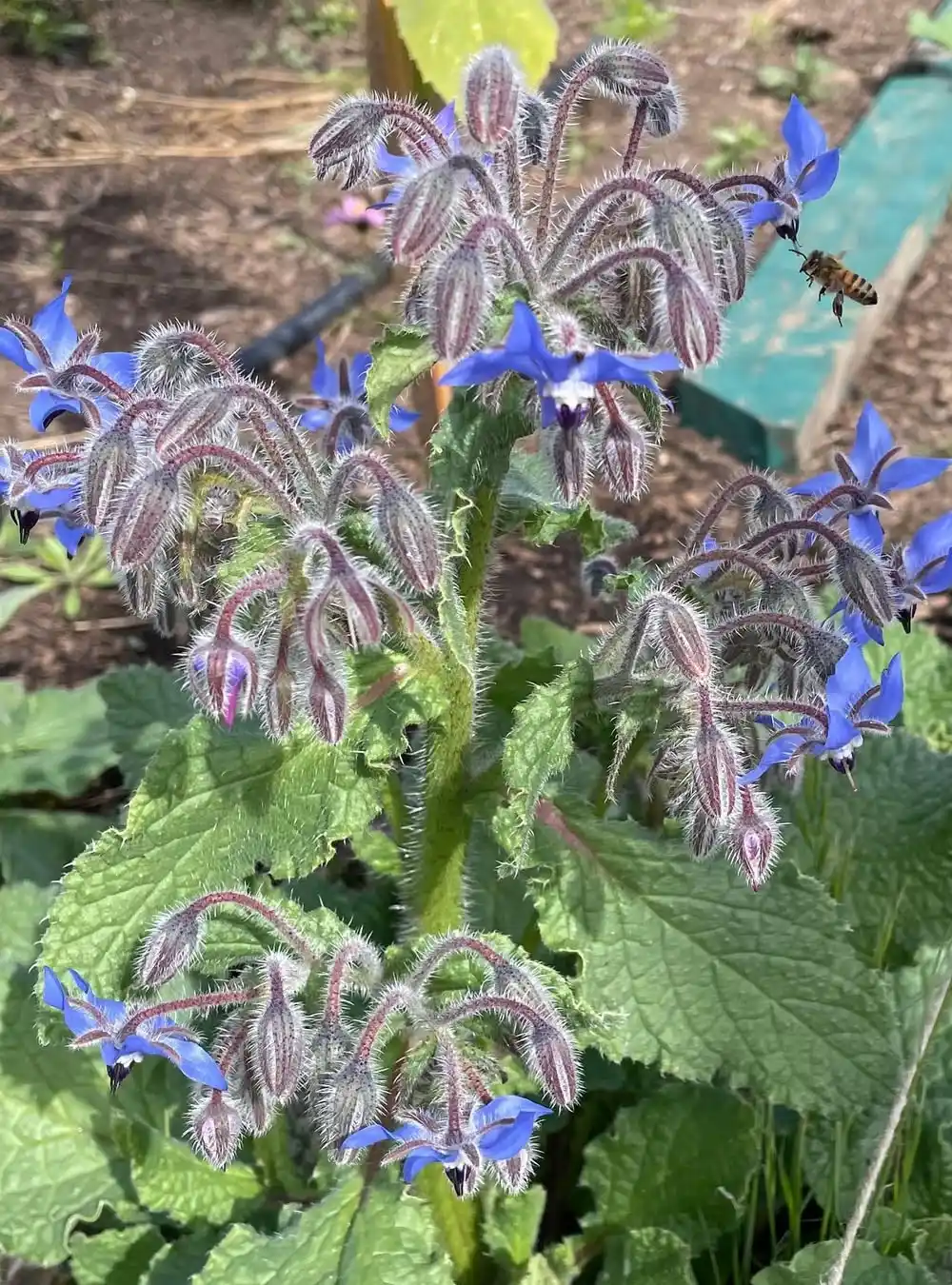
A busy bee working those electric blue borage flowers; this is exactly why smart watermelon growers plant borage nearby. Those fuzzy, curled flower buds and bright blue petals create an irresistible buffet for bees and other pollinators. Once they finish collecting nectar from borage, these same hardworking bees fly straight to your watermelon blossoms to do their pollination.
Without enough bee visits, watermelon flowers just shrivel up instead of becoming juicy melons. Borage acts like a bee highway that leads pollinators directly to where you need them most in your melon patch.
16. Colorful Borage

Incredible display of borage flowers. The vibrant blues and purples are mesmerizing; some petals are deep royal blue while others show off gorgeous pink and purple hues. Those fuzzy, hairy stems and buds give borage such a unique texture that you can’t miss in any garden. For watermelon growers, this is like striking gold.
These showy flowers bloom for months, creating a constant stream of nectar that keeps beneficial insects coming back day after day. The longer blooming period means your watermelon plants get consistent pollination throughout their entire flowering season, leading to way more fruit.
17. Young Bean Plant

Fantastic little bean seedling just getting started. Those bright green, heart-shaped leaves are so crisp and healthy-looking. This tiny plant is going to become one of watermelon’s greatest garden buddies. Beans work underground magic by capturing nitrogen from the air and storing it in little nodules on their roots.
When the bean plant eventually dies back, all that stored nitrogen gets released into the soil, feeding your watermelon plants naturally. It’s having a slow-release fertilizer factory right in your garden bed. Beans grow upward while watermelons spread outward, so they use different growing spaces without competing.
18. Pea Plants

These pea plants are loaded with developing pods. Cute white flowers and plump green pods dangle all over the vines. This is exactly why peas make such excellent watermelon companions. Other legumes, peas, have this amazing ability to grab nitrogen right out of the air and store it in special bumps on their roots.
When pea season ends and these plants decompose, they release all that captured nitrogen directly into the soil, where your watermelon roots can gobble it up. It’s nature’s fertilizer system working flawlessly.
19. Young Cucumber Plants

Developing beautifully in those cheerful red pots. Each plant already has its bamboo support stake ready for the climbing adventure ahead. Cucumbers make terrific watermelon companions because they’re cousins in the same plant family, so they understand each other’s needs faultlessly.
Both love warm weather and rich soil, but here’s the clever part: cucumbers grow vertically while watermelons spread horizontally. Double the harvest from the same garden space. Cucumber vines can provide some welcome shade for watermelon fruits during scorching summer afternoons.
20. Pea Vines Climbing with Pink and Purple Flowers
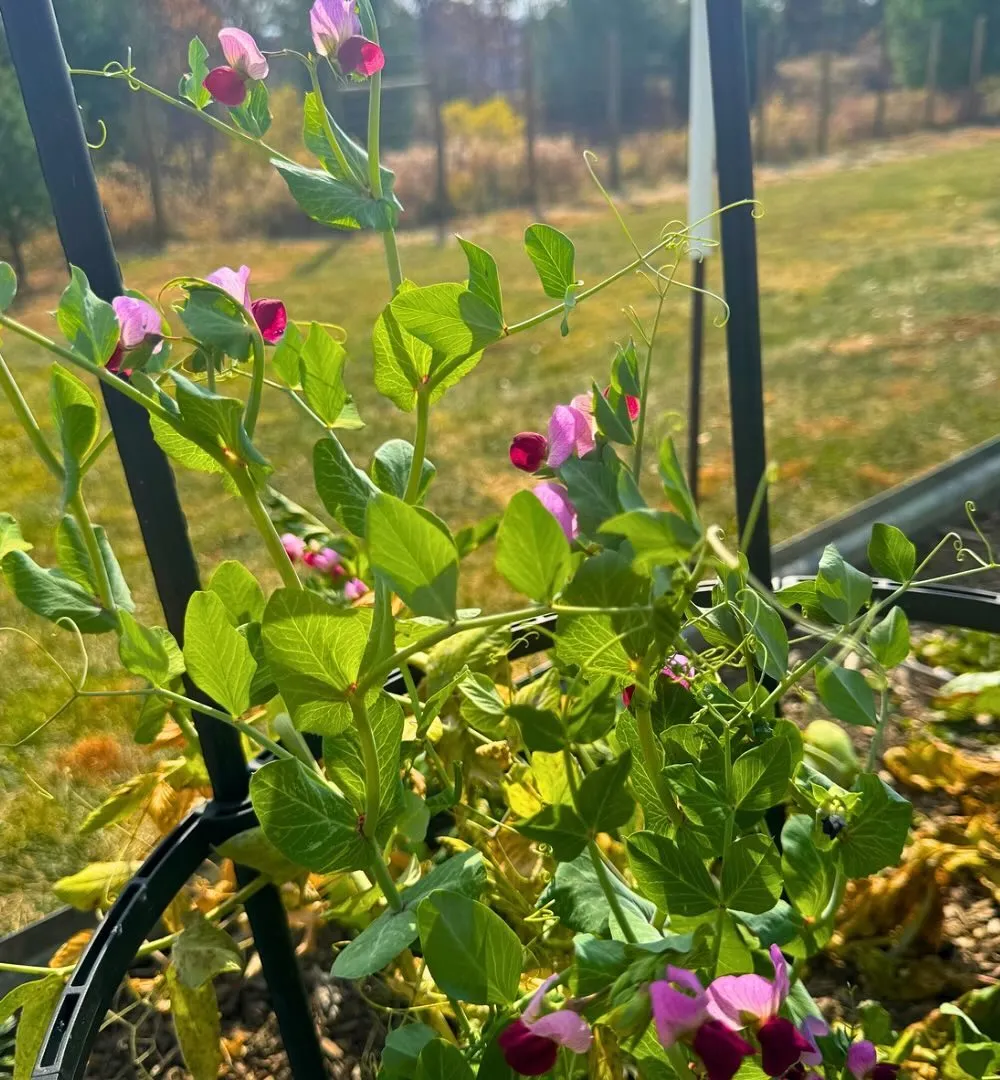
These gorgeous sweet pea vines are thriving on their trellis! Look at those delicate pink and purple butterfly-shaped blooms dancing in the sunlight; they’re not just pretty, they’re workhorses for your watermelon patch. Sweet peas belong to the legume family, which means they’re constantly pulling nitrogen from the air and tucking it away in tiny nodules on their roots. When these vines eventually finish their season, all that stored nitrogen becomes available to feed your hungry watermelon plants. It’s like having a natural fertilizer factory that also happens to smell incredible and attract beneficial pollinators to your garden.
21. Flowering Pea Plant

This pea plant is putting on quite a show with that bright yellow flower and those red buds getting ready to open. The thick, blue-green leaves look so healthy and sturdy. Peas are brilliant companions for watermelons because they’re nitrogen-fixing superstars.
Those roots are busy making tiny partnerships with special bacteria that capture nitrogen from the air and store it in little bumps called nodules. When the pea plant finishes its cycle, all that nitrogen gets released into the soil as natural fertilizer. Your watermelons will feast on those nutrients later in the season, growing bigger and sweeter than ever.
22. Leafy Radish Plants

Lush patch of radish greens. Those broad, textured leaves are spreading out beautifully and look incredibly vibrant. Radishes are fantastic, quick-growing companions for watermelons because they work as natural soil aerators. Their taproots punch through compacted earth, creating little tunnels that help water and air reach deeper into the soil where watermelon roots need it most.
Radishes grow super fast; you can harvest them in just a month, way before your watermelons need that space. They also help break up clay soil naturally, making it easier for watermelon roots to spread out and find nutrients throughout the growing area.
23. Fresh Harvested White Turnips with Greens

A successful turnip harvest. Those beautiful white and green globe-shaped roots all lined up with their fresh, leafy tops still attached. Turnips are phenomenal watermelon companions because they’re like little underground construction workers. Those round roots push down into the soil, naturally loosening and aerating compacted earth.
Creates thorough pathways for watermelon roots to spread out and access nutrients more easily. Turnips also mature quickly, usually ready in about two months, so you can harvest them early in the season and leave behind beautifully prepared soil for your watermelons to thrive in later.
24. Layered Garden Border with Hydrangeas and Ornamental Grasses
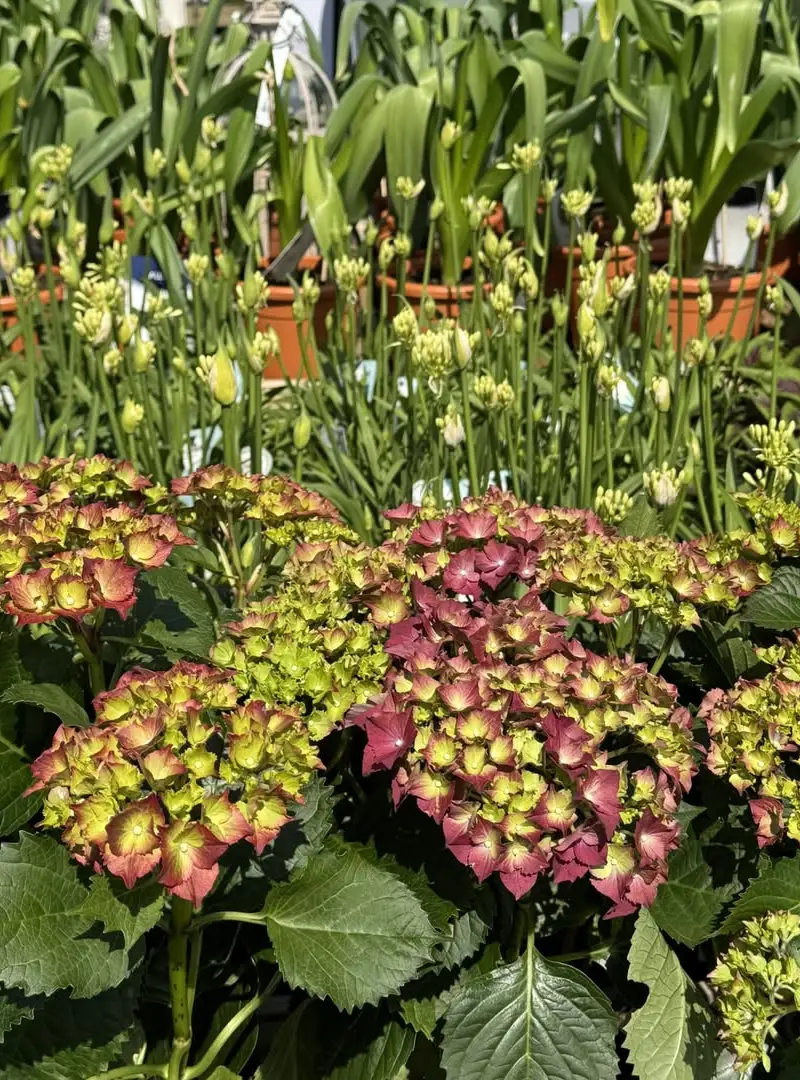
It’s like nature’s own little apartment building. Those gorgeous hydrangeas steal the show in front with their peachy-pink blooms, blushing in the sunshine. Behind them, tall ornamental grasses are swaying like they’re dancing to some secret garden music.
Thing creates this amazing layered effect that makes your eyes happy. This kind of planting is pure genius for watermelon companions. The hydrangeas can provide some afternoon shade for tender melon seedlings, while those grasses help break up harsh winds that might damage your vines.
25. Purple Allium Flowers

These purple alliums are stunning. Little purple fireworks burst across the garden in a dazzling display. Each flower head is packed with tiny star-shaped blooms that create these perfect round pom-poms on tall stems. What’s cool is how they’re buzzing with bees and beneficial insects. For watermelon growers, these beauties are golden companions.
They attract pollinators like crazy, which means more bees visit your watermelon flowers. Alliums naturally repel pests that might munch on your melon plants. Plant them around your watermelon patch. Nature’s teamwork at its finest.
26. Lavender and Green Allium

Combo is seriously clever. Green balls are dancing above the purple lavender. Those alliums are doing their thing alongside lavender in a flawless partnership. The lavender’s got that amazing smell that keeps aphids and other nasty bugs away from your watermelon patch, while those green allium spheres are like nature’s pest control system.
Both plants love hot, sunny spots just like watermelons do. Plant these bad boys at the edges of your melon garden, and you’ll have natural bodyguards working; your garden will smell incredible every time you walk by.
27. Deep Purple Alliums

A watermelon gardener’s secret weapon disguised as gorgeous purple pom-poms. These deep purple alliums are nature’s pest control squad wearing fancy uniforms. Each bloom is densely packed with tiny flowers that create these stunning spherical heads, like someone took a bunch of purple confetti and flawlessly shaped it into balls.
They’re onion family members, so their strong scent confuses and repels cucumber beetles, squash bugs, and other melon munchers. Plant a border of these beauties around your watermelon patch, and you’ll have both protection and serious garden eye-candy working together.
28. Fresh Mint Plant

Your watermelon’s best friend right here, fresh mint growing happily in a galvanized container, beautiful serrated leaves with their rich green color and reddish stems. This isn’t just any herb; it’s like having a bouncer for your melon patch. Mint releases this amazing aroma that sends ants, rodents, and cabbage moths running in the opposite direction.
These containers are strategically placed around your watermelon vines, moving them wherever you need the most protection. When harvest time comes, you’ll have fresh mint for mojitos to celebrate your watermelons. Talk about a win-win situation.
29. Lush Mint Plant in Bright Yellow Pot

So this little green powerhouse is sitting pretty in that sunshine-yellow pot. It’s mint, and it’s about to become your watermelon garden’s superhero. Those textured, crinkled leaves aren’t just beautiful, they’re packed with natural oils that bugs hate. The cool thing about growing mint in containers like this is that you can move your pest protection wherever you need it most.
Got aphids bothering your melon seedlings? Roll this baby right over there. Need to keep rabbits away from ripening fruits. A few of these mint pots are around the perimeter. It’s like having a mobile defense system that smells amazing.
30. Eathery Dill Plant

Gorgeous dill cascading from that bright red hanging basket. Those delicate, feathery fronds look like nature’s own green fireworks spilling over the edges. Watermelon growers will love this brilliant idea: simply hang these beauties right above the melon patch
Dill works by attracting beneficial wasps and ladybugs that hunt down the bad guys trying to munch on your watermelons. The fine, lacy foliage creates this beautiful texture contrast, too. Those tiny yellow flowers bloom later in the season, and they’ll be buzzing with helpful insects. Smart gardening meets serious style.
31. Young Dill Seedlings

These baby dill plants are just getting their groove on, sprouting up through that rich, dark mulch like tiny green fountains. Each little seedling has those characteristic thread-like leaves that are almost green baby hair. Awesome about starting dill from seed right in your watermelon patch is that it establishes this amazing partnership from day one.
As these dill babies grow up, they’ll become insect magnets, the good kind. They pull in parasitic wasps and predatory beetles that keep harmful pests away from your precious watermelon vines naturally.
32. Fresh Lettuce Seedlings

These little lettuce babies are thriving in their nursery pots. Those crisp, bright green leaves are already forming consummate rosettes. Those gently ruffled edges suggest a butterhead or loose-leaf variety. This is a sneaky smart move for watermelon growers.
Lettuce makes an incredible companion plant because it grows fast and low to the ground, creating a living mulch that keeps soil moist and cool around your melon roots. Lettuce is shallow-rooted, so it won’t compete with your watermelons for deep nutrients. You’ll harvest fresh salads while your melons mature.
33. Purple Clematis Vine

A gorgeous sight, this purple clematis is crushing it as it climbs up that brick wall. Those vibrant purple blooms with their delicate petals are like nature’s own artwork scattered across the green foliage. Here’s the genius part for watermelon growers: clematis attracts tons of beneficial insects while staying completely out of your melon’s way since it grows vertically.
Having a pollinator highway right next to your patch. The flowers bring in bees, butterflies, and other helpful bugs that’ll boost your watermelon pollination rates. That vertical growing habit means zero competition for ground space.
34. Vibrant Marigold

Those marigolds are showing off with their incredible pom-pom blooms in bright orange and sunny yellow. You’ve also got some pink flowers mixing in there, creating this fantastic color party. Watermelon enthusiasts, this is pure gold, literally. Marigolds are legendary pest fighters that release compounds from their roots and leaves that send nematodes, aphids, and whiteflies packing.
The strong scent also confuses cucumber beetles that love munching on melon plants. Scatter these colorful containers around your watermelon patch, and you’ll have both stunning beauty and serious pest protection working around the clock.
35. Striped French Marigolds

These French marigolds are absolutely spectacular, Each flower someone took a paintbrush and carefully striped golden yellow with deep burgundy red , they’re like little floral masterpieces. The compact size makes them consummate for tucking between watermelon hills or lining pathways through your melon patch.
These beauties extra special for watermelon growers is their incredible pest-fighting power packed into such small plants. Those gorgeous striped blooms aren’t just pretty faces, they’re working overtime to repel harmful insects while attracting beneficial pollinators. Tiny bodyguards that happen to be drop-dead gorgeous.
