Most gardeners spend countless hours battling pests, dealing with stubborn weeds, and watching their plants struggle against various outdoor challenges. They invest in expensive sprays, complicated fertilizers, and high-tech gadgets, all while overlooking one of the simplest solutions sitting right in their homes.
When experienced gardeners discover the soap bar trick, they often shake their heads in amazement at how something so ordinary can transform their outdoor space. Anyone who tries placing a simple bar of soap in their garden quickly realizes they’ve stumbled upon one of gardening’s best-kept secrets. Here are the 30 surprising reasons you should put a bar of soap in your garden.
30 Surprising Reasons You Should Put A Bar Of Soap In Your Garden

1. Prevents Deer from Nibbling Plants

Deer have a strong dislike for the scent of soap, which makes it an easy way to protect your garden. Hang bars of soap in mesh bags near vulnerable plants, or rub soap directly onto stakes around the garden.
The strong fragrance confuses their sense of smell, keeping them from treating your plants like a buffet. This method works with strongly scented soaps like Irish Spring or other deodorant bars.
Unlike chemical repellents, soap won’t harm plants or wildlife. For best results, refresh the soap every few weeks, especially after heavy rain. If deer are a persistent problem, combine soap with other deterrents like fencing or motion-activated sprinklers.
2. Deters Rodents from Digging Up Bulbs
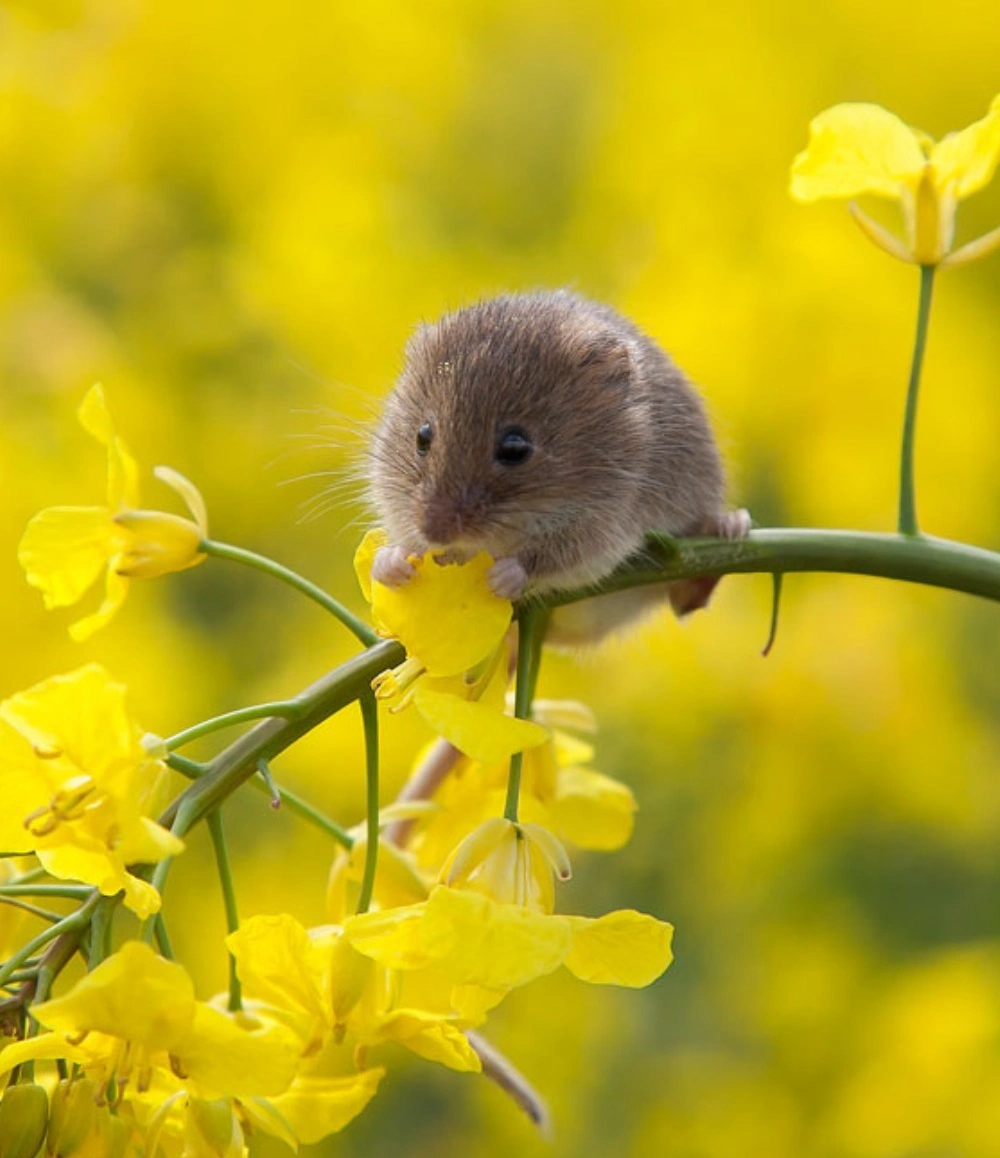
Mice and voles love digging up freshly planted bulbs, but soap can stop them. Place small chunks near tulips, crocuses, or other bulb plants before covering them with soil. The strong smell covers the scent of the bulbs, making them less appealing to rodents.
Some growers also grate soap and sprinkle it around planting areas for extra protection. This trick works better in the fall when rodents are most active. Unlike poisons or traps, soap is safe for pets and won’t disrupt the soil. Reapply after heavy rainfall to maintain effectiveness.
3. Stops Cats from Using Garden as a Litter Box

Cats also avoid areas with strong soap smells. Grate a bar of soap and scatter the shavings around the edges of your plants. The scent is unpleasant to cats but won’t harm them or your soil. Focus on areas where they frequently dig or spray.
For larger spaces, mix soap shavings with coffee grounds for extra deterrence. Apply again every few weeks or after watering to keep the fragrance strong. This process is much safer than chemical repellents and won’t harm beneficial insects.
4. Protects Fruit Trees from Bark-Eating Animals
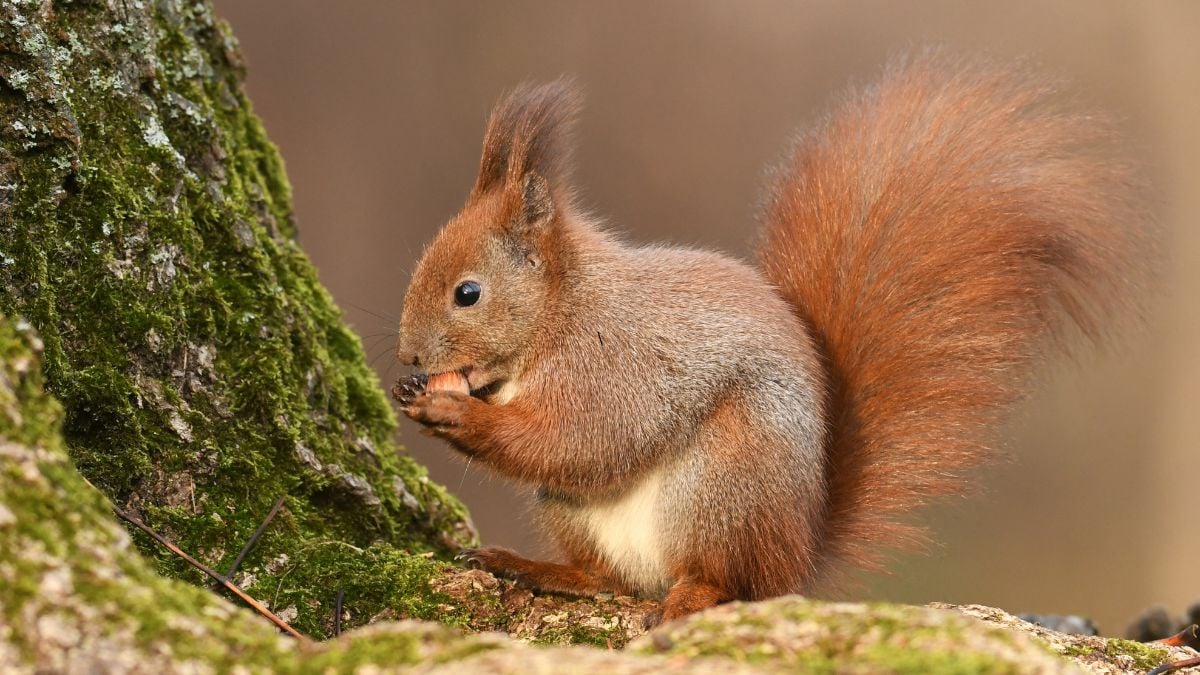
Rabbits, squirrels, and other animals often chew on young tree bark, causing serious damage. Rubbing a bar of soap directly on the trunk creates a bitter, unpleasant taste that puts them off. Use a plain, unscented soap to avoid attracting insects.
Focus on the lower two feet of the trunk, where animals usually gnaw. Apply every few months or after heavy storms. This hack is especially useful in winter when food is scarce. Unlike tree wraps or chemicals, soap won’t suffocate the bark or harm the tree.
5. Keeps Rabbits Away from Tender Seedlings

Young plants are a favorite snack for rabbits. Shave thin slivers of soap and scatter them around seedling borders. The strong smell makes rabbits think twice before munching on your greens. For extra protection, place whole soap bars near vulnerable plants.
Repeat the process after rain to maintain the scent barrier. This method is safer than toxic sprays and won’t harm pollinators. If rabbits are a major issue, combine soap with physical barriers like chicken wire for better results.
6. Discourages Squirrels from Raiding Bird Feeders

Hanging a bar of soap near bird feeders keeps the squirrels away. The strong scent confuses them, making the area less alluring. These clever critters rely on their sense of smell to find food, and soap upsets that. Use an unwrapped bar for the best effect, tying it securely to a branch or feeder pole.
Over time, squirrels will avoid the spot altogether. This trick works better than many commercial repellents. It’s also safe for birds, so they’ll keep visiting without worry. Try a strong-smelling soap like Irish Spring for maximum impact. There is no need for harmful chemicals when just a simple bar does the job.
7. Prevents Moles & Voles from Tunneling

Moles and voles hate the smell of soap. Drop small chunks into their tunnels to drive them away. The scent lingers underground, making the area unpleasant for burrowing pests. Focus on active runs; look for raised ridges in the soil. Soap won’t harm the creatures; it just encourages them to move elsewhere.
This scheme is far better than toxic baits or traps. Use a fragrant bar for stronger results. Gradually, they’ll avoid your garden entirely. Refresh the soap every few weeks to maintain efficacy. It’s a simple, low-cost way to protect your plants.
8. Natural Snake Repellent

Snakes rely heavily on their sense of smell to navigate. Strong soap scents overwhelm their senses, making them avoid the area. Place skinned soap or small bars around garden borders, sheds, or woodpiles. Emphasize spots where snakes might hide or slither through.
The fragrance masks other attractants, like rodents, reducing their interest. This ploy works for non-venomous species. While not foolproof, it’s a safe deterrent for gardens. Use again after heavy rain to keep the scent strong.
9. Stops Birds from Pecking at Fruit

Birds often ruin ripe berries and fruit just before harvest. Hanging soap near bushes confuses them with its strong odor. They’ll peck elsewhere, leaving your crop intact. Tie unwrapped bars to branches or stakes close to the fruit.
The scent doesn’t harm birds; it just makes the area less inviting. Citrus or heavily scented soaps work great. This hack saves fruit without nets or scare tactics. Replace the soap every few weeks for consistent results. It’s an easy fix for a frustrating problem.
10. Deters Groundhogs from Veggie Patches

Groundhogs can destroy a vegetable garden overnight. Placing soap near their burrows or entry points keeps them away. The strong smell makes the area uninviting, so they’ll forage elsewhere. Use chunks or grated soap around fence lines and garden edges.
Target spots where they dig or enter. Refresh after rain to maintain the scent. Unlike traps or poisons, this method is harmless but effective. Little by little, groundhogs will learn to avoid your garden. It’s a simple, natural way to protect your plants.
11. Reduces Fungal Growth on Leaves

A mild soap solution can help prevent fungal infections on plants. Mix a small amount of liquid castile soap with water and lightly spray affected leaves. The soap disrupts fungal spores without harming the plant. This works for mildew, black spot, and rust.
Avoid harsh detergents and stick to natural soaps to prevent leaf burn. Apply in the early morning or evening for best results. Use again after rain to maintain protection.
12. Softens Hard Water for Plants

Hard water contains minerals that can build up in soil over time. Soap residue helps balance these minerals, making water gentler on plants. Mince a small amount of mild soap into your watering can before filling it.
The soap binds to excess calcium and magnesium, reducing their impact. This is especially useful for houseplants and container gardens. Just don’t overdo it, as too much soap can harm roots. A little goes a long way in improving water quality.
13. Helps Clay Soil Drain Better

Clay soil creates drainage nightmares for gardeners, trapping water and suffocating plant roots with its dense, compacted structure. The microscopic particles bind tightly together, forming an almost impermeable barrier that prevents proper air and water circulation.
Adding grated soap to problem areas breaks up these compacted particles through its surfactant properties, which reduce surface tension and create pathways for water movement.
Graft small amounts of unscented soap into the top 6-8 inches of soil before planting. As the soap gradually decomposes, it continues improving soil structure by maintaining these drainage channels, creating a healthier root environment over time.
14. Acts as a Slow-Release Fertilizer
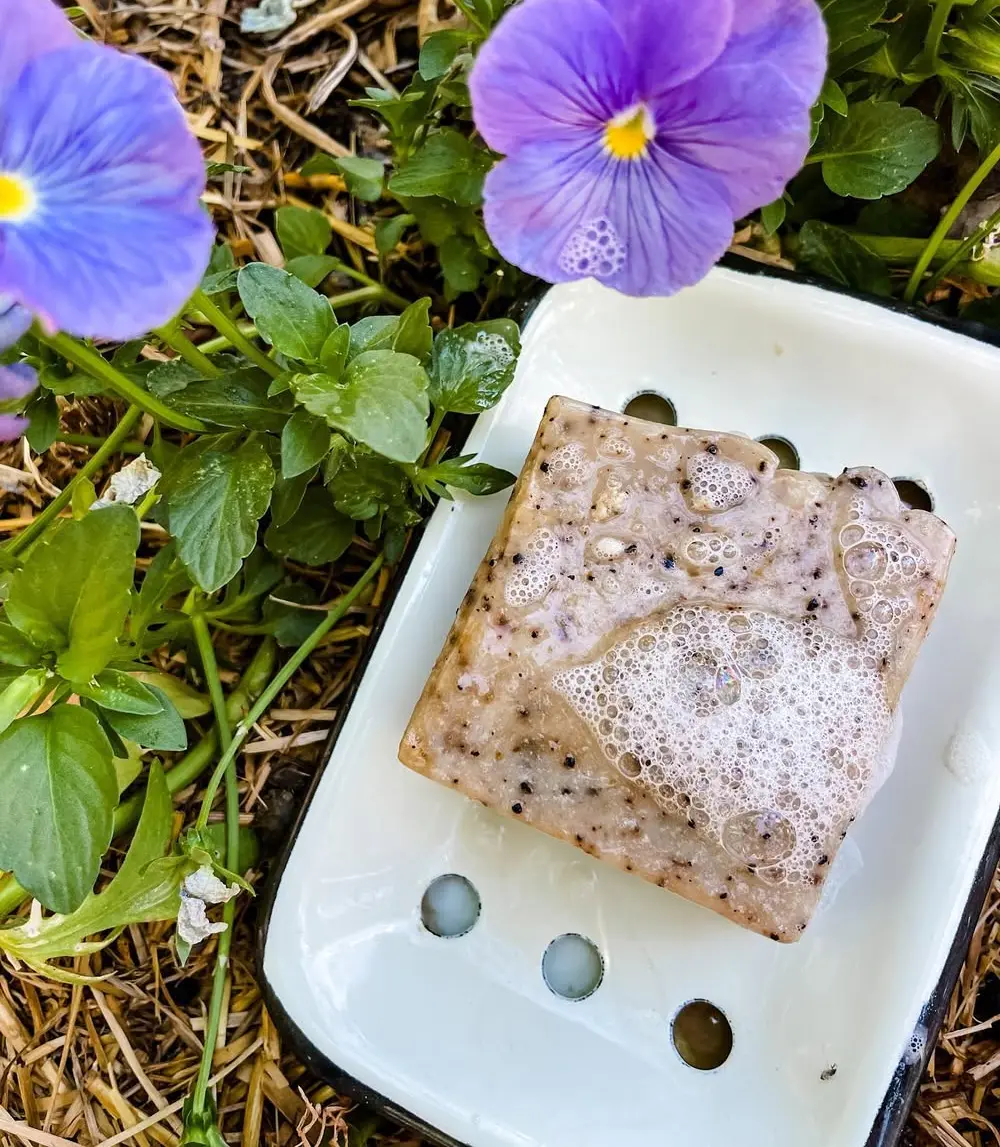
Traditional soaps often contain phosphates and other nutrients that benefit plant growth, particularly phosphorus, essential for root development and flowering. As soap bars slowly break down when exposed to moisture and soil organisms, they release these nutrients gradually over extended periods.
It provides steady plant nutrition without the risk of fertilizer burn. Keep small pieces of older, additive-free soap near heavy-feeding plants like tomatoes and roses, burying those 2-3 inches deep and away from stems.
It offers valuable supplemental nutrition, especially beneficial for long-term plantings and perennial gardens that require consistent feeding throughout the growing season.
15. Neutralizes Dog Urine Spots on Lawn

Dog urine creates unsightly brown patches on lawns due to high nitrogen concentrations and acidic pH levels that burn grass blades and disrupt soil chemistry. These spots appear as circular dead areas, often surrounded by rings of unusually green grass, where diluted urine acts as fertilizer.
Treating spots immediately with soap helps neutralize harmful compounds and restore proper pH balance. Rub a damp soap bar directly over affected areas, working it gently into the soil surface.
The soap’s alkaline properties counteract acidity while breaking down damaging salts. Follow with thorough watering to help the soap penetrate and begin neutralization, preventing further deterioration.
16. Makes Garden Tools Easier to Clean

Garden tools gather stubborn layers of soil, plant sap, and organic debris that harden into difficult residues if not cleaned on time. This buildup reduces tool effectiveness and can harbor plant diseases that spread during subsequent use.
Traditional cleaning often requires harsh scrubbing or chemical solvents that damage tool surfaces. Keeping soap at your gardening station for immediate cleaning while debris remains fresh makes maintenance effortless.
Soap’s surfactant properties break down both water-soluble soil particles and oil-based plant residues, allowing easy removal without aggressive scrubbing. For persistent spots, apply soap directly and let it sit before rinsing. Always dry tools thoroughly afterward to prevent rust formation.
17. Prevents Hand Stains from Weeding

Soil stains pierce deep under fingernails and into hand creases, creating obstinate discoloration that persists despite thorough washing with regular soap. Dark, humus-rich soils and clay particles embed in microscopic skin ridges, making removal incredibly difficult once set.
Creating a protective barrier by dragging fingernails across a dry soap bar before gardening prevents soil particles from making direct skin contact. The soap fills spaces under nails and creates a surface barrier layer that lifts away easily during normal hand washing, taking accumulated dirt with it.
This gentle method works better than expensive commercial hand cleaners and eliminates harsh scrubbing that damages skin.
18. Keeps Gloves Fresh Between Uses

Gardening gloves develop unpleasant odors and moisture buildup after repeated use, creating ultimate conditions for bacteria and fungi growth. The combination of perspiration, soil particles, and organic matter produces smells that make wearing gloves unpleasant.
Frequent washing isn’t always practical, especially for leather gloves that may be damaged by regular washing. Placing wrapped soap bars inside stored gloves naturally absorbs excess moisture while releasing pleasant fragrances that neutralize existing odors and prevent new ones.
Choose appealing scents like lavender or citrus for extra freshness. This routine works for all glove types, significantly extending the time between necessary washings while maintaining shape and preventing stiffness.
19. Removes Sap from Hands After Pruning
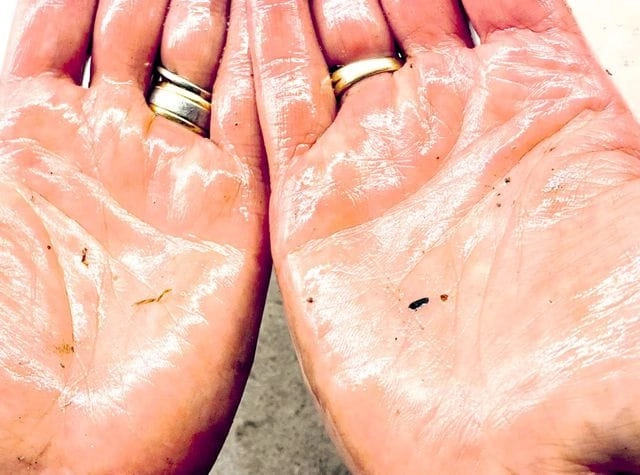
Tree sap and sticky plant substances create some of gardening’s most tenacious stains, particularly when pruning conifers or plants with latex-like saps. These natural adhesives resist water-based cleaning because they contain oils and resins designed to seal wounds and repel insects.
Regular soap proves ineffective as these substances polymerize and harden over time. Using soap bars directly on affected areas before adding water takes advantage of concentrated cleaning agents more effective than diluted liquid versions.
The mechanical rubbing action helps physically dislodge sticky material from skin pores. For persistent cases, let soap remain on skin several minutes before rinsing with warm water for complete removal.
20. Reduces Odor in Compost Piles

Compost piles develop foul smells when nitrogen-rich materials exceed carbon-rich materials, creating anaerobic conditions that favor bacteria producing hydrogen sulfide and ammonia compounds.
While natural, these odors can become problematic with neighbors or make working near compost unpleasant. Incorporating small soap pieces throughout the pile provides immediate odor control while allowing natural decomposition to continue. Soap fragrance masks unpleasant smells while its chemical composition helps neutralize odor-causing compounds.
Elude antibacterial soaps that might harm beneficial microorganisms essential for proper decomposition. The soap breaks down naturally over time without disrupting the composting process.
21. Homemade Seed Tape Adhesive

Creating custom seed tape saves money while guaranteeing proper plant spacing, especially valuable for tiny seeds like carrots and lettuce that are difficult to handle individually. Commercial seed tapes can be expensive and may not offer the desired varieties.
Making your own involves mixing mild liquid soap drops with water to create a sticky solution that holds seeds in place without inhibiting germination. Paint this mixture onto newspaper or toilet paper strips, and then press seeds into desired positions.
Once dry, lay the tape in garden beds and cover with soil. The paper decomposes naturally as plants grow, while the soap provides just enough adhesion for proper seed placement and spacing.
22. Keeps Garden Hose from Kinking

Garden hoses, especially new stiff ones, tend to kink and tangle during storage and use, creating frustrating interruptions to watering tasks. These kinks can restrict water flow and damage hose integrity over time.
Rubbing a dry soap bar along the hose before coiling creates a lubricating residue that reduces friction between loops, preventing kinks from forming. Target those areas that typically bend sharply during storage. The soap gradually wears off but lasts long enough to make significant improvements to hose handling.
This simple trick removes time wasted wrestling with tangled hoses and straightening stubborn kinks, making watering sessions more efficient and enjoyable for gardeners.
23. Marks Rows Without Chemicals
Temporary garden marking often relies on materials that can attract pests or harm plants, such as flour or lime. Soap shavings provide an excellent alternative for marking planting rows, as the white flakes stand out clearly against dark soil while remaining completely plant-safe.
Unlike other marking materials, soap won’t attract insects or rodents seeking food sources. Simply sprinkle grated soap along desired planting lines to create visible guides for straight rows.
When planting is complete, bury the shavings directly into the soil where they’ll decompose naturally. This method works for vegetable gardens and flower beds, disappearing completely after several waterings without leaving any harmful residues.
24. Slows Down Slugs Without Harm
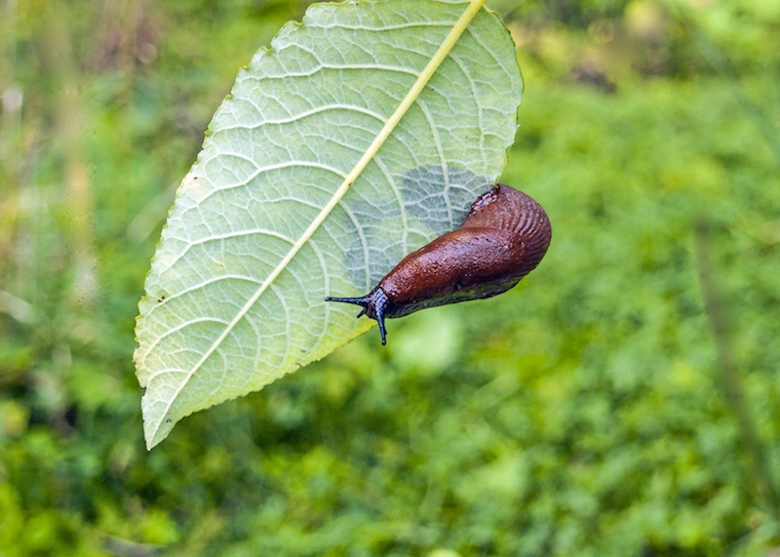
Slugs can devastate tender plants like hostas and lettuce, but harsh control methods often harm beneficial garden creatures. Soap provides a humane preventive that interferes with slugs’ protective slime layer, making movement difficult without causing death.
Create barriers around vulnerable plants using grated soap or soapy water rings applied directly to the soil around plant bases. The soap disrupts their ability to glide smoothly across surfaces, encouraging them to seek easier targets elsewhere.
Unlike salt applications that kill slugs and can damage soil, or toxic pesticides that harm beneficial insects, soap barriers provide effective protection while maintaining garden ecosystem balance. Reapply after heavy rains for continued effectiveness.
25. Protects Beehives from Ants

Ant invasions can seriously disrupt beehive operations, stealing honey and harassing bees, but chemical deterrents risk harming the very pollinators beekeepers want to protect. Drawing soap lines around beehive stands creates an effective physical barrier that ants won’t cross due to the slippery residue.
Use solid soap bars to create thick, continuous lines at all potential entry points around hive bases. This method keeps colonies safe without introducing harmful chemicals that might contaminate honey or affect bee health.
The soap barricade won’t interfere with honey production quality and can be easily removed when no longer needed. Many experienced beekeepers rely on this simple, proven technique for ant control.
26. Non-Toxic Alternative to Pesticides

Chemical pesticides pose risks to beneficial insects, pets, children, and the environment while targeting garden pests. Soap solutions offer safer alternatives that effectively control soft-bodied insects without dangerous residues.
Mix one tablespoon of mild liquid soap per quart of water and spray directly on problem areas, aiming at pest populations while being gentle on valuable insects like ladybugs and bees.
The solution works by coating insect bodies and disrupting their ability to breathe through spiracles. Unlike persistent chemical pesticides, soap breaks down quickly in sunlight, leaving no harmful residues. Put on during early morning or late afternoon for maximum effectiveness while avoiding peak beneficial insect activity periods.
27. Prevents Wasps from Building Nests

Wasps can make outdoor spaces uncomfortable and dangerous, especially for those with allergies, but removing established nests is risky and expensive. Prevention through limitation proves much more effective and safer.
Hanging unwrapped soap bars near porches, eaves, and other favored nesting locations interferes with wasps’ ability to detect suitable building sites.
The strong soap scent disrupts their chemical communication and site selection process. This method works best as prevention rather than removal, so implement it before wasp season begins. Refresh soap bars every few weeks during peak activity periods to maintain effectiveness.
28. Keeps Fire Ants from Mounding

Fire ant colonies create painful stings and unsightly mounds that can quickly spread across properties. Chemical treatments often harm surrounding plants and favorable soil organisms. Soapy water provides an effective, environmentally friendly alternative that eliminates colonies without toxic residues.
Mix half a cup of liquid soap per gallon of water and pour directly into mounds during early morning or evening when ants are most active. The solution suffocates ants while collapsing tunnel systems through surface tension changes.
The soap breaks down fire ants’ waxy protective coatings, making the treatment more effective than plain water. This approach removes colonies completely while protecting surrounding vegetation and soil health.
29. Stops Aphids from Clustering

Aphid infestations can quickly harm tender plant growth, sucking sap and transmitting plant diseases while reproducing rapidly in favorable conditions. These soft-bodied insects cluster on new growth and leaf undersides, making detection and treatment challenging. Light soap sprays provide effective control by coating aphid bodies and blocking their breathing pores, called spiracles.
Mix two teaspoons of mild soap per pint of water and spray affected areas thoroughly, especially leaf undersides where aphids often hide. The treatment works within hours of application but won’t damage plants when used properly.
Rinse treated plants with clean water after several hours to prevent potential leaf irritation, and repeat applications every few days until infestations clear completely.
30. Reduces Mosquito Breeding in Stagnant Water

Mosquitoes require still water for egg laying and larval development, making garden water features, plant saucers, and birdbaths potential breeding sites. Traditional control methods like oil applications can harm birds and other useful wildlife that use these water sources.
Adding small amounts of soap changes water surface tension, creating conditions that prevent mosquito larvae from developing properly. Just a few drops in birdbaths, unused plant containers, or other standing water make these areas inhospitable to mosquito reproduction.
The soap breaks the surface film that larvae need for breathing while remaining safe for birds and other wildlife. This method works instantly and lasts until water is replaced, providing ongoing mosquito control.
–