
Those mysterious dirt mounds in your yard aren’t just ugly; they’re signs of destructive gophers tunneling beneath your feet. This frustrating problem is one that many homeowners face. Gophers can destroy years of careful landscaping in a matter of days. They feast on plant roots, create unsightly mounds, and leave dangerous tripping hazards across your lawn.
But you don’t have to surrender your garden to these pests. This guide will walk you through a clear, actionable plan for gopher prevention and removal. How to accurately identify gopher activity, implement effective barriers for yard protection, and apply humane removal strategies. We’ll focus on proven methods that protect your plants and your family.
By the end, you’ll be equipped with the knowledge to reclaim your outdoor space from these underground invaders and prevent future garden damage for good.
How to Prevent and Remove Gophers from Yards and Gardens
1. Gopher Behavior and Characteristics
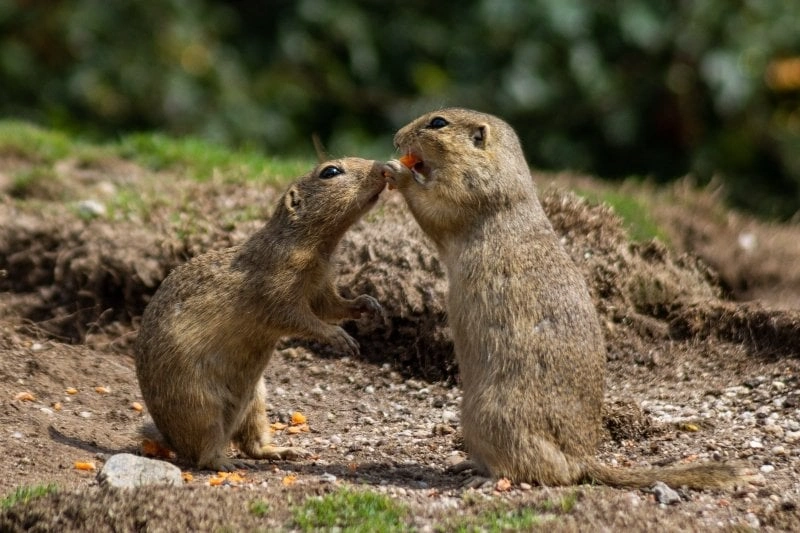
Gophers are solitary, territorial rodents that live almost entirely underground. They build extensive tunnel systems, with a single gopher capable of creating hundreds of feet of tunnels annually. These tunnels serve as homes, feeding grounds, and storage areas.
Herbivores primarily feed on plant roots, bulbs, and vegetables, which they pull down into their burrows. They are most active in spring and fall when soil moisture is ideal for digging.
How to Identify Gopher Activity
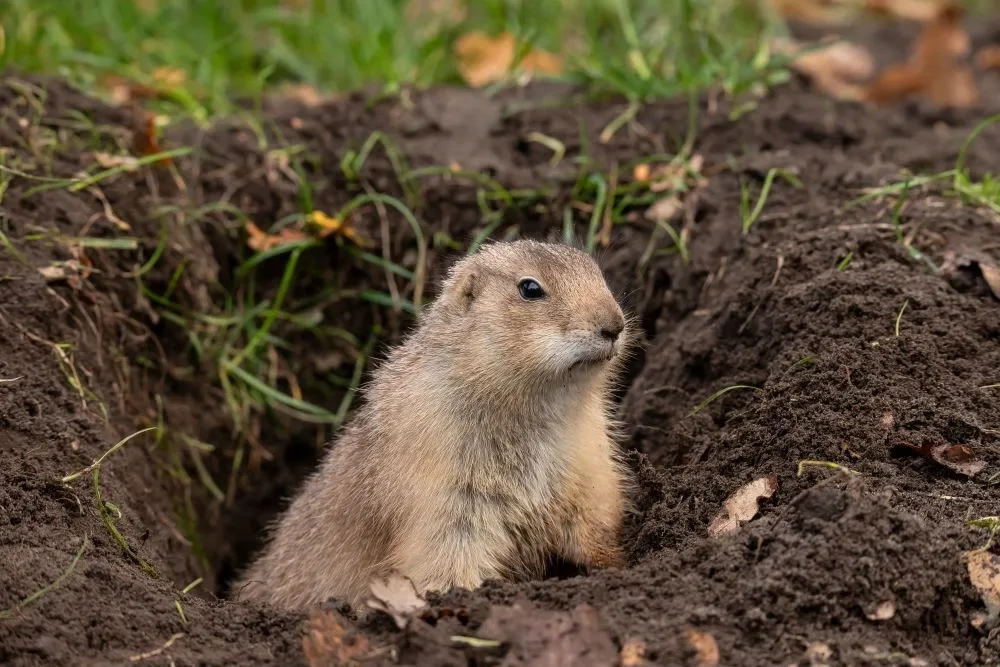
Look for crescent-shaped mounds of soil in your yard, which indicate plugged tunnel entrances. Other signs include sudden plant wilting, exposed roots, and clipped vegetation near ground level.
Gophers also gnaw on irrigation lines and electrical cables, causing further damage. Unlike moles, which create volcano-shaped mounds and surface ridges, gopher mounds are fan-shaped and lack visible surface tunnels.
Gophers vs. Moles vs. Voles
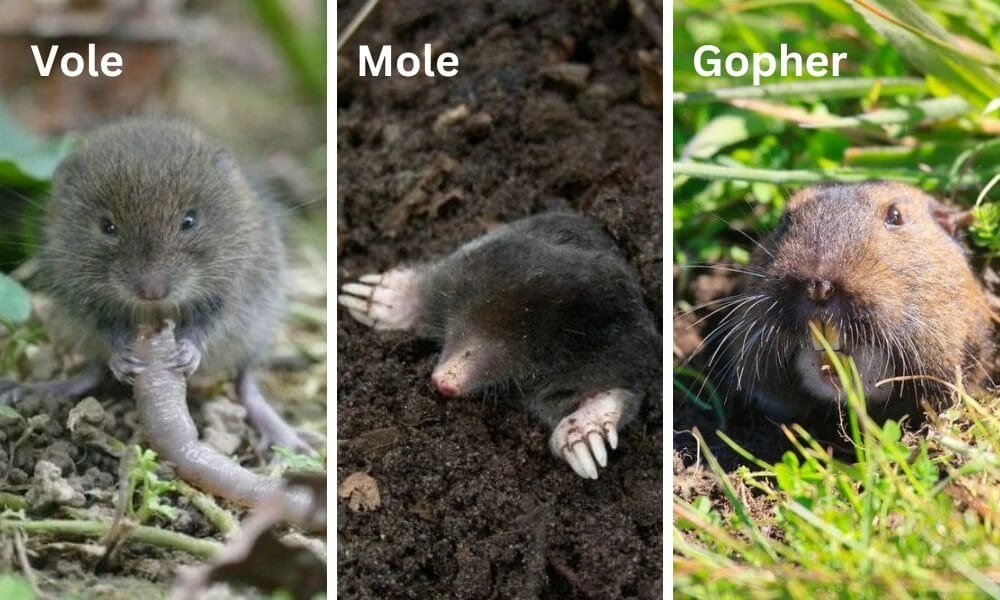
- Gophers: Crescent-shaped mounds, herbivores, damage roots and infrastructure.
- Moles: Volcano-shaped mounds, insectivores, create raised surface ridges.
- Voles: Small surface runways, herbivores, gnaw on tree bark, and eat plants.
The Real Cost of Gopher Damage

Gophers cause significant economic and aesthetic damage. They destroy lawns, gardens, and crops, leading to costly repairs. Their tunneling can undermine patios, walkways, and irrigation systems, creating safety hazards.
Repairing gopher damage often costs between $100 and $600 for yard restoration, plus additional expenses for plant replacement. Ignoring the problem can result in infestations that require professional extermination, ranging from $150 to $1,000.
Quick Tip: To confirm gopher activity, dig open a tunnel. If it’s replugged within a day, gophers are present.
2. Prevention Methods
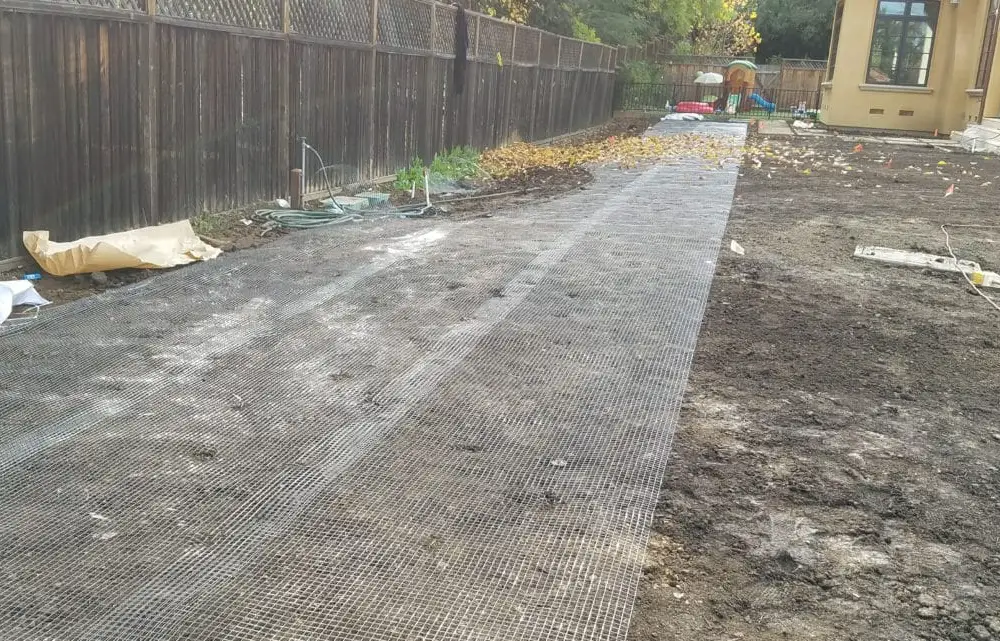
The best way to deal with gophers is to stop them before they start. A little effort now can save you a huge headache later. Think of gopher-proof garden strategies as building a fortress around your plants. It’s about using the right barriers and smart landscaping to make your yard unappealing to these underground invaders. Let’s break down the most effective tactics.
Install Physical Barriers

This is your first and strongest line of defense. Gopher wire mesh, made of galvanized metal, is essential for protecting prized plants and entire garden beds. When installing it, remember this key rule: Galvanized gopher mesh should extend 2 feet underground and 6 inches above ground.
Prevents gophers from burrowing underneath or climbing over the top. Use it to create baskets for individual trees or shrubs, or line the entire perimeter of a raised bed before adding soil. It’s like a security fence for your garden’s roots.
Choose Gopher-Resistant Plants
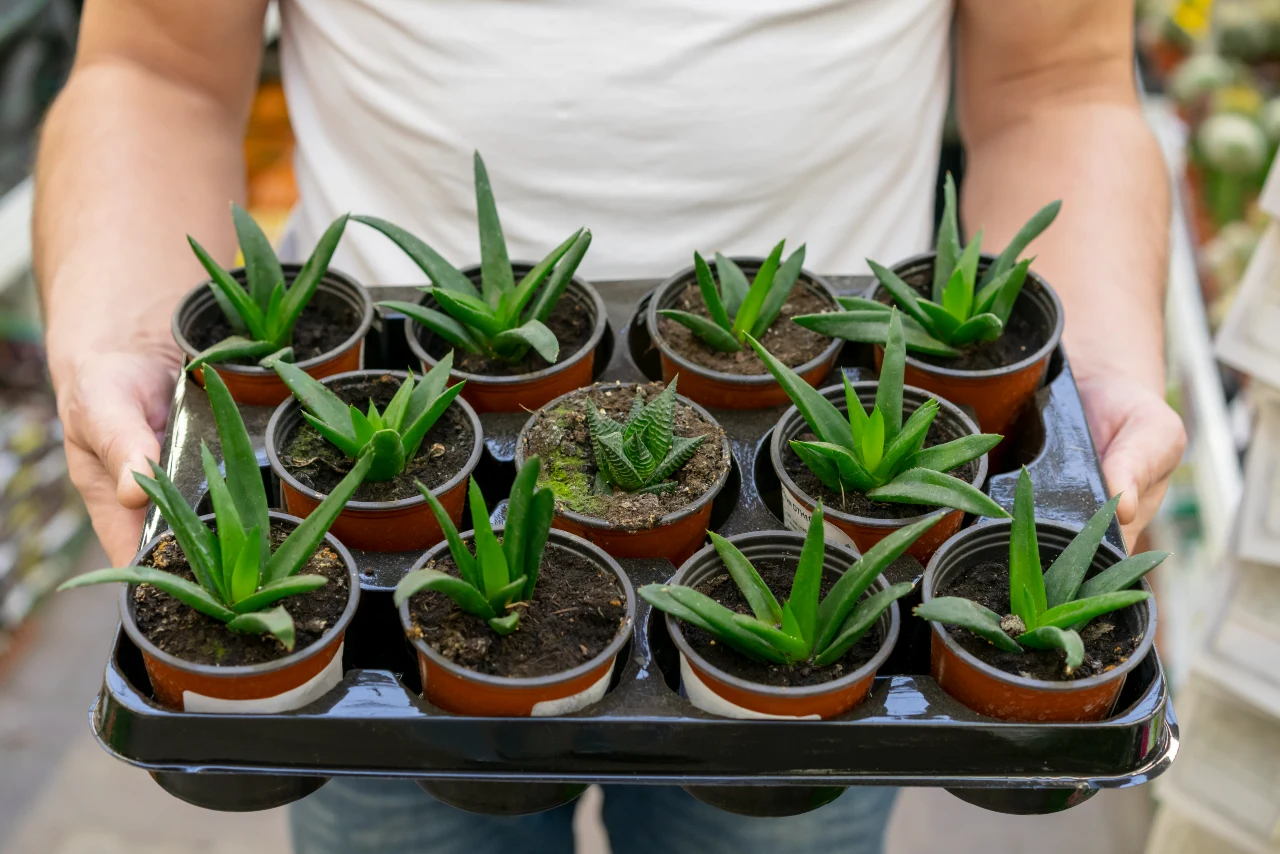
The plant is completely gopher-proof; some are far less palatable to them. Strategically planting these can help deter them from settling in. Great choices include:
- Daffodils and alliums: Their bulbs are toxic and naturally repulsive to gophers.
- Lavender, rosemary, and salvia: Their strong scents mask the smell of more appealing plants.
- California poppy and catmint: These are not preferred food sources.
Interplant these with your more vulnerable plants to create a less tasty landscape.
Maintain Your Garden Wisely

A well-kept yard is less inviting to gophers. Remove weeds and piles of debris that provide cover. Regularly till the soil in your garden beds, as this disturbs existing tunnels and makes the area feel unsafe.
Keep your lawn moderately watered; gophers prefer to dig in moist, easy-to-work soil. However, avoid overwatering, as this can soften the soil too much and attract them.
Improve Soil and Drainage


Gophers are attracted to easy digging. Improving your soil drainage not only helps your plants but can also discourage gophers. Amend heavy, clay-rich soils with compost to improve texture.
Ensure water drains away from foundations and garden areas to prevent the soft, wet conditions gophers love. A yard with good drainage and firmer soil is simply harder work for a gopher looking for a new home.
3. Humane Removal Techniques

If gophers are already in your yard, you don’t have to resort to lethal measures. Effective humane gopher control focuses on making your property uncomfortable for them and encouraging them to leave on their own.
These methods are safe for pets, children, and the wider ecosystem. Here’s how to convince gophers to pack their bags.
Use Castor Oil-Based Repellents
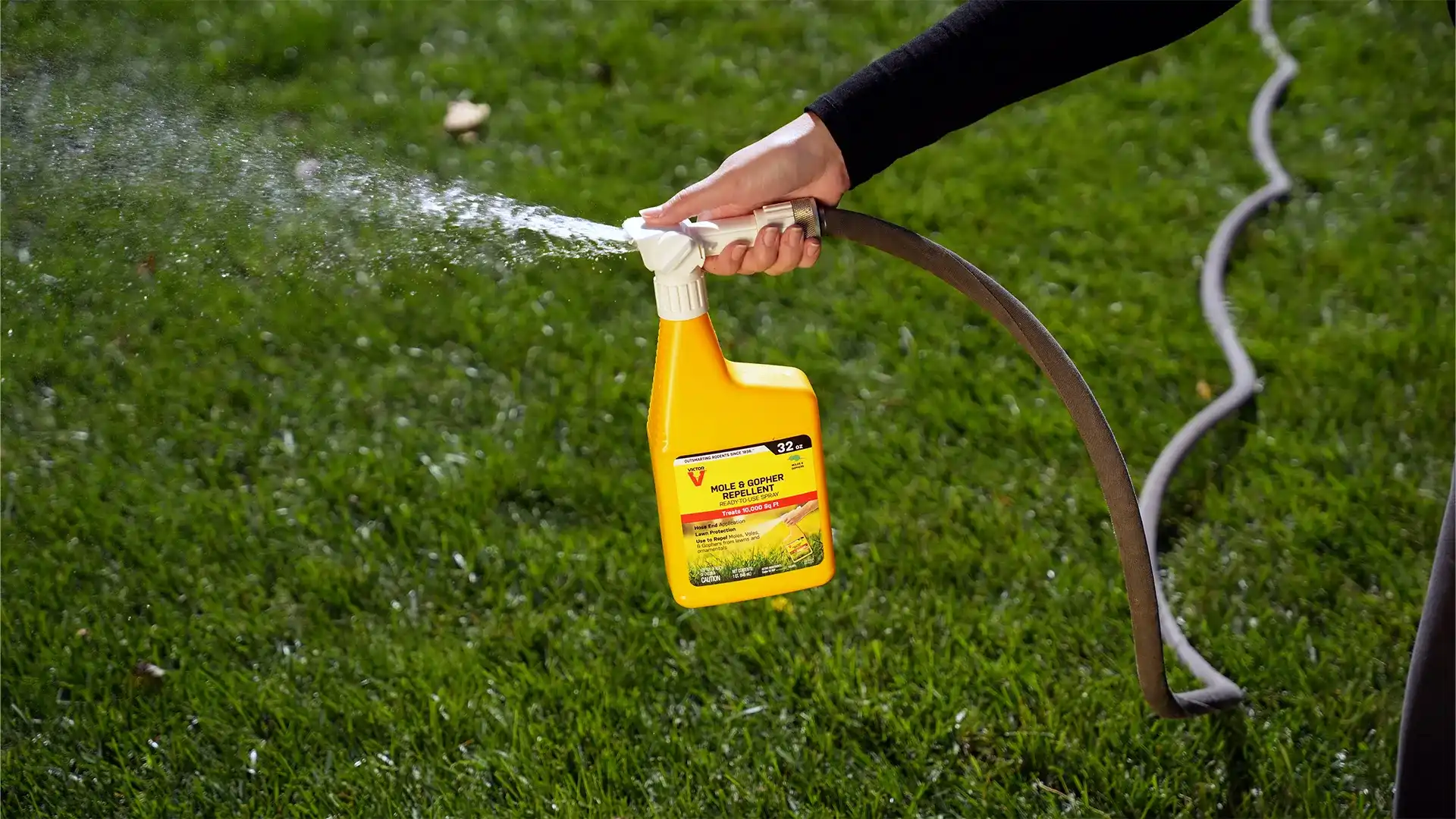
Castor oil is a proven, natural repellent. It doesn’t poison gophers. Instead, it makes their food source taste bad and irritates their digestive systems, encouraging them to move elsewhere.
For the best results, use a commercial castor oil-based product and apply it after a rain or watering, as the moist soil helps the solution disperse through the tunnels.
You can also make a homemade mix with three parts castor oil to one part dish soap (to emulsify), mixed with water. Consistency is key; reapply every 30 days and after any significant rainfall.
Introduce Natural Predators
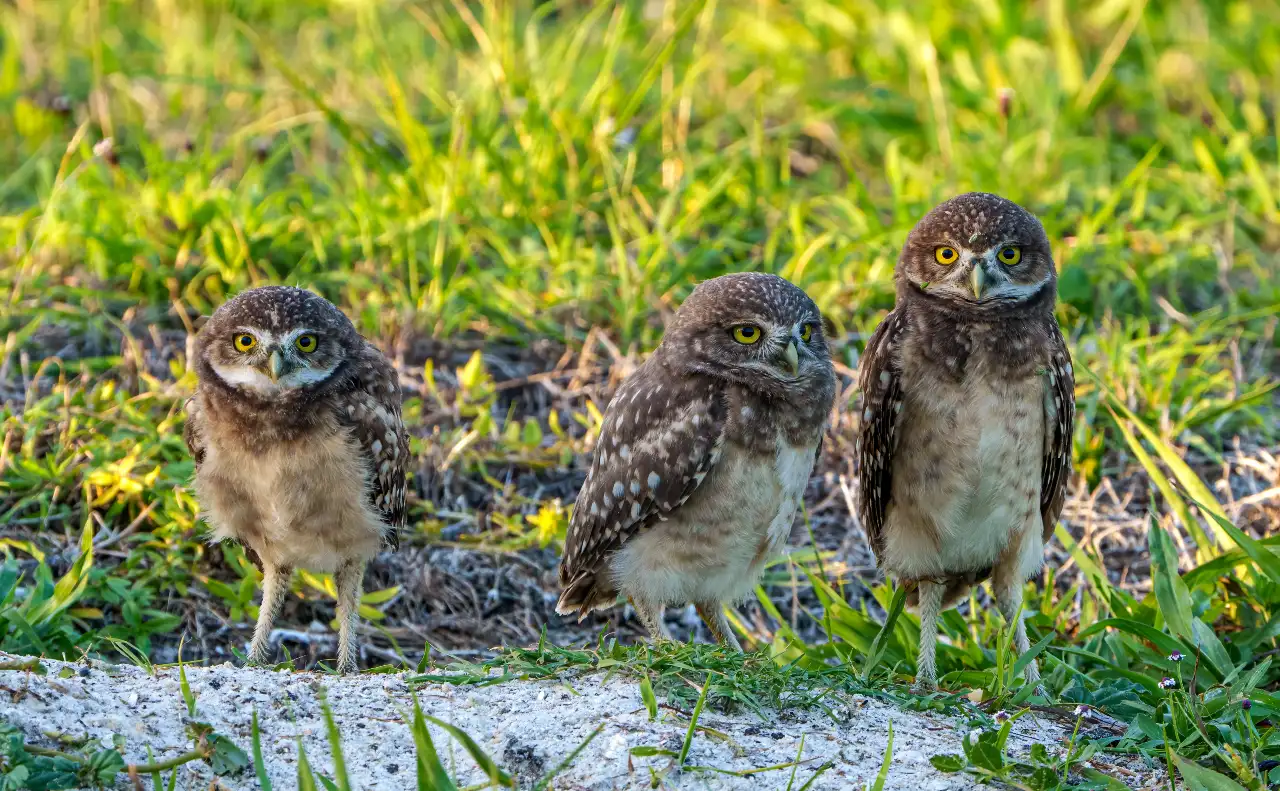
One of the most effective long-term strategies is to enlist nature’s help. A family of barn owls can eat up to 1,000 gophers yearly. Installing an owl box on your property provides a home for these incredible hunters.
Place the box on a pole 10-15 feet high, facing away from the prevailing wind. Similarly, don’t fear garter snakes; they are excellent at hunting in burrows. Create snake-friendly habitats with rock piles or slightly overgrown, undisturbed areas where they can thrive.
Practice Live Trapping and Relocation

Live trapping is a hands-on but highly effective method. Use a trap designed specifically for pocket gophers that captures them alive. To do it right, you must locate the main tunnel using a probe, carefully dig down to it, and set the trap. Check the trap frequently at least twice a day.
Once caught, relocate the gopher at least a mile away in a rural, uninhabited area where it can find new territory without becoming someone else’s problem. Always check local regulations regarding the relocation of wildlife.
Try Plant-Based Repellents and Other Deterrents

Beyond castor oil, other strong scents can deter gophers. Planting gopher purge (Euphorbia lathyrus) around garden borders is an old-fashioned trick, as its milky sap is irritating.
Some gardeners report success with placing fish heads, garlic, or coffee grounds in the tunnels, though these methods are less reliable. The goal is to create a sensory assault that makes your yard a less pleasant place to live.
4. Effective Trapping Methods

When prevention and repellents aren’t enough, targeted trapping is the most reliable way to remove a gopher. Mastering a few key gopher trap techniques will greatly increase your success rate. Your goal is to intercept the gopher on its main highway.
Choose the Right Trap

For beginners, box traps are often easiest to set. Their enclosed design protects the trigger from dirt and debris. Wire snap traps are also highly effective but require more precise trap placement. Have two traps ready for each active tunnel system.
Find the Main Tunnel and Set the Trap

Locate the freshest, plugged mound. Use a probe or screwdriver to find the tunnel 6-12 inches behind the plug. Once you break through, you’ll feel a sudden drop. Clear the opening with a trowel.
Place traps in main tunnels 6-8 inches from the opening, facing opposite directions to catch a gopher coming from either way. Secure each trap to a stake with wire so a caught gopher doesn’t drag it away.
Baiting is Optional
Other traps, gopher traps are triggered by movement, not bait. The gopher itself is the bait. However, many experts recommend baiting the trap with a piece of carrot or apple to encourage the animal to investigate. You can also place a few drops of carrot oil on the trigger plate to attract them.
Prioritize Safety

Always mark trap locations with a bright flag. This keeps children and pets safe and helps you find them again. Check traps every 6-12 hours. This is humane and prevents a caught animal from suffering long.
5. Debunking Gopher Control Myths
Before you waste time and money, know which methods are doomed to fail. Many popular gopher myths and forms of ineffective gopher control simply don’t deliver on their promises. Understanding why they don’t work will save you immense frustration.
Ineffective Methods

Ultrasonic spike devices that claim to emit vibrations have been repeatedly proven ineffective in university studies. Gophers quickly become accustomed to the noise. Flooding tunnels with a garden hose is also a futile effort. A gopher’s tunnel system is vast and designed to handle moisture.
Flooding tunnels may soften soil, making digging easier for gophers, and you’ll waste thousands of gallons of water. Chewing gum and poison grain myths also fall into this category; gophers do not eat these substances.
Dangerous Techniques

Some internet solutions are not just ineffective, they’re reckless. Using propane and oxygen to create underground explosions is extremely dangerous. This poses a severe fire and explosion risk to you and your property. It is not a safe or reliable control method.
The Problem with Poison Baits

Sometimes, effective, poison baits come with significant downsides. They pose a serious risk to pets, children, and non-target wildlife like hawks, owls, and foxes that might eat a poisoned gopher. They can also leave a dead gopher deep in its tunnel, creating a foul odor that is difficult to locate and remove.
Temporary Fixes That Fail

Smoke bombs and exhaust fumes rarely reach the deepest parts of a complex burrow system. The gopher simply blocks off the treated tunnel and digs a new one. These are temporary fixes that don’t address the root of the problem.
