
Retirement can quietly remove more movement from the day than many people realize. The commute disappears, workday steps vanish, and a chair can replace routines that once kept the body moving.
That matters because one of the strongest longevity signals in aging research is simple: regular walking, especially at a purposeful pace. Recent studies link even modest amounts of brisk movement with a lower risk of early death.
The headline needs one guardrail, though. Science supports a meaningful longevity benefit from staying active, but it cannot promise that a daily walk will add exactly seven years to one retiree’s life.
Why the Seven Year Claim Needs One Important Correction

There is strong evidence connecting physical activity with longer life. What the research does not provide is a formula saying that a 70 year old who starts walking today automatically receives seven extra birthdays.
One frequently cited U.S. analysis used Health and Retirement Study data from adults age 50 and older. Researchers found that people with a favorable behavioral profile could have life expectancy at age 50 up to seven years longer than the general population.
But that profile involved several factors, including never smoking, not having obesity, and moderate alcohol consumption. It was not a study showing that walking by itself produced seven additional years.
Harvard Health summarized separate research suggesting that leisure time activity could be associated with up to about four additional years compared with inactivity.
The difference exceeded seven years when physical activity was combined with healthy body weight, again showing why a seven year figure cannot fairly be assigned to walking alone.
An older study involving nonsmoking retired men found another striking difference.
Men who walked less than one mile daily had a much higher mortality rate than those walking more than two miles, and the cumulative level of deaths seen after 12 years among the more active men was reached in less than seven years among the least active men.
That is dramatic, but it is still not the same as proving that walking added five, seven, or any exact number of years. The better conclusion is that regular movement is consistently associated with a substantially better survival pattern.
Here is the distinction that prevents an encouraging headline from becoming a false promise.
| Research finding | What it means | What it does not mean |
|---|---|---|
| Favorable lifestyle linked with up to 7 more years | Several healthy behaviors together were associated with longer life expectancy. | Walking alone adds 7 years |
| Active people may gain several years | Physical activity is strongly associated with longevity. | Every active person gains the same number |
| Retired men walking more had lower mortality | Walking distance was associated with better survival. | Walking was proven to be the sole cause |
| 15 minutes of fast walking linked with lower mortality | Even modest purposeful walking may matter. | 15 minutes guarantees protection |
The practical message is actually stronger when the exaggeration is removed. Retirees do not need to chase a magical life expectancy number to have a good reason to get moving.
The Simple Habit Is Walking, but the Pace Can Matter
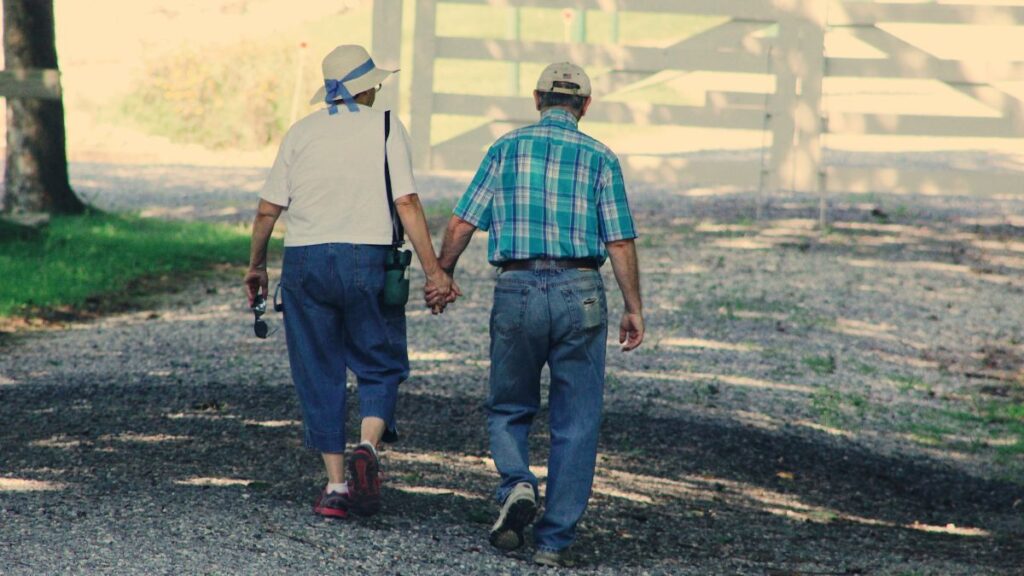
Walking stands out because it requires no special facility and can fit naturally into retirement. It can be done around a neighborhood, inside a shopping center, on a treadmill, through a park, or during ordinary errands.
A large 2025 study gives the habit an especially interesting twist. Researchers followed participants from the Southern Community Cohort Study and found a much stronger association with mortality for faster walking than for large amounts of slow walking.
The final analysis included 79,856 adults. During a median follow up of 16.7 years, researchers recorded 26,862 deaths, giving them enough data to compare walking patterns with long term mortality.
Fast walking for as little as 15 minutes a day was associated with roughly a 19% lower mortality rate compared with reporting no fast walking. More than three hours of slow walking daily was associated with only about a 4% reduction in the study’s analysis.
That does not mean slow walking is useless. It suggests that adding some purposeful movement may provide benefits that casual movement alone does not capture.
The main findings are easier to see side by side.
| Walking pattern | Main finding | Retirement implication |
|---|---|---|
| No fast walking | Reference group in the 2025 study | Adding purposeful walking may offer room for improvement |
| About 15 minutes of fast walking daily | Roughly 19% lower mortality hazard | A short brisk period may be meaningful |
| More than 3 hours of slow walking daily | About 4% lower mortality hazard | Duration alone may not tell the whole story |
| More steps overall | Consistently associated with lower mortality | Everyday movement still matters |
These figures describe associations across large groups rather than predictions for one person. The researchers adjusted for many competing factors, but an observational study still cannot prove that walking caused every difference in survival.
Retirees Do Not Need 10,000 Steps to Benefit

The 10,000 step target is so familiar that many people assume anything below it barely counts. Research involving older adults tells a much more encouraging story.
A Lancet Public Health meta analysis combined 15 cohorts and 47,471 adults. Among people age 60 and older, mortality risk fell as daily steps increased, with the curve leveling substantially around 6,000 to 8,000 steps per day.
An even newer 2026 systematic review focused specifically on community dwelling adults age 65 and older. It included 46 studies with 367,843 participants across numerous health outcomes, while the pooled step count mortality analysis found about a 13% lower mortality hazard for each additional 1,000 daily steps around the studied range.
That does not turn 6,000 into another magical target. Someone currently averaging 2,500 steps may gain more practical value from moving toward 3,500 or 4,000 than from deciding that 10,000 is impossible and doing nothing.
A retiree can therefore think in ranges rather than perfection.
| Current pattern | Practical next target | Why it may help |
|---|---|---|
| Very little regular walking | Add 5 to 10 minutes most days | Small increases are still meaningful |
| About 2,500 to 4,000 steps | Add roughly 500 to 1,000 gradually | Benefits appear well below 10,000 |
| Around 4,000 to 6,000 steps | Continue building when comfortable | Older adult mortality studies show benefits across this range |
| Around 6,000 to 8,000 steps | Maintain consistency rather than chasing a round number | Research in adults 60 plus showed substantial leveling around this range. |
| Already highly active | Keep walking and include strength and balance | Walking is only one part of healthy aging |
The useful target is one that increases movement without becoming so ambitious that it is abandoned. Consistency across months and years matters more than winning a step count contest on Tuesday.
Five Extra Minutes Can Matter More Than It Sounds
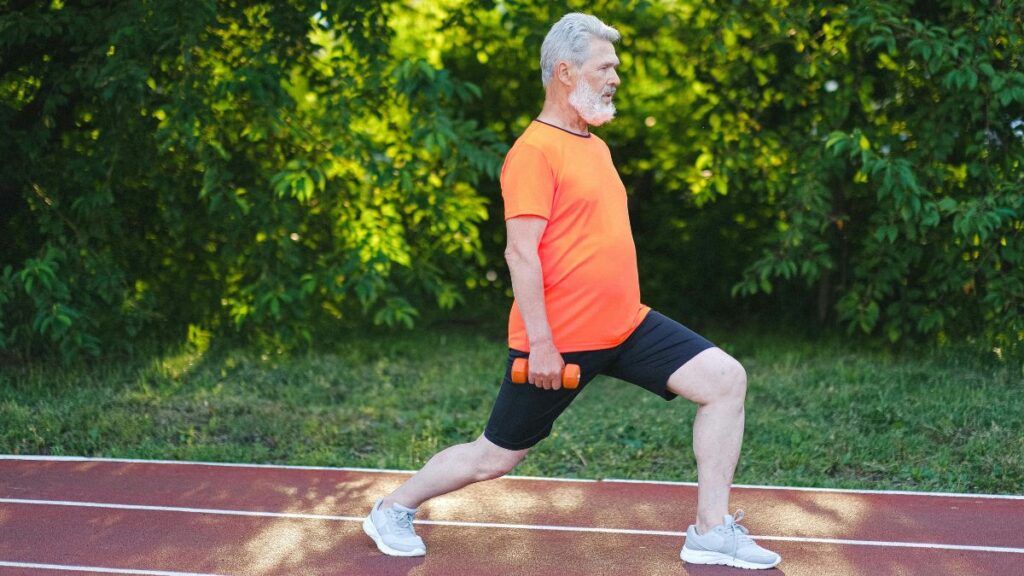
People who have been inactive for years sometimes hear the official exercise recommendation and conclude they have already failed. A new study published in The Lancet in January 2026 offers a different way to think about the first step.
Researchers combined device measured physical activity data from seven cohorts involving more than 40,000 people, then separately analyzed more than 94,000 UK Biobank participants.
Their models estimated that adding only five minutes a day of moderate to vigorous activity among the least active participants could potentially prevent about 6% of deaths at the population level.
The researchers were estimating population effects, not promising that one person would live a certain number of years longer. Even so, the study matters for retirees because five extra minutes feels far more achievable than suddenly becoming an “exercise person.”
The CDC makes a similar point in simpler language. Adults age 65 and older should aim for at least 150 minutes of moderate aerobic activity per week, but people who cannot reach that amount should be as active as their abilities and health allow.
What Counts as Brisk Walking After 65?
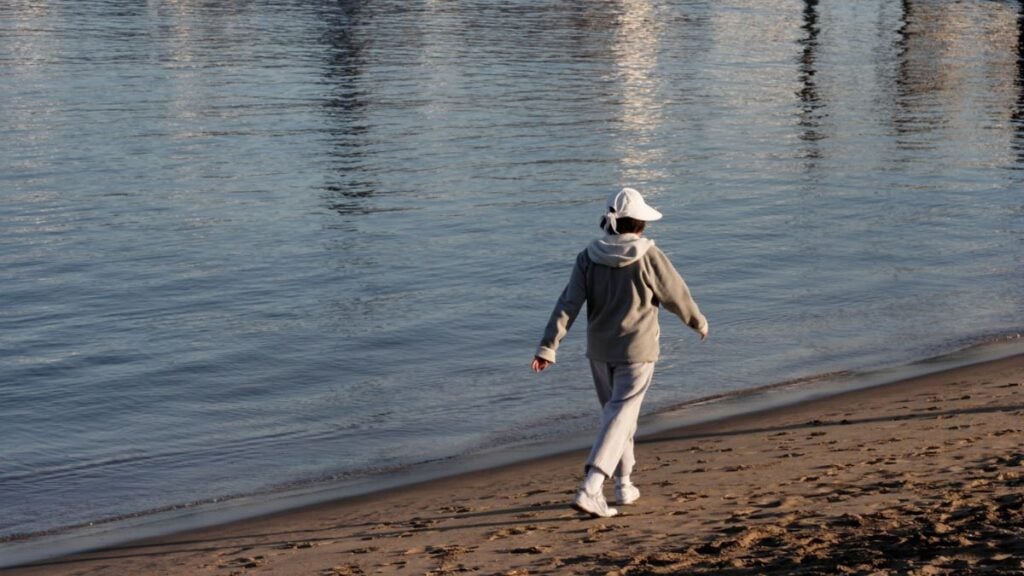
Brisk does not require racing younger people down the sidewalk. The appropriate effort depends on fitness, mobility, health conditions, terrain, weather, and medications.
CDC guidance describes moderate intensity as roughly a 5 or 6 on a 10 point effort scale. Breathing and heart rate rise, and a person should generally be able to talk but not comfortably sing during the activity.
For one retiree, that may be a fast neighborhood walk. For another, the same effort could come from a slower walk on an incline, water exercise, cycling, or another activity that raises breathing without causing unsafe strain.
The goal is not a particular speed on a watch. It is a sustainable amount of movement performed at an effort appropriate for the person doing it.
A Simple Walking Routine Retirees Can Actually Keep
The strongest routine is usually the one attached to something that already happens every day. Walking after breakfast, after lunch, before the evening news, or when calling a friend can reduce the need to make a fresh decision each day.
Someone who currently does almost no planned activity does not need to begin at 30 minutes. Five to ten minutes performed consistently can establish the routine first, after which time or pace can gradually increase.
A simple week might look like this.
| Day | Walking goal | Extra focus |
|---|---|---|
| Monday | 15 to 30 minutes | Comfortable purposeful pace |
| Tuesday | 10 to 20 minutes | Add simple strength work |
| Wednesday | 15 to 30 minutes | Include several slightly faster periods |
| Thursday | Easy walk or active errands | Balance practice |
| Friday | 15 to 30 minutes | Purposeful pace |
| Saturday | Longer enjoyable activity | Park, shopping, hiking, dancing, or similar movement |
| Sunday | Easy recovery walk | Review how the body feels |
This schedule is an example rather than a prescription. A person beginning from a low activity level could cut every walking period in half and still be moving in the right direction.
The important part is making movement normal rather than heroic. A routine that survives ordinary weather, appointments, travel, and low motivation is more useful than an aggressive program followed for ten days.
Do Not Forget Strength and Balance After 65
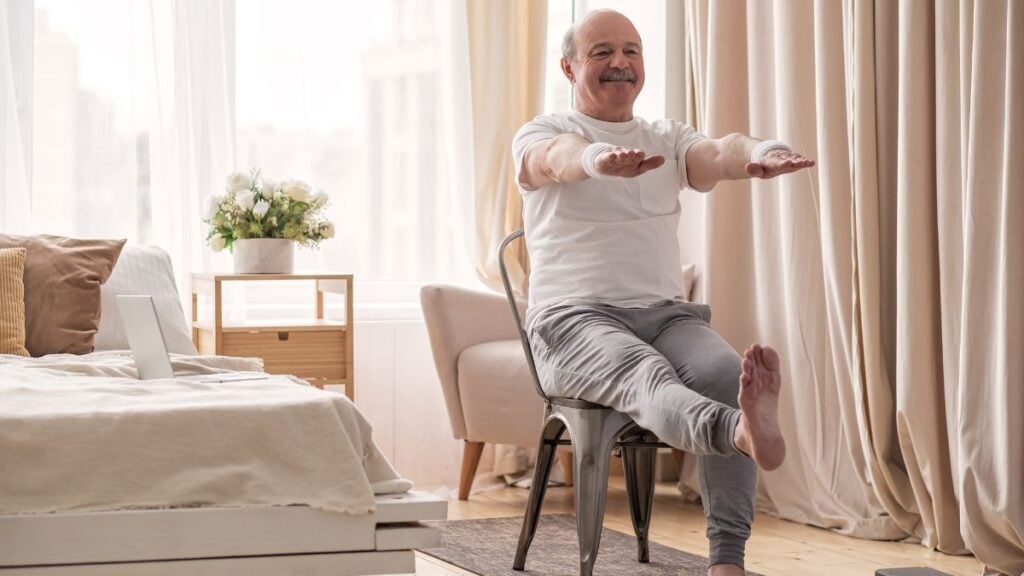
Walking receives most of the attention because it is accessible, but federal guidance for adults age 65 and older goes further. The CDC currently recommends at least 150 minutes of moderate intensity aerobic activity each week, muscle strengthening activity on at least two days, and activities that improve balance.
That combination matters because retirement health is not simply about reaching a certain birthday. Remaining able to climb stairs, get out of a chair, carry groceries, recover balance, and move around the community can shape how independent those later years feel.
Walking can form the foundation. Strength and balance work can fill gaps that walking alone does not fully address.
What If Brisk Walking Is Not Realistic?
Some retirees live with arthritis, heart or lung disease, neurological conditions, chronic pain, disability, or a history of falls. Telling everyone to simply “walk faster” ignores the wide range of abilities among older adults.
CDC guidance says people with chronic conditions or disabilities should be as physically active as their abilities allow. It also advises discussing appropriate activity types and amounts with a health professional when health conditions affect exercise.
The same principle applies to mobility limitations. A small, repeatable increase from an individual’s current baseline can be more sensible than trying to copy someone else’s step count.
| Current situation | Possible approach | Main priority |
|---|---|---|
| Mostly sedentary | Begin with several short walks | Build consistency |
| Comfortable walker | Add short purposeful pace periods | Increase moderate activity |
| Already active | Maintain walking and add strength and balance | Preserve broad fitness |
| Mobility limitations | Use appropriate supported or alternative activity | Move within safe ability |
| Chronic medical condition | Discuss major changes with a clinician when needed | Match activity to health status |
The evidence does not require every retiree to move in exactly the same way. It points much more consistently toward avoiding prolonged inactivity and finding forms of movement that can be maintained.
Why Walking May Matter Even More After Retirement

Work quietly creates movement for millions of people. Parking lots, stairs, hallways, meetings, errands, commuting, and simply getting up for coworkers can add hundreds or thousands of steps without feeling like exercise.
Retirement can remove those movements overnight. A person may have more free time while becoming less physically active simply because daily life no longer forces them to move.
That makes walking useful for another reason. It puts intentional movement back into a schedule that no longer has a workplace setting the rhythm.
Walking can also serve purposes beyond exercise. It can become time with a spouse, a regular meeting with a neighbor, an excuse to leave the house, or a reason to explore the community.
NIH research involving 272,550 adults ages 59 to 82 also suggests retirees do not have to choose walking specifically. People meeting recommended activity levels through various leisure activities had a lower mortality risk, and the researchers emphasized finding activities that people enjoy enough to sustain.
Walking Helps, but It Is Not a Longevity Guarantee
Longevity is influenced by far more than exercise. Genetics, smoking, medical care, income, diet, sleep, disease, accidents, social conditions, and simple chance all affect how long someone lives.
There is another scientific problem called reverse causality. People may walk less because an illness is already developing, which can make low activity appear more responsible for later deaths than it actually is.
Good observational studies attempt to reduce that problem. The 2025 Southern Community Cohort analysis, for example, excluded people who died within the first two years after the baseline questionnaire and adjusted for numerous health and lifestyle factors.
But statistical adjustments cannot turn an observational study into a guarantee. The most defensible statement is that regular physical activity, including walking, is consistently associated with lower mortality and better health outcomes across many populations.
That is more than enough reason to pay attention.
