
Retirement promises freedom from early alarms, demanding bosses, stressful commutes, and the pressure of earning a living. After decades of working, having complete control over your time can feel like the reward you have been waiting for. But leaving work does not mean leaving every problem behind.
Some retirees discover that the very things they wanted to escape were also providing structure, friendships, confidence, and a reason to get moving each morning. Without those familiar routines, unexpected problems can begin appearing.
Here are 11 problems that often show up after retirement, why they happen, and what retirees can do before small frustrations turn into lasting regrets.
1. Every Day Starts Feeling Like Sunday, and That Gets Old
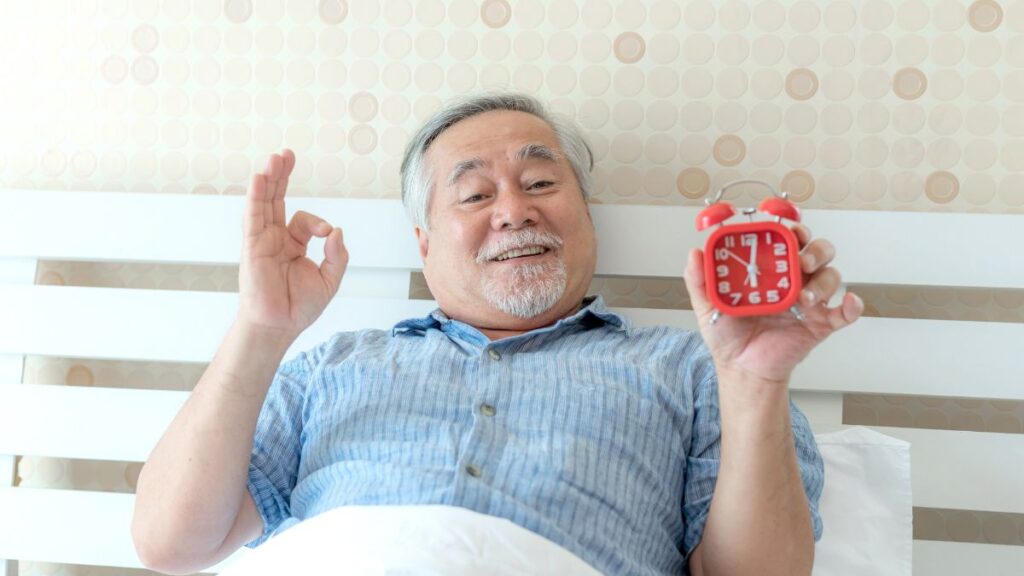
One of the first pleasures of retirement is waking up without an alarm. There is no meeting to attend, no supervisor expecting an update, and no reason to rush through breakfast.
For the first few weeks, that freedom can feel wonderful. But when every day is wide open, some retirees begin struggling to tell one week from the next.
Work creates a schedule without requiring much thought. You know when to get up, when to eat lunch, when to finish your responsibilities, and when the weekend begins.
Retirement removes those familiar markers. Suddenly, it becomes your responsibility to decide how the entire day should unfold.
The problem is not having too much free time. It is having too little structure to make that freedom satisfying.
Building a weekly routine around a few dependable activities can restore a sense of direction. Regular exercise, a Wednesday lunch with friends, household projects, and weekend family visits can give the week a recognizable shape.
A simple routine might look like this:
| Day | Simple Activity | What It Provides |
|---|---|---|
| Monday | Morning walk and errands | Movement and structure |
| Tuesday | Hobby or personal project | Enjoyment and progress |
| Wednesday | Lunch with a friend | Social connection |
| Thursday | Volunteer work or learning | Purpose and involvement |
| Friday | Household and money check | Peace of mind |
| Weekend | Family time or recreation | Something to anticipate |
The goal is not to recreate a demanding work schedule. It is to give ordinary days enough direction that retirement feels like an active part of life rather than an endless weekend.
2. Your Job Title Disappears, and So Does Part of Your Identity

For 30 or 40 years, many people have introduced themselves through their occupations. They were teachers, electricians, accountants, managers, nurses, or business owners.
Their jobs explained what they did and often shaped how other people viewed them. Retirement can suddenly take that familiar identity away.
A former manager may miss making decisions. A retired teacher may miss feeling needed, while someone who ran a business may struggle with no longer having problems to solve.
These feelings do not necessarily mean retirement was a mistake. They may simply reflect the loss of a role that provided recognition and personal satisfaction.
The knowledge, judgment, patience, and skills developed during a career do not disappear when employment ends. Finding new ways to use those abilities can help retirees maintain confidence and personal satisfaction.
A retired accountant can help a community organization with its finances. A former teacher can tutor students, while someone skilled at repairs can pass that knowledge to younger family members.
| What Work Once Provided | What Can Replace It |
|---|---|
| Job title and recognition | Meaningful community roles |
| Solving daily problems | Personal projects and volunteering |
| Sharing professional knowledge | Mentoring and teaching |
| Feeling responsible | Family, community, or personal commitments |
| Reaching career goals | New learning and personal achievements |
The strongest retirement identity is often built around who you are becoming rather than what you used to do. Your working years remain part of your story, but they do not have to define everything that follows.
3. The Friends You Saw Every Day Slowly Disappear

Work creates friendships through repeated contact. You see the same people, share frustrations, discuss weekend plans, and occasionally support each other through difficult situations.
After retirement, that everyday contact can disappear almost overnight. Former coworkers may promise to stay in touch, but their schedules continue while yours has changed.
At first, the occasional phone call or lunch invitation keeps the connection alive. Over time, however, conversations become less frequent, and relationships based mainly on shared work may gradually fade.
For someone who spent decades surrounded by colleagues, the resulting silence can be surprisingly uncomfortable. A house that once offered relief from workplace noise may begin feeling too quiet.
The National Institute on Aging distinguishes between social isolation and loneliness. A person can live alone without feeling lonely, while someone surrounded by relatives can still feel disconnected.
Maintaining friendships after retirement often requires more deliberate effort. Regular phone calls, planned lunches, and shared activities can keep important relationships from gradually disappearing.
Walking groups, volunteering, neighborhood events, community classes, and regular coffee meetings can also create new social connections. What matters most is having people who know you as a person rather than simply as a former coworker.
One dependable friend who notices when you have been absent may be more valuable than dozens of names in your phone. Retirement becomes easier when connection is something you maintain intentionally.
4. The Paychecks Stop, but the Bills Keep Arriving

During working years, monthly income usually follows a familiar pattern. Even when money is tight, knowing another paycheck is coming can make financial planning easier.
Retirement changes that arrangement. Savings, pensions, Social Security, and investment withdrawals may now need to support everyday expenses for decades.
The difficulty is not always having too little money. Sometimes it is simply adjusting to a different system of receiving and managing income.
Expenses also continue changing. Property taxes can increase, insurance premiums may rise, vehicles need repairs, and homes require maintenance.
A retiree who feels comfortable during the first year may discover that inflation and unexpected bills place greater pressure on the budget later. That makes ongoing planning just as important as the original decision to retire.
A practical retirement budget begins with dependable income and essential expenses. Once those numbers are clear, retirees can determine how savings and investments may need to cover the remaining costs.
| Retirement Expense | Why It Can Become a Problem | Practical Response |
|---|---|---|
| Housing | Taxes, rent, repairs, or fees increase | Review total yearly housing costs |
| Healthcare | Premiums and out-of-pocket bills change | Check coverage and keep a medical reserve |
| Transportation | Repairs and replacement costs are irregular | Set aside money each month |
| Groceries and utilities | Prices can rise over time | Review spending and adjust |
| Emergencies | One surprise can require a large withdrawal | Maintain accessible backup savings |
Retirement financial security is not determined by one impressive account balance. It depends on whether available resources can support your needs while leaving reasonable room for surprises.
A budget should also include some money for enjoyment. Financial security matters, but retirement should not become a period in which every pleasant experience feels financially forbidden.
5. Spending Money Suddenly Feels More Frightening Than Saving It

For much of adulthood, responsible financial behavior means earning money, putting some aside, and watching savings grow. Retirement reverses that familiar pattern.
Now the money you spent decades building may need to be withdrawn and used. For some retirees, watching an account balance decline feels uncomfortable even when the spending is affordable.
This can create an unusual problem. Someone may have enough money for a weekend trip, a replacement appliance, or an enjoyable hobby but feel guilty every time they spend.
Others face the opposite risk. After finally gaining freedom, they spend heavily during the first years without considering how their needs may change later.
Both situations reflect difficulty moving from saving for retirement to managing money during retirement.
A spending plan that separates basic living costs, emergency reserves, future needs, and enjoyable activities can reduce some of that uncertainty. It also makes it easier to see which purchases fit comfortably within the retirement budget.
Investment changes, inflation, taxes, and healthcare expenses should also be considered when determining how much money can reasonably be spent. A qualified financial professional can help retirees review complicated withdrawal decisions.
The goal is neither spending without limits nor refusing every pleasure. It is developing enough confidence in the numbers to enjoy money responsibly.
6. Being Home Together All Day Changes the Marriage

For married retirees, leaving work can mean spending considerably more time together. A couple that previously shared evenings and weekends may now be in the same house for most of the day.
That change can be pleasant, especially when both partners enjoy shared activities. But it can also expose differences that were easier to overlook during busy working years.
One spouse may want to travel frequently, while the other prefers staying home. One may enjoy long conversations throughout the day, while the other needs quiet time for reading or hobbies.
Small disagreements about television, meals, household chores, and daily routines can suddenly receive more attention. Neither person is necessarily doing anything wrong, but both are adjusting to a different arrangement.
Retirement may also change expectations about household work. A spouse who previously handled most domestic responsibilities may reasonably expect the retired partner to contribute more.
Couples often benefit from discussing personal space, shared responsibilities, spending, and daily routines before frustration builds. Retirement does not have to mean spending every waking hour together.
Maintaining individual hobbies while protecting time for shared activities can create a healthier balance. A regular walk, dinner outing, or weekly planning conversation may help preserve connection without eliminating independence.
For people who retire single or become single later, the challenge may look different. They may need to create stronger social routines so that living independently does not gradually turn into unwanted isolation.
7. Everyone Assumes Your Free Time Belongs to Them
Retirement creates an unexpected social problem: other people may begin treating your schedule as completely available.
Adult children might request regular childcare. Relatives may expect assistance with errands, while neighbors begin asking for favors because they know you are no longer working.
Helping others can provide meaning and satisfaction. But when every free morning becomes someone else’s responsibility, retirement may start feeling like another unpaid job.
Some retirees find it difficult to refuse these requests. They worry about disappointing their children, appearing selfish, or losing opportunities to spend time with family.
Over time, agreeing to everything can leave little room for rest, hobbies, friendships, or personal goals.
Deciding how much time to give before accepting ongoing commitments can prevent resentment. Helping family is often rewarding, but those responsibilities still need to fit a retiree’s health, finances, and personal priorities.
| Common Request | Healthy Way to Set a Boundary |
|---|---|
| Daily childcare | Agree on specific days or hours |
| Frequent errands | Offer help when your schedule allows |
| Financial assistance | Decide what you can safely afford |
| Regular family visits | Balance visits with personal time |
| Unexpected favors | Check existing plans before agreeing |
Boundaries do not mean abandoning people who need support. They allow retirees to offer help in a way that remains realistic and sustainable.
Your time still has value after your final workday. Having fewer professional obligations does not mean you have no personal commitments.
8. Healthcare Becomes a Bigger Part of the Calendar

Retirement often arrives during a stage of life when health needs are becoming more noticeable. Regular checkups, medication reviews, dental appointments, vision care, and treatment for ongoing conditions may require more attention.
Some retirees feel healthy and active for many years. Others must adjust their plans because of physical limitations or medical expenses that were difficult to predict.
Healthcare administration itself can become frustrating. Comparing insurance coverage, arranging appointments, reviewing medical bills, and keeping track of medications all require time.
For Americans, the transition to Medicare can also create confusion. Retiring before age 65 may require another source of health insurance, and Medicare does not cover every possible medical expense.
Keeping an updated list of medications and healthcare providers can make medical responsibilities easier to manage. Regular insurance reviews can also help retirees determine whether their coverage continues to meet their needs.
Planning for expenses that may not be fully covered is equally important. Dental treatment, hearing care, vision services, and certain long-term care needs can create significant costs depending on the insurance arrangement.
| Area | Question to Ask |
|---|---|
| Insurance | Does my coverage still fit my needs? |
| Prescriptions | Are my medications affordable and reviewed? |
| Preventive care | Am I keeping up with recommended screenings? |
| Dental and vision | Have I planned for possible out-of-pocket expenses? |
| Transportation | Can I reliably reach appointments? |
| Emergency planning | Who can help if I suddenly need medical care? |
Good health is never guaranteed, but preparation can reduce avoidable complications. Having dependable systems in place allows retirees to devote less emotional energy to worrying about what might go wrong.
9. Staying Home Becomes Comfortable, Then Slowly Limits Your Life
After years of rushing through traffic and crowded workplaces, spending more time at home can feel like a reward. There is something appealing about a quiet morning, a comfortable chair, and no pressure to leave.
But convenience can gradually turn into inactivity. Without a commute, workplace walking, or regular outside commitments, some retirees may move far less than they did before.
Physical strength and balance can decline when they are not used regularly. Everyday activities such as climbing stairs, carrying groceries, gardening, or getting out of a chair may become harder.
The consequences go beyond fitness. When leaving home feels physically difficult, retirees may begin declining invitations, reducing social contact, and giving up activities they previously enjoyed.
The CDC recommends that adults 65 and older generally aim for at least 150 minutes of moderate aerobic activity each week, along with muscle strengthening on at least two days and activities that improve balance.
Walking, swimming, gardening, resistance exercises, and suitable balance activities can help people remain active. Those who cannot meet the full guidelines can still benefit from movement appropriate to their abilities.
Mobility aids should not be viewed as signs of personal failure. A cane, walker, wheelchair, or appropriate home modification may help someone remain independent and participate in daily life.
The aim is not to exercise like a younger athlete. It is to protect the physical abilities that make retirement enjoyable.
10. The Home You Worked Hard to Own Can Become a Burden

A paid-off home is often viewed as one of retirement’s greatest financial advantages. Without a large mortgage payment, retirees may have more freedom to manage their monthly expenses.
Yet homeownership brings responsibilities that continue long after the mortgage disappears. Roof repairs, property taxes, insurance, yard maintenance, and major appliance replacements can all become expensive.
Physical demands may also change. Stairs that once seemed harmless can become inconvenient, while maintaining a large yard may require more effort than a retiree wants to give.
Another challenge is location. A comfortable home may be far from medical services, close friends, public transportation, or family members who could provide help.
Some retirees remain in unsuitable homes because they associate moving with giving up independence. Others downsize too quickly and later miss the familiar neighborhood and space they enjoyed.
Evaluating a home based on future practicality can reveal problems before they become urgent. Maintenance costs, accessibility, transportation, neighborhood support, and the ability to manage the property all deserve consideration.
Homeownership is not the only way to have stable housing. Renting, moving to a smaller property, or choosing an accessible community may provide greater security in some circumstances.
The best retirement home is not necessarily the largest or most valuable one. It is the place that supports your budget, physical needs, relationships, and independence.
11. You Finally Have Free Time, but Nothing Feels Worth Looking Forward To

This may be the most overlooked retirement problem because it can exist even when the financial plan is working.
A retiree may have a comfortable home, enough income, good medical coverage, and no major daily responsibilities. From the outside, everything appears settled.
Yet something can still feel missing. Without deadlines, projects, workplace accomplishments, or personal goals, the future may begin looking like a long series of ordinary days.
During working years, people often have something ahead of them. They anticipate promotions, vacations, professional achievements, holidays, and eventually retirement itself.
Once retirement arrives, that final goal has been reached. Unless new interests develop, there may be little to provide the same feeling of anticipation.
Purpose does not have to involve a second career or a major life achievement. It might be learning to play an instrument, improving a garden, visiting an old friend, volunteering, or following a fitness goal.
Having both short-term pleasures and longer-term goals can make retirement more satisfying. A weekly activity provides structure, while a project planned for next season offers something to anticipate.
For example, a retired couple might plan a weekend trip several months ahead. Someone living alone might join a class, organize a community event, or work toward finishing a personal project.
The important question is simple: What are you genuinely looking forward to?
If the answer is difficult to find, starting with a small commitment may be more realistic than planning a major lifestyle change. Meaning often develops through repeated involvement in activities and relationships that feel worthwhile.
Persistent emptiness, loss of pleasure, or hopelessness should not automatically be dismissed as ordinary retirement boredom. These feelings can also be signs of depression and deserve attention from a healthcare professional.
