
Retiring at 65 sounds sensible because the age is tied to Medicare and has long been treated as the retirement finish line. The problem is that your money, health, job, family, and plans do not move on the same calendar.
Waiting can cost you healthy time, while leaving too early can create expensive insurance gaps and force larger withdrawals from savings. The better question is not whether 65 is right or wrong.
It is whether working to 65 improves your life enough to justify the years you give it. Here is how to compare the tradeoffs before choosing your date.
Why Age 65 Is No Longer a Universal Retirement Finish Line

Age 65 still matters, but mostly because of Medicare. Most people become eligible for Medicare around that age, and the standard Initial Enrollment Period lasts seven months, beginning three months before the month you turn 65 and ending three months afterward.
Social Security follows a different calendar. For anyone born in 1960 or later, full retirement age is 67, not 65. Benefits can begin as early as 62, while delayed retirement credits can increase a worker’s benefit until age 70.
That creates an important distinction.
Stopping work, starting Medicare, and claiming Social Security do not have to happen on the same day.
A person could retire at 62, use other income for several years, enroll in Medicare at 65, and delay Social Security. Another person could work until 68 while enrolling in Medicare earlier if that works with the employer’s coverage.
Older Americans are already following many different paths. In 2025, 19.1% of Americans age 65 and older were working or looking for work, according to the Bureau of Labor Statistics.
The point is not that everyone should retire earlier. It is that 65 should be treated as one planning milestone rather than a mandatory finish line.
| Age | What becomes important | What it does not mean |
|---|---|---|
| 62 | Social Security retirement benefits can begin | You must claim Social Security |
| 65 | Medicare eligibility generally begins | You have reached Social Security full retirement age |
| 67 | Full retirement age for people born in 1960 or later | You must stop working |
| 70 | Delayed Social Security credits stop increasing retirement benefits | You must have waited until 70 to retire |
The Real Risk Is Spending Healthy Years Waiting for a Number

One reason some retirement advisers question waiting until 65 is simple: money can sometimes be earned later, but healthy time cannot be stored for future use.
That idea deserves attention. The statistic commonly used to support it, however, needs careful explanation.
The World Health Organization reports U.S. healthy life expectancy at birth at 63.9 years in its latest country data covering 2021. Healthy life expectancy attempts to estimate years lived in full health after accounting for disease and disability.
That does not mean the typical American becomes unhealthy at 63 or 64. It is a population measure calculated from birth, and it includes illness and disability occurring throughout life.
For someone who has already reached retirement age, another figure provides useful context. CDC final mortality data for 2024 show that a person who reached 65 could expect another 19.7 years of life on average. The figure was 18.4 years for men and 20.8 years for women.
Life expectancy is not the same thing as healthy life expectancy. Neither figure predicts what will happen to a specific person.
Your family history, current health, occupation, lifestyle, access to care, finances, and plain chance can produce a very different outcome.
Still, the broader lesson is useful. If most of your retirement plans require stamina or mobility, putting everything off until some future age carries a real tradeoff.
That matters for plans such as extended travel, hiking, caring for grandchildren, volunteering, maintaining a large property, or spending active time with a spouse.
The goal is not to fear getting older. It is to ask whether continuing to work is buying something you value enough to exchange for another year of your time.
Retirement Age and Social Security Claiming Age Are Two Different Decisions
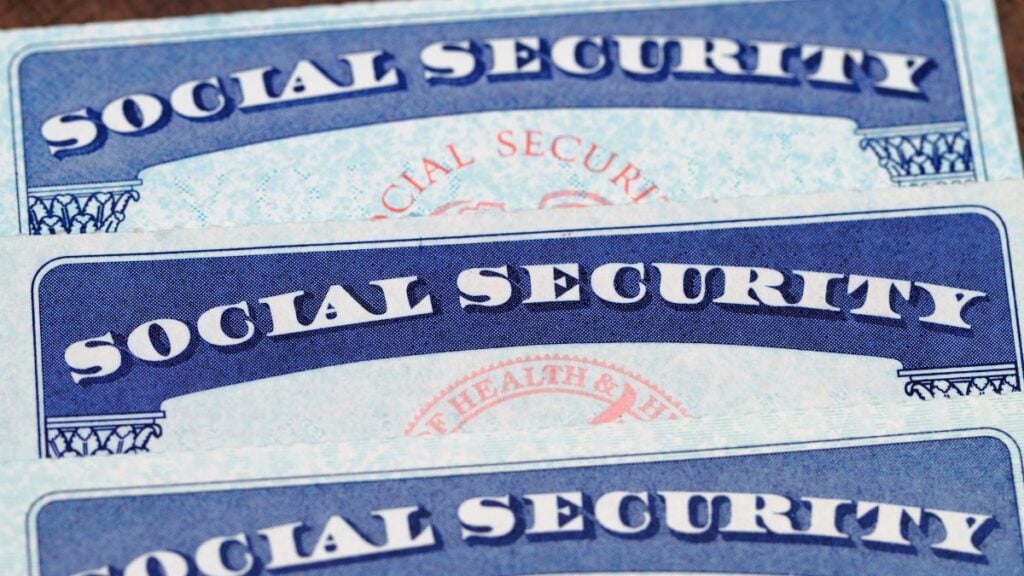
One of the biggest retirement-planning mistakes is assuming that retirement automatically means filing for Social Security.
You can leave your job without immediately starting retirement benefits. If other savings or income can cover the gap, those decisions can be separated.
For someone born in 1960 or later, SSA says claiming a worker’s retirement benefit at 62 produces about 70% of the full retirement-age benefit. Claiming at exactly 65 produces about 86.7%, while waiting until 67 produces 100%.
If that same worker delays from full retirement age to 70, SSA says the benefit rises to about 124% of the full retirement-age amount. The increase stops at 70.
| Social Security starting age* | Approx. share of full benefit | Main tradeoff |
|---|---|---|
| 62 | 70% | Earlier checks, permanently smaller monthly amount |
| 65 | 86.7% | More income sooner, but still before FRA |
| 67 | 100% | Full retirement-age amount |
| 70 | 124% | Larger monthly benefit, but benefits begin later |
*Figures apply to workers born in 1960 or later. Survivor, spousal, disability, and other benefit rules can differ.
This is why asking, “Can I retire?” is different from asking, “When should I claim Social Security?”
Someone with cash savings, pension income, part-time income, or accessible retirement assets may be able to stop working before claiming.
Someone with little savings outside Social Security may have fewer choices.
There is no single claiming age that works for every household. Longevity, spouse benefits, other income, taxes, savings, and cash-flow needs all matter.
Use your personal my Social Security account rather than relying on a generic example. SSA allows workers to compare estimated benefits at different claiming ages.
What One More Year of Work Can Actually Buy You

Leaving work sooner has value, but another working year can sometimes improve retirement finances far more than people expect.
First, you receive another year of wages instead of withdrawing that amount from savings. Your portfolio also gets another year in which withdrawals may be smaller or unnecessary.
Second, you may receive another year of employer health insurance, pension service credit, retirement-plan matching, bonuses, or other workplace benefits. The value depends on your specific employer.
Third, another year creates room for additional retirement contributions.
For 2026, the employee contribution limit for most 401(k), 403(b), governmental 457 plans, and the federal Thrift Savings Plan is $24,500. The generally applicable catch-up limit for participants age 50 and older is another $8,000, if the plan allows it.
That does not mean everyone near retirement should automatically contribute the maximum. It shows why one additional high-saving year can matter.
Working longer can also allow someone to delay Social Security. For people born in 1960 or later, delaying from age 67 to age 70 raises the scheduled worker benefit from 100% to 124% of the full retirement-age amount.
But working longer and delaying Social Security are separate choices.
If you have enough savings to support yourself, you could leave work earlier and still delay claiming.
That distinction gives retirement planning much more flexibility than the simple “work until 65” rule suggests.
What Another Year of Work Can Cost You

Retirement planning usually gives money a dollar value while treating time as if it were free.
It is not.
Suppose you already have enough income and savings to support your planned lifestyle, including a reasonable cushion for unexpected expenses. Working three additional years may increase the size of the account, but those years also represent three years that cannot be moved to the end of retirement.
That tradeoff becomes more important when your goals are time-sensitive.
A long road trip may be easier at 61 than at 81. Caring for grandchildren may matter most while they are still young. A spouse may be healthy and ready to travel now, but no financial projection can guarantee both partners will feel the same way ten years later.
This does not mean people should empty retirement accounts to chase experiences.
It means retirement planning should ask two questions instead of one:
How much money is enough?
And:
What are you saving the money to do?
A useful exercise is to divide your retirement plans into three groups.
- Active years: travel, hiking, sports, long drives, major home projects
- Flexible years: hobbies, volunteering, dining, classes, social activities
- Later-life needs: easier transportation, home help, accessibility changes, care costs
Put the activities that matter most to you in the years when you are most likely to enjoy them.
Health deserves attention during this period as well. CDC recommends that adults 65 and older, when their abilities allow, combine aerobic activity, muscle-strengthening activity, and balance work each week.
Retirement time is more useful when your health supports the life you planned for it.
Can You Afford to Retire Before 65?

Retiring before 65 can work, but you need a bridge between your last paycheck and the benefits that begin later.
Health insurance is usually one of the first problems to solve.
If you retire before 65 and lose job-based health coverage, HealthCare.gov says you can use the Health Insurance Marketplace. Losing employer coverage generally creates a Special Enrollment Period, so you do not necessarily have to wait for the annual enrollment window.
Premiums and out-of-pocket costs can vary widely. Price your actual options before choosing a retirement date.
Next, check where your spending money will come from.
The IRS generally allows retirement-plan and IRA withdrawals without the 10% additional early-distribution tax after age 59½, although ordinary income taxes may still apply to taxable distributions. Different exceptions and account rules can apply before then.
There is also an exception involving some employer plans for people who separate from service during or after the year they reach age 55. It does not work the same way for IRAs, so account structure matters.
Do not base an early-retirement plan on the existence of an exception without checking the rules for your own account.
Your Early Retirement Bridge
| Need | What to check before leaving work |
|---|---|
| Health insurance | Marketplace, spouse coverage, retiree coverage, Medicare start date |
| Monthly spending | Housing, food, transportation, insurance, travel, taxes |
| Cash reserve | Money available without selling investments during a bad market |
| Retirement accounts | Withdrawal rules, taxes, penalties, account access |
| Social Security | Benefit at 62, 65, FRA, 70, and other ages |
| Large expenses | Roof, vehicle, relocation, family help, major travel |
| Income gaps | Years before pension, Medicare, or Social Security begins |
The biggest mistake is saying, “We have $1 million, so we can retire,” without asking what that money must support.
Two households with the same portfolio can have completely different retirement pictures.
One may own a paid-off home, have a pension, and spend $55,000 a year. Another may have a mortgage, help adult children, carry high insurance costs, and spend twice as much.
Account balance alone does not determine retirement readiness.
Cash flow does.
Medicare at 65 Still Needs Its Own Plan
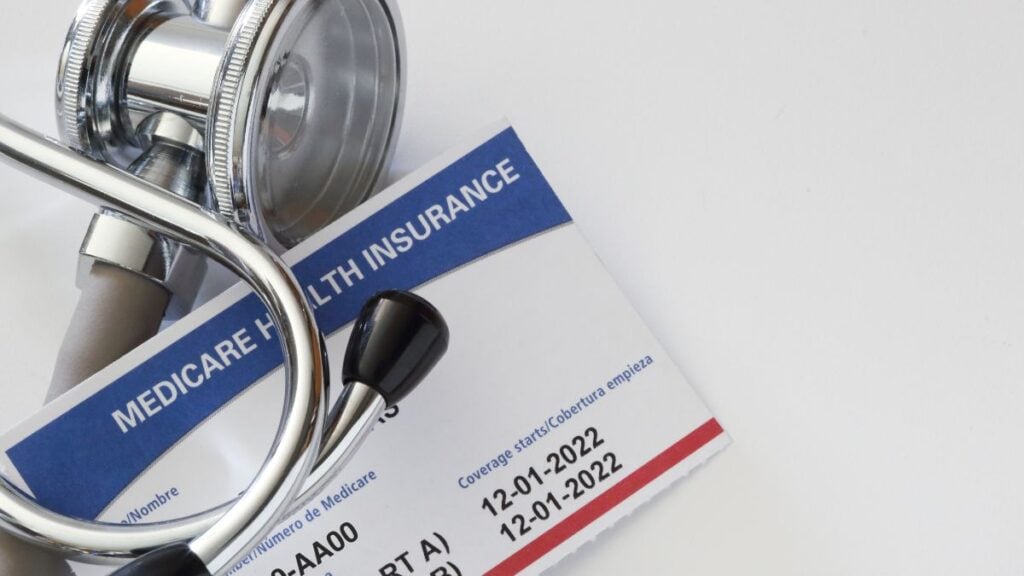
Leaving work early does not remove the importance of Medicare enrollment.
For most people, the Initial Enrollment Period begins three months before the month they turn 65 and runs through three months afterward. Missing the correct enrollment window can cause delayed coverage or late-enrollment penalties in some circumstances.
People who continue working past 65 may have different timing if they have qualifying employer group coverage.
Medicare says that after eligible job-based coverage ends, many workers receive an eight-month Special Enrollment Period for Part B. That period generally begins when employment or qualifying coverage ends, whichever happens first.
Do not assume COBRA automatically extends the same Medicare enrollment protection. Medicare specifically notes that the eight-month period begins when work or qualifying job-based insurance ends even if someone chooses COBRA afterward.
Check the rules before your retirement date rather than trying to repair an enrollment mistake later.
Who May Be Better Off Working Past 65?
Retiring earlier is attractive when you are financially ready and have meaningful plans for your time.
It is far less attractive when leaving creates a permanent cash shortage.
Continuing to work may be reasonable if you still have expensive debt, little emergency cash, large housing costs, dependent family members, or a retirement budget that depends on unusually strong investment returns.
The same applies if your employer health coverage is especially valuable or if several more working years would substantially improve a pension.
Some people also simply like working.
A flexible job with good coworkers, manageable hours, and meaningful work can provide structure, income, social contact, and purpose. There is no prize for leaving a job you enjoy simply because a birthday says retirement has arrived.
Working after 65 is not unusual. BLS reported that 26.7% of Americans ages 65 through 74 were participating in the labor force in 2025.
The problem is not working longer.
The problem is continuing automatically without asking what you are working for.
Use These Six Numbers Before Setting Your Retirement Date
You do not need a 40-page retirement report to begin deciding whether age 65 makes sense.
Start with six numbers.
6 Numbers to Know Before Setting Your Retirement Date
You do not need a complicated retirement report to get started. Write down these six numbers before deciding whether you are ready to leave work.
Essential Annual Spending
Calculate what it costs to maintain your basic lifestyle for one year.
Include housing, food, utilities, transportation, insurance, taxes, debt payments, and routine health expenses.
Reliable Income
Add income you can expect without regularly selling investments.
This may include Social Security, pensions, annuity income, rental income, or other dependable sources.
Investable Assets
Total the retirement accounts, investment accounts, and cash you plan to use during retirement.
Do not automatically include your home’s full value unless selling or downsizing is part of your plan.
Health Insurance Cost
Estimate what health coverage will cost after leaving your employer, especially if you plan to retire before age 65.
Use actual insurance estimates rather than assuming coverage will fit easily into the budget.
Cash Reserve
Check how long you could cover normal expenses without selling long-term investments.
Accessible cash can provide breathing room when unexpected bills arrive or investment markets are weak.
Large Known Expenses
List major costs that are easy to miss in a normal monthly budget.
Think about vehicles, home repairs, travel, relocation, dental work, accessibility changes, weddings, or helping family.
Retirement Readiness Scorecard
| Area | Stronger position | Warning sign | Next check |
|---|---|---|---|
| Spending | Expenses clearly tracked | Retirement spending is a guess | Build a 12-month budget |
| Income | Reliable income covers much of basic spending | Heavy dependence on withdrawals | Compare claiming dates |
| Health coverage | Coverage and cost confirmed | No plan before Medicare | Price available coverage |
| Cash | Emergency reserve available | Every expense requires selling investments | Build liquid reserves |
| Debt | Manageable fixed payments | High-interest or large monthly debt | Review payoff options |
| Lifestyle | Clear plans for retirement time | Retiring only to escape work | Test how you want to spend your weeks |
You do not need every row to look perfect.
You do need to understand where the weak points are before your paycheck disappears.
Try a Retirement Test Before You Leave

One of the safest ways to test retirement readiness is to live on the expected retirement budget while you are still employed.
Suppose you believe you can comfortably retire on $5,000 a month. Try directing everything above that amount into savings for several months.
If the budget feels comfortable, you gain confidence and additional savings.
If you repeatedly need another $1,500 to cover normal life, you have discovered the problem while you still have employment income.
You can test the lifestyle side as well.
Use vacation time to spend a week close to how you expect retirement to feel. Stay home for part of it. Exercise, see friends, work on hobbies, handle errands, and avoid filling every day with expensive entertainment.
Retirement contains a lot more Tuesdays than vacations.
You want a routine that works after the excitement of leaving work fades.
Do Not Let a Bigger Portfolio Become the Only Goal
There is always another financial milestone available.
A person with $800,000 may want $1 million. Someone with $1 million may decide $1.5 million feels safer. After reaching that figure, $2 million can suddenly seem more comfortable.
Safety matters, especially because retirement can last decades.
CDC’s current figures show why longevity deserves serious planning. An American already age 65 in 2024 had an average remaining life expectancy of almost 20 years.
That means retiring earlier without enough money can create a long-term problem.
But endlessly delaying life to make an already workable plan slightly stronger can carry a different cost.
A useful financial plan should eventually answer one powerful question:
What would have to be true for you to confidently say, “We have enough”?
If there is no answer, the target can keep moving forever.
Your Retirement Date Should Be a Decision, Not a Birthday

Retiring at 65 is not automatically a costly mistake. For some households, it may be exactly the right age. For others, 60, 62, 67, or even 70 may fit much better.
The costly mistake is allowing age 65 to make the decision for you.
Compare what another working year gives you with what it takes away. Check your spending, health insurance, Social Security choices, retirement accounts, debt, cash reserves, and the activities you want to enjoy while you have the time and energy for them.
Then choose your retirement date because the numbers and your priorities support it, not because tradition says you have finally reached the correct birthday.
