
Buy a $50,000 RV today. In 10 years, you’ll own something worth $15,000. Buy a $50,000 tiny home on land. The story changes completely. You want affordable housing or a mobile lifestyle. You need to know which option loses less money over time.
This 10-year comparison shows the real numbers. You’ll see exact RV depreciation rates from 2025 market data. You’ll learn how tiny home value holds up differently. And you’ll discover which choice saves you money based on your lifestyle. The resale value difference? It’s bigger than you think.
RV Depreciation: The Real Numbers (2025 Data)
The First-Year Hit
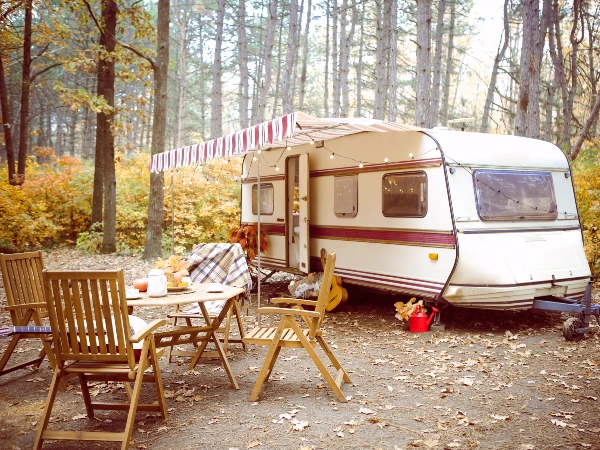
RVs lose 20% value the moment you drive off the lot. That’s $10,000 gone on a $50,000 purchase. Before you even camp once.
Five Years Later

Average RV depreciation reaches 36-38% after 5 years. Your $50,000 travel trailer? Now worth $25,000. You lost half your money.
The 10-Year Reality
Class A RVs lose 30% in 3 years. By year 10, they’re down 60%. That $100,000 Class A motorhome becomes $40,000. Class C RVs depreciate by 38% in 5 years, reaching barely 50% at 10 years. Fifth wheels lose 45% of their value in just 5 years. This mirrors car depreciation. RVs are vehicles. They lose value like vehicles. Fast.
Why RVs Lose Value Fast?

Built Light, Not Strong
RVs use lightweight materials for mobility, not durability. Thin walls. Cheap cabinets. Basic appliances. They’re designed for temporary living, not full-time use. Live in one year-round and watch it fall apart.
Travel Destroys Everything

Every mile on the road shakes your RV apart. Water damage from leaks. Sun damage to the exterior. Mechanical failures after years of bouncing down highways. Seals crack. Roofs leak. Systems break.
Vehicles, Not Homes
RVs are classified as vehicles. They follow vehicle depreciation curves. Banks treat them like cars. Here’s the kicker: age matters more than mileage for RVs. A 10-year-old RV with 5,000 miles remains worth nothing. Time kills value faster than use.
Tiny Home Values: A Different Story

Wheels = RV Problems
Tiny homes on wheels depreciate like RVs. Same lightweight construction. Same wear from travel. Same vehicle classification. Your mobile tiny home loses value just as fast as a travel trailer.
Foundation = Real Estate

Tiny homes on foundations can appreciate if you own the land. The structure depreciates, but land appreciates. That’s how real estate works. Your tiny house value drops slightly. Your land value climbs. Net result? You might break even or profit.
Better Built, Better Value
The average resale value of a tiny home is around $60,000. They’re built with residential materials and higher-quality construction. Real insulation. Proper framing. Standard appliances. A foundation-built tiny home acts like a small house. And small houses hold value better than vehicles. The difference? Land ownership changes everything.
10-Year Value Comparison: The Math

The RV Scenario
Buy a $50,000 RV. In 10 years, it’s worth $20,000. You lost $30,000.
The Mobile Tiny Home

Buy a $50,000 tiny home on wheels. Same depreciation as the RV. You lost $30,000.
The Game Changer
$100k buys an RV or tiny home on land. After 10 years: RV drops to $20k, tiny home rises to $120k+. That’s a $100k swing in net worth. RVs depreciate, tiny homes on owned land appreciate.
Current Market Reality (2025 Update)

Housing Costs Are Insane
Median US home price hit $396,900 in January 2025. That’s why people look at alternatives. Tiny homes range $30,000-$80,000. Still cheaper than traditional housing.
RV Market Flooded

Used RV prices are stable or declining in 2025. Dealers have massive inventory. Pandemic-era buyers are dumping their rigs. This creates a strong buyer’s market for RVs. You can negotiate hard right now.
The Catch
RV prices expected to rise 10% by mid-2025. Material costs are climbing. Tariffs hitting. Buy before summer if you want an RV. Current inventory sits at record highs. Tiny home demand keeps increasing as traditional housing prices people out. Market conditions favor RV buyers now. That window won’t stay open long.
When RVs Make Financial Sense?

You Actually Travel
Frequent travelers who prioritize mobility need RVs. You move every few weeks. Different states. Different campgrounds. An RV makes sense for this RV lifestyle.
Short-Term Plans

If you plan to sell in 2-3 years max, the depreciation hit hurts less. Buy used to avoid the initial 20% loss. Let someone else eat that cost.
Weekend Warriors
Recreational use, not primary residence. You camp 10-15 weekends per year. You keep a house or apartment. The RV is a toy, not your home. That’s smart mobile living.
No Roots Wanted
No land ownership desired. Retirees traveling full-time for limited years before settling down. People are testing the mobile lifestyle before committing. Young couples exploring before buying a property. For these situations, RV depreciation matters less than the freedom you get.
Financing Impact on Your Bottom Line

RV Loans Cost More
RV financing typically comes with higher interest and shorter terms (10-15 years). Personal loans for RVs often carry 5%+ APR. Sometimes, 8-10% if your credit isn’t perfect. Those loan rates in 2025 hurt.
The Real Cost

Borrow $50,000 for an RV at 7% over 12 years. Monthly payment: $520. Total paid: $74,880. You spent $24,880 in interest on something now worth $20,000. You lost $54,880 total.
Tiny Home Advantage
Tiny homes on foundations may qualify for mortgage rates. If you own land, you might get 4-5% over 30 years. That’s cheaper monthly payments and less total interest.
Hidden Costs That Kill Your Investment

RV Park Fees Crush You
Monthly RV park fees run $250-$1,500. Average $600. That’s $7,200 per year. Over 10 years? $72,000. You paid more in parking than your RV is worth. And camping fees have kept increasing since 2020.
Tiny Home Land Costs
Land costs for tiny homes run $5,000-$18,000+ per acre. Then add site preparation at $4,000-$12,000. Utility hookups. Septic or sewer. Foundation work. You’re at $20,000-$30,000 before the tiny home arrives.
Insurance Bites Differently

RV insurance costs less upfront but covers a depreciating vehicle. Tiny home insurance on property costs more but protects an appreciating asset.
Maintenance Matters
RVs need constant repairs. Roof sealing. Slide maintenance. Generator service. Tiny homes require standard home maintenance. Less frequent. Less expensive. Add it all up over 10 years. Those hidden expenses double your actual cost.
Resale Reality: What Actually Sells?
RV Resale Speed
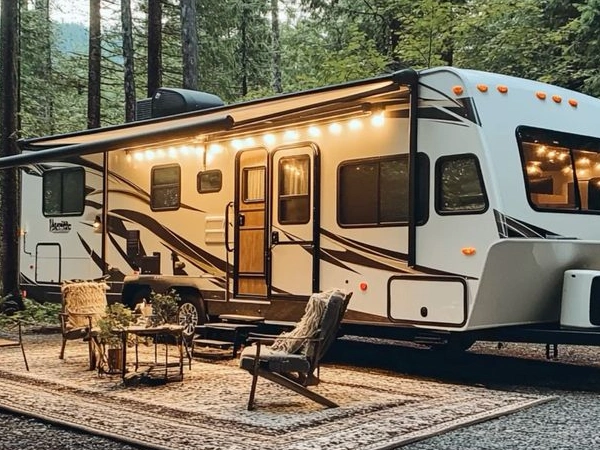
RVs face the steepest depreciation in the first 5 years, but they sell quickly. Huge buyer pool. Easy financing. List it Monday, sold by Friday. The RV market shows stability in used sales for 2025. Demand exists.
Tiny Home Challenges
Tiny home average resale value hits $60,000. Not bad. But the limited buyer pool for tiny homes affects the price. Not everyone wants 300 square feet. Finding the right buyer takes months, not days.
What Buyers Want?
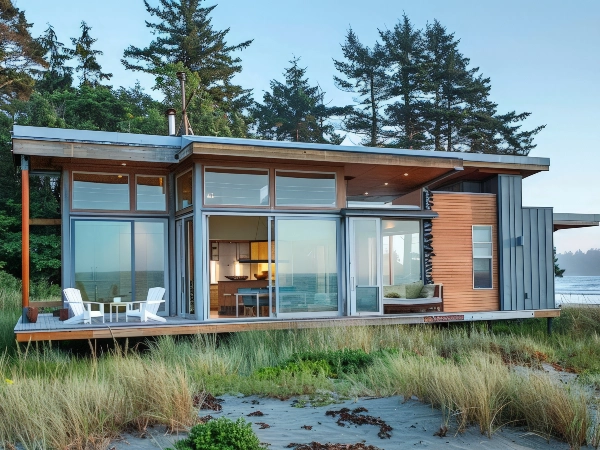
For RVs, age kills value. A 10-year-old RV is a tough sell regardless of condition. For tiny homes, condition matters more than age. A well-maintained 8-year-old tiny home on good land sells at or above the asking price.
Seasonal Factors
Spring and summer favor RV resale. Winter is a dead market. Tiny homes sell year-round since they’re real estate, not recreational vehicles. Selling timeline matters. Plan accordingly.
