
I bought an RV in 2018 for $80,000. Seven years later, it’s worth $44,800. My friend bought a tiny home the same year for $75,000. Hers is now worth $62,000.
If you’re considering downsizing, this resale value gap matters. RV depreciation hits harder and faster than most people expect, while tiny home depreciation follows a different pattern entirely.
This investment comparison utilizes real 2024-2025 market data to illustrate exactly how each option loses value over seven years, which factors accelerate depreciation the fastest, and practical strategies to protect your investment, enabling you to choose wisely and avoid costly mistakes.
The Big Picture: What I Found After 7 Years?
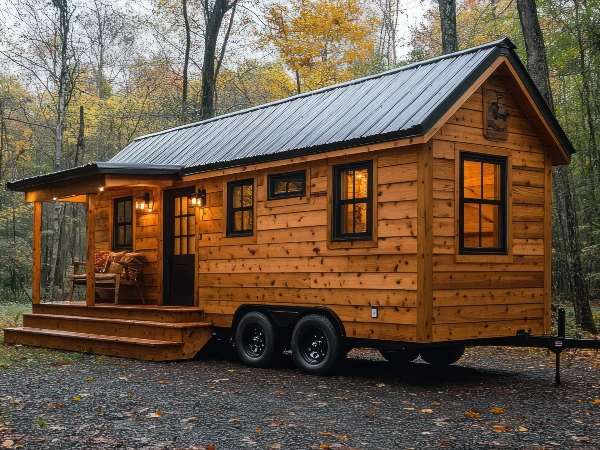
RVs Drop Fast, Tiny Homes Hold Steady
The depreciation comparison reveals a stark difference. RVs lose 38-44% of their value over seven years, while tiny homes on wheels lose 30-40% of their value. Tiny homes on permanent foundations buck the trend entirely; they can actually gain 5-15% in value.
What Value Loss Looks Like in Real Dollars?
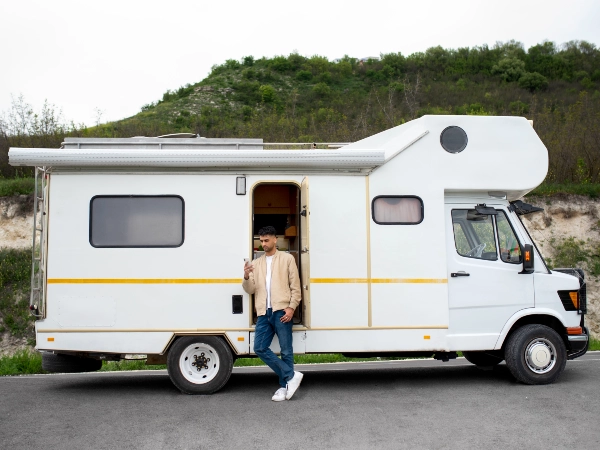
A Class A RV purchased for $120,000 drops to around $67,000 after seven years, a $53,000 hit. Travel trailers follow a similar pattern, shedding roughly 38% over the same timeline. Tiny homes on wheels hold value better but still depreciate. Tiny homes on foundations can maintain or increase in value.
The Bottom Line: $10K-$30K Difference
For most buyers, this difference equals $10,000-$30,000 in retained equity, money that either stays in your pocket or disappears based on which option you choose.
Year-by-Year: How RVs Lose Value?

The Steepest Drop Happens Fast
RV depreciation rates hit hardest in the first year—you lose 20% the moment you drive off the lot. By year three, total depreciation reaches 26-30%. After seven years, you’re looking at 38-44% of your original investment gone.
How Each RV Type Loses Value?

Different RV types lose value at different speeds. Class A depreciation is the steepest, dropping 36% in just five years.
Travel Trailers Win, But Not By Much
Travel trailer value holds up slightly better than luxury motorhomes, but every RV type follows the same painful downward curve.
Year-by-Year: How Tiny Homes Hold Up?

Wheels vs. Foundation: Two Different Stories
Tiny homes on wheels depreciate like RVs, losing 20-30% in the first year. Foundation-based tiny homes behave like real estate; they can maintain or even gain value over time. The tiny home resale value depends entirely on which type you choose.
Build Quality Changes the Game

With an average tiny home costing $67,000, materials matter more than with RVs. Steel frames and treated wood slow depreciation significantly. A well-built tiny home with premium materials can retain 70-80% of its value after seven years, while cheaper builds drop faster.
Location Drives Tiny Home Appreciation
Where you park or build determines everything. A tiny home on owned land with a foundation can appreciate just like a traditional house. The same unit on wheels in an RV park loses value yearly. Location changes the tiny home resale value by 30-50% over the foundation vs wheels debate.
The Real Money: What $75,000 Becomes in 7 Years?

Starting Point: Same $75,000 Investment
Let’s run the numbers on RV vs tiny home cost using the same starting price. Here’s what your investment value looks like after seven years across each scenario.
RV scenario: Your $75,000 drops to $42,000-$46,500 (44-38% depreciation). You lose $28,500-$33,000.
Tiny home on wheels: Your $75,000 becomes $45,000-$52,500 (40-30% depreciation). You lose $22,500-$30,000.
Tiny home on foundation: Your $75,000 grows to $75,000-$86,250 (0-15% appreciation). You lose nothing or gain $11,250.
The Depreciation Comparison Bottom Line
The investment value gap is staggering. Between an RV and a foundation tiny home, you’re looking at a $28,500-$44,250 difference after seven years. Even tiny homes on wheels beat RVs by $3,000-$10,500. That’s real money that either builds equity or evaporates based on your choice.
Why RVs Drop in Value So Fast?

Built for the Road, Not the Long Haul
RV depreciation factors start with design philosophy. RVs are built for mobility, not durability. Corrugated aluminum siding and lightweight framing help with fuel efficiency, but wear out faster than residential siding. These aren’t homes, they’re vehicles that happen to have beds and kitchens.
Materials That Can’t Handle Daily Life

RV construction quality prioritizes weight over longevity. Cabinets and appliances are built for occasional weekend use, not full-time living. Countertops crack, floors warp, and systems fail when you actually live in an RV year-round. The materials simply can’t take the stress.
Market Flooding and Tech Obsolescence
The 2024-2025 market is flooded with pandemic-era RVs as people return to normal life. This glut crushes RV resale values. Add rapidly outdated technology, backup cameras, entertainment systems, and solar setups, and you’re watching your investment evaporate in real time.
What Makes Tiny Homes Hold Value Better?

Real Home Materials, Real Home Longevity
Tiny home construction uses standard residential materials, the same stuff that goes into traditional houses. Steel frames and treated wood last 30-50 years, not the 10-15 years you get from RV frames. High-quality insulation and windows reduce wear by protecting the structure from temperature swings and moisture damage. These quality materials mean tiny home durability rivals conventional homes.
Foundation Changes Everything

Foundation models act like real estate, appreciating with the local housing market. They’re permanent structures, not vehicles, which fundamentally changes how buyers and lenders view them. This shifts your tiny home from a depreciating asset to a potential investment property.
Certification Creates Confidence
The resale market for tiny homes is smaller but attracts higher-quality buyers who understand the value. NOAH certification proves your tiny home meets construction standards, making resale easier and commanding premium prices that protect your investment.
Hidden Costs That Speed Up Depreciation

Monthly Fees That Drain Your Investment
RV park fees run $250-$1,500 monthly, eating into the money you could save for maintenance. These RV maintenance costs add up to $3,000-$18,000 yearly, money that never improves your asset’s value. For tiny homes, land costs hit differently: buying acreage runs $5,000-$18,000 per acre upfront, but you own appreciating real estate.
The Silent Killer: Water Damage

Water damage ruins value faster than anything else. One roof leak in an RV can drop resale price by $5,000-$15,000. Tiny homes with proper construction handle moisture better, but neglected units suffer the same fate.
Maintenance You Can’t Skip
Poor maintenance kills resale prices for both options. Skipping annual maintenance, $800-$2,000 for RVs, $500-$1,200 for tiny homes, compounds into major depreciation factors. Moving costs ($2,000-$8,000) add another hit every time you relocate, either option.
Which Brands Hold Value Best?

Top RV Brands for Resale Value
Jayco RVs ranked #1 for resale value in 2024-2025, holding 10-15% more value than competitors. Airstream travel trailers command premium prices; 20-year-old models sell for 60-70% of their original cost. Winnebago Class C models retain 62-66% after five years. Grand Design produces quality, with owners reporting 5-10% better returns than competitors.
Why These Best RV Brands Win?

Superior construction, better warranties, and strong reputations protect RV resale value. These brands use thicker walls, better insulation, and residential-grade appliances that last longer.
Tiny Homes: Builder Reputation Beats Brand Names
Custom tiny home builders matter more than brands for quality tiny homes. Look for NOAH-certified builders with 5+ year track records. Builder reputation, material quality, and craftsmanship determine resale value, not logos.
How to Slow Down Value Loss (For Both)?

Skip the Biggest Loss Upfront
Buy used to skip the 20% first-year hit. Let someone else absorb that initial depreciation, then purchase a 2-3 year old model in excellent condition. You’ll protect RV value immediately and start with 80% equity instead of zero.
Maintenance Tips That Protect Your Investment

Follow these maintenance steps to slow depreciation:
- Schedule annual professional inspections ($200-$400) to catch problems early
- Seal roofs and check for leaks every six months
- Service HVAC, plumbing, and electrical systems yearly
- Keep detailed maintenance records to show buyers
- Use indoor storage to prevent weather damage, save 5-10% in value loss
Turn Your Asset Into Income
Quality renovations can increase value by 10-20% when done right—updated kitchens and bathrooms deliver the best returns. Rent it out on platforms like Outdoorsy or Airbnb to offset costs. An income of $500-$2,000 monthly covers maintenance and slows the depreciation burn.
The Market Reality in 2025

RV Market 2025: A Buyer’s Paradise
The RV market stabilized after the pandemic boom collapsed. Dealers are desperate, offering 20-30% discounts on new models to clear inventory. Used RV inventory is high, pushing prices down another 10-15% below normal depreciation curves. If you’re buying, current prices are the lowest they’ve been in five years.
Tiny Home Trends: Niche But Growing

The tiny home market remains niche but steady. About 10,000 tiny homes exist in the US, a tiny fraction compared to millions of RVs. This smaller market means fewer buyers when you sell, but also less competition and better price stability. Demand continues to grow as housing costs push people toward alternatives.
What does This mean for Your Investment?
Right now favors RV buyers short-term, but tiny homes offer better long-term value retention. The flooded RV market creates immediate deals but signals continued depreciation ahead.
My Verdict: Which Is the Better Investment?

For Pure Mobility: RV Wins Despite the Hit
If you plan to move every few weeks or months, an RV or tiny home debate isn’t really a debate; RVs win. Yes, you’ll lose 38-44% over seven years, but you get complete mobility, hookups at thousands of parks, and the ability to drive away tomorrow. The depreciation is the price of freedom. For full-time travelers, this makes sense despite the financial loss.
For Staying Put: Foundation Tiny Home Is the Clear Winner

If you’re planting roots for 5+ years, a foundation tiny home is the best investment by far. You’re not just avoiding depreciation, you’re building equity. That $75,000 investment can grow to $86,250 instead of shrinking to $42,000. The depreciation winner is obvious when you compare a 15% gain versus a 44% loss. That’s a $44,250 difference in your pocket.
For Flexibility: Tiny Home on Wheels Splits the Difference
You want to move occasionally but not constantly. A tiny home on wheels offers a middle ground. You’ll still face 30-40% depreciation, but you save $3,000-$10,500 compared to an RV over seven years. You can relocate when needed without the constant wear of highway driving. It’s not the best financial choice, but it balances mobility with value retention.
Initial Cost vs Long-Term Value: The Real Comparison

Initial costs run similarly, $60,000-$80,000 for either option. But long-term value diverges dramatically. After seven years, your RV investment becomes a $28,500-$33,000 loss. A tiny home on wheels loses $22,500-$30,000. A foundation tiny home? You break even or profit.
When Money Isn’t Everything?
Some lifestyle factors matter more than depreciation. If waking up in a different national park monthly brings you joy, the RV’s value loss might be worth it. If stability and equity building matter most, choose the foundation tiny home. Run the numbers, but also run the lifestyle calculations. The best investment is the one you’ll actually use and enjoy.
