
Gardeners everywhere struggle with the same frustrations of wilted plants, stubborn weeds, and produce that never quite lives up to expectations. Many people assume successful gardening requires years of experience or expensive tools, but experienced gardeners know better.
They’ve discovered that the most effective solutions often come from surprisingly simple tricks using everyday household items. These aren’t complicated techniques found in expensive gardening books. They’re practical shortcuts that anyone can master in minutes.
Using the coffee grounds that transform soil or unexpected uses for pool noodles, these are the 30 secret garden hacks that work and help gardeners achieve better results with less effort and money.
30 Secret Garden Hacks That Actually Work

1. Use Citrus Peels as Biodegradable Seed Starters
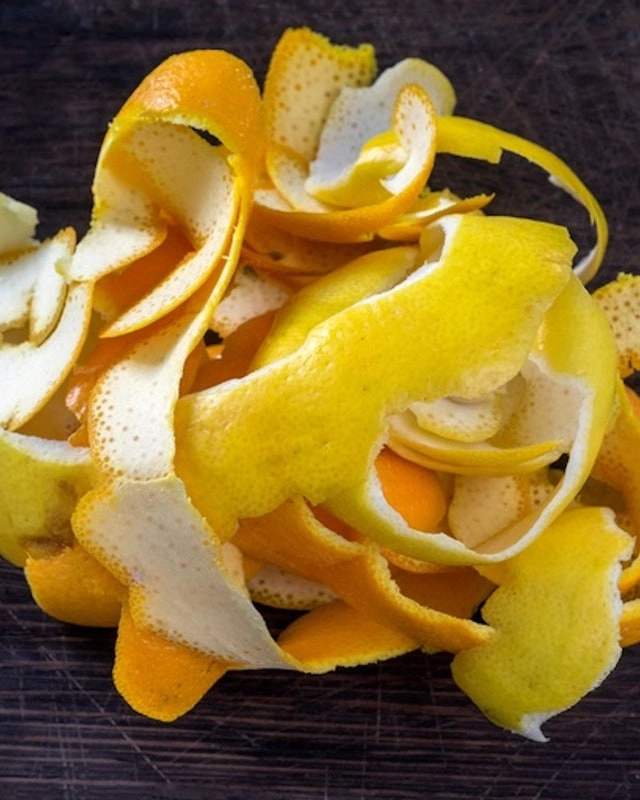
Starting seeds doesn’t require fancy pots. Leftover citrus halves, such as oranges, lemons, or grapefruits, make excellent natural containers. Scoop out the fruit, poke a small drainage hole in the bottom, and fill them with potting soil. Drop in a seed, water lightly, and place it in a sunny spot.
Once seedlings have sprouted and grown strong enough, plant them directly in the ground. The peels decompose over time, enriching the soil with organic matter. This method also works for small plants.
Citrus peels also deter pests, giving young plants extra protection. It’s also a great way to reduce kitchen waste. Just make sure the peels aren’t too thick, or they may take longer to break down. Rotate them occasionally to prevent mold if indoors.
2. Eggshell “Tea” for a Calcium Boost

Tomatoes and peppers often suffer from blossom end rot due to calcium deficiency. Instead of tossing eggshells, turn them into a nutrient-rich tea. Crush clean, dry shells into small pieces and steep them in boiling water for 24 hours. Strain the liquid and use it to water plants.
The calcium dissolves into the water, making it easier for plants to absorb. Apply this every few weeks during the growing season. Leftover crushed shells can also be sprinkled around the base of plants to deter slugs.
This hack is cheap, effective, and reduces waste. Just avoid overdoing it, as too much calcium can affect soil pH. For best results, combine with balanced fertilization.
3. Grow Plants in a DIY Self-Wicking Bucket

Thirsty vegetables, such as cucumbers and tomatoes, require consistent moisture. A self-wicking bucket keeps roots hydrated without daily watering. Take a 5-gallon bucket, drill a hole near the bottom, and insert a PVC pipe or fabric wick. Fill the bottom with gravel or sand, and then add soil on top.
Water poured into the pipe travels upward through the wick, keeping the soil evenly moist. This imitates natural groundwater movement, reducing the risk of over- or underwatering. It’s especially useful in hot climates where the soil dries quickly.
Setups like this require little maintenance once set. Just refill the reservoir when needed. Larger plants may need a bigger container, but the principle stays the same.
4. Bury a Sponge in Pots to Retain Water

Container plants dry out faster than garden beds. A simple sponge buried near the roots acts as a water reservoir. Use a natural sponge to avoid synthetic materials breaking down in soil. Soak it fully before planting, and then place it at the bottom of the pot.
As the soil dries, the sponge slowly releases moisture. This helps prevent sudden dehydration between waterings. It’s especially helpful for plants like ferns or peace lilies that prefer consistent dampness.
Sidestep using sponges with added chemicals or soap residues. Check soil moisture regularly because sponges extend hydration, but don’t replace proper watering habits.
5. Plant in Bottles for a Mini Greenhouse Effect

Delicate seedlings need warmth and humidity. Cut the bottom off a clear bottle and place it over young plants. The glass traps heat and moisture, creating a microclimate that speeds up growth.
This works for herbs, lettuce, or flowers prone to cold damage. Remove the bottle on sunny days to prevent overheating. Once plants outgrow the space, transplant them.
Glass bottles also protect against wind and pests. Just confirm proper ventilation by tilting the opening slightly. It’s a low-cost alternative to plastic cloches.
6. Rubber Mulch to Deter Slugs & Snails

Slugs and snails can devastate a garden overnight, but they hate crossing rough surfaces. Shredded rubber mulch creates an uncomfortable barrier they’ll evade. Spread a thick layer around vulnerable plants like hostas, lettuce, or strawberries.
Unlike organic mulch, rubber doesn’t decompose, so it lasts for years. It also helps retain soil moisture and suppresses weeds. Just make sure it’s clean and free of metal fragments if recycled from old tires.
Some gardeners worry about chemicals leaching into soil, but most modern rubber mulch is treated to be plant-safe. If concerned, use it only around ornamentals rather than edibles.
7. Spray Cinnamon Water to Kill Fungus Gnats

Tiny fungus gnats buzzing around seedlings are more than just annoying. Their larvae damage roots. Cinnamon is a natural antifungal that disrupts their life cycle. Mix a tablespoon of cinnamon powder into a quart of warm water, let it steep overnight, then strain and spray the soil surface.
The strong scent repels adult gnats, while the antifungal properties kill off the fungus they feed on. Repeat every few days until the infestation clears. This works for small indoor setups or greenhouse seedlings. For severe cases, let the soil dry out between watering because gnats thrive in damp conditions.
8. Plant Garlic Near Roses to Repel Aphids

Aphids love roses but can’t stand garlic. Planting a few cloves around rose bushes masks the scent that attracts these pests. Garlic’s sulfur compounds act as a natural repellent, reducing the need for chemical sprays.
Put cloves about 6 inches from the rose stems to avoid competition for nutrients. As garlic grows, it also deters other pests like Japanese beetles. For stubborn influxes, make a garlic spray by blending cloves with water, straining, and spritzing leaves. The smell fades quickly for you but lingers long enough to bother aphids.
9. Use Leftover Coffee Filters in Pots to Prevent Soil Leakage

Drainage holes are vital, but they often let soil wash out during watering. Lining the bottom of pots with coffee filters keeps dirt in while allowing water to flow freely. This trick is especially handy for houseplants or hanging baskets.
Filters also block pests like fungus gnats from entering through drainage holes. They decompose slowly, so they won’t clog the pot long-term. If repotting, just toss the old filter into compost. If you do not have coffee filters. Use paper towels or a thin layer of moss.
10. Banana Peel “Fertilizer Bombs” for Flowering Plants

Roses, hydrangeas, and other bloomers crave potassium for vibrant flowers. Instead of throwing banana peels, dry them in the sun or oven, then grind them into a powder. Bury a spoonful near the plant’s roots for a slow-release nutrient boost.
Fresh peels can attract pests, so drying is the key. Otherwise, soak chopped peels in water for a week to make potassium-rich “tea” for watering. Banana peels also contain phosphorus and magnesium, promoting strong roots and foliage. It’s a simple way to recycle kitchen scraps into garden gold.
11. Add Charcoal to Potting Soil for Better Drainage

Wet soil can suffocate roots and lead to rot, especially in containers. A handful of horticultural charcoal mixed into potting soil keeps humidity balanced while improving airflow. The porous texture absorbs excess water and slowly releases it as the soil dries.
Charcoal also filters out impurities and reduces odors, making it great for indoor plants. Use activated or lump charcoal that contains additives. Aim for a 1:10 ratio with potting mix for best results.
This trick works wonders for moisture-sensitive plants like succulents, orchids, and herbs. Roots stay healthier, and fungal issues become less likely. Just refresh the charcoal every year or two when repotting.
12. Soak Seeds in Chamomile Tea Before Planting

Germination can be hit or miss, but chamomile tea gives seeds a head start. Its mild antifungal properties protect against damping-off disease. Steep a bag in warm water, let it cool. After that, soak seeds for a few hours before sowing.
The tea softens tough seed coats, helping water penetrate faster. This works for slow starters like parsley, carrots, and beans. After planting, use leftover tea to water seedlings for continued protection.
Avoid over-soaking. 4 to 12 hours is plenty. Too long can drown seeds. For extra insurance, sprinkle dried chamomile flowers on the soil surface to deter mold.
13. Turn an Old Ladder into a Vertical Herb Garden

A wooden ladder leaning against a wall becomes instant shelving for potted herbs. Paint or stain it to match your décor. Arrange mint, thyme, and basil on the rungs. The angled design lets plants flow naturally. Raising them off the ground deters pests.
Place sun-lovers like rosemary on top, shade-tolerant parsley below. If the ladder’s unstable, secure it with hooks or weights. For a rustic look, replace missing rungs with planks or wire baskets. It’s a flexible system. Move pots seasonally or bring the whole setup indoors for winter.
14. Use Pool Noodles to Protect Garden Edges

Tender seedlings can get bruised by rough garden borders. Slit a pool noodle lengthwise and slip it over the edges of raised beds, trellises, or fencing. The foam cushions plants from wind damage and prevents scrapes when tending crops.
Bright colors make garden boundaries visible, reducing accidental trampling. Cut noodles into shorter segments to line greenhouse shelves or protect delicate vines like peas. When winter comes, store them dry to reuse next year. They’re cheaper than commercial edge guards and just as effective.
15. Grow Strawberries in PVC Pipes for a Clean, Pest-Free Harvest

Strawberries grown on the ground often rot or get eaten by bugs. A PVC pipe planter keeps them elevated and clean. Drill 3-inch holes along the length of a wide pipe, fill it with soil, and plant runners in each opening.
Mount the pipe horizontally on posts or a frame. Water them through the top. The excess water drains out of the ends. The smooth surface stops slugs, and berries dangle free of dirt.
This method saves space and makes picking easier as no bending is required. Just warrant full sun and rotate the pipe occasionally for even growth.
16. Use a Wine Bottle as a Slow Dripper

Keeping plants hydrated doesn’t have to be complicated. An empty wine bottle can become a simple self-watering tool. Fill it with water, quickly flip it upside down, and push the neck into the soil near the plant’s roots. Gravity does the rest, allowing water to seep out slowly as the soil dries.
This method is for potted plants or garden beds that need consistent moisture. It’s especially helpful during hot spells when the ground loses water fast. Glass bottles are better than plastic because they don’t degrade in sunlight.
For larger plants, use two or three bottles to guarantee even hydration. Just make sure the soil is loose enough so water flows steadily. If it drains too fast, mix in some compost to improve moisture retention.
17. Bury a Terracotta Pot Near Plants for Targeted Watering

Ancient gardeners used clay pots to water crops efficiently. This old trick, called olla irrigation, still works today. Bury an unglazed terracotta pot next to plants, leaving the rim slightly above the soil. Fill it with water, and the porous clay will release moisture slowly into the roots.
Unlike surface watering, this method prevents evaporation and delivers hydration exactly where it’s needed. Plants develop deeper roots searching for a steady supply, making them more drought-resistant. For bigger gardens, space several pots about two feet apart. Cover the opening with a stone or lid to keep mosquitoes out.
18. Freeze Water in Plastic Bottles to Keep Potted Plants Cool & Hydrated

Summer heat can stress potted plants, but frozen water bottles offer a quick fix. Fill plastic bottles three-quarters full. Freeze them. Bury one sideways near the roots of a plant. As the ice melts, it cools the soil and provides a steady water supply.
This trick prevents roots from overheating, which can hinder growth. It also reduces the need for frequent watering. Use smaller bottles for delicate plants and larger ones for big containers. Avoid placing ice directly against stems to prevent shock. If the bottle melts too fast, wrap it in a towel to slow the process.
19. Crushed Aspirin Water for Stronger Plants

A single aspirin tablet can increase plant health. Dissolve one crushed tablet in a gallon of water. Spray it on leaves or soil. The salicylic acid in aspirin helps plants resist diseases and grow stronger. This mimics a plant’s natural defense response.
Tomatoes, peppers, and roses respond especially well. Avoid overuse, as too much can harm delicate seedlings. Store-bought plant boosters often contain similar compounds, but aspirin is cheaper and just as effective.
20. Bury Fish Heads Under Tomato Plants
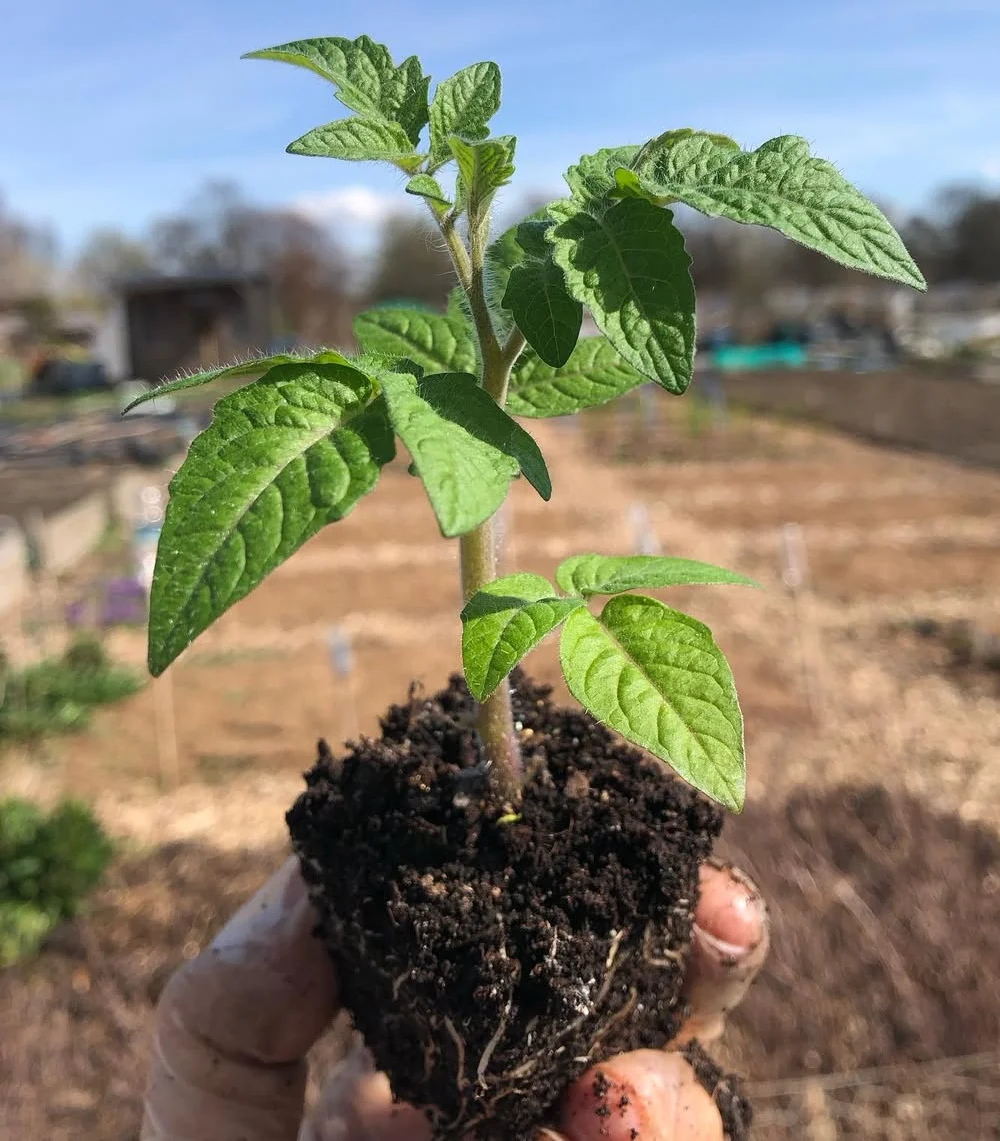
Fish heads might seem like an odd garden addition, but they’re packed with nutrients. Bury one at the bottom of a tomato planting hole before adding the seedling. As it decomposes, it releases nitrogen, phosphorus, and calcium, that is the key elements for growth.
This natural fertilizer promotes strong roots and vibrant fruit. The slow breakdown feeds plants for months. Bury deep enough to avoid attracting pests. If fish heads aren’t available, use fish scraps or a diluted fish emulsion. Tomatoes thrive on this extra nutrition, often producing bigger, sweeter harvests.
21. Add Mycorrhizal Fungi to Roots for Faster Growth
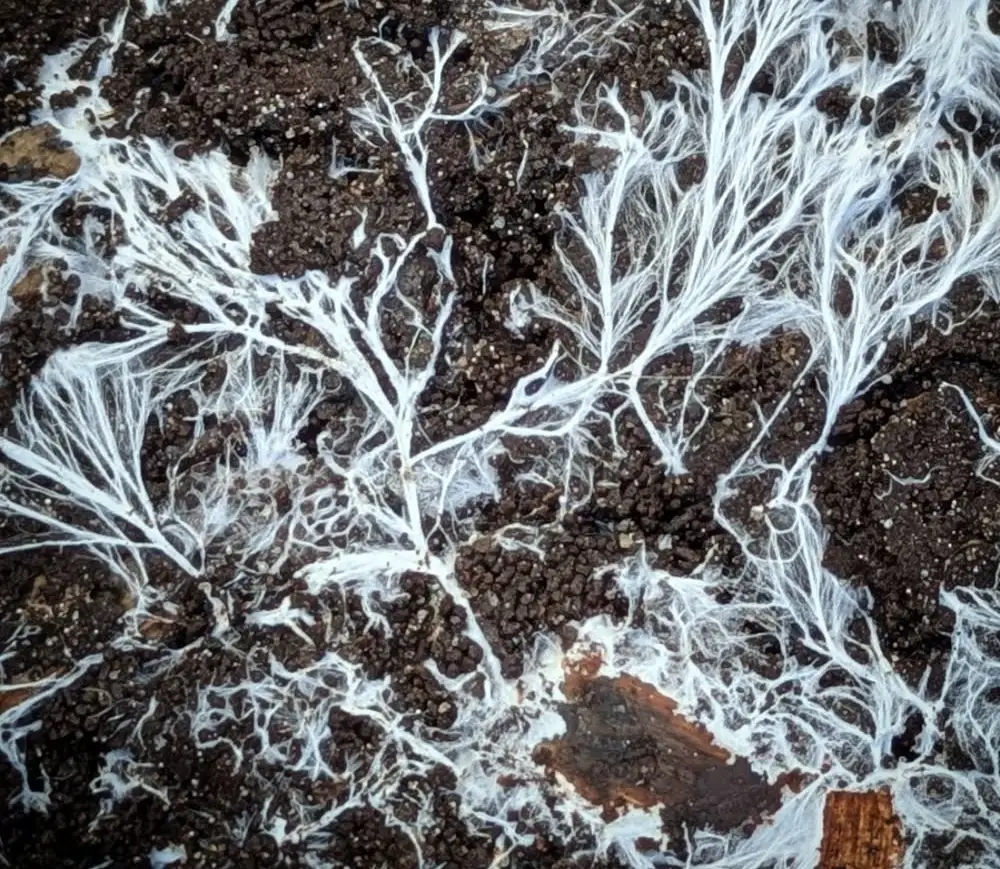
Healthy soil is full of life, and mycorrhizal fungi are some of the most helpful underground allies for plants. These tiny organisms form a symbiotic relationship with roots, extending their reach and helping them absorb nutrients like phosphorus and nitrogen more efficiently.
To use them, sprinkle a powdered or granular form into the planting hole before placing seedlings. The fungi attach to the roots, creating a network that acts like an extension of the plant’s system. This leads to stronger growth, better drought resistance, and even improved disease resistance.
Unlike synthetic fertilizers, mycorrhizal fungi improve soil health over time. Once presented, they multiply naturally, reducing the need for repeat applications. A single treatment can make a noticeable difference in plant vitality.
22. Hang Shiny CDs to Scare Away Birds

Birds love ripe fruit as much as gardeners do, but reflective surfaces can keep them at bay. Hanging old CDs or aluminum pie pans near fruit trees or berry bushes creates flashes of light and movement that deter feathered thieves.
The unpredictable reflections copy predators, making birds uneasy. Put them a few feet apart so sunlight catches them from different angles. For extra effectiveness, let them spin freely in the breeze.
This trick works well for cherries, grapes, and strawberries. Unlike nets, which can trap birds, CDs are harmless and reusable. If CDs aren’t available, try metallic streamers or even small mirrors.
23. Plant Marigolds in Vegetable Beds to Repel Nematodes

Marigolds aren’t just pretty; they’re powerful pest fighters. Their roots release a natural compound called alpha-terthienyl, which suppresses harmful nematodes in the soil. These microscopic worms attack plant roots, stunting growth and reducing yields.
Plant the French marigolds between tomatoes, peppers, or cucumbers. Let them grow for at least two months before removing them so their roots have time to work. The flowers also attract pollinators while deterring other pests like whiteflies.
Unlike chemical treatments, marigolds improve soil health without harsh side effects. After the season ends, chop the plants and compost them to enrich the bed further.
24. Use Duct Tape to Remove Tiny Pests

Aphids and spider mites can quickly overrun plants, but duct tape offers a simple, pesticide-free fix. Wrap a piece around your hand, sticky side out, and gently press it onto infested leaves. The tape lifts off the tiny bugs without damaging foliage.
This works for light infestations on sturdy leaves like peppers or roses. Check plants weekly and repeat as needed. For larger pests like whiteflies, try yellow sticky traps instead. There is no need for harsh sprays; just a few passes with tape can keep small pests under control.
25. Turn a Shoe Organizer into a Vertical Herb Garden

A hanging shoe organizer with pockets makes an excellent vertical garden. Fill each pocket with potting mix, and plant herbs like basil, thyme, or mint. Hang it on a balcony railing, fence, or sunny wall. The fabric allows drainage, but poking small holes in the bottom prevents waterlogging.
Since herbs have shallow roots, they flourish in this setup. It’s an affordable way to grow a lot in a small area. Plus, the elevated design keeps pests away and makes harvesting easy.
26. Grow Microgreens in Takeout Containers

Those clear plastic takeout containers cluttering your kitchen have a secret second life as microgreen nurseries. The low depth is just right for growing nutrient-packed greens, while the clear lid acts as a humidity dome to speed up germination.
Start by poking drainage holes in the bottom, then fill with an inch of potting mix. Scatter seeds densely across the surface. Lightly cover with soil, mist with water, and snap the lid on. In 3-5 days, you’ll see sprouts. Remove the lid once they emerge, and harvest in 10-14 days with scissors.
Microgreens pack more vitamins than mature plants, and takeout containers make the process nearly foolproof. Rinse and reuse the containers for multiple batches. No special trays or grow lights needed; just a sunny windowsill.
27. Use Old Tires as Heat-Trapping Potato Planters

Potatoes love warm soil, and stacked tires create the perfect insulated environment for early crops. The black rubber absorbs sunlight, heating the soil inside faster than ground planting. This trick can give you potatoes weeks ahead of traditional methods.
Place one tire on well-drained soil and fill it with the compost-rich mix. Plant 2-3 seed potatoes, cover lightly. When plants grow 6 inches tall, add another tire and more soil, leaving just the top leaves exposed. Repeat until you have 3-4 tires stacked.
The layers encourage more tuber formation along the buried stems. Come harvest time, simply dismantle the stack to reveal clean, easy-to-gather potatoes. Old tires that would’ve sat in a landfill instead become productive garden tools.
28. Store Seeds in Silica Gel Packs to Extend Viability

Those little “Do Not Eat” packets that come with shoes and electronics are a gardener’s secret weapon. Toss a few silica gel packs into your seed storage jar to absorb moisture and prevent mold. Dry seeds last longer than those stored in humid conditions.
Use an airtight container with silica packs at the bottom. Layer seeds in paper envelopes or small cloth bags as they trap moisture. Keep the container in a cool, dark place. Check packs every few months; if they change color, refresh them by baking at 200°F for two hours. This method works great for tomato, pepper, and bean seeds.
29. Harvest Lettuce Like a “Cut-and-Come-Again” Crop

Lettuce doesn’t need to be harvested all at once. With the right technique, one planting can yield multiple harvests. Use scissors to snip outer leaves about an inch above the base, leaving the center intact. The plant will regrow in 7-10 days.
This works with loose-leaf varieties like oakleaf or buttercrunch. Avoid cutting into the crown; that’s where new growth emerges. For continuous supply, plant new seeds every two weeks. A 3-foot row can keep a family in salads all season with just this simple cutting method.
30. Use a Straw to Prevent Squash Bugs from Laying Eggs

Squash bugs target the tender stems of zucchini and pumpkins, but a simple drinking straw can block their access. Slit a plastic straw lengthwise and wrap it around the base of young plants. Secure with twine or tape, leaving room for growth.
The smooth plastic surface prevents bugs from attaching their bronze-colored egg clusters. For larger plants, use pool noodles cut into sections. This physical barrier is safer than pesticides and won’t harm pollinators. Check stems weekly and replace straws as plants thicken; it’s a small effort that saves entire crops from these destructive pests.
