You spend hours planting seeds, watering seedlings, and waiting for flowers, only to start from scratch next season. It’s exhausting, expensive, and completely unnecessary.
Some plants handle the hard work. They drop their seeds, survive the cold, and return even stronger when warm weather arrives. There is no extra effort or added cost; just a self-renewing garden that gets better with time.
Find out about a garden that flourishes on its own, giving you more beauty with less work. Remember these 19 vibrant, self-seeding plants that return every year and keep your outdoor space flowering effortlessly year after year.
19 Vibrant Self-Seeding Plants That Return Every Year
1. Calendula

Calendula is a bright and cheerful plant that brings a splash of golden-orange color to gardens with minimal effort. These flowers flourish in full sun but accept partial shade, which makes them adaptable to different growing conditions. Once planted, they drop seeds that sprout the following year, providing a continuous display.
The petals are edible and are often used to brighten salads or as a natural dye. Calendula also has a reputation for soothing skin, though its real charm lies in its stability. Poor soil doesn’t stop it from flourishing; it even withstands light frosts.
Bees and butterflies love the nectar-rich blooms, adding life to your garden. Deadheading boosts more flowers, but leaving some spent blooms allows self-seeding. If you want them in specific spots, thin seedlings early. Otherwise, let them spread naturally for a carefree burst of color year after year.
2. Poppies

Few flowers match the delicate beauty of poppies. Their papery petals flutter in the breeze, creating a dreamy effect in any garden. These plants thrive in well-drained soil and full sun, often popping up in unexpected places thanks to their self-seeding nature.
Poppies come in various shades of fiery red, soft pink, and even deep purple. Once they finish blooming, the seed pods dry and scatter tiny seeds. Next spring, new seedlings emerge, sometimes in surprising locations.
These flowers need little care once implanted. Overwatering can harm them, so they’re great for low-maintenance gardens. Pollinators like bees adore them, and their fleeting blooms make each appearance special. For best results, allow some pods to mature and release seeds naturally.
3. Black-Eyed Susan

A classic wildflower, black-eyed Susan adds a bold touch with its golden-yellow petals and dark centers. These plants love sunlight and thrive in almost any soil, even dry or rocky conditions. Once they take root, they return reliably each year, spreading through self-sown seeds.
Their long blooming period lasts from summer into fall, providing steady color. Butterflies and bees flock to them, making them a smart choice for pollinator-friendly gardens.
Shearing them extends flowering, but leaving a few spent blooms ensures new plants next season. They can grow tall, so staking might help in windy areas. Otherwise, they require little attention, making them a favorite for both beginners and experienced gardeners.
4. Columbine

Columbine’s unique, bell-shaped flowers add grace to shady or partly sunny spots. These perennials self-seed freely, often appearing in nooks between rocks or along garden edges. Their blooms come in a range of colors like blue, pink, yellow, and white; sometimes with vivid two-tone combinations.
Hummingbirds love the nectar-rich flowers that add movement and life to the garden. Columbine prefers well-drained soil but adjusts to different conditions once planted. After blooming, the plant forms seed pods that burst open, scattering fresh seeds for next year’s growth.
Even though they are short-lived as individual plants, their self-seeding habit keeps them coming back. Enable some flowers to seed, and you’ll enjoy their delicate charm season after season.
5. Four O’Clock

Accurate to their name, four o’clocks open their blooms in the late afternoon, filling the air with a sweet fragrance. These bushy plants grow quickly, succeeding in full sun or partial shade. Once cultivated, they drop seeds that sprout the following spring, creating a steadfast yearly display.
Flowers come in energetic shades like magenta, yellow, white, and even multicolor. They attract hummingbirds and moths, adding evening stir to the garden. The tubers can also survive mild winters, making them even more persistent.
Four o’clocks need little care beyond periodic watering in dry spells. Allow some flowers to fade and set seed, and they’ll reward you with more plants next year. Their evening blooms and easy-going nature make them a delightful addition.
6. Sweet Alyssum

Tiny white, pink, or purple flowers cloak sweet alyssum, creating a delicate carpet of color. This low-growing plant flourishes in full sun but handles some shade, making it universal for borders, containers, or ground cover. Once installed, it drops seeds that sprout reliably the next year.
The honey-like fragrance attracts bees and butterflies, promoting pollinator activity in your garden. Sweet alyssum blooms from spring until frost, offering long-lasting charm with minimal effort. It accepts poor soil and drought once settled in, though infrequent watering keeps it rampant.
Sow some flowers in fall, and new plants will appear in spring. If they spread too much, thin seedlings early, or transplant them where you want more color. Sweet alyssum is easy to grow and quick to fill empty spaces ,it is a must for low-maintenance gardens.
7. Larkspur

Tall spikes of blue, purple, pink, or white flowers give larkspur a notable presence in any garden. These cottage-style favorites love full sun and well-drained soil, where they reseed freely year after year. The delicate, spurred blooms add sheer interest and a touch of wild classiness.
Larkspur blossoms in cooler weather, often blooming in late spring or early summer. Once the flowers wilt, the seed pods burst open and scatter fresh seeds for next season’s growth. Birds sometimes snack on the seeds, but plenty remain to ensure new plants.
These flowers need little care once set. Staking taller varieties prevents them from overturning in strong winds. Let a few plants go to seed, and you’ll enjoy their graceful spikes without replanting.
8. Hollyhocks

Soaring hollyhocks bring old-fashioned charm to gardens with their tall stalks of colorful blooms. These biennials self-seed so reliably that they often return like perennials, popping up along fences or walls. Full sun and decent soil promote the best growth, but they endure tough conditions.
Their large, open flowers attract bees and hummingbirds, adding life to summer gardens. Colors range from soft pastels to deep reds and purples, often with a scenic presence. After blooming, the seed pods dry and release seeds, confirming future generations.
Rust fungus can be an issue in humid climates, but proper spacing improves air flow. Let a few seed pods mature, and hollyhocks will keep gracing your garden with their stately beauty.
9. Cosmos

Cosmos are airy and carefree, and they fill gardens with daisy-like flowers in shades of pink, white, and deep maroon. These sun-loving plants prosper in poor soil, often growing where other flowers struggle. Once they take root, they drop seeds that germinate the following spring.
Butterflies and bees value the nectar-rich blooms, which last from summer until frost. The feathery foliage adds surface, and the tall stems sway gracefully in the breeze. Cosmos needs little attention; overwatering or rich soil can reduce flowering.
Leave some spent blooms to scatter seeds naturally. If they spread too exuberantly, pull unwanted seedlings early. Their effortless beauty makes them a favorite for wildflower gardens and casual landscapes.
10. Love-in-a-Mist

With its complex blue, white, or pink flowers surrounded by lacy foliage, love-in-a-mist adds fancy to any garden. This self-seeding annual prospers in full sun or partial shade, often reappearing in unexpected spots each year. The unique blooms give way to balloon-like seed pods that are as decorative as the flowers.
Bees love the nectar, and the dried seed heads add interest to fall arrangements. The plant grows easily in average soil, needing little care beyond occasional watering in dry spells.
Let some pods mature and split open, and new seedlings will appear the next spring. Its delicate yet flexible nature makes love-in-a-mist an alluring, low-effort addition to cottage gardens and borders.
11. Corn Marigold

Golden-yellow blooms light up the garden like little suns when corn marigolds are planted. This cheery wildflower blossoms in poor, well-drained soil and full sun, which makes it great for tough spots where other plants struggle. Once installed, it drops seeds that sprout new plants year after year.
The daisy-like flowers bloom from early summer through fall, luring pollinators with their bright centers. Unlike picky ornamentals, corn marigold actually prefers neglected areas, as extremely rich soil can make it leggy. It’s drought-tolerant once it sinks in, needing little care beyond occasional watering in extreme heat.
Let some flowers fade and scatter seeds naturally. If they spread too enthusiastically, simply pull unwanted seedlings in spring. For a wild, meadow-like look, let them mix with grasses and other self-seeders. Their subtle charm makes them a winner for low-effort gardens.
12. Feverfew

Clusters of small, white daisy flowers with yellow centers give feverfew a cottage-garden charm. This sturdy perennial often acts like a self-seeding annual, popping up in cracks, borders, and even gravel paths. It grows happily in sun or partial shade and isn’t picky about soil.
The lacy foliage has a sharp scent that deer overlook, making it a sensible choice for problem areas. Pollinators love the blooms, which appear from early summer into fall. Feverfew has a long history in herbal traditions, but its real garden superpower is its ability to reappear without replanting.
Cut back spent flowers to boost more blooms, but leave a few to drop seeds. Thin seedlings in spring if they crowd other plants. Tough yet pretty, feverfew adds a relaxed, natural vibe to gardens.
13. Laceflower

Soft and airy, the laceflower lives up to its name with finely cut foliage and tufts of tiny white or pink blooms. This annual self-seeds freely, often returning in charming drifts along garden edges or between paving stones. It succeeds in full sun to light shade and well-drained soil.
The flowers attract hoverflies and other valuable insects, making it a smart pick for eco-friendly gardens. Despite its fragile appearance, laceflower is surprisingly resilient, tolerating dry spells once sown. The seed heads dry beautifully, adding texture to autumn arrangements.
Let some seeds fall where they are, and new plants will appear the following spring. If they spread too much, simply pull the excess seedlings while small. Its ethereal beauty pairs well with bolder flowers or herbs.
14. Spiderwort

Spiderwort adds a tropical touch to temperate gardens with strappy leaves and lively purple, pink, or blue flowers. This perennial spreads both by seed and underground stems, often naturalizing in moist, partly shaded areas. Each bloom lasts just a day, but new ones keep coming for weeks.
The plant adapts to sun or shade, but flowers best with some morning light. It’s unfussy about soil, though it appreciates consistent moisture. Butterflies visit the blooms, and the upright foliage stays attractive even when not in flower.
To control self-seeding, deadhead spent blooms. If left alone, it forms extending clusters over time. A tough yet showy plant, spiderwort brings long-lasting color to woodland edges and damp spots.
15. Yellow Corydalis
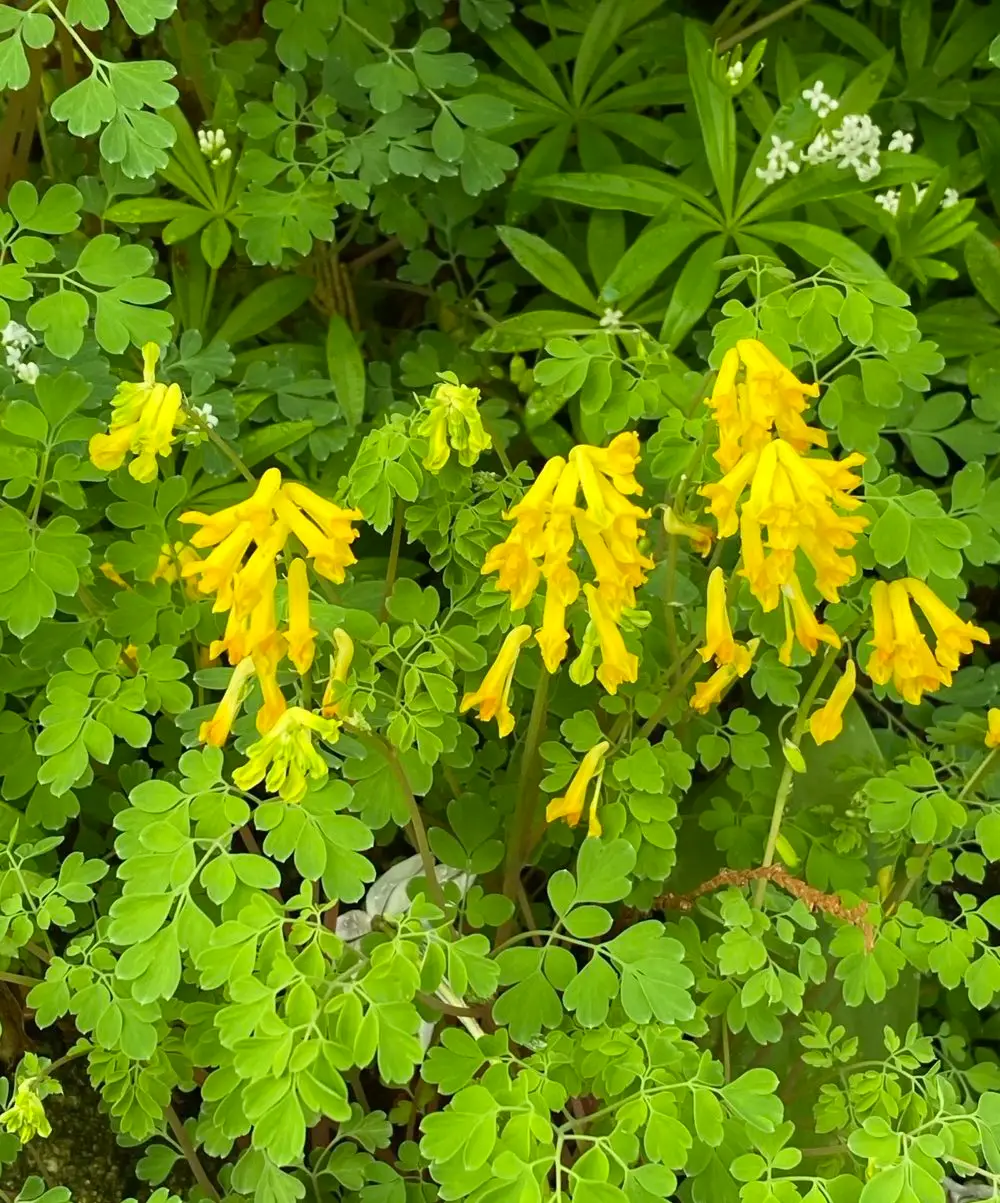
Sunny yellow flowers illuminate shady corners where few other plants bloom so willingly. Yellow corydalis prospers in shade and well-drained soil, often self-seeding into nooks under trees or along stone walls. The fern-like foliage remains attractive even when the plant isn’t flowering.
Blooms appear from spring until frost, with extreme displays in cooler weather. Hummingbirds sometimes visit the tubular flowers, adding activity to quiet garden spots. Unlike some shade lovers, this plant handles dry conditions once set.
Let seed pods mature to secure future plants, or pull unwanted seedlings if they stray too far. Its long bloom time and adaptability make it invaluable for tricky shady areas.
16. Lady’s Mantle

Its soft, scalloped leaves catch morning dew like tiny jeweled cups, making lady’s mantle a magical complement to any garden. This sturdy perennial succeeds in partial shade but handles sun if the soil stays moist. Once nurtured, it readily self-seeds, popping up in surprising places with its frothy clusters of yellow-green flowers.
The foliage stays attractive all season, even when not in bloom. Raindrops bead up on the velvety leaves, creating a sparkling effect that lasts until midday. While it spreads steadily, it seldom interferes; just pull unwanted seedlings if they wander too far.
Lady’s mantle works beautifully as an edging plant or ground cover. It pairs well with roses and other cottage garden favorites, softening hard edges with its mounding habit. Leave some flowers to go to seed, and you’ll enjoy new plants year after year with almost no effort.
17. Honesty

Few plants offer as much seasonal interest as honesty. In spring, clumps of purple or white flowers brighten shady spots, followed by unique, papery seed pods that sparkle like moons in autumn arrangements. This biennial self-seeds so steadily that it often seems like a perennial, returning year after year.
The flat, translucent seed cases give it the nickname “money plant,” and they last for months in dried bouquets. Honesty grows well in shade and average soil, often naturalizing at woodland edges. While the flowers attract early pollinators, the seed heads feed finches through winter.
Let some pods snap open naturally to guarantee future generations. If plants spread too exuberantly, thin out seedlings in spring. Its double allure, fresh spring blooms, and enduring seed displays make honesty a garden jewel.
18. Siberian Wallflower

Exploding into bloom when most spring flowers fade, Siberian wallflower produces fiery orange punch to the garden. This short-lived plant often acts like a self-seeding annual, returning in sunny, well-drained spots. The vibrant flowers smell faintly of honey, enticing bees and early butterflies.
Unlike some wallflowers, this tough Siberian variety resists cold winters and blooms profusely in its second year. It prospers in poor soil, ideal for rock gardens or overlooked corners. The gray-green foliage forms neat mounds that stay tidy all season.
Scatter seeds in the fall for spring germination, or let plants drop them naturally. While individual plants may be short-lived, their offspring will keep the color coming. Pair them with late tulips or creeping phlox for successive blooms.
19. Annual Phlox

A carpet of starry blooms in candy colors is the gift of annual phlox. These Texas natives prosper in full sun, coating the ground with red, pink, purple, or white flowers from late spring through summer. Though technically an annual, they self-seed so generously that they return like clockwork.
The nectar-rich blossoms attract butterflies and hummingbirds. Unlike perennial phlox, this variety stays tight, seldom needing staking. It takes drought once instilled, but blooms longest with occasional watering during dry spells.
Let some flowers fade and drop seeds for next year’s show. Thin crowded seedlings in early spring to prevent mildew. For a bold effect, mass them along pathways or mix colors for a cottage-garden riot.