
A garden’s success depends on billions of microscopic workers operating beneath the surface, breaking down organic matter and feeding plants essential nutrients. These tiny organisms perform critical functions.
They decompose fallen leaves into usable nutrients, fix nitrogen from the air, form beneficial partnerships with plant roots, protect plants from diseases, improve soil structure, and accelerate composting processes.
Understanding how to support these bacterial allies transforms the gardening approach entirely. Healthy soil contains up to one billion bacteria per gram, each contributing to plant growth and soil fertility. Simple changes like adding organic matter, minimizing soil disturbance, and maintaining proper moisture levels create conditions where beneficial bacteria flourish naturally, turning your garden into a self-sustaining ecosystem.
Soil Bacteria – The Natural Secret to a Healthier Garden
Bacteria as Nature’s Recyclers

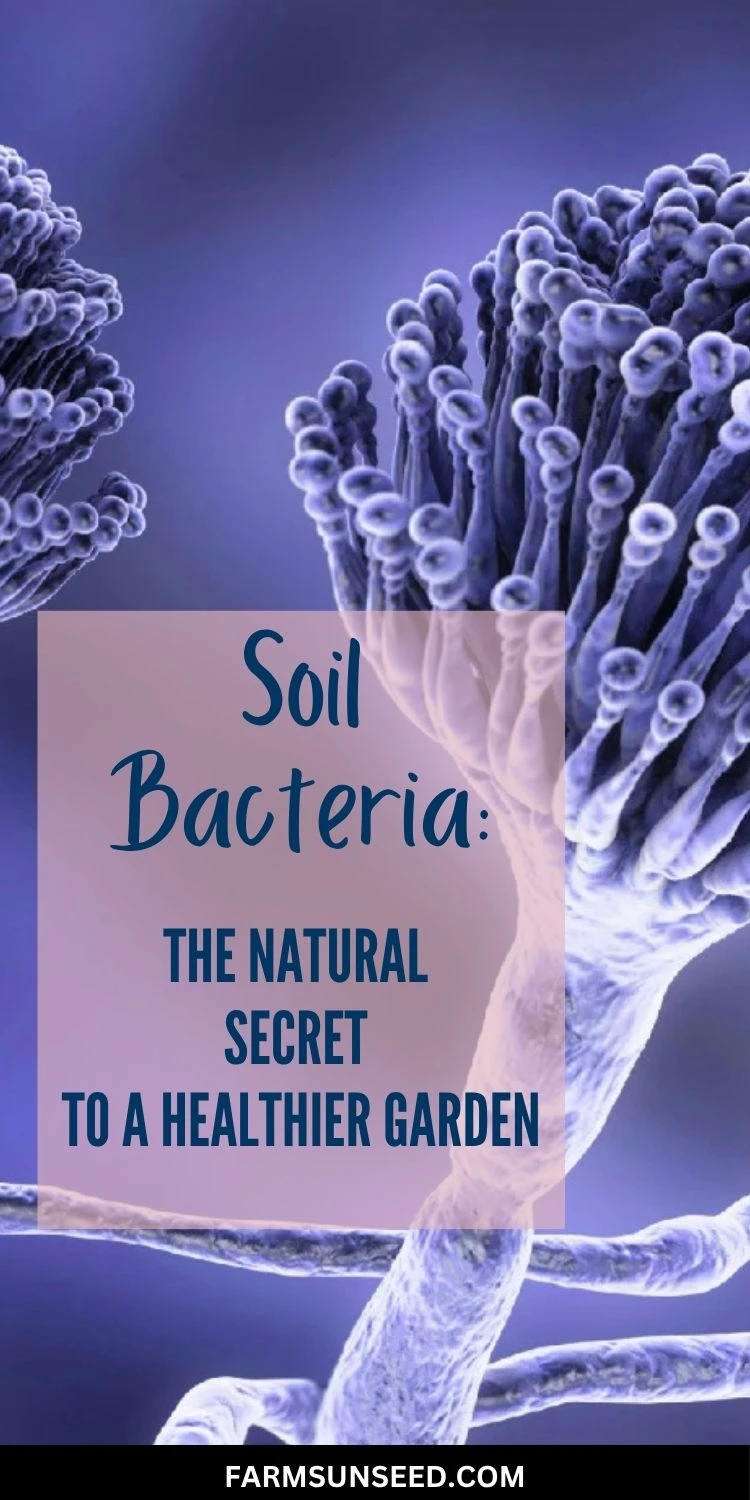
Soil bacteria work as microscopic recycling machines, breaking down dead leaves, fallen branches, and organic matter into nutrient-rich humus. Different bacterial species specialize in decomposing various materials; some handle soft fruit peels while others tackle tough wood and stems. As they work, these tireless decomposers release essential nutrients like nitrogen, phosphorus, and potassium back into the soil where plant roots can easily absorb them.
Without these hardworking microbes, gardens would be buried under piles of dead plant material, and soil would become nutrient-poor. This natural recycling process keeps garden soil rich and fertile year after year, reducing dependence on expensive fertilizers. It’s like having millions of tiny gardeners working continuously to improve soil quality and plant health while transforming waste into treasure.
Bacteria as Soil’s Tiny Chefs

Soil bacteria function like master chefs in an underground kitchen, transforming raw nutrients into forms that plants can easily digest and absorb. These microscopic cooks take nutrients that plants can’t use directly and convert them into plant-friendly compounds. For example, nitrogen-fixing bacteria capture atmospheric nitrogen and convert it into ammonia that roots can absorb, while other species unlock phosphorus trapped in soil particles.
This natural nutrient preparation provides most of the essential elements plants need for healthy growth. Different bacterial specialists work together like a well-organized kitchen staff, continuously operating to guarantee plants always have access to balanced, nutritious meals. This underground restaurant eliminates the need for constant fertilizer additions while maintaining optimal plant nutrition through biological processes.
Bacteria as Roots’ Best Friends
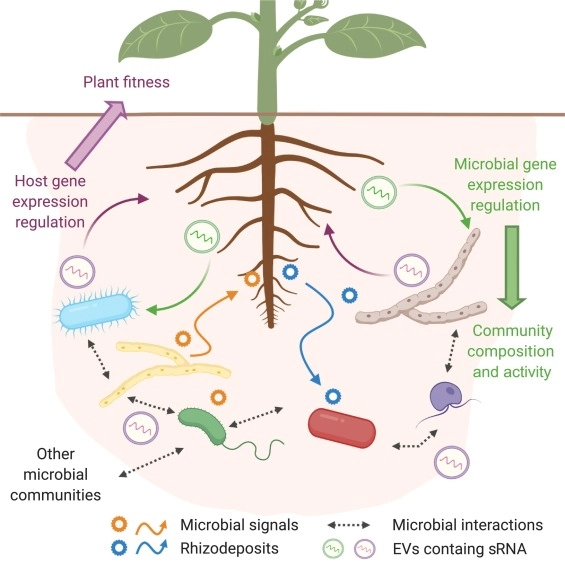
Beneficial bacteria form mutually beneficial partnerships with plant roots that improve growth and nutrition for both organisms. In legumes like beans and peas, Rhizobium bacteria establish nodules on roots where they trade nitrogen fertilizer for plant-produced sugars. Other friendly bacteria act like personal trainers, producing natural growth hormones that strengthen roots and increase branching while helping roots absorb water and nutrients more efficiently.
These bacterial partnerships are so successful that plants with microbial allies often grow bigger, stay healthier, and require less fertilizer than plants without these helpful microbes. The bacteria receive shelter and regular meals from plants, while plants gain better nutrition and protection.
Bacteria as Nature’s Pest Control

Beneficial soil bacteria work like a natural security system, protecting plants from harmful pathogens without chemical interventions. These protective microbes produce natural antibiotics and antifungal compounds that fight off dangerous bacteria and fungi attempting to attack plants. They function as tiny bodyguards stationed around roots, creating invisible barriers that repel troublemakers and harmful insects.
This natural protection system works continuously, adapting to new threats and keeping plants healthy. Supporting these beneficial bacteria reduces the need for chemical pesticides, creating safer garden environments for families, pets, and beneficial insects.
Bacteria as Soil Architects

Bacteria work as microscopic construction workers. They are constantly improving soil structure to create optimal growing environments for plants. These soil architects produce sticky substances that act like natural glue, binding individual soil particles into aggregates that create spaces for air and water movement. This process builds soil like a sponge – solid parts hold nutrients while holes allow roots to breathe and water to flow properly.
Well-structured bacterial soil prevents waterlogging during heavy rains while retaining moisture during dry periods. The improved structure makes it easier for roots to penetrate and spread while preventing soil compaction that restricts growth. This natural soil engineering creates great foundations for healthy plant development.
Bacteria as Compost Accelerators
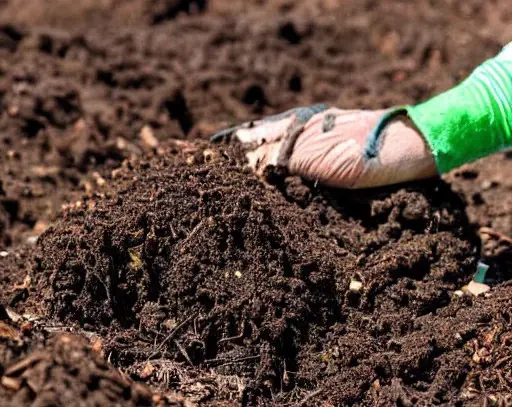
Bacteria are the secret ingredients that rapidly transform kitchen scraps and yard waste into valuable compost through efficient teamwork. Heat-loving bacteria begin by breaking down fresh organic matter while generating temperatures hot enough to kill weed seeds and pathogens. As compost piles cool, different bacterial species take over to complete the decomposition process, working with fungi to create rich, dark humus.
Without these hardworking microbes, composting would take years instead of months. Proper composting bacteria need balanced air, moisture, and organic matter to work efficiently. When conditions are optimal, they transform waste piles into garden-quality soil amendment within months, providing free, high-quality fertilizer while reducing waste and creating valuable garden resources.
Bacteria as Soil Health Meters

Soil bacteria work as natural health monitors, providing accurate information about garden ecosystem conditions. Healthy soil contains thousands of different bacterial species working together harmoniously, indicating optimal growing conditions.
These microbial health indicators respond quickly to soil condition changes, making them more reliable than many chemical tests. Diverse bacterial communities guarantee efficient nutrient processing, disease resistance, and good soil structure. Monitoring these microscopic life forms helps gardeners catch problems early and improve conditions before plants show stress symptoms or poor growth.
Keeping Your Soil Bacteria Happy

Caring for soil bacteria requires creating excellent conditions for these microscopic garden workers to flourish and support plant health. Maintain moist but not waterlogged soil. Add compost regularly to feed bacterial communities. Skip excessive tilling that destroys their organized habitats. Limit chemical fertilizers and pesticides.
Use organic mulch to maintain steady soil temperature and moisture while planting cover crops during off-seasons to keep bacterial communities active and well-fed. When you create good conditions for soil bacteria, they reward you with healthier plants, improved soil structure, natural pest control, and reduced fertilizer needs. This partnership results in more productive, sustainable gardens that practically maintain themselves.
Key Takeaways
Soil bacteria are tiny helpers that make your garden successful. They feed plants, fight diseases, and build better soil naturally. These small workers do jobs that expensive chemicals can’t match.
Help your soil bacteria by adding compost, keeping soil moist, and using fewer chemicals. When you take care of these tiny friends, they reward you with healthier plants and richer soil. Your garden becomes easier to maintain and costs less money. Start by adding compost to your garden. These helpful bacteria are already there; they just need good conditions to do their best work for you.
