
Choosing the perfect soil mixes for every indoor plant is crucial, as most houseplant failures stem from inappropriate growing mediums that trap water, lack nutrients, or restrict root growth. Different plants have detailed soil requirements based on their natural habitats.
Succulents and cacti need fast-draining, sandy mixtures to prevent root rot, while tropical plants like pothos thrive in moisture-retaining soil with good aeration. Standard potting soil works for many common houseplants.
It can be improved with additives such as perlite for enhanced drainage or coconut coir for improved water retention. Understanding plants’ native growing conditions is key to selecting the right soil components.
Perfect Soil Mixes for Every Indoor Plant – The Only Guide You’ll Ever Need
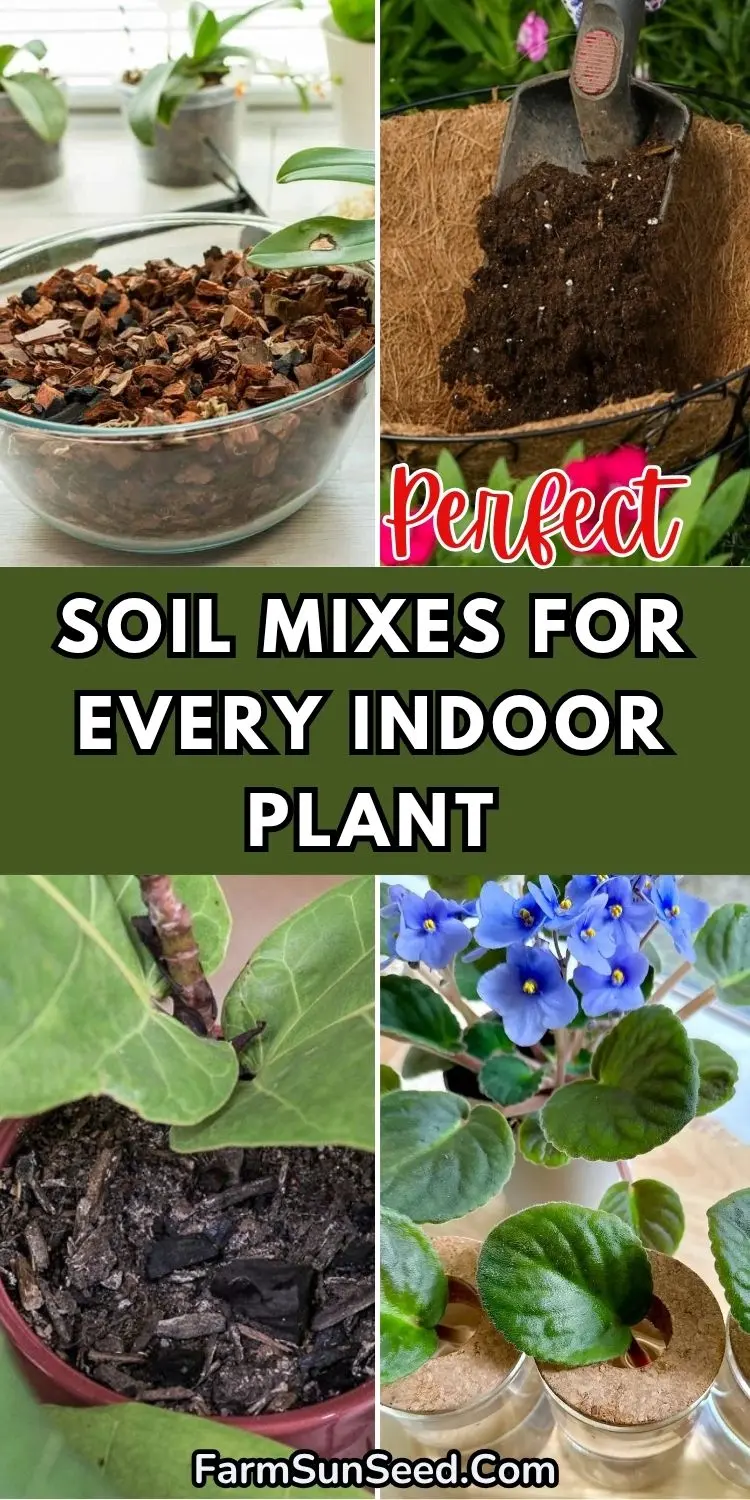
Why Choosing the Right Soil Mix Matters?
Indoor plants encounter distinct obstacles that outdoor plants don’t face. Containerized soil restricts root development and nutrient access. Indoor conditions typically offer reduced humidity and limited air circulation. Your soil composition must balance moisture retention with fast drainage to avoid destructive root rot.
Optimal indoor soil mixtures should:
i. Provide efficient drainage: Prevent water accumulation around roots
ii. Maintain satisfactory moisture: Keep plants hydrated without creating soggy conditions
iii. Deliver proper aeration: Allow roots to access vital oxygen
iv. Contain abundant nutrients: Supply organic materials and essential minerals
v. Feature loose consistency: Promote unrestricted root expansion
Each plant variety demands specific soil requirements. Succulent growing mediums contain completely different ingredients from those needed for tropical ferns. Comprehending these different needs helps you create exemplary growing conditions that support healthy indoor plants of all types.
Best Soil Mixes For Succulents and Cacti
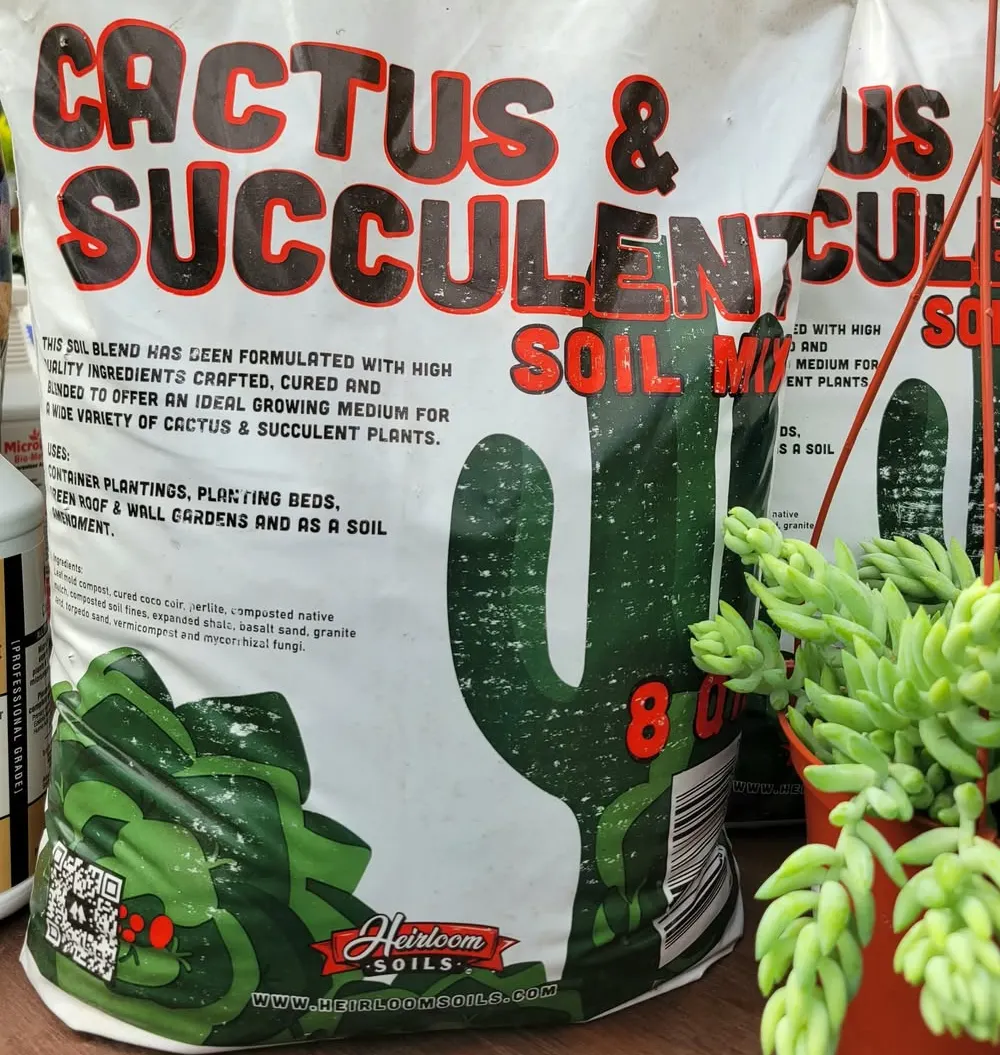
The optimal soil mix for succulents and cacti consists of 40% commercial cactus potting mix (or regular potting soil), 25% perlite, 20% coarse sand or pumice, 10% small gravel or horticultural grit, and 5% organic compost.
To prepare the mix, combine all dry ingredients in a large container and blend them thoroughly. The perlite and coarse sand create air pockets that prevent water retention. The gravel adds weight and further drainage. The small amount of organic matter provides slow-release nutrients without retaining excess moisture.
Always use coarse sand rather than fine sand, as fine sand can restrict drainage. Before planting, lightly moisten the mix and let it settle for 24 hours.
Best Soil Mixes For Fiddle Leaf Fig and Other Ficus Plants

The model soil mix for fiddle leaf figs and other ficus plants should provide excellent drainage while retaining good moisture, consisting of 40% high-quality potting soil as the base, 25% perlite for aeration and drainage, 20% orchid bark or coconut coir for structure and organic matter, 10% peat moss or coconut fiber for moisture retention, and 5% coarse sand or pumice for additional drainage.
To prepare this mix, combine all dry ingredients in a large container, mixing with your hands or a trowel until evenly distributed. The perlite and bark chunks should be visible throughout the mixture, guaranteeing proper air pockets.
Store any unused mixture in a sealed container for future repotting needs.
Best Soil Mixes for Orchids
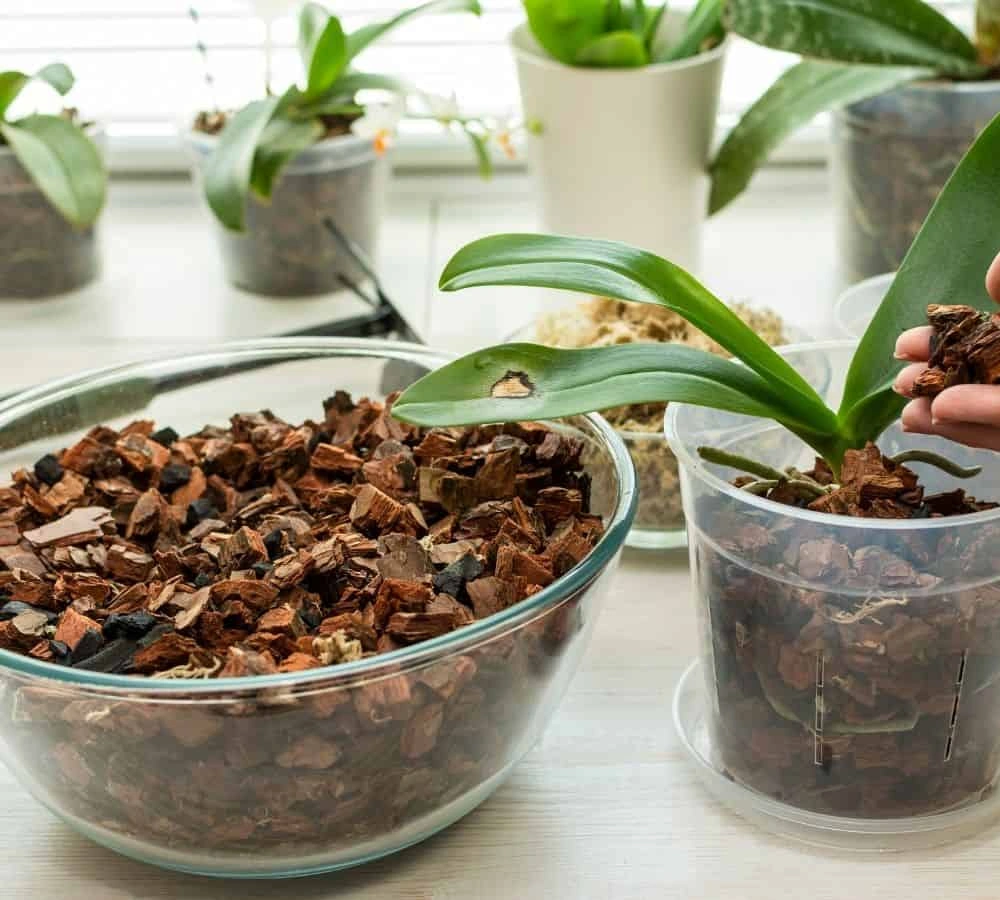
The optimal orchid soil mix prioritizes exceptional drainage and aeration, consisting of 50% fine-grade orchid bark (fir or pine) as the primary component, 20% sphagnum moss for moisture retention, 15% perlite for additional aeration and drainage, 10% coconut husk chips or coconut coir for organic matter and structure, and 5% horticultural charcoal to prevent bacterial growth and improve drainage.
To compose this specialized mix, start by soaking the bark chunks in water for 30 minutes to remove dust and tannins, then drain thoroughly. In a large mixing container, combine the drained bark with the remaining dry ingredients, stirring gently to distribute evenly without crushing the delicate components.
This blend imitates their natural tree-dwelling environment while providing the fast-draining conditions essential for preventing root rot in these sensitive plants.
Best Soil Mixes for Snake Plants
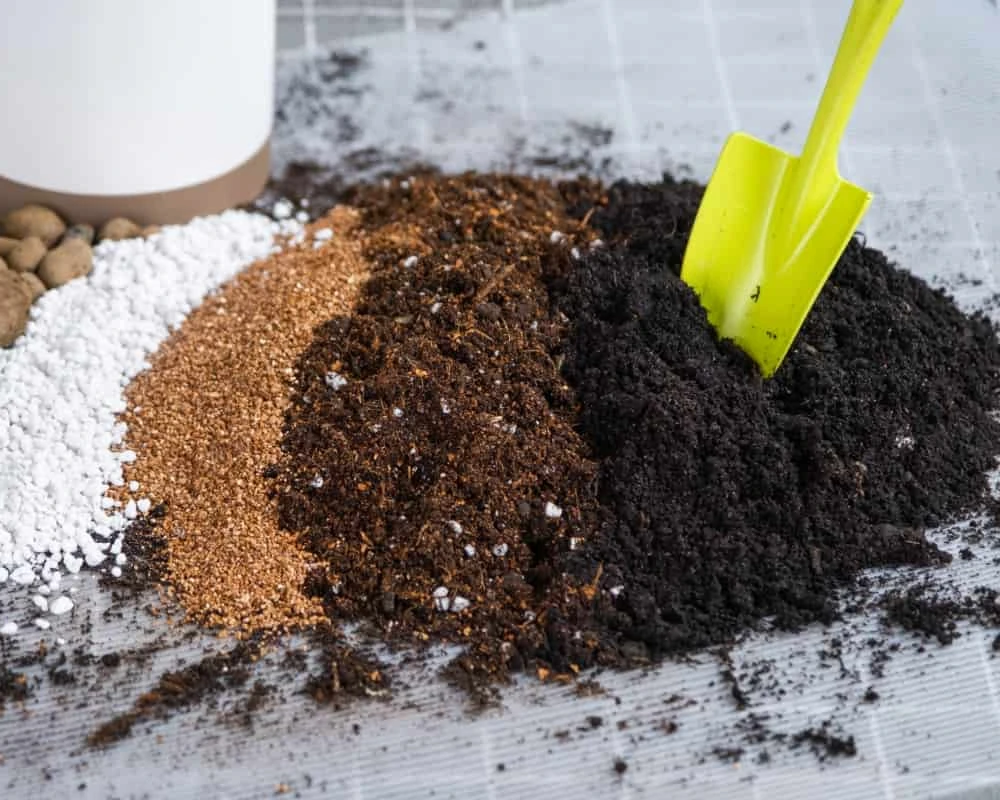
The perfect soil mix for snake plants (Sansevieria) emphasizes fast drainage to prevent root rot, composed of 50% succulent or cactus potting mix as the foundation, 25% coarse perlite for enhanced drainage and aeration, 15% coarse sand or pumice for weight and additional drainage, and 10% fine orchid bark or coconut coir for minimal organic matter and structure.
To create this mix, combine all dry ingredients in a large container, mixing with your hands or a garden trowel until the components are evenly distributed throughout. The mixture should feel gritty and well-aerated, with perlite and sand particles visible across the blend. Test drainage by adding a small amount of water; it should flow through quickly without pooling.
The finished mix should be dehydrated before use, as snake plants prefer to start in dry soil and tolerate drought conditions.
Best Soil Mixes for Carnivorous Plants
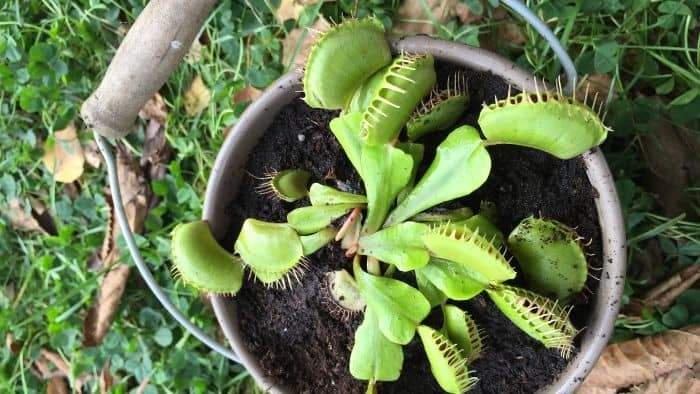
The soil mix for carnivorous plants requires nutrient-poor, acidic conditions that imitates their natural bog habitats, consisting of 50% sphagnum peat moss (never fertilized potting soil) as the acidic base, 30% perlite for drainage while maintaining moisture, 15% coarse sand (silica sand, never calcium-rich sand) for structure, and 5% long-fiber sphagnum moss.
To prepare this mix, combine the dry peat moss and perlite first, then gradually add the sand while mixing thoroughly with clean hands or tools. The long-fiber sphagnum should be chopped into small pieces and distributed evenly throughout.
Tip: Use only distilled or rainwater for mixing and watering, as tap water contains minerals that can harm these sensitive plants.
Best Soil Mixes for Ferns

The best soil mix for ferns creates a moisture-retentive yet well-draining environment that mimics their natural forest floor habitat, consisting of 40% high-quality peat moss or coconut coir for moisture retention and acidity, 25% standard potting soil for nutrients and structure, 20% perlite for drainage and aeration, 10% fine orchid bark or leaf mold for organic matter, and 5% coarse sand for additional drainage.
To compose this blend, start by moistening the peat moss or coir in a separate container until it expands and becomes workable. In a large mixing bowl, combine the moistened peat with the potting soil, then slowly add perlite, bark, and sand while mixing thoroughly with your hands or a trowel.
This blend maintains the consistent moisture levels ferns require while preventing the soggy conditions that lead to root rot in these humidity-loving plants.
Best Soil Mixes for Citrus Trees

The optimal soil mix for citrus trees balances excellent drainage with nutrient retention to support healthy growth and fruit production, consisting of 40% high-quality potting soil as the nutrient-rich base, 25% coarse perlite for superior drainage and root aeration, 20% composted bark or coconut coir for organic matter and structure, 10% coarse sand or pumice for additional drainage, and 5% worm castings or compost for slow-release nutrients.
To ready this mix, combine all dry ingredients in a large container, thoroughly mixing with your hands or a garden fork until evenly distributed. The mixture should feel well-aerated with visible perlite and bark pieces throughout. Before use, moisten the blend gradually with water until it reaches the consistency of a wrung-out sponge.
This combination provides the slightly acidic to neutral pH (6.0-7.0) that citrus trees prefer while preventing the root rot that commonly affects these plants in poorly draining soils.
Best Soil Mixes for Tropical Plants
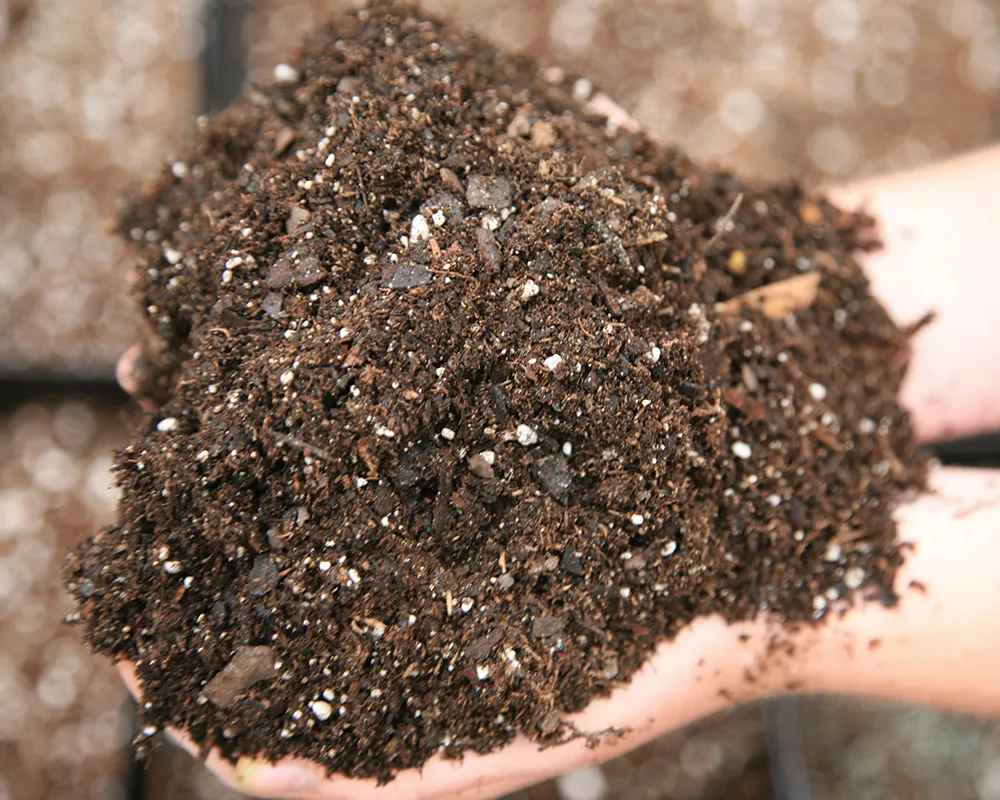
The soil mix for tropical plants replicates the rich, well-draining conditions of their native rainforest environments, consisting of 35% high-quality potting soil for nutrients and structure, 25% coconut coir or peat moss for moisture retention and organic matter, 20% perlite for drainage and aeration, 10% fine orchid bark for chunky texture and air pockets, 5% worm castings for gentle fertilization, and 5% coarse sand or pumice.
To craft this tropical blend, start by moistening the coconut coir in a separate container until fully expanded. In a large mixing bowl, combine the potting soil with the moistened coir, then gradually add perlite, bark chunks, worm castings, and sand while mixing thoroughly with your hands or a trowel.
This mixture maintains the humidity-loving tropical plants’ desire while providing the excellent drainage necessary to prevent root rot in warm, humid conditions.
Best Soil Mixes for African Violets

The soil mix for African violets provides excellent drainage while maintaining consistent moisture, consisting of 40% high-quality peat moss for acidity and moisture retention, 30% vermiculite for water retention and aeration, 20% perlite for drainage and air circulation, and 10% coconut coir or fine coconut fiber for organic structure and additional moisture control.
To ready this specialized blend, start by moistening the peat moss in a separate container until it becomes workable and less dusty. In a large mixing bowl, combine the moistened peat moss with vermiculite, stirring gently to distribute evenly. Gradually add perlite and coconut coir while mixing thoroughly with your hands or a small trowel, guaranteeing all components are well-integrated.
This blend maintains the consistent moisture these sensitive plants require while preventing the waterlogged conditions that commonly cause crown rot in African violets.
Best Soil Mixes for Herbs

The optimal soil mix for herbs provides excellent drainage while supporting vigorous growth and essential oil production, consisting of 45% high-quality potting soil for nutrients and structure, 25% coarse perlite for superior drainage and root aeration, 15% coarse sand or pumice for additional drainage, 10% compost or worm castings for organic nutrients, and 5% fine orchid bark or coconut coir for texture and air pockets.
To prepare this blend, combine all dry ingredients in a large container, mixing thoroughly with your hands or a garden trowel until evenly distributed throughout. The mixture should feel well-draining and slightly gritty, with visible perlite and sand particles.
This fast-draining combination prevents the root rot that commonly affects herbs while providing the slightly alkaline to neutral pH (6.5-7.5) that most culinary herbs prefer for optimal flavor development.
Final Thoughts
Getting the right soil mix can make or break your indoor plants. Your snake plant wants completely different dirt than your fiddle leaf fig, and figuring that out is half the battle of keeping plants alive. Once you understand what your plants want, everything clicks into place.
Making your soil mixes lets you customize everything exactly how your plants like it. But if you’re busy or just starting, there’s nothing wrong with grabbing a good commercial mix.
The golden rule is that whatever you choose, make sure it drains well, has nutrients, and doesn’t turn into concrete when it dries out. Grasp these basics, and you’ll be amazed at how much better your indoor jungle looks.
FAQs
1. What’s the difference between potting soil and garden soil for indoor plants?
Potting soil is formulated for containers with proper drainage and aeration. Garden soil is too dense, retains excess water, and causes root rot in pots. Always use potting mix for indoor plants.
2. Can I use the same soil mix for all my indoor plants?
No. Succulents need fast-draining, sandy soil. Tropical plants require a moisture-retaining mix. Orchids need bark-based medium. Using the wrong soil causes root problems and plant death.
3. How often should I replace indoor plant soil?
Replace soil every 12-18 months when drainage becomes poor, salt buildup appears, or soil pulls from pot edges. Fast-growing plants need annual replacement; slow-growers can wait 2-3 years.
4. What ingredients make good indoor plant soil?
Look for peat moss or coconut coir (moisture), perlite (drainage), and bark or compost (nutrients). Avoid garden soil, heavy clay, or excessive sand. Choose sterile mixes labeled for indoor use.
