
Off-grid living sounds cheap until you realize getting water to your faucet and waste away from your property costs more than most people’s entire down payment on a house. That initial investment, often ranging from $20,000 to $30,000, is the blunt reality check for the off-grid dream.
The real 2025 data show that professional well drilling expenses for a typical residential well system average $5,500 to $9,000, but can easily climb to $24,500 for deep wells in rocky regions like Arizona or the Northeast; that number includes drilling, casing, pump installation, and electrical connections.
1. Why Just Digging a Well Actually Costs $15,000
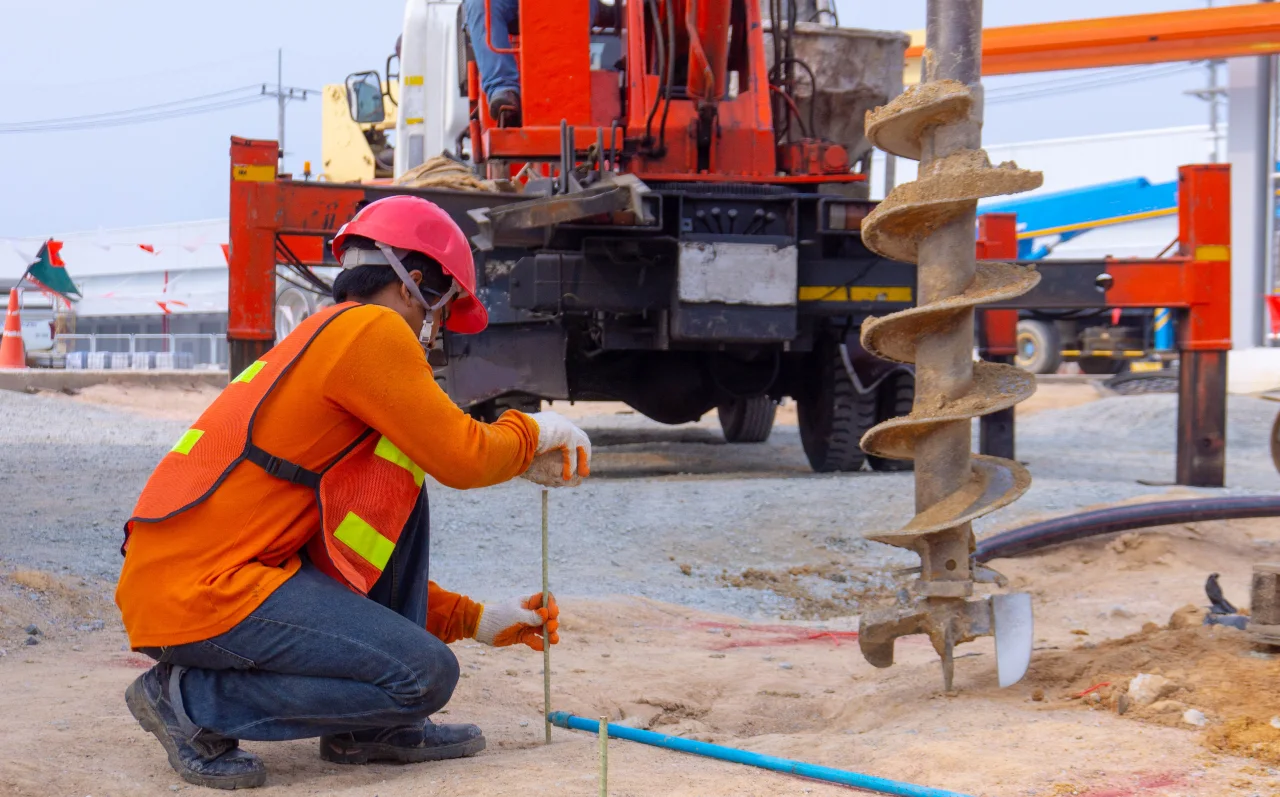
Well drilling costs averaged $5,500 in 2025. But that’s just the average. Your actual bill will land somewhere between $1,800 and $24,500, depending on how deep you need to go and what you’re drilling through.
The per-foot cost runs $25 to $65. Sounds manageable until you realize most residential wells range from 50 to 300 feet deep. Shallow wells cost $1,500 to $3,000. Deeper wells hit $10,000 to $20,000 fast. Your location determines everything. Soft soil costs $25 to $35 per foot to drill. Hard rock or clay? That’s $50 to $75 per foot. In Washington’s mountains, one homesteader paid $135 per foot for a 120-foot well. Total: $16,200.
Desert southwest areas require 500 to 1,500-foot wells at $100 per foot. You’re looking at $50,000 to $150,000. Texas wells run $9,000 to $20,000 for depths of 160 to 600 feet. Arizona wells exceed $10,000 at $20 to $44 per foot. But drilling is just the start. Now add casing. PVC costs $7 to $11 per foot. Steel casing runs $30 to $130+ per foot. Then comes the well pump, pressure tank, electrical lines, and plumbing. That’s thousands more in equipment costs.
Permits cost $350 to $700+. Water and electric supply lines add $50 to $150 per foot from your well to your house.
Budget reality: Most people spend $15,000 minimum for a complete working well. That’s assuming average depth, normal soil conditions, and no complications. Hit rock at 200 feet in Arizona? Double it.
2. Septic Systems: The $10,000 Reality Check

You can’t just dig a hole in your backyard and call it a septic system. Well, you can, but it’ll fail in a month and cost twice as much to fix properly.
Small septic systems cost between $2,910 and $18,600 in 2025. The average for smaller systems hits $4,100, but that’s before you factor in your specific soil conditions and local regulations. Your system type determines the price. Anaerobic systems (the traditional kind) run $3,000 to $8,000. These need lots of space and work well in areas with good soil drainage. Aerobic systems cost $10,000 to $18,600 but work in tighter areas where anaerobic systems fail.
Here’s what makes up that total: Leach field installation costs $1,000 to $5,000. Excavation runs $200 to $1,800. Permits range from $400 to $2,000. And before you dig anything, you need a perc test to determine if your soil can even absorb water. That’s $750 to $1,300.

Mound septic systems cost $10,000 to $20,000. These are the most expensive type but necessary when your water table sits too high or your soil drains poorly.
Installation costs hit $4,000 to $10,000, depending on size and setup. Then comes maintenance. Pumping every 3 to 5 years costs $300 to $600. Budget 1% of your purchase price annually for maintenance.
One off-grid cabin owner put it bluntly: “I bought the Villa Extend composting toilet instead of putting in a $10k septic.” That tells you everything about septic system costs.
Budget reality: Plan on $8,000 to $12,000 for a basic functional septic system. Got a problem with soil or limited space? Add $5,000 to $10,000 more for specialized systems that actually work.
3. Rainwater Collection Isn’t Free (It’s $8,000)

Rain falls from the sky for free. Collecting it, storing it, and making it safe to use? That costs thousands.
Basic rainwater systems cost $1,000 to $3,500 in 2025. Most homeowners pay about $2,500 for a dry system with 5,000-gallon storage. That’s just for basic collection, not a complete household water system.
Your storage choice drives the price. Above-ground cisterns cost $2,000 to $12,000. Underground tanks run $6,500 to $24,000 because you’re paying for excavation and buried infrastructure.

Tank materials matter too. Polyethylene costs $2,000 to $4,000 for 5,000 gallons. Steel and concrete run $3,000 to $6,000. Then add installation at $1.50 to $7.00 per gallon of storage capacity.
Rooftop harvesting costs $1,000 to $5,000 for the collection system. Surface runoff harvesting ranges $8,000 to $15,000 because of the labor and excavation involved.
Here’s what people forget: You need filtration systems ($75-$200), pumps ($150-$300), and first flush diverters ($20-$60). Excavation adds $1,000 to $5,000. Underground piping runs $1,200 to $8,000.
Yes, simple rain barrels cost as low as $150 for 55 gallons. But 55 gallons doesn’t run a household. For every inch of rain on a 1,000-square-foot roof, you collect 550 to 630 gallons. Sounds like a lot until you realize the average person uses 80 to 100 gallons daily.
Some states, like Colorado, require approval or limit collection to 110 gallons. Check your local laws before spending anything.
Budget reality: A functional rainwater harvesting system costs $5,000 to $10,000 minimum. Want it as your primary water source? Plan on $12,000 to $20,000 for adequate storage and treatment.
4. Composting Toilets: The $1,000 Alternative

Composting toilets sound weird until you see the $10,000 septic system quote. Suddenly, they make perfect sense.
Off-grid toilets range from $200 for the simplest models to $5,000 in 2025. Most robust systems average $500 to $2,000, making them the cheapest long-term toilet option for off-grid living.
Nature’s Head composting toilets cost approximately $995 with a 5-year warranty. They handle 60 to 80 uses before emptying, which works out to about two weeks for a couple. Self-contained units range from $960 to $1,600, with some requiring no electricity for true off-grid use.
Initial costs range from $129 for DIY kits to $1,065 for premium units. But don’t forget ongoing costs. You’ll spend $10 to $20 monthly for compostable bags and $2 to $25 monthly for electricity if your unit has a fan.

The Separett Villa 9210 DC/AC features a 17-watt fan and runs on AC or 12V DC battery power. Most units consume less than 150 kWh annually, perfect for off-grid homes with limited solar.
Want fancier off-grid toilet options? Incinerating toilets cost $2,000 to $3,000. Biogas systems run about $2,000 for the toilet and digester combined. These turn waste into usable methane for cooking or heating.
Over 5 years, total costs range from $500 for DIY systems to $1,500 for premium units. Compare that to septic pumping at $300 to $600 every few years, and composting toilets win.

Composting toilets save up to 6,600 gallons of water per person annually. No water means no plumbing, no freezing pipes, and no pump failures.
Budget reality: Plan on $1,000 to $1,500 for a quality composting toilet that actually works long-term. It’s the only part of off-grid infrastructure that costs less than you expect.
5. Hidden Costs Nobody Mentions

You paid for the well and septic. You think you’re done. You’re not even close.
Water testing costs $30 to $150 for DIY kits, $100 to $500 for professional testing annually. Your well water needs testing for bacteria, nitrates, heavy metals, and minerals. This isn’t optional. This is how you avoid poisoning yourself.
Electric pumps require consistent power. Many off-gridders use solar panels or generators to run them. Solar pumps provide lower costs with no electricity bill, but require an upfront solar panel investment of $3,000 to $8,000.
Well pumps need replacement every 10 to 15 years. That’s another $800 to $2,500 in future maintenance costs you need to budget for now.

Hauling water costs $20 for the first 10,000 gallons if your well drilling gets delayed or fails. Food-grade IBC tanks cost $200 for 276 gallons, or $0.72 per gallon for water transport. Sounds cheap until you’re hauling water every week for months.
Hand pump wells provide emergency backup and work well for shallow water tables. They cost $300 to $600 installed, but give you water access when power fails.
Septic pumping every 3 to 5 years runs $300 to $600. These ongoing septic costs add up over decades of ownership.
Property taxes, land costs, and access roads add thousands before water and sewer installation even begins. Gravel driveways cost $1 to $3 per square foot. A 200-foot driveway costs $2,000 to $6,000.
Budget reality: Add $5,000 to $10,000 for hidden setup costs. Then plan on $500 to $1,000 annually for off-grid maintenance costs, including testing, pumping, and repairs. These well water testing expenses and ongoing septic costs never stop.
6. The Real Cost of DIY Off-Grid Water Systems

Water hauling seems simple, but it is unsustainable for full-time living. Beyond the initial ~$1,300 for a storage tank, you face relentless fuel, vehicle wear, and time costs. One industry analysis notes that running a water truck for delivery can cost about $48 per hour when factoring in fuel, maintenance, and driver wages. Your personal vehicle isn’t immune; these hidden operational expenses add up quickly, making what seems free incredibly costly.
Rain barrels are a great start for a garden, but they can’t meet household water demands. A single barrel may only cost $20, but a functional system requires more. The real investment is in the gutters to feed them; gutter installation can average $1,100, a cost often overlooked in initial budgeting. For a reliable household supply, a well is the definitive solution, but it requires a significant upfront investment, typically between $5,500 and $30,000 for a complete installation.

Bucket toilets, costing under $100, are a temporary fix, not a solution. They require constant, unpleasant manual emptying and are not viable for full-time living. This cheap option quickly becomes a significant chore and quality-of-life issue.

DIY septic systems are a massive financial gamble. A professionally installed system costs $3,605 to $12,449 on average; a DIY attempt that fails can lead to a raw sewage backup. This requires not just a replacement system but also hazardous material cleanup. The price for this failure is steep; emergency septic repairs can cost $5,000 or more, and a full drain field replacement can run up to $12,000. Professional installation, while a larger initial outlay, brings expertise, proper equipment, and knowledge of local codes, preventing catastrophic failures.
