A retiree can have an impressive investment account and still discover that health determines where retirement can actually take them.
The harder part is that health decline does not always arrive as a major diagnosis; sometimes it appears first as abandoned trips, harder stairs, shorter walks, poor sleep, missed medications, or needing help with tasks that once felt automatic.
That is why the 6 health tiers of retirement are better viewed through function and independence than through age alone.
Someone managing several chronic conditions may remain highly capable, while another person with a shorter medical history may already be losing the physical reserve that makes retirement feel free.
Your Diagnosis List Does Not Tell the Whole Story

One of retirement’s most misleading assumptions is that having more health conditions automatically means having worse retirement health. That is not necessarily how daily life works.
The National Institute on Aging notes that people with conditions including arthritis, high blood pressure, osteoporosis, and type 2 diabetes can still benefit from appropriately chosen physical activity.
What matters greatly for retirement independence is what a person can safely do, how consistently health conditions are managed, and whether everyday function is being preserved.
Consider two hypothetical 70-year-olds. One takes medication for several chronic conditions but walks regularly, handles personal care, shops independently, stays socially engaged, sleeps reasonably well, and manages appointments and prescriptions without assistance.
The other has fewer diagnosed conditions but has stopped walking beyond the driveway, struggles to rise from low chairs, has fallen twice, sleeps poorly, and increasingly depends on a spouse for errands.
The second retiree may face the greater threat to independence even though the medical chart looks less complicated.
That distinction sits at the center of these six tiers.
The 6 Health Tiers of Retirement at a Glance
The tiers describe increasing levels of vulnerability and support need, not human worth and not a prediction of lifespan. People can also show characteristics from two neighboring tiers, especially during recovery from illness, surgery, or another temporary setback.
| Tier | General Pattern | What Retirement Often Looks Like |
|---|---|---|
| Tier 1 | High reserve, independent | Health rarely limits ordinary plans |
| Tier 2 | Independent, but maintenance matters | Most plans remain open, with some adaptation |
| Tier 3 | Chronic conditions are present but managed | Retirement works well when routines stay consistent |
| Tier 4 | Function is beginning to narrow | Travel, home tasks, or outings require more planning |
| Tier 5 | Regular assistance is needed | Support becomes part of normal daily life |
| Tier 6 | Complex or extensive support needs | Health and care needs shape many major decisions |
The goal is not to “win” Tier 1. The more useful question is whether your current level of independence is stable, improving, or quietly becoming harder to maintain.
Tier 1: High Reserve and Full Independence

Tier 1 retirees generally have enough physical and mental reserve that ordinary retirement activities do not demand much calculation. They can usually manage personal care, household responsibilities, transportation, appointments, medications, social activities, and recreational plans without regular assistance.
That does not mean they have no diagnoses. A person might take blood-pressure medication, have arthritis, or manage another condition while remaining fully independent and physically active.
The defining feature is reserve. A long day, a flight of stairs, grocery shopping, a busy weekend, or an unfamiliar environment may create fatigue, but it does not routinely overwhelm the person’s ability to function.
Tier 1 retirees also tend to have room for disruption. When life becomes temporarily harder, they are more likely to retain enough strength and organization to continue essential routines while recovering.
This is the tier where prevention can easily be underestimated. When everything works, it is tempting to assume it will keep working without deliberate maintenance.
Tier 2: Strong Independence, but Maintenance Is Starting to Matter

Tier 2 often feels almost identical to Tier 1 from the outside. The difference appears in the small adaptations.
Perhaps stairs are slower. A knee complains after long walks, recovery after a busy day takes longer, or travel requires more attention to medications, footwear, rest, hydration, and hotel location.
None of these automatically represents serious decline. They may simply mean that maintaining strength, balance, sleep, medical follow-up, and physical activity now requires more intention than it did at 50.
This is an especially important tier because the retiree still has substantial independence. Small improvements in routine may therefore protect activities that matter much more than the routine itself.
The goal is not athletic performance. It is preserving the ability to say yes to ordinary life without constantly wondering whether your body can handle it.
Tier 3: Your Health Needs Management, but It Does Not Run the Retirement
This may be the most misunderstood tier.
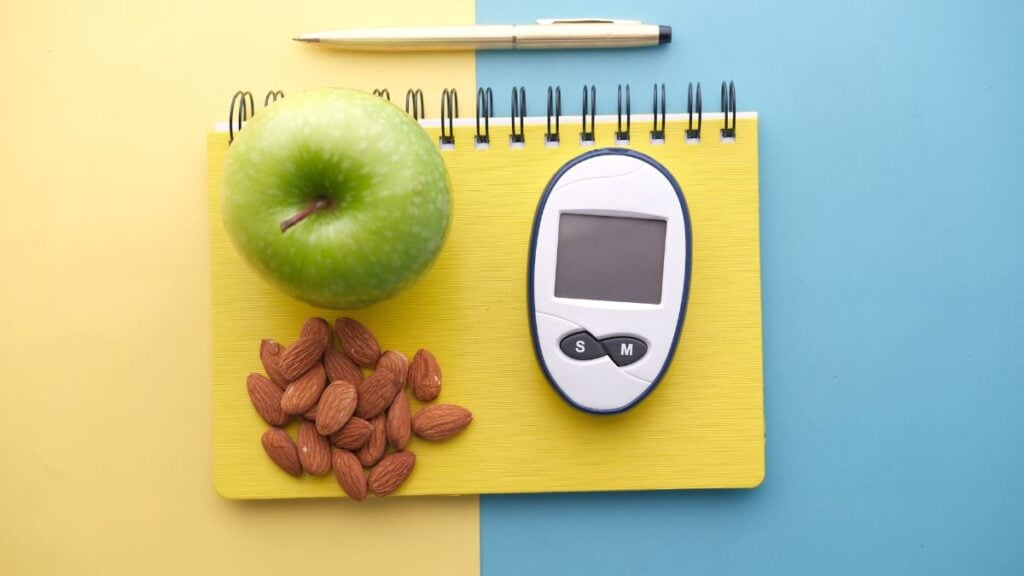
A Tier 3 retiree may have diabetes, heart disease, arthritis, osteoporosis, lung disease, high blood pressure, or several conditions at once. Health appointments and medications are part of normal life, but those conditions remain reasonably integrated into the person’s routine rather than controlling every decision.
The NIA specifically advises that many older adults with chronic conditions can participate in physical activity, although the appropriate type and amount may need to be adjusted with healthcare guidance.
The more meaningful question is therefore not, “How many conditions do I have?” It is, “How much do those conditions interfere with what I need and want to do?”
A Tier 3 retiree may still travel, volunteer, garden, drive, see friends, cook, manage money, and live independently. There may simply be more planning behind those activities.
The Signals That Separate Stable Health From Vulnerability
Health tiers become clearer when you stop looking only at diagnoses and examine several parts of everyday function together. No single row decides someone’s tier, but patterns can reveal where greater attention may be needed.
| Area | More Stable Pattern | Possible Sign of Greater Vulnerability |
|---|---|---|
| Mobility | Walking and routine movement remain dependable | Walking distance or confidence is shrinking |
| Daily tasks | Personal care and household tasks remain independent | Increasing help with bathing, dressing, meals, shopping, or movement |
| Health management | Medicines and appointments are handled reliably | Doses, appointments, or instructions are increasingly difficult to manage |
| Recovery | Ordinary fatigue or minor setbacks resolve reasonably | Small illnesses or busy days cause prolonged loss of function |
| Cognition | Everyday decisions and finances remain manageable | New problems with familiar tasks or decision-making |
| Social life | Meaningful contact remains part of normal life | Isolation is increasing because health or mobility makes connection harder |
NIA describes activities such as bathing, dressing, grooming, toileting, eating, and transferring from a bed to a chair as activities of daily living for which some older adults eventually need assistance.
That makes daily function an unusually useful retirement-health signal. It tells you something that a lab result often cannot: how health is affecting the person’s actual ability to live independently.
Tier 4: Health Is Starting to Shrink the Retirement

Tier 4 is where health may begin quietly deciding what does and does not happen.
A retiree may still live independently, but outings require more recovery. Long airports are avoided, stairs influence hotel choices, grocery shopping feels heavier, yard work has been abandoned, or one spouse increasingly performs tasks the other used to handle.
The important word is narrowing. Retirement is still active, but the menu of realistic choices is getting smaller.
Mobility deserves particular attention here. NIA describes mobility as critical to functioning well and living independently, and notes that changes in gait, balance, and strength can make both everyday tasks and social activity more difficult.
This is also where falls deserve more respect. CDC data identify falls as the leading cause of injury among adults 65 and older, making repeated falls or growing fear of falling more than a minor inconvenience.
The best response is not embarrassment or denial. It is understanding what has changed and whether medical treatment, rehabilitation, strength work, balance training, assistive equipment, vision correction, medication review, or changes at home could reduce the limitation.
Tier 5: Regular Support Has Become Part of Daily Life
At Tier 5, assistance is no longer occasional convenience. It has become part of how everyday life works.
Someone may need help with transportation, meals, shopping, medications, bathing, dressing, housekeeping, or safely moving around the home. Another person may remain physically capable but need increasing supervision because of cognitive changes.
This tier can look very different from household to household. One retiree may live safely at home because a spouse handles several tasks, while another uses paid help, adult children, community services, transportation programs, or a combination of support.
The danger is assuming independence still exists simply because support is happening quietly. A spouse who gradually takes over medications, cooking, driving, bills, and appointments can mask a major change in the other partner’s functional health.
Recognizing that shift is not admitting defeat. It helps families plan around the support that is already being provided instead of discovering its true extent during a crisis.
Tier 6: Complex Health Needs Shape Most Major Decisions

Tier 6 describes retirees whose medical, cognitive, mobility, or personal-care needs require extensive ongoing support.
Daily decisions may now revolve around caregiving schedules, treatments, transportation, home accessibility, supervision, medication management, rehabilitation, or whether the current living arrangement can safely meet the person’s needs.
The priority at this tier is usually less about hitting generic fitness targets and more about preserving comfort, dignity, remaining abilities, meaningful relationships, and as much choice as circumstances permit.
Even here, health is not one-dimensional. Someone who needs considerable physical assistance can still have strong relationships, purpose, humor, preferences, and meaningful participation in family and community life.
The tier describes support needs. It should never be used to describe the value of the person receiving that support.
What Current Activity Guidelines Can Tell You About Your Reserve
Exercise recommendations are not a grading system. Still, they offer a useful reference point for understanding how much regular movement federal health guidance currently encourages for older adults.
As of 2026, CDC and federal physical-activity guidance recommends a combination of aerobic movement, muscle strengthening, and balance work for adults 65 and older. People unable to reach the full target because of health conditions are advised to be as active as their abilities and conditions allow.
| Activity Area | Current Federal Guidance for Adults 65+ | Retirement Relevance |
|---|---|---|
| Aerobic activity | At least 150 minutes weekly at moderate intensity, or an equivalent vigorous/mixed amount | Supports endurance for walking, errands, recreation, and travel |
| Strength work | At least 2 days per week | Supports everyday tasks such as rising, carrying, and climbing |
| Balance activity | Include balance-focused activity regularly | Relevant to stability and fall prevention |
| If full targets are not possible | Do what abilities and health conditions allow | Avoid treating inability to meet a benchmark as failure |
NIA notes that physical activity can improve physical function and make household chores, getting out of a chair, and moving around the neighborhood easier. It can also help support independent living.
That is the retirement payoff. Exercise is not valuable because retirees need another number to chase; it matters because strength, endurance, and balance help protect choices.
Your Tier Can Change Without a Major Diagnosis
A change in retirement health is not always announced by a dramatic medical event. Sometimes the evidence appears in ordinary life first.
You stop going to the supermarket alone. Then you stop meeting friends because getting there feels exhausting. Eventually, a lifestyle change that began as inconvenience starts affecting independence and connection.
The reverse can also happen in some situations. Rehabilitation, treatment of an underlying problem, improved sleep, better medication management, appropriate physical activity, home modifications, or recovery after illness can restore function, although improvement is never guaranteed.
That is why trends matter more than a single difficult week.