
Retirement can solve one problem and create another: suddenly, nobody is telling you where to be on Monday morning. At first, that freedom can feel wonderful. Then the days can blur, work relationships can fade, and an unexpected question can appear: “What am I supposed to do now?”
If that sounds familiar, you may be moving through one of the common phases of retirement. These phases are not a rigid schedule. They are a practical way to spot what changed, what may be missing, and what could help retirement feel like your life again.
Research gives an important warning before putting anyone into a box.
A Quick Guide to the 7 Phases of Retirement
Sociologist Robert Atchley described retirement as a process containing several phases, including two periods before retirement itself. He also cautioned against assuming everyone would experience every phase in exactly the same way.
The framework below keeps six of those ideas and replaces the old final concept of “termination” with a more practical modern category called recalibration.
This 7th phase describes the reality that retirement plans often need to change when health, family, housing, work, or personal priorities change.
| Phase | What It May Feel Like | Main Risk | What Needs Attention |
|---|---|---|---|
| 1. Distant Retirement | “I’ll deal with it later” | Planning only for money | Picture daily retired life |
| 2. Near Retirement | Excited but uncertain | Unrealistic expectations | Test the plan |
| 3. Honeymoon | Free and energized | Overspending or overbooking | Enjoy freedom with limits |
| 4. Disenchantment | Flat, bored, restless | Withdrawal and frustration | Restore connection and structure |
| 5. Reorientation | Experimental | Replacing work with random busyness | Build meaningful roles |
| 6. Stability | Comfortable and settled | Becoming too rigid | Protect a sustainable rhythm |
| 7. Recalibration | “Something changed” | Clinging to an old plan | Adapt to current reality |
You may recognize yourself in two rows rather than one. Retirement can also move backward and forward because a spouse’s retirement, a move, caregiving, part-time work, or a health change can alter daily life again.
Phase 1: Distant Retirement Feels Like a Financial Problem

Years before retirement, the subject often exists mainly as a number. People think about a 401(k), pension, Social Security, mortgage balance, or desired retirement age because those are easier to measure than Tuesday afternoon at age 68.
Money certainly matters. The problem begins when financial preparation becomes a substitute for planning the life the money is supposed to support.
Someone can spend decades preparing to afford retirement without deciding what an ordinary retired week will look like. Travel plans and a few hobbies sound appealing, but vacations occupy only a small percentage of most people’s lives.
This is why the distant phase deserves more attention than it usually gets. The useful question is not simply, “When can I afford to stop working?” but also, “What will replace the things work currently gives me?”
That might include daily structure, conversation, achievement, status, mental challenge, movement, or simply having somewhere to go.
Phase 2: Near Retirement Turns the Fantasy Into a Date
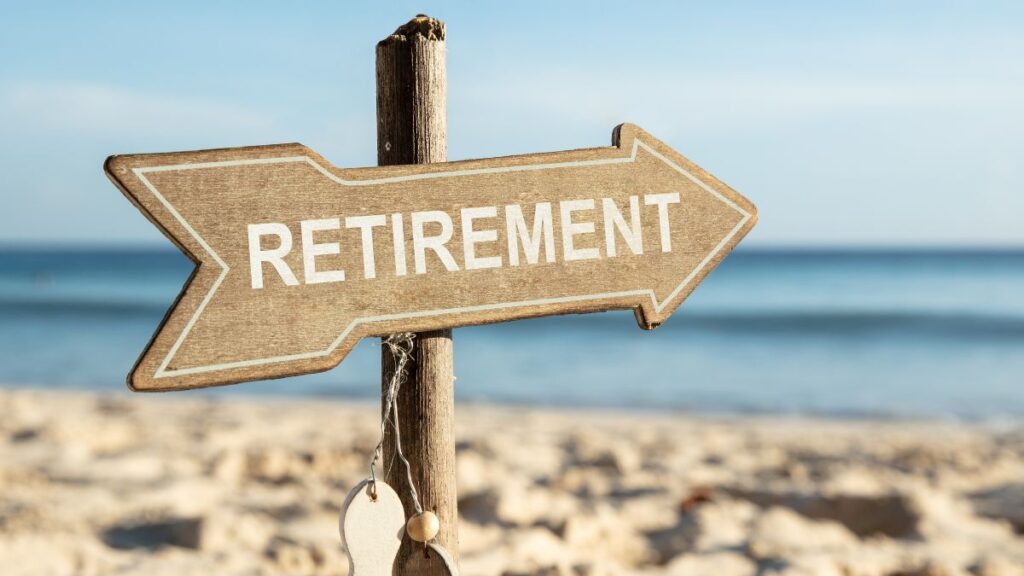
Retirement feels different once there is an actual date on the calendar. Decisions that once seemed theoretical suddenly become real, including where to live, how much to spend, when a spouse will retire, and how days will be organized.
Excitement can sit beside anxiety during this phase. Someone may desperately want to leave work while quietly worrying about losing the role they have held for 30 years.
AARP highlighted this identity issue in 2025, noting that leaving a career can affect how people see themselves as well as how they spend their time.
Before retirement arrives, it helps to check more than account balances. The following questions test whether the lifestyle side of the plan has received similar attention.
| Area | Stronger Position | Warning Sign |
|---|---|---|
| Money | Expected spending has been reviewed | Retirement depends on vague assumptions |
| Time | Several regular activities already exist | “I’ll figure it out after I quit” |
| People | Relationships exist outside work | Most daily contact comes from coworkers |
| Identity | Several roles matter to you | Career title defines most of your identity |
| Home life | Expectations have been discussed | Spouses expect completely different routines |
A warning sign does not mean someone should postpone retirement. It means that particular part of the transition deserves attention before a work schedule disappears.
Phase 3: The Honeymoon Makes Retirement Feel Like a Permanent Vacation

Then comes the part many workers have pictured for years. The alarm clock stops, the commute disappears, and Monday suddenly belongs to you.
Atchley called this the honeymoon phase. Some retirees travel, tackle home projects, spend more time with grandchildren, play golf, sleep later, or simply enjoy doing very little after decades of deadlines.
There is nothing wrong with enjoying it. In fact, research following retirees has found evidence of improved well-being during the first year after retirement for some people.
The trap is assuming the honeymoon must become the permanent retirement lifestyle.
A person who spent decades dreaming of travel may discover that constantly packing bags becomes tiring. Someone who attacked a long home project list may eventually finish it. A retiree who wanted six months of doing absolutely nothing may eventually discover that rest feels different once there is nothing to rest from.
Money can create another tension here. J.P. Morgan’s 2026 Guide to Retirement highlighted sufficient income, spending volatility, and emergency savings among major retirement concerns, which helps explain why an expensive first burst of retirement activity may deserve some guardrails.
The honeymoon works best when it is enjoyed rather than forced to last forever. Retirement usually becomes more sustainable when celebration slowly turns into a normal life.
Phase 4: Disenchantment Is Where Many Retirees Think Something Went Wrong

This phase can be surprisingly uncomfortable because retirement may look perfectly good from the outside. There may be no boss, no commute, enough money to pay the bills, and plenty of free time.
Yet the retiree feels flat.
The original phase model called this disenchantment. The novelty of retirement has faded, but a satisfying replacement for working life has not fully formed.
This does not happen to everybody. Research has repeatedly warned against treating retirement adjustment as one predictable sequence, and individual resources and circumstances can produce very different experiences.
The difficult part is identifying what is actually missing. Calling every uncomfortable retirement feeling “boredom” can hide a more specific problem.
The distinctions below can help because different problems usually require different responses. Adding another hobby will not necessarily solve a missing social network, and a packed schedule will not automatically replace a lost sense of purpose.
| What You Notice | What May Be Missing | A More Useful Response |
|---|---|---|
| Days feel endless | Structure | Create several fixed weekly anchors |
| You miss coworkers | Social contact | Build recurring contact outside work |
| You keep talking about your old title | Identity | Develop another meaningful role |
| You are busy but unsatisfied | Purpose | Choose activities with personal meaning |
| Money worries dominate every decision | Confidence in the plan | Review actual spending and resources |
| You and your spouse irritate each other | Personal space or expectations | Discuss separate and shared routines |
This is one reason “stay busy” is weak retirement advice. Activity helps most when it supports something deeper, such as belonging, competence, contribution, enjoyment, or independence.
If persistent low mood or withdrawal is seriously interfering with daily life, it should not automatically be dismissed as a retirement phase. Professional support may be appropriate when ordinary adjustment no longer seems to explain what is happening.
Phase 5: Reorientation Is When Retirement Starts Becoming Yours

Reorientation is less exciting than the honeymoon but may be far more important. Instead of asking how retirement was supposed to look, the retiree begins noticing what actually works.
Perhaps three rounds of golf each week sounded perfect but became repetitive. One round plus volunteering at a local organization and lunch with an old friend may feel much better.
Perhaps relocating immediately after retirement seemed appealing. After testing longer stays away from home, keeping the current house and traveling periodically might make more sense.
This is experimentation rather than failure.
A 2025 retirement adjustment framework identified identity rebuilding, social interaction, and independence as three central themes, with activity helping support those areas.
That finding helps explain why meaningful activities can have more value than filling every empty hour.
Reorientation may also involve deciding that some work still belongs in retirement. Part-time employment, consulting, volunteering, mentoring, caregiving, creative projects, or community roles can give structure without recreating the career someone intentionally left.
The key is choice. Retirement can become much easier once the question changes from “How do retirees spend their time?” to “What combination of people, responsibilities, freedom, and rest works for me?”
Phase 6: Stability Arrives When Retirement Stops Feeling Like an Event
A stable retirement can look almost boring from the outside. That is often a good sign.
The retiree has developed a rhythm. There are people to see, places to go, quiet days, responsibilities, enjoyable routines, and enough flexibility that missing one activity does not make the week collapse.
Work is no longer the main reference point for daily life. Someone does not wake up every Monday thinking, “I would have been in the office by now.”
Social connection deserves special attention here. The National Institute on Aging says social connection and meaningful activities can support well-being among older adults, while social isolation and loneliness are associated with significant health risks.
Stability therefore does not mean filling the calendar. A strong retirement rhythm usually combines structure with enough empty space to enjoy the freedom retirement was meant to provide.
The following check is less about how many activities someone has and more about whether daily life has become sustainable.
| Area | A Stable Pattern May Look Like | Watch For |
|---|---|---|
| Time | Days have some shape without feeling rigid | Long stretches with nothing meaningful |
| Relationships | Regular contact with several people | Depending on one person for all company |
| Purpose | At least one role feels worthwhile | Constant busyness without satisfaction |
| Independence | Important choices remain yours | Routines controlled entirely by others |
| Flexibility | Plans can change without major stress | Life becomes overly fixed |
No retiree needs to score perfectly in every area. The point is to notice which part of the week keeps producing friction.
Phase 7: Recalibration Begins When Retirement Changes Again

Traditional retirement models eventually included a final phase called termination, when the retirement role ended because circumstances changed. That language can feel too final for the way many people experience retirement now.
A more useful concept is recalibration.
A retirement that worked at 66 may not fit at 76. A spouse may die, grandchildren may move away, friends may relocate, health may affect mobility, caregiving duties may appear, housing may become inconvenient, or someone may simply want something different.
The opposite can happen too. A retiree may return to paid work and discover that employment is enjoyable when it is chosen rather than required.
Recalibration means allowing the plan to change without interpreting the change as defeat.
The couple who once wanted constant travel might now prefer shorter trips. Someone living in a large suburban home might begin valuing walkability more than extra rooms. A retiree who once wanted peace and privacy may later place much more value on being near friends or family.
Retirement therefore does not have one final form. The skill is building a life flexible enough to respond when the person living it changes.
Which Phase Are You Actually Stuck In?
The word “stuck” can be misleading because sometimes nothing is wrong. Someone in the honeymoon phase may simply be enjoying retirement, while someone experimenting during reorientation may need time rather than another plan.
The better question is whether the same frustration keeps appearing without anything changing.
Use this final table as a starting point. Pick the row that sounds closest to your current situation rather than trying to make every description fit.
| Phase | Question to Ask Yourself | Sensible Next Step |
|---|---|---|
| Distant | Can I picture an ordinary retired Tuesday? | Design a sample week |
| Near | What will I lose when work ends? | Build replacements before retiring |
| Honeymoon | Am I enjoying freedom or trying to fill every minute? | Keep some space in the calendar |
| Disenchantment | What exactly do I miss? | Name the missing resource |
| Reorientation | What has actually made my weeks better? | Repeat what works |
| Stability | Is my routine still serving me? | Protect connection and flexibility |
| Recalibration | Has my life changed while my plan stayed the same? | Update the plan for current reality |
One answer will usually stand out more than the others. That answer is often more useful than asking whether retirement itself was the right or wrong decision.
