
We have all seen the photos of pristine white shiplap and perfectly organized spice jars that make tiny living look like a peaceful dream. The Tuesday morning reality is often quite different when you wake up smelling coffee breath because the bed is three feet from the kitchen.
You trip over laundry because there is no place to put it and the windows are dripping wet with condensation. The first six months are a honeymoon phase but the real test happens around the eight month mark when the novelty fades away.
1. Feeling Crowded in a Tiny Home
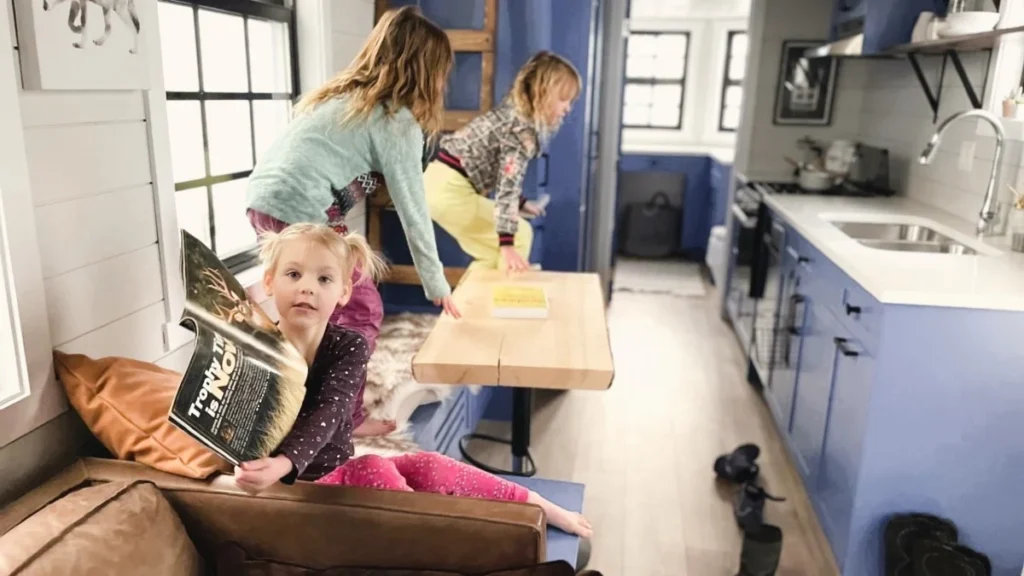
In a normal house you have hallways and foyers that let you move from one space to another without thinking about it. In a tiny home those do not exist because you are either in the room or you are out of the house.
This creates a feeling of being trapped like sardines in a can especially if you live with a partner or a pet. You have zero audio privacy so arguments have nowhere to go and you cannot just storm off to a guest room to cool down.
2. Window Condensation and Mold Issues
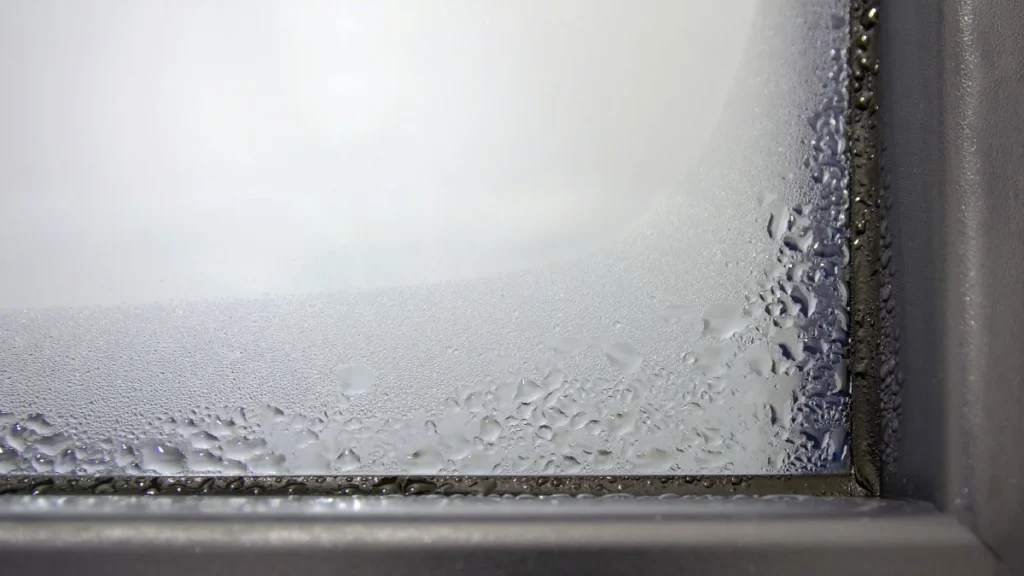
Moisture is the main reason people quit tiny living because it can quickly destroy your home if you are not careful. A human breathes out about one cup of water vapor every single hour just by existing in the space.
When you add cooking steam and shower humidity to a small box that water has to go somewhere immediately. If you do not manage this with dehumidifiers and constant airflow you will definitely get mold on your walls and mattress.
3. Tiny House Parking and Land Rental

Many people downsize to save money but the math does not always work out in your favor when you look at the total picture. Professionally built tiny homes often cost much more per square foot than a traditional house because of the custom labor involved.
You also have to pay for parking which can cost as much as renting an apartment in some popular cities. Unlike regular real estate these homes often lose value over time just like a car or an RV.
4. Small Closet and Storage Struggles

Physics is very strict because two objects cannot occupy the same space at the same time in your small closet. Every time you set an item down you have to make a hard choice about where it lives which is mentally exhausting.
You lose the ability to buy in bulk so you pay more for small packages of toilet paper and food. You simply cannot keep a full wardrobe for all four seasons so you must swap clothes constantly.
5. Tiny House Zoning and Legal Issues
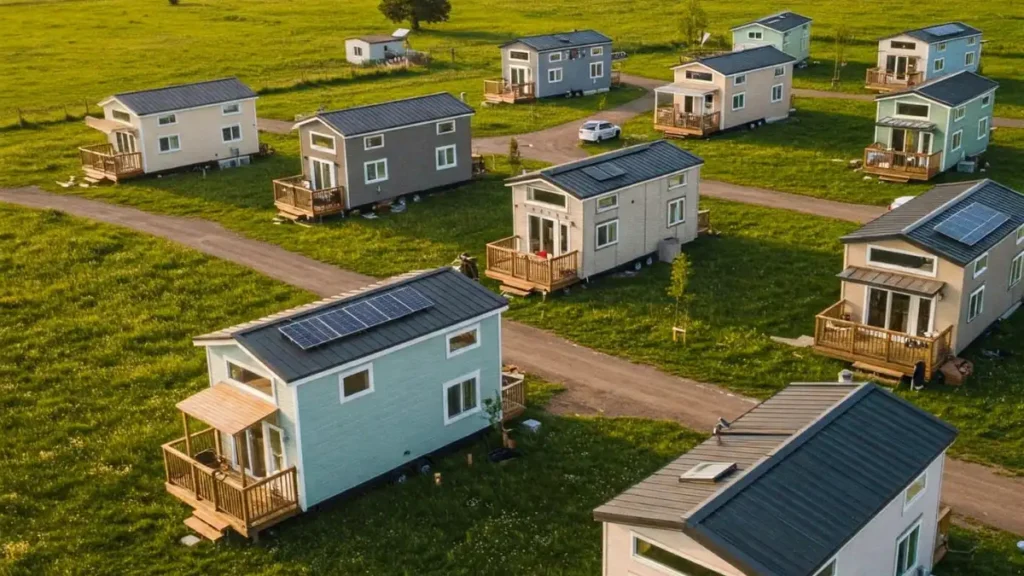
Living under the radar causes chronic stress because you always worry a neighbor might complain and force you to move your home. Laws are slowly changing in places like California and Oregon but it is still a complex puzzle to solve for most people.
Finding insurance is also difficult if you built the home yourself without a proper builder certification. You need to look for the ANSI standard which helps with safety and resale value later on.
6. Cooking in a Small Tiny House Kitchen
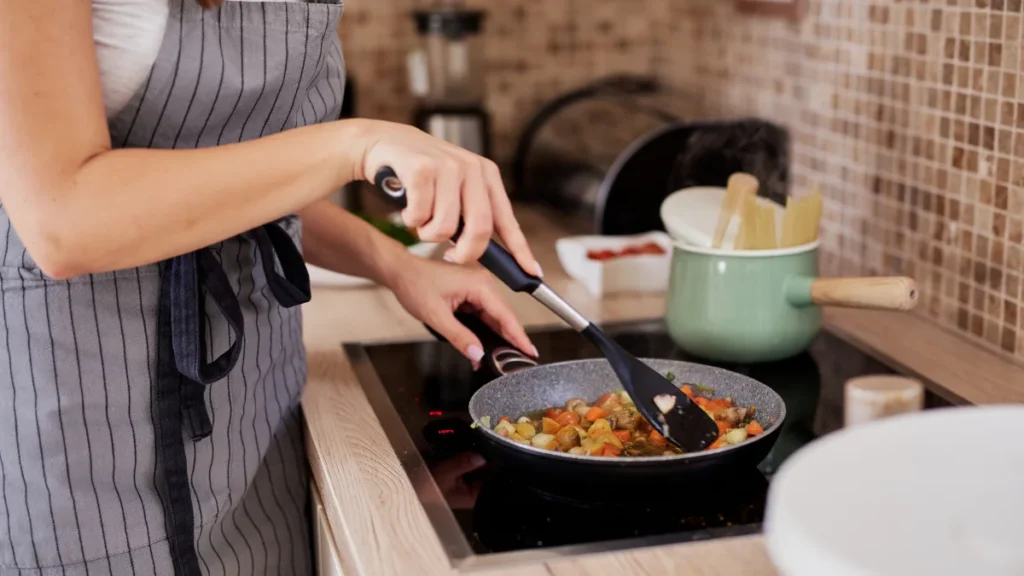
Cooking in a tiny space means the smell of dinner sticks to your clothes and bedding for days because there is no door to close. You typically have a small two burner stove and a mini fridge which makes preparing big meals for friends almost impossible to do.
You will spend a lot of time playing Tetris with your groceries just to fit them inside the tiny cabinets and shelves. Washing dishes becomes a constant chore because a single dirty pan can take up your entire counter space.
7. Composting Toilet and Bathroom Reality
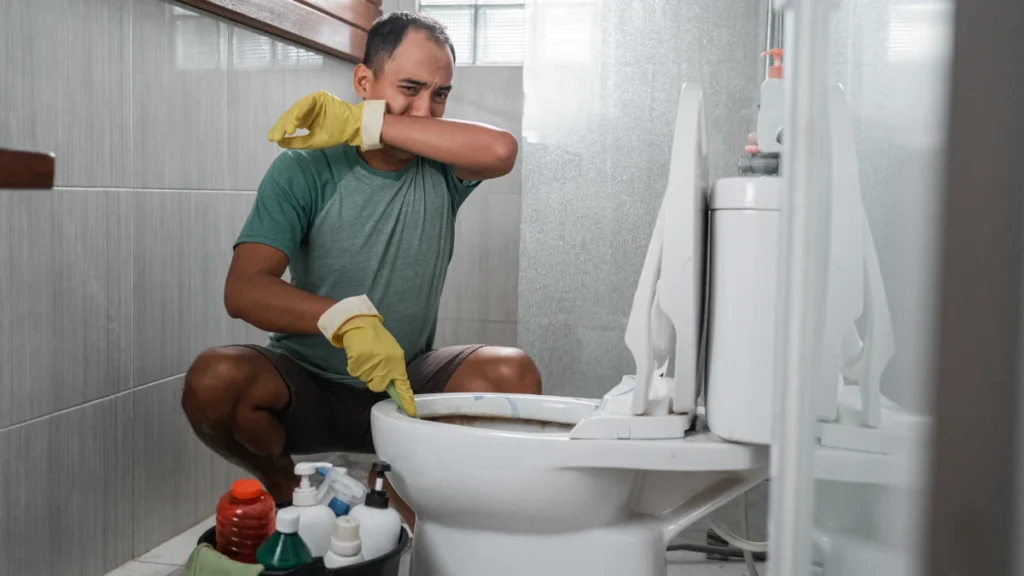
The bathroom is often the biggest shock because many tiny homes use composting toilets that require you to manually empty a bucket of waste. Even if you have a standard flush toilet the holding tanks fill up very fast and need constant attention to avoid messy disasters.
The shower is usually very tight and you might have to bend over just to wash your hair comfortably. There is very little privacy in a tiny bathroom which can be hard for couples to get used to.
Conclusion
Downsizing is not just a move it is a complete lifestyle overhaul that requires a lot of work every single day. You have to be a logistics manager and a humidity expert just to keep your home running smoothly.
It is worth it for the freedom if you can survive the difficult first year and adapt to the challenges. If you can get through the moisture issues and the mental friction you can make it work long term.
