
Winter yurt life sounds wonderfully rustic. The reality is a constant battle against the cold. Even with a wood stove roaring, the struggle for warmth is a 24/7 job. You’ll face freezing floors that steal the heat from your feet and a relentless chill that seeps through the walls.
Waking up to a layer of ice inside your windows is a normal morning. This is the raw truth of off-grid living in the coldest months. We’re covering the harsh challenges, from maintaining a fire through the night to managing moisture. Understanding these difficulties is the first step to truly being prepared.
#1 The Wood Consumption Reality Check (Nobody Burns Just One Cord)

Let’s discuss the number that shocked me the most while researching this article.
A family living in a yurt in growing zone 5a burned through three full cords of wood by the end of February. Not for the whole winter. By February, and they weren’t even done yet.
#2 That’s Way More Than Most People Expect
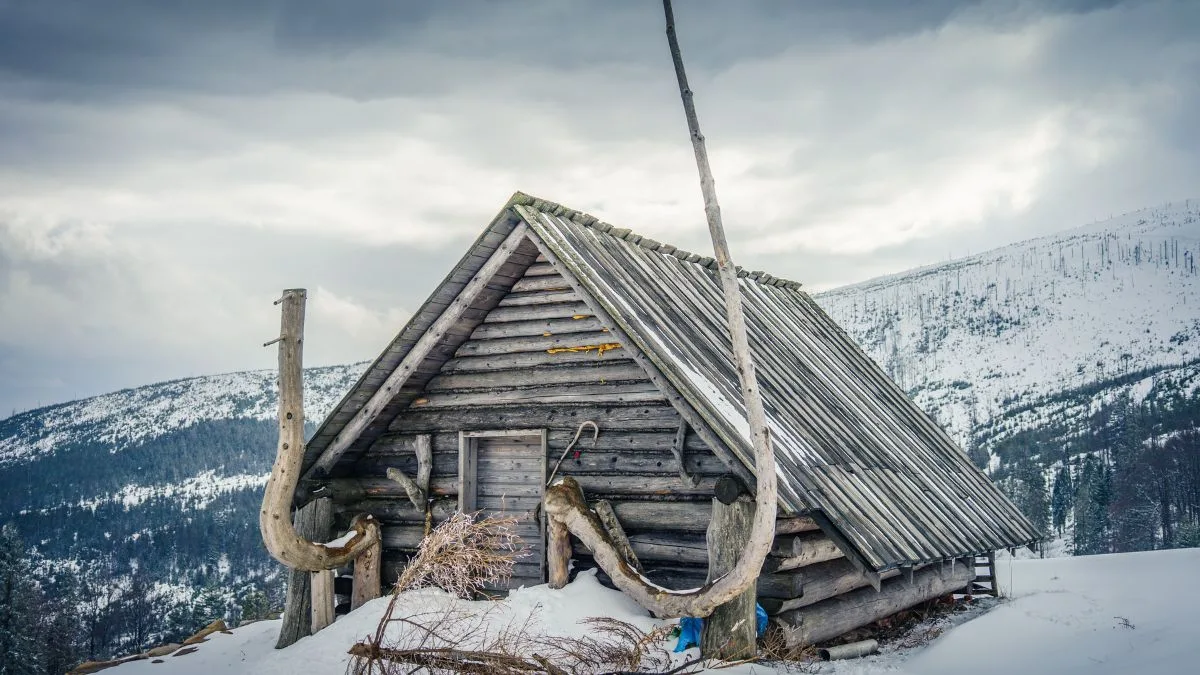
Here’s what a cord actually looks like: a stack of wood 4 feet high, 4 feet wide, and 8 feet long. That’s 128 cubic feet of timber. Now picture three of those massive stacks. Gone. In just five months.
And this family wasn’t unusual. A Vermont yurt dweller built three separate woodsheds just to store five cords for winter preparation.Five cords. That’s what experienced yurt owners plan for when they’re serious about making it through a real winter.
#3 The Math That Changes Everything
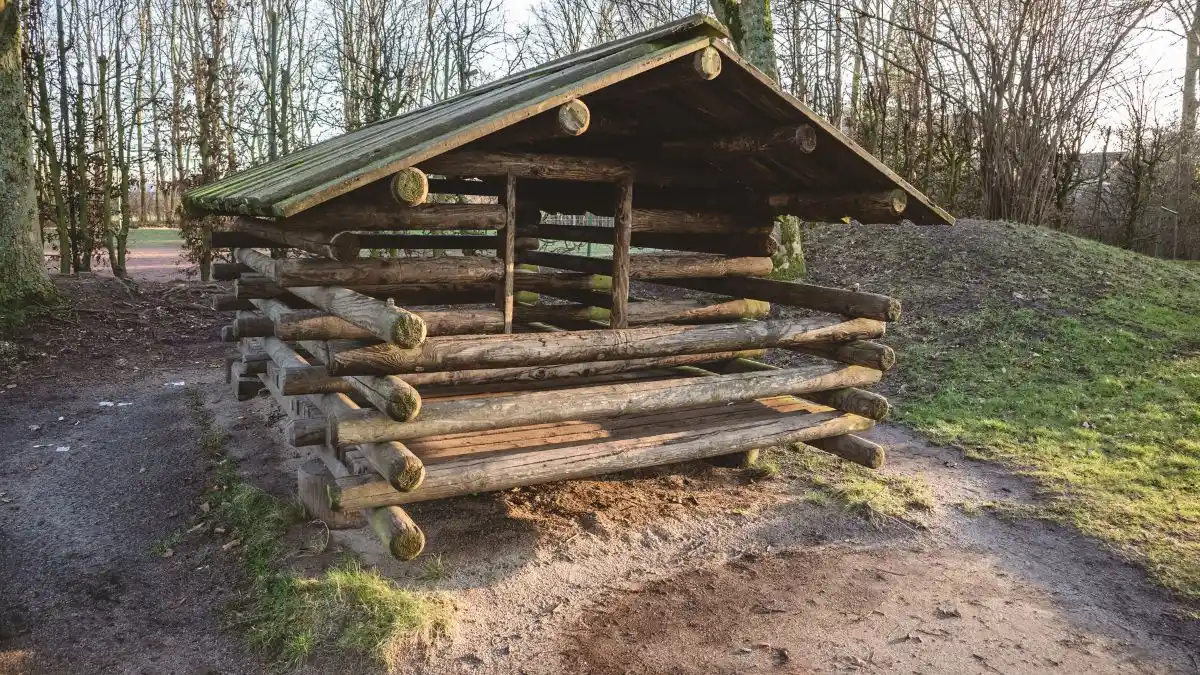
Photo Credit: Freepik
A cord of wood costs between $150 and $500.The price depends on where you live and when you buy it.
But here’s the kicker: that summer cord you bought for $250 will cost you nearly $400 if you wait until January. Prices almost double when everyone realizes winter is here and they’re desperate. Smart yurt owners buy in spring or summer when wood is cheap and plentiful.
Let’s do the actual math on your annual heating costs:
Low estimate: 3 cords × $150 = $450
Mid estimate: 4 cords × $300 = $1,200
High estimate: 5 cords × $400 = $2,000
And that’s just the wood itself. Delivery costs add another $25-75 per cord. If you want someone to stack it for you, that’s another $25-80 per load. These costs add up fast when you’re hauling multiple cords.
So your total winter fuel bill? $900 to $2,500 just to stay warm.
#4 Why Do You Need So Much Wood?

Your wood consumption depends on several things. Stove size matters. A Vermont Castings Intrepid stove can give you 8-9 hour burns in a 20-foot yurt. That’s the good stuff. That means you can sleep through most of the night without freezing.
But cheaper stoves? You’re looking at reloads every 2-3 hours. Do that math over a six-month winter. You’ll be hauling wood constantly.
The wood must be dry. This isn’t optional. Wet or “green” wood creates creosote buildup in your chimney. Creosote catches fire. Chimney fires in a fabric structure are not something you want to experience.
Dry wood costs more upfront. But it burns hotter, lasts longer, and keeps you alive. Buy the dry wood.
#4 The Real First-Year Investment
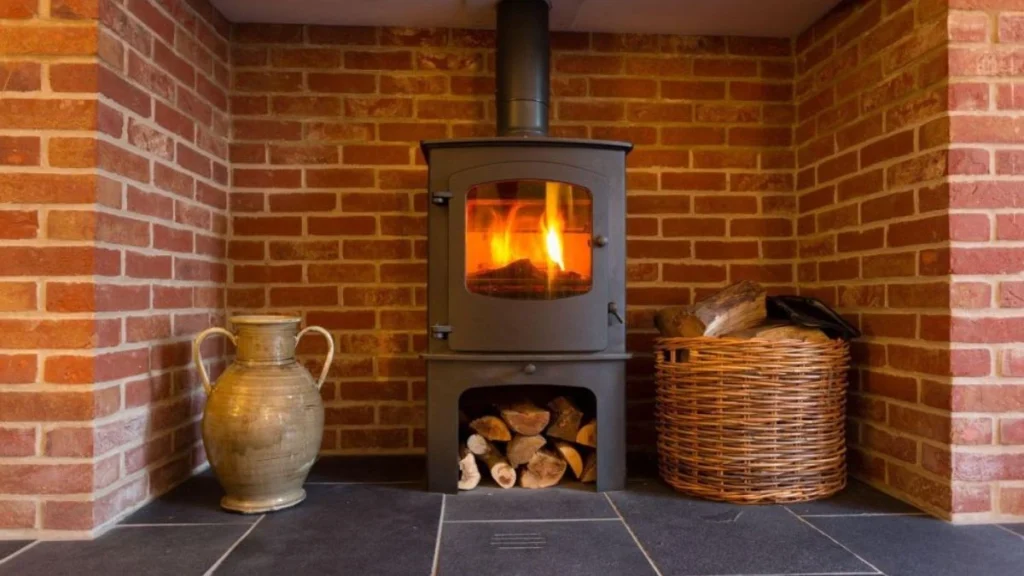
Before you spend a single dollar on firewood, you need the stove installed. A complete wood stove installation runs approximately $2,000. That includes the stove, chimney pipe, flashing, supports, and all the parts you need to do it safely.
You might find a used stove for $500. Great. You still need $1,500 in chimney components and installation materials.
So your first-year winter expenses look like this:
Stove installation: $2,000
First winter’s wood (4 cords): $1,200-1,600
Delivery and stacking: $200-600
Total first year: $3,400-4,200
That’s before you’ve spent a single night in your yurt.
#5 The Condensation Problem (When Your Walls Start Crying)

Picture this: You wake up at 6 AM, and there’s water dripping from your ceiling onto your pillow.
Not rain. Not a leak. Just condensation. Your own breath, cooking steam, and body heat turned into liquid water that’s now raining back down on you.
Welcome to the moisture battle every yurt owner fights all winter long.
#6 Why Your Yurt Turns Into A Sweating Cave?

Condensation forms when excess moisture meets poor air circulation. The science is simple but brutal. You breathe out warm, moist air. You cook dinner and create steam. You take a hot shower. All that moisture has to go somewhere.
In a traditional house, it escapes through tiny gaps in walls and ceilings. In a modern yurt with a PVC cover? It’s trapped. Modern yurts aren’t breathable. That plastic-coated fabric that keeps the rain out also locks moisture in, creating a cycle of humidity, condensation, water dripping, and eventually mold.
Here’s what happens: warm, moist air rises to the top of your yurt. When that vapor hits the cold house wrap or outer canvas at 3 AM, it condenses. The water accumulates. And then gravity takes over. It can literally accumulate to the point of dripping back into the yurt like rain.
This isn’t rare. This is normal for yurts in winter if you don’t manage it properly.
Everything You Do Makes It Worse

You’re not just fighting the weather. You’re fighting your own existence.
Breathing adds moisture. Two adults and a couple of kids breathing all night in 300 square feet? That’s a lot of moisture. Cooking a pot of pasta? Steam everywhere. Taking a shower? You’ve just added gallons of water vapor to your enclosed space.
Wet boots by the door.Drying clothes near the stove. Even your Dog is shaking off snow. Every winter activity dumps more moisture into the air. And in a yurt, there’s nowhere for it to go except your walls and ceiling.
Pacific Yurts specifically recommends installing exhaust vents in cooking and shower areas. That’s not a suggestion. That’s damage control.
The Ventilation Paradox

Here’s the part that makes people crazy: you must ventilate even when it’s freezing outside.
Yes, you spent $2,000 on a wood stove to stay warm. Yes, you’re burning through expensive firewood. And yes, you still need to crack windows open every single day to let moisture escape.
Open your dome. Crack a window. Run that exhaust fan. Even when it’s 15°F outside, you’re trying to keep the yurt at 65°F inside. If you don’t, you’re choosing between frozen comfort and moldy walls.
Most yurt owners crack windows for 10-15 minutes multiple times a day. It feels wasteful. It feels counterproductive. It’s necessary.
What Actually Works For Moisture Problems

DampRid products help. Please place them in corners and near problem areas. They pull moisture from the air, but they’re not a complete solution. You’ll go through these containers constantly in winter.
Dehumidifiers work better if you have electricity. Run one in your sleeping area and another near the kitchen. Empty them daily. The amount of water they pull from the air will shock you.
Snow removal is critical. Snow must be regularly removed from your roof. When snow sits there, it thaws slightly from the heat inside, then freezes again. This creates an ice layer that blocks breathability completely. Now your roof can’t “breathe” at all, and condensation gets even worse.
One interesting solution: wool felt insulation can retain and later release humidity, helping manage condensation naturally. Traditional yurts used wool for this exact reason. It absorbs moisture when humidity is high and releases it when conditions are drier.
The Stakes Are Higher Than You Think

Ignore the yurt condensation for a few weeks, and you’ll see mold. Black spots in corners. Musty smells. Wet spots on your bedding and clothes.
Keep ignoring it, and mold prevention becomes mold removal. Your insulation gets damaged. Your fabric walls stain. Your health suffers from breathing mold spores in an enclosed space all winter.
Fighting condensation is a daily battle in winter yurt living. Crack those windows. Run that dehumidifier. Remove that snow. Check for moisture buildup constantly.
Lose this fight, and you’re looking at ruined insulation, health problems, and potentially having to replace your entire yurt cover years early. This is not the cozy winter lifestyle Instagram sold you.
