
That film of moisture on your tiny home windows each morning is more than a nuisance; it’s a warning sign. What you’re seeing is the visible evidence of a condensation problem that could be rotting your home from the inside out.
In a small space, everyday life creates surprising moisture. Cooking, showering, and even breathing release water vapor into the air. Without proper ventilation, this moisture has nowhere to escape. It condenses on cold surfaces like windows, walls, and metal frames. Over time, this dampness soaks into wood, leading to rotting and creating the environment for mold to grow.
More importantly, we provide a clear, step-by-step plan for effective moisture control. You will learn simple daily habits and smart upgrades that protect your investment, improve your air quality, and stop the damage before it starts. Let’s solve this problem together.
The Condensation Problem That’s Rotting Tiny Homes From Inside

1. Why Your Tiny Home is a Condensation Magnet

That fog on your windows is your first clue. Your tiny home isn’t just prone to condensation; it’s practically designed for it. Here’s why.
First, think about volume. In a large house, the moisture from a shower or a boiling pot spreads out. In your tiny home, that same amount of moisture has nowhere to go. The air gets saturated fast. By simply breathing and living, a few people can add several liters of moisture to the air every day. This creates a major moisture problem in a small space.

Second, many tiny homes are built to be very airtight. This is great for energy efficiency but terrible for ventilation. Without a way for stale, moist air to escape and fresh air to enter, the humidity just builds up inside.
Unlike a traditional house with leaky windows that provide constant air exchange, your tiny home can trap moisture like a sealed container.

Finally, there’s a hidden issue called thermal bridging. This is when a cold surface, like a metal window frame or a bolt going through the wall, connects directly to the inside.
Warm, moist air inside your home hits this cold spot and immediately turns to water droplets through condensation. This is why you often see water beading up on windowsills first.
2. The Real Consequences: More Than Just Foggy Windows

But it’s a sign of a deeper condensation problem that can cause serious damage. Ignoring it puts your health and your home at risk.
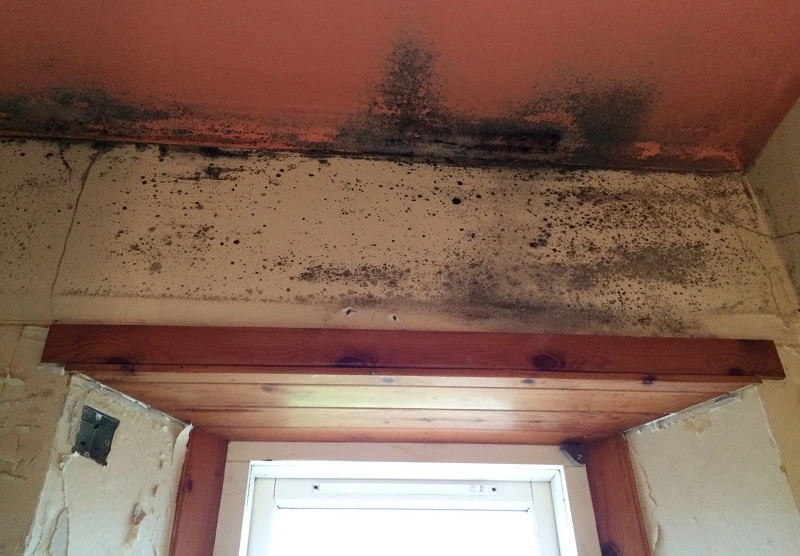
The most dangerous consequence is rotting. When condensation soaks into wood framing and walls, it doesn’t dry out. This leads to slow, hidden rot that weakens your home’s structural integrity. What starts as a small damp spot can become a major repair job.

Then there’s mold. Damp walls and insulation are the place for mold to grow. Mold spores in the air can trigger allergies, asthma, and other respiratory health hazards. That musty smell isn’t just unpleasant; it’s a sign your air quality is poor.
Your belongings suffer, too. Moisture ruins insulation, making it less effective. It can warp furniture, damage fabrics, and even attract pests like dust mites. One tiny home owner in Canada reported LOTS of moisture from their propane heater, leading to water on all 12 windows every day. That constant dampness ruins everything it touches.
3. Your Action Plan to Stop Condensation for Good
Now for the solutions. You don’t have to live with a damp home. This simple, three-part action plan will help you stop condensation for good.
The 5-Minute Ventilation Miracle

The easiest habit you can start today is called shock ventilation. This is the German method of Stoßlüften. Instead of leaving a window cracked all day, you open all your windows wide for 5-10 minutes each morning.
This creates a rapid exchange of air. The moist indoor air rushes out, and fresh, dry air comes in. Because it’s quick, the walls and furniture don’t have time to cool down, so you save energy. This one habit is the most effective way to reset your home’s humidity level daily.
Wipe Down Wet Surfaces

After you shower or cook, take one minute to wipe down the wet surfaces. Use a squeegee on shower walls and a towel on windowsills. According to bathroom expert Nancy Emery, this simple act can remove most of the surface moisture that would otherwise evaporate into your air. It’s a small step with a big impact on your moisture control.
Upgrade Your Moisture Control Tools

Good habits are key, but the right tools make them work even better.
Use Exhaust Fans: If you have a fan in the bathroom or kitchen, always use it during and for 20 minutes after showering or cooking.

Get a Small Dehumidifier: For humid climates or seasons, a compact dehumidifier is a game-changer. It pulls water directly from the air. Place it in the main living area.
Monitor Humidity: Buy a cheap hygrometer. It tells you the exact humidity level in your home. Your goal is to keep it below 60%.
4. Building or Renovating? Do This to Prevent Problems

If you’re building a new tiny home or planning a renovation, you have a huge advantage. You can design your home from the start to prevent condensation. Here are the key choices that make a lasting difference.
Choose Dry Heat Sources

Your heater can be part of the problem or the solution. Avoid unvented propane or kerosene heaters. They release a lot of water vapor into the air as a byproduct of combustion. Instead, opt for dry heat sources. Electric heaters, mini-split heat pumps, or properly vented wood stoves do not add moisture to your indoor air. This is one of the smartest decisions for your tiny home build.
Install a Vapor Barrier Correctly

A vapor barrier is a crucial layer that blocks moisture from moving into your walls, where it can condense. But it has to be installed on the correct side of the wall. In most cold climates, the vapor barrier should be on the warm-in-winter side of the insulation (the interior). If you’re unsure, consult local building codes. Getting this right during construction is much easier than fixing a moldy wall later.
Select Moisture-Resistant Materials

Build with materials that can handle a bit of moisture without rotting or growing mold. For your tiny home build, consider these moisture-resistant materials:
Flooring: Use luxury vinyl plank (LVP) instead of solid wood.

Walls: Choose paperless or mold-resistant drywall, especially in the bathroom.
Insulation: Use closed-cell spray foam or rigid foam boards, which resist moisture better than fiberglass batts.
