
You find your dream house, close the deal, and move in, then discover the foundation is sinking and repairs will cost $50,000. This happens more than you think. Many home buyers don’t know what structural defects to look for.
They trust sellers and home inspection reports, but major problems hide until after closing. Recent data from January 2025 shows construction defects lawsuits spiked, with attorneys in South Carolina alone contacted by 500 homeowners with complaints.
This shows you warning signs buyers miss, what inspectors actually check, your legal rights if you discover foundation problems after closing, how to protect yourself before signing papers, and the real costs of common structural repairs.
What Makes a Problem “Structural”?
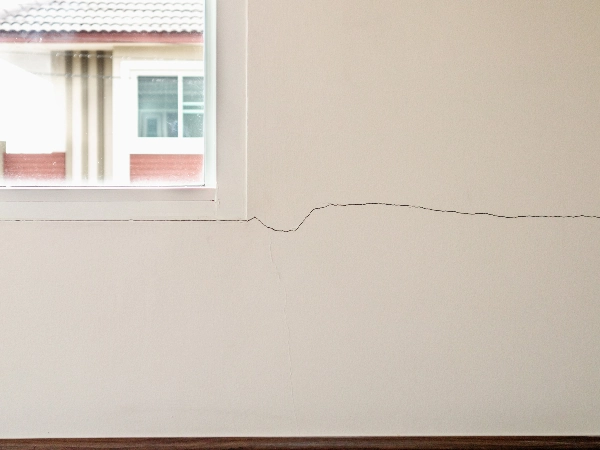
Cosmetic problems vs. real danger
Not every crack means your house is falling apart. A chipped tile is cosmetic. A cracked foundation is structural.
What actually counts as structural?
Structural problems affect the parts that hold your house up. This includes your foundation, load-bearing walls, roof, beams, joists, and columns. These parts carry the weight of your home.
Why are structural issues serious?

Why does this matter? Structural defects can lead to partial or total collapse, endangering occupants. They tank your property value and cost a fortune to fix. Common examples include foundation damage, sagging floors, bowing walls, and failing support beams that often result from foundation settlement, soil movement, moisture damage, or poor construction.
The weight your home carries
Here’s the scale we’re talking about: Your average 2,000 square foot home weighs 400,000 pounds, more than 200 tons, including the foundation. Homes are typically designed with a safety factor of 40 pounds per square foot. When something fails, that’s massive weight shifting around.
When defects show up?
Foundation shifts as small as one inch can cause noticeable misalignment in doors and windows. Some defects show up right away. Others take months or years to appear.
9 Structural Issues That Cost Buyers Thousands

i. Foundation cracks and settling problems

Foundation settlement happens when soil shifts beneath your home. Small cracks can become major breaks that compromise your entire structure.
ii. Sagging or uneven floors

Floors that feel springy or bouncy likely indicate issues with floor support. Walk around. If the floor dips or feels soft, something underneath is failing.
iii. Bowing or bulging walls

Walls should be straight. Bowing walls mean serious pressure problems or structural stress that’s getting worse.
iv. Doors and windows that stick or won’t close

When doors stick or windows won’t shut, your frame is shifting. This signals bigger foundation issues underneath.
v. Roof sagging or improper framing

A sagging roof line means the structure supporting it is failing. This gets dangerous fast.
vi. Water damage and mold from structural failures

Moisture in crawl spaces can lead to wood rot that weakens beams, joists, and framing. Water causes mold and eats away at your home’s structure.
vii. Failing support beams or posts

Beams and posts hold up your floors and roof. When they fail, sections of your house can collapse.
viii. Improper load distribution

This happens when weight isn’t spread correctly across support structures. Too much weight in the wrong place causes failures.
ix. Soil and drainage problems affecting the foundation

Horizontal cracks in exterior walls often point to drainage issues and pressure on foundation walls. Poor drainage makes soil shift and push against your foundation.
In January 2025, a Mount Pleasant attorney reported representing hundreds of homeowners annually against major builders like Lennar, Stanley Martin, and D.R. Horton for structural problems and construction defects. It’s a house trap.
How to Check for Structural Problems During House Tours?

Walk floors and test doors and windows.
When walking across floors, if the floor slopes down, you may speed up and feel light on your feet; if it slopes up, the opposite happens. Feel for bouncing or soft spots. Open and close every door and window. Sticking means the frame is shifting.
Look for cracks and gaps in walls
Diagonal cracks from the corners of door frames or the tops of windows usually occur on load-bearing walls and indicate that footings may be sinking. Large horizontal cracks and vertical cracks following a ‘staircase’ pattern are urgent warnings of structural erosion. Check where walls meet floors for gaps.
Check exterior walls and chimney

Stand back and look along each wall for bulging or leaning. Inspect the chimney for cracks in bricks or tilting.
Go into the basement or crawlspace
Smell for mustiness. Look for moisture, mold, or standing water. These cause wood rot and foundation cracks.
Inspect the roof line and foundation
The roof should be straight. Any sagging means trouble. Walk around outside and look for soil pulling away from foundation walls.
The Truth About Home Inspections

What standard inspections cover?
Professional inspectors check exterior (siding, deck, windows, doors), kitchen components, interior walls/ceilings/floors, and all major systems. They look at plumbing, electrical, heating, and cooling.
What inspectors don’t do?
Home inspectors perform visual general inspections designed to identify safety issues and defects, but don’t perform calculations or engineering analysis. They can’t see inside walls or predict future problems.
When do you need a structural engineer?

For truss roofs, inspectors should recommend structural engineers because defects require calculations. If you see foundation cracks, major settling, or bowing walls, hire an engineer.
Why do inspections miss hidden problems?
Hidden defects are “like cancer” – you don’t see them when first there; it takes time before they present themselves. Problems hide behind walls, under floors, and in crawlspaces.
Questions to ask your inspector
Ask about their experience with structural issues. Request that they check the crawlspace and attic. Ask what they can’t inspect and why.
What Structural Repairs Actually Cost in 2025?

Foundation repair methods and prices
Various repair methods include Helical Piers for shifting soil, Push Piers for sinking foundations, and Polyurethane Foam Injection for sunken slabs. Foundation repairs typically run $5,000 to $50,000, depending on severity.
Floor and beam replacement costs
Floor joist replacement costs $100 to $300 per joist. Beam and support repairs range from $1,500 to $10,000. The more beams that need replacing, the higher your bill.
Wall and roof structure repairs

Wall straightening can cost $3,000 to $15,000. Roof structure repairs run $2,000 to $20,000. Some defective units will need to be torn down to studs and effectively rebuilt.
Why do costs vary so much?
Location matters. Labor costs more in cities. Severity matters too. Small cracks cost less than a major foundation failure. Access to the problem area affects price.
What insurance covers?
Most homeowner’s insurance doesn’t cover structural defects from poor construction or settling. It may cover sudden damage from storms or accidents. Structural repairs can restore home integrity and prevent small problems from becoming major disasters.
What To Do If You Find Structural Problems After You Buy?

What defects can you recover for?
Only material defects that buyers didn’t know about but sellers did at the time of sale allow recovery. The defect must be serious and hidden from you.
Seller disclosure laws and time limits
Every state requires sellers to disclose known defects. Statutes of limitations typically allow buyers a few years to discover latent defects; the deadline depends on the type of defect. Check your state’s specific rules.
When sellers aren’t liable?

The caveat emptor principle means that once you buy the home, you get what you paid for, and buyers have limited ability to sue. If the defect was visible or disclosed, you can’t sue. Real estate agents and inspectors may share liability if they knew about problems.
Your options for getting compensation
Options include filing a lawsuit in small claims court, filing an insurance claim, filing a warranty claim, or negotiating with the seller. Start with a demand letter. Try mediation. A lawsuit is a last resort.
Special rules for new construction
California’s SB800 Right to Repair Act requires homeowners to notify builders before filing lawsuits. Many builder warranties explicitly lack basic guarantees like the home will be “habitable” and don’t cover drainage, grading, erosion, soil, or mold issues.
7 Steps to Avoid Buying a Problem House

Step 1: Never skip the home inspection

Even new construction needs inspection. During COVID-19 pandemic, buyers often purchased homes with minimal due diligence, waiving inspections, leading to discovering significant defects after closing. Attend the inspection in person.
Step 2: Get specialized inspections

Consider additional inspections: termite, well testing, water testing, radon gas, and septic tank. For older homes or red flags, hire a geotechnical engineer to review the soil at the foundation location – foundations are designed based on the soil’s load-bearing capacity, measured in pounds per square foot.
Step 3: Read disclosure forms carefully

Every line matters. Look for what’s not disclosed, too.
Step 4: Research the builder’s history

Search for lawsuits and complaints against the builder.
Step 5: Check permits and legal work

Make sure renovations had permits and passed inspections.
Step 6: Hire a structural engineer for concerns

If you see cracks, settling, or other warning signs, pay for an engineer’s opinion.
Step 7: Don’t waive inspection contingencies

Even in hot markets, keep your right to back out. Get everything in writing.
New Build Doesn’t Mean Problem-Free

Construction defect claims are rising
Construction defect claims are going up as more houses are built and running out of good land to build on. A South Carolina law firm contacted by around 500 homeowners with complaints, actively investigating 125 cases for legal action.
Why do new homes have serious defects?
Rushed construction, unskilled labor, and cost-cutting create problems. Builders push to complete projects fast.
How do builders avoid paying for repairs?

Major homebuilders shift the cost of shoddy construction to buyers through limited warranties and arbitration clauses. Their warranties exclude major issues like drainage, soil problems, and mold.
Building inspectors miss violations
Building code officials can’t catch all violations – comparison to a highway patrolman not catching every speeder. They can’t inspect everything.
What to do about new construction defects?
Frustrated homeowners described having to “beg” or “fight tooth and nail” to get companies to address problems. Document every defect with photos and dates. Keep all correspondence. Report problems immediately in writing.
