
When I became a single mom, the dream of owning a home felt impossible. I was stuck. Traditional houses in my area averaged over $422,000. My rent kept rising, consuming most of my paycheck. I felt like I’d never build a stable future for my child.
Then I discovered a realistic path. The average cost of a new manufactured home is about $123,300. This changed everything for me. I’m not alone in this struggle. Single women make up 20% of homebuyers; many more are priced out of the market entirely.
If you’re facing the same worries I had, this single-parent home-buying guide is for you. We’ll walk through the process step by step. From financing to finding the right community, I’ll share what worked for me. Affordable homeownership is closer than you think. You can create a stable, permanent home for your family.
The Single Mom’s Guide to Affordable Homeownership – Why a Mobile Home Was My Smartest Decision.

1. Why a Mobile Home Became My Smartest Financial Decision

I remember the exact moment I knew I had to make a change. My rent was increasing to $1,600 a month, and I had nothing to show for it. As a single mom, that money was just gone. The average price of a traditional house felt like a joke over $367,000 was impossible on my salary. Then I discovered manufactured homes.
The numbers changed everything. The average cost of a new manufactured home is about $123,300. That’s a fraction of the price. But the real shock was the monthly cost. The median loan payment for a single-section home is around $563. Compare that to the $1,410 median for a site-built home. Suddenly, I could see a path to keeping hundreds of dollars in my pocket each month.
This wasn’t just about cheaper payments. It was about building equity instead of throwing money away. It was also about space. The cost per square foot for a manufactured home is about $87; it’s $166 for a traditional home. I was getting more for my money.
The cost savings were real and life-changing. It meant I could stop renting and start building a future for my child.
2. Busting the 5 Biggest Myths About Mobile Home Living
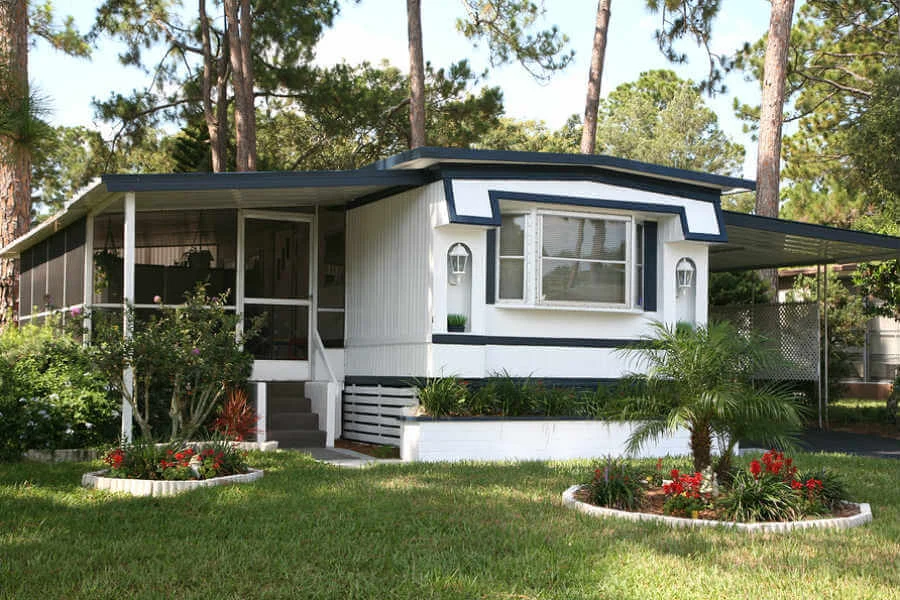
I had a lot of doubts about mobile homes before I started looking into them. Maybe you have the same worries. Let’s clear up the biggest myths that might be holding you back.
Myth 1: They’re flimsy and unsafe
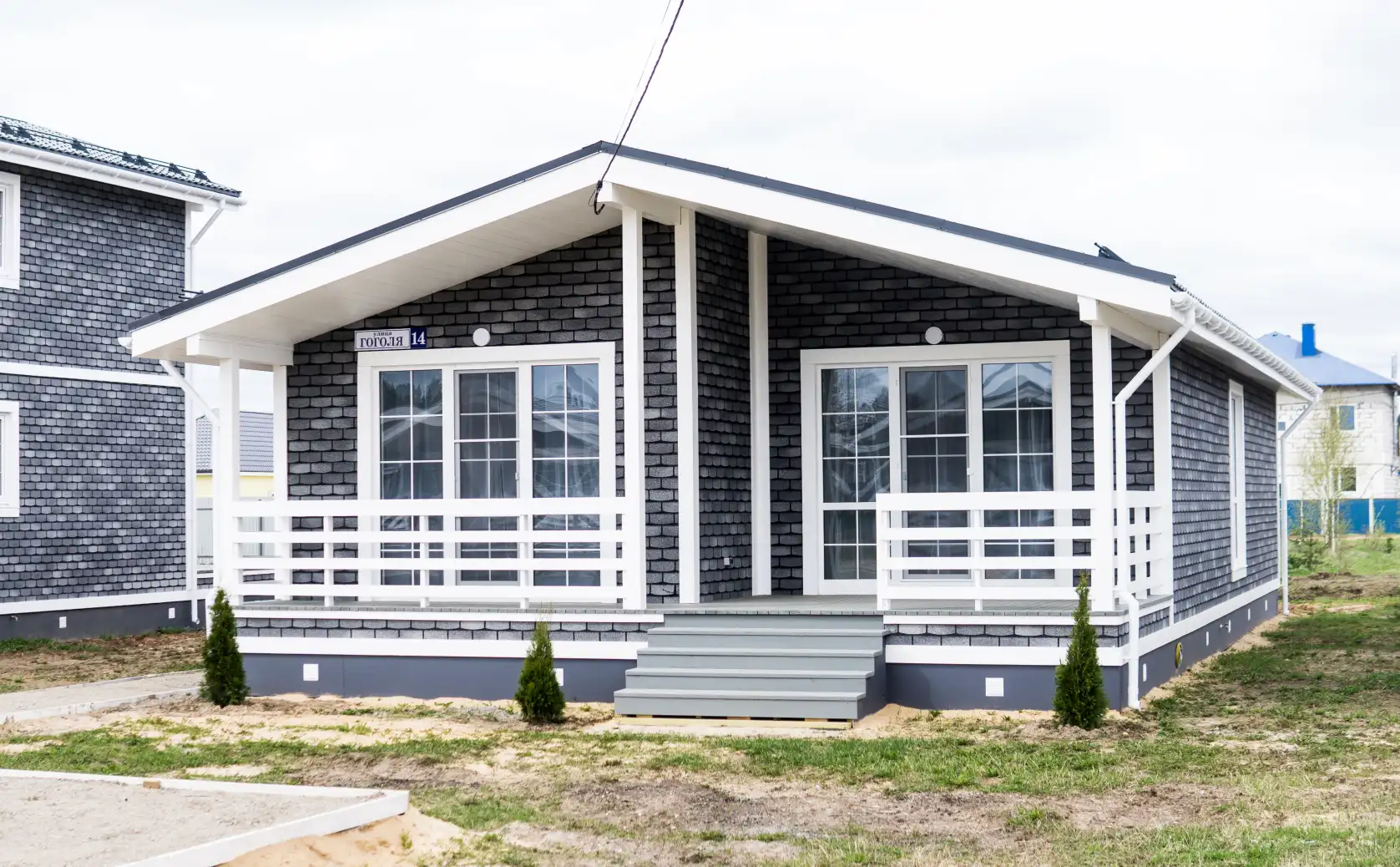
The truth is, since 1976, all modern manufactured homes are built to a strict federal HUD code. This code sets standards for safety, durability, and energy efficiency that are often tougher than some local building codes. The manufactured home quality is solid.
Myth 2: They don’t appreciate in value
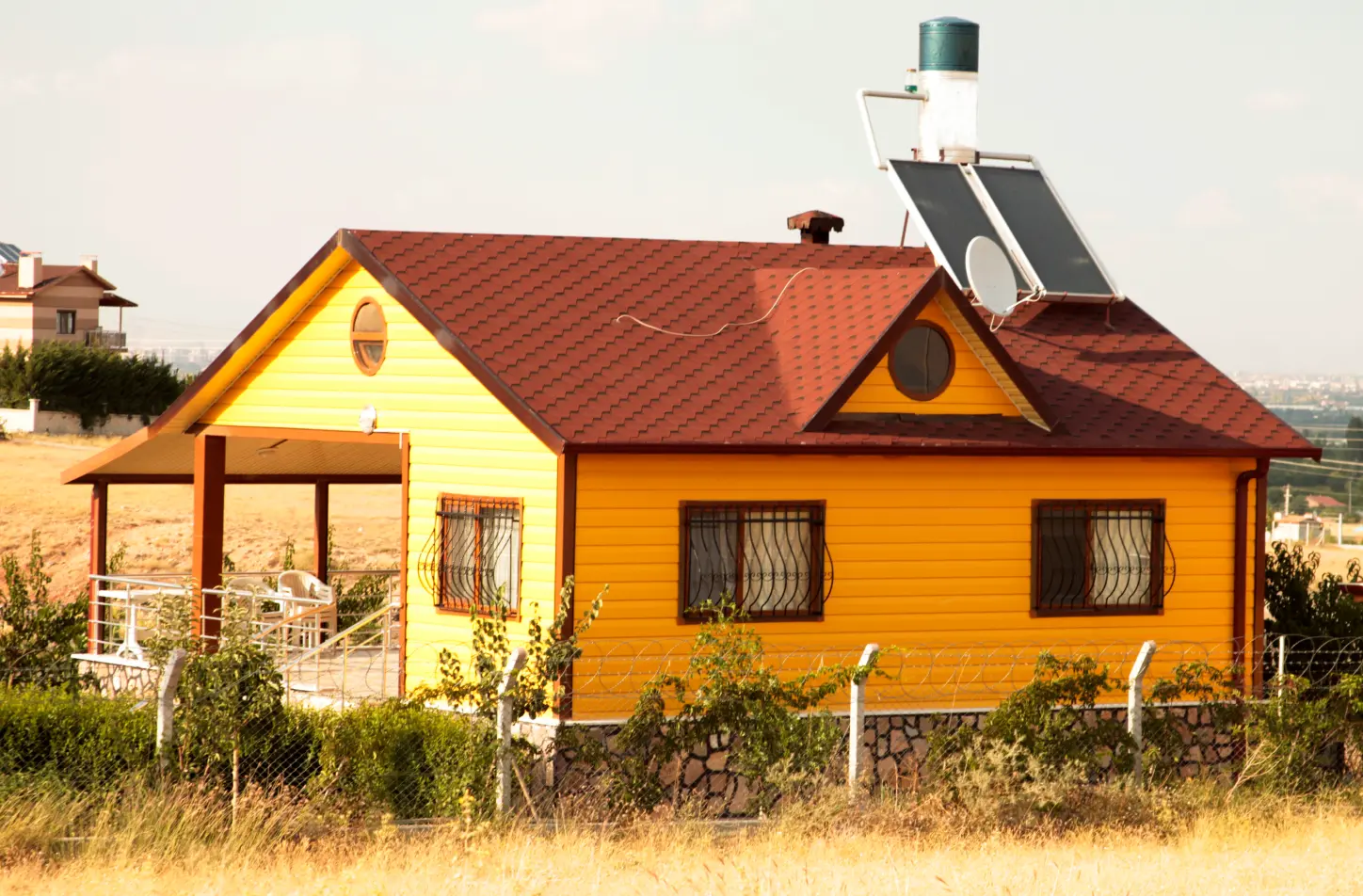
This is simply false. Data shows that manufactured homes have appreciated by 203.7% since 2000, a rate comparable to site-built homes. Like any property, value depends on location and upkeep, but the idea that they always lose value is a myth.
Myth 3: They’re only for rural areas

Common in rural spots, 33% of manufactured homes are actually placed in urban or suburban areas. You might be surprised to find communities near cities with easy access to schools and jobs.
Myth 4: They’re all tiny, cramped boxes

Walk into a multi-section manufactured home today, and you might not know the difference from a traditional house. The average new multi-section home is between 1,500 and 2,000 square feet, with open floor plans and modern features.
Myth 5: The communities are run-down

Some parks are older, but many modern communities are well-maintained with amenities like pools, playgrounds, and community centers. The national occupancy rate is a strong 94%, showing high demand for good-quality living.
3. Understanding Your Financing Options: Loans and Grants That Work

Figuring out how to pay for a home can feel overwhelming. I worried my single income wouldn’t be enough. But I discovered several loan programs designed to help people like us. The key is knowing where to look for manufactured home loans.
If you have a decent credit score, an FHA Title I loan is a great place to start. These loans are specifically for manufactured homes. You might be able to buy with a down payment as low as 3.5%.
For those living in eligible rural areas, the USDA Single Family Housing Direct Loan is a game-changer. The current interest rate is around 5.125%. The best part? It offers a no-down-payment option for qualified buyers. This can make single-parent home buying much more achievable.
If you’ve served in the military, explore a VA loan. This also requires zero down payment.
Don’t forget to search for local down payment assistance programs. These are often grants you don’t have to repay. And yes, you can use child support and alimony as qualifying income on your application. Lenders just need to see a consistent history of payments.
4. A Single Mom’s Step-by-Step Guide to Mobile Home Ownership

The process of buying a mobile home seems complex. I felt the same way. But breaking it down into clear steps made it manageable. Here is the manufactured home purchase process I followed.
Step 1: Check Your Credit

This is your starting point. You’ll typically need a minimum score of 580 for an FHA loan or 620 for a conventional loan. You can get a free credit report online. Knowing your score helps you understand what loans you qualify for.
Step 2: Get Pre-Approved
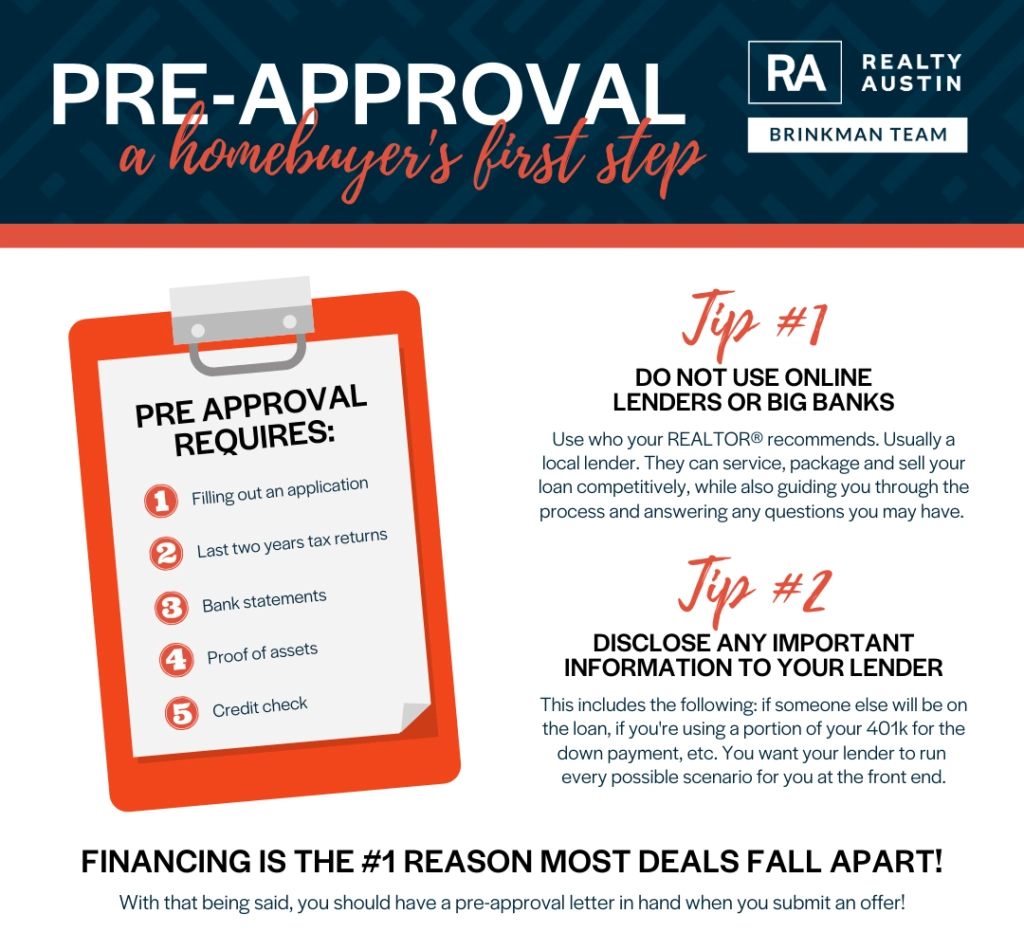
Before you even look at homes, talk to a lender. Get a pre-approval letter. This tells you exactly how much you can spend. It puts you in a stronger position when you find a home you love. This step is crucial for the single mom’s guide to budgeting.
Step 3: Find the Right Community

Not all parks are the same. Research is key. Look beyond the lot rent. Ask about rules, guest policies, and what amenities are included. Visit at different times of day to get a real feel for the neighborhood.
Step 4: The Home Inspection

For a new home, ensure everything is built to code. For a used home, a professional inspector can spot hidden issues like water damage or faulty wiring. This protects your investment.
Step 5: Closing the Deal

Understand how the home will be titled. Will it be considered personal property or real estate? This affects your loan type and taxes. Your lender and real estate agent will guide you through the final paperwork.
5. The Reality Check: Challenges and How to Overcome Them

This path isn’t without its mobile home challenges. Knowing about them upfront helps you prepare. I faced a few surprises, but found ways to handle them.
Zoning restrictions were my first hurdle. Some towns have rules against manufactured homes. I solved this by focusing my search on established communities. This is often easier than trying to place a home on private land.
Finding a community with an opening can be tough. The national occupancy rate is a high 94%. I started looking in the fall, when fewer people move. I also put my name on waiting lists at my top-choice parks.
Lot rent increases are a valid concern. My solution? I asked for a copy of the park’s rules and rental history before buying. I looked for parks with a history of small, predictable increases. Some states also have laws limiting how much rent can be raised.
Understand maintenance responsibilities. You typically own everything inside your home. The park maintains the land and common areas. Create a small savings fund for repairs, just like with any home.
For resale, remember that the home’s condition and the community’s rules affect value. Keeping your home well-maintained and choosing a desirable community are the best ways to protect your investment.
