
When 70 mph winds slammed into Sarah’s tiny home in coastal Oregon last winter, she thought her dream home might become her coffin. I felt my entire house lift off the ground, she recalls. In that moment, I realized how vulnerable we, tiny home owners, really are.
Your tiny home faces dangers that traditional houses don’t. The lightweight construction that makes your home mobile also makes it a potential projectile in high winds. Your compact footprint is a benefit for minimalist living, but it creates disproportionate risks when floodwaters rise or temperatures plunge below freezing.
The stakes are clear: tiny homes are 3.4 times more likely to suffer catastrophic damage during extreme weather events than conventional housing. Yet 67% of tiny home owners lack specific emergency plans.
Life-saving knowledge about tiny home safety in extreme weather conditions. The structural modifications that transform vulnerable tiny houses into weather-resistant tiny homes. Space-efficient emergency protocols designed specifically for limited square footage, and region-specific preparation strategies that address your local threats.
The Terrifying Reality of Tiny Home Living During Extreme Weather

1. The Unique Vulnerabilities of Tiny Homes During Extreme Weather

When Hurricane Helene battered the Southeast in 2024, tiny home owners faced a terrifying reality: what protects a conventional house can devastate a tiny house. Your tiny home’s vulnerability starts with physics.
The typical tiny home weighs just 10,000 pounds compared to a conventional home’s 100,000+ pounds, creating a dangerous weight-to-surface-area ratio that makes them significantly more susceptible to high winds. In fact, traditional homes can withstand winds of up to 90-110 mph, while many tiny homes on wheels begin to experience structural damage at wind speeds of just 45-60 mph.
Foundation limitations create another critical weakness. Mobile tiny homes typically rely on blocks, jacks, or temporary anchoring systems that simply can’t match permanent foundations during floods or high winds.

Inside your tiny home, space constraints limit emergency supply storage, and heating and cooling systems face extreme challenges during temperature spikes. With climate scientists reporting a 37% increase in extreme weather events affecting tiny home communities since 2020, these vulnerabilities demand immediate attention.
Quick vulnerability check: Is your tiny home secured to withstand at least 70 mph winds? If not, you need the modifications in the next section.
2. Essential Structural Modifications for Weather-Resistant Tiny Homes

My tiny home would be gone if I hadn’t installed hurricane strapping last summer, explains Denver tiny home owner Mia Chen, whose neighborhood saw 80 mph winds last October. Her experience highlights the most critical upgrade you need: a professional-grade tie-down system with auger-style anchors that penetrate at least 3-4 feet into the ground.

For your windows and doors, standard tiny home windows typically shatter at 50+ mph winds. Upgrade to impact-resistant glass rated for your region’s wind speeds, which typically costs $1,000-3,000 but prevents catastrophic structural damage that averages $12,000+ in repairs.
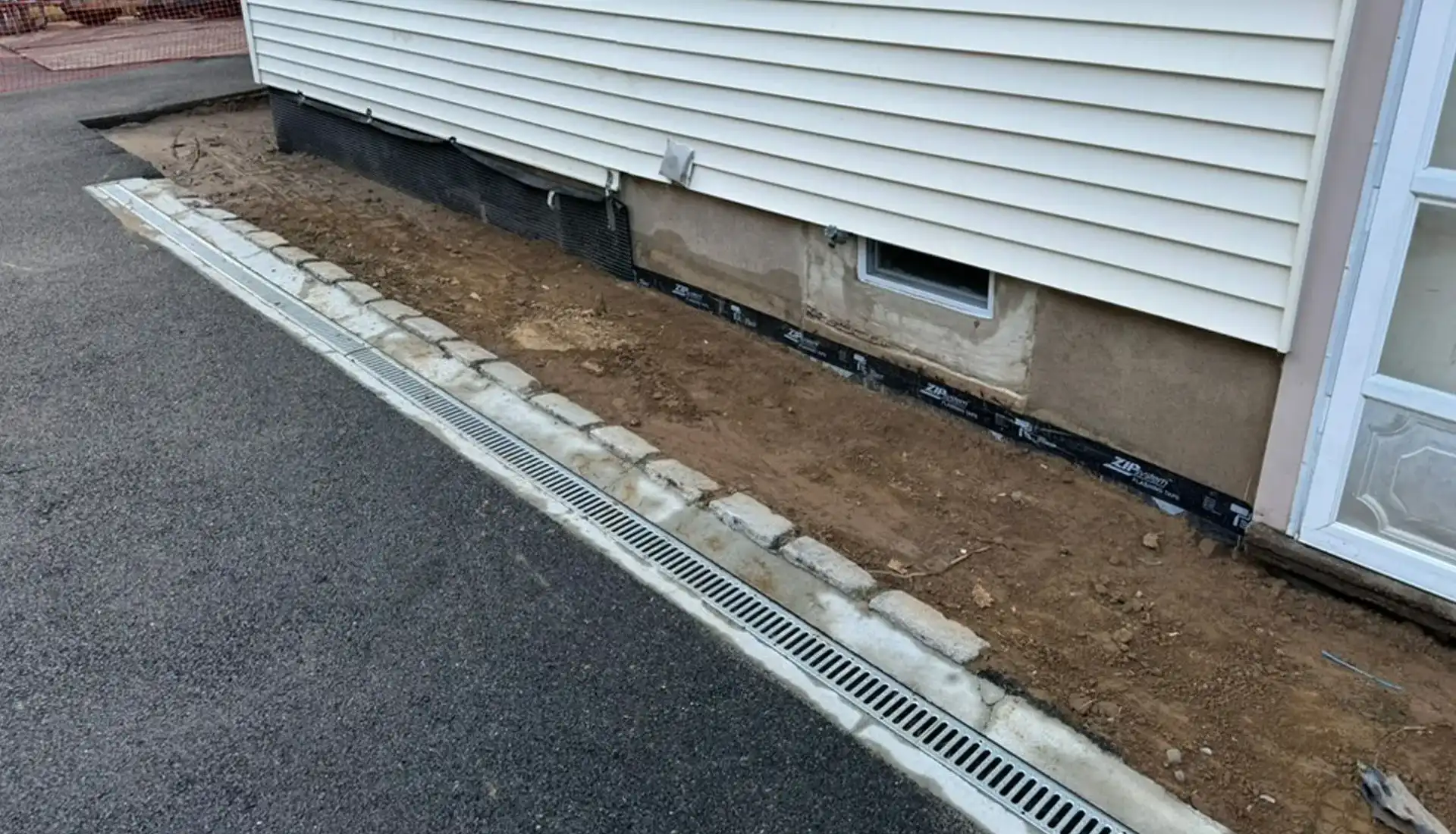
Temperature extremes demand proper insulation, aiming for R-25 in walls and R-40 in roof areas. Add French drains around your site for flood protection, and replace standard wood siding with fiber cement board to improve fire resistance by up to 300%.
The cost difference is stark: preventative modifications average $4,500, post-disaster repairs typically exceed $15,000, and that’s if your tiny home survives at all.
Next step: Identify your region’s primary threat (wind, flood, fire, or extreme temperatures) and prioritize the corresponding modification first.
3. Tiny Home Emergency Preparedness: The Complete Checklist

A staggering 78% of tiny home owners lack proper emergency plans. Don’t be one of them. Your limited space demands strategic thinking.
Start with vertical storage solutions, install ceiling-mounted emergency kits with essentials stored in vacuum-sealed bags. The Tiny Home Survival Cube ($149) packs 72 hours of supplies into just 1 cubic foot.

Your documentation needs waterproof protection. Keep digital and physical copies of insurance policies, home specifications, and evacuation routes in a watertight container. My tiny home insurance papers saved me $17,000 after flooding, reports Portland tiny homeowner Jake Miller.

For off-grid scenarios, invest in a hand-crank emergency radio with USB charging capabilities. Solar-powered options like the GoalZero Lighthouse 600 serve triple duty as light, charger, and radio.
If your tiny home has wheels, establish three evacuation routes and practice hitching up under time pressure. The average tiny home evacuation takes 47 minutes too long in a fast-moving disaster.
Action step: Create your evacuation timeline and practice it this week.
4. Regional Extreme Weather Threats for Tiny Home Dwellers

Your tiny home’s location determines your biggest threat. According to NOAA’s 2025 climate assessment, the Southeast faces a 43% increased hurricane risk, the West continues to see unprecedented wildfire expansion, and the Midwest tornado corridor has widened by 80 miles.
If you’re in coastal areas, your primary concern is storm surge, which damaged 61% of the affected tiny homes in 2024. You must elevate your structure at least 3 feet above base flood elevation and install quick-disconnect utility systems.
For wildfire zones, create a 30-foot defensible space and invest in ember-resistant screening for all vents. Wildfire insurance claims for tiny homes averaged $41,200 in 2024-2025, making prevention essential.
Tornado-prone regions require underground storm shelters; no tiny home structure can withstand EF3+ winds. Meanwhile, extreme winter regions need redundant heating systems and insulation rated for temperatures 20° below your area’s record low.
Location check: Is your tiny home in the right place for its construction type? If not, consider relocation or substantial upgrades.
5. Real Stories: Tiny Home Survivors of Catastrophic Weather

I woke to my entire tiny home shaking violently. The hurricane straps I installed just three months earlier were the only reason I’m alive today. Sarah Jensen’s Colorado tiny home survived 86 mph derecho winds in June 2024 while neighboring structures failed.
In California, Mark and Leila Wong credit their wildfire survival to metal roofing and fiber cement siding. We watched embers bounce off our roof, conventional homes burned, Leila recalls. The extra $3,800 for fire-resistant materials saved everything we own.
The most surprising account comes from Louisiana’s Bayou communities, where Jason Thibodeaux elevated his tiny home 7 feet on reinforced stilts. The floods took homes around us, but we stayed dry through the worst of it.
One common thread emerges: those who survived didn’t just react, they prepared specifically for their region’s threats months or years before disaster struck.
Personal assessment: Which of these success stories matches your tiny home’s needs? Start there.
6. The Financial Reality: Insurance, Costs, and Recovery

The average tiny home owner faces a shocking $23,000 in out-of-pocket expenses after severe weather damage due to insurance gaps. Your financial protection starts with specialized coverage.
In 2025, only three major insurers offer comprehensive tiny home policies: Liberty Mutual’s Tiny Shield, Allstate’s Micro-Dwelling Protection, and the specialized Tiny Home Insurance Exchange. Each covers different threats; make sure yours matches your regional risks.
The math is clear: preventative measures ($4,000-6,000) cost far less than repairs ($18,000-30,000) or total replacement ($60,000-120,000). If the budget is tight, apply for a Home Resilience Grant. The Federal Housing Administration now offers up to $7,500 for weather-resistant tiny home upgrades.
For successful claims, you need four critical documents: detailed home specifications, professional photographs of all modifications, receipts for all weather-resistant features, and a certified appraisal updated yearly.
Financial readiness check: Does your current policy specifically name your highest regional threat? If not, you’re essentially uninsured for your most likely disaster.
Next step: Schedule an insurance review with an agent experienced in tiny home coverage this month.
