When temperatures plummet to -40°F in the Yukon, most tiny houses would fail, but these 15 designs thrive in conditions that would freeze ordinary homes solid. You’ve probably heard people say tiny houses can’t handle real winters. They’re too small. Too poorly insulated. The pipes will freeze. You’ll spend a fortune on heating bills.
Most tiny houses can’t handle extreme cold. But some can. The difference comes down to specific design choices that most builders ignore. You’re confused about insulation requirements. What even is an R-value? How much do you need? R15? R30? R44? Nobody explains it in plain English.
You’re worried about frozen pipes, condensation problems, and heating systems that quit when temps drop below zero. You need proof that winterized tiny homes actually work, not just theory from someone who’s never spent a winter in one.
What Makes a Tiny House Cold-Climate Ready?
Most tiny houses won’t keep you warm in real cold. They’re built like RVs meant for mild weather and short trips. But cold-climate tiny houses are different. They’re built with specific features that let you stay cozy even when it’s -40°F outside.
Your Walls Need Serious Insulation
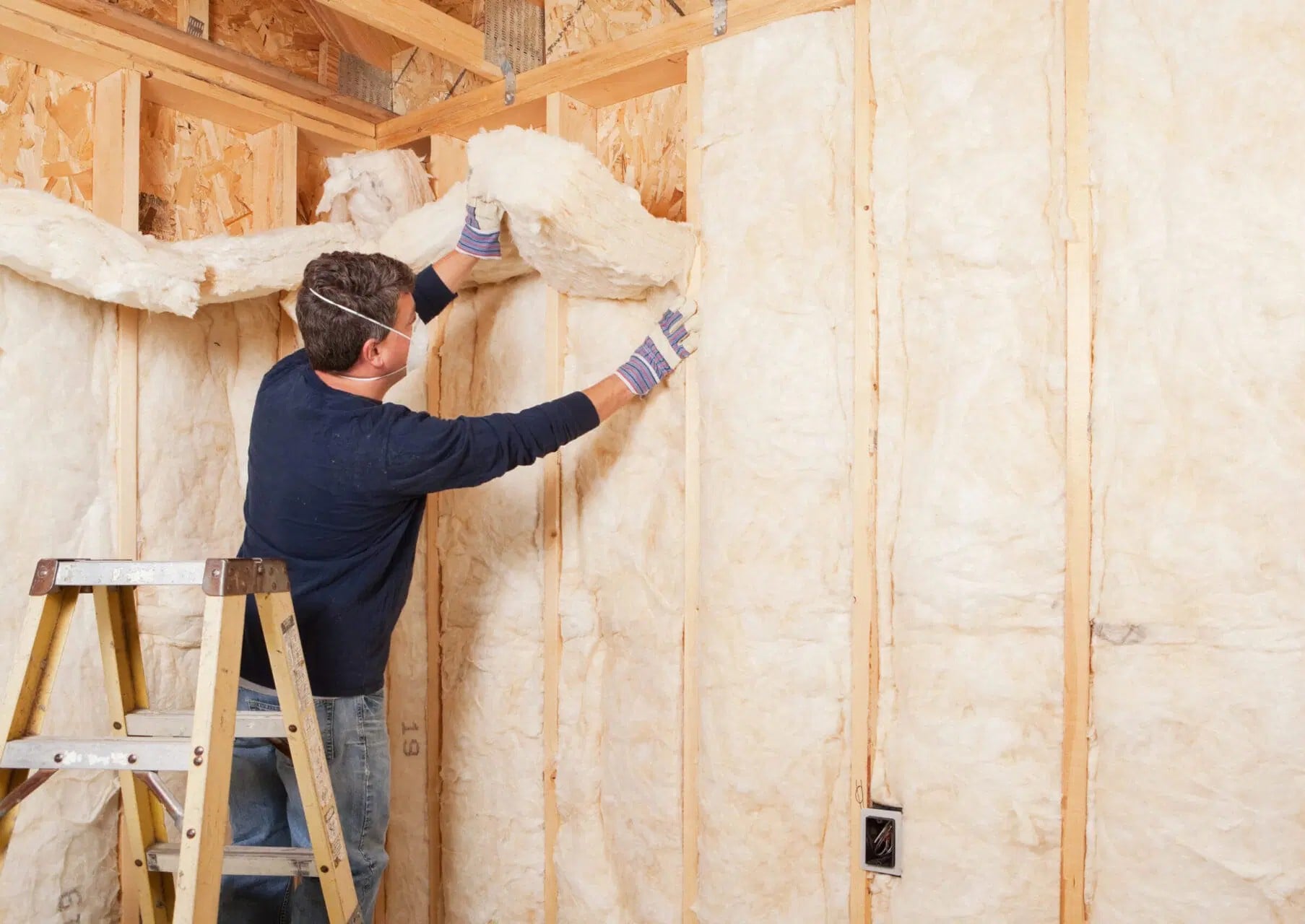
Standard homes use insulation measured in R-values. Higher numbers mean better protection from cold. For a cold climate tiny house, you need at least R15 in your walls. The floor matters too. You need R30 to R40 down there. Cold air under your trailer will freeze you out faster than you think.
Compare this to a regular RV. Most have R5 to R7 insulation. That’s why RV owners head south for winter. A proper cold climate tiny house has R17 to R44, depending on where you build it. The Minimaliste Charme uses R34 in the floor, R24 in the walls, and R44 in the roof. It handles Canadian winters without breaking a sweat.
Windows Can Make or Break You

Triple-pane windows are the standard for Alaska and similar climates. They cost more up front. But they’ll save you hundreds in heating bills every winter. One tiny house owner in Colorado learned this the hard way. She has 14 double-pane windows and now wishes she’d gone with fewer, better windows.
Stop the Sneaky Heat Loss

Thermal bridging sounds complicated. It’s not. It occurs when heat escapes through the metal and wood parts of your walls, rather than through the insulation. Your trailer’s metal parts act like heat highways leading outside.
Add a vapor barrier. This thin layer prevents moisture and helps control the flow of air through your walls. Get this wron,g and you’ll grow mold inside your walls. The Tumbleweed houses use rock wool insulation with proper vapor barriers. They hit R17 to R18 and work in Alaska winters.
The Leaf House version.3 goes even further. It uses vacuum-insulated panels in the Yukon, where temperatures drop to -50°C. These panels pack massive insulation into thin spaces, perfect for tiny houses.
The 15 Best Tiny House Designs for Cold Climates
You need proof that tiny houses work in real winters. Not just theory. Not just pretty pictures. You want to see designs that actual people live in when it’s -40°F outside.
#1. Minimaliste Charme (Quebec, Canada)

A family of four lives in this 330-square-foot house through Canadian winters. Let that sink in. The Charme starts at $97,500. That might sound steep. But look at what you get: R34 insulation in the floor, R24 in the walls, and R44 in the roof. Those numbers beat most regular houses in cold climates.
The heating system uses radiant floor heating. Your feet stay warm even when it’s freezing outside. Add a mini-split AC unit for summer cooling and heat recovery ventilators to keep air fresh without losing heat.
This house has high airtightness similar to Passive House standards. It holds a steady temperature using very little energy. The family has lived through multiple harsh Canadian winters without issues.
The triple-axle trailer means it’s not moving often. But that wider base gives you real living space. Two bedrooms are connected by a catwalk. Parents and kids each get their own space.
#2. Leaf House Version.3 (Yukon Territory)

When Yukon College needed housing for staff in Pelly Crossing, they didn’t mess around. They built for -50°C temperatures.
This 97 square foot house weighs under 5,000 pounds. It uses Insulated Panels, the same technology in high-end coolers and spacecraft. These panels pack extreme insulation power into thin walls. You get maximum protection without losing precious interior space.
The house sits in a town of 230 people where most homes would fail. But this one serves as a full-time instructor accommodation. That means someone lives here every single day, through the worst winter conditions imaginable.
A Murphy bed folds up during the day. Curtains replace heavy cupboards. Every choice saves weight and keeps insulation high.
#3. Minimaliste Ébène

The Ébène uses hydronic underfloor heating. Hot water runs through pipes under your floor. The whole floor becomes a giant radiator. You never step on cold floors again. The system runs on electricity and uses a thermostat for easy control.
It’s rated to -40°F. That’s where Fahrenheit and Celsius meet, cold enough to freeze exposed skin in minutes. Add in two heat exchangers and an electric fireplace, and you’ve got backup systems when you need them.
The black cedar exterior isn’t just pretty. It handles temperature swings without warping. The triple-axle trailer at 36 feet by 10 feet means this house won’t move often. But it gives you apartment-level space inside.
The ground floor alone measures 360 square feet. That’s bigger than some studio apartments. You get a full-sized bath with a shower, a washing machine, a dryer, and room for a dining table that seats six people.
#4. Tumbleweed Tiny House RV (Alaska-Ready)

Tumbleweed builds houses for Alaska winters. They’ve tested their designs in the coldest parts of the state.
Their cold climate model uses R17 to R18 rock wool insulation. The floor gets 3 inches of insulation plus a vapor barrier that adds another R3. That’s R20 to R21 total under your feet. Compare that to the R5 to R7 in standard RVs.
The gable roof isn’t just for looks. Snow slides off instead of piling up. Less weight on your roof means less chance of leaks and damage. One Alaska owner put all his windows on the south side to catch maximum sunlight for passive heating.
Tumbleweed also sells as a certified green builder. They use energy-efficient windows as standard. Some Alaska owners stick with smaller windows to reduce heat loss. More wall space means more insulation and less cold coming in.
#5. Teacup Tiny Homes (Canada)

“Winter heat in the tiny, -27 outside, overnight it was -40. Inside the tiny, it is +28, and underneath the tiny is -8.”
Those aren’t marketing numbers. That’s a real person in a real winter. When it’s -40°C outside, and you’re sitting in +28°C inside, your house works.
Teacup builds in Canada specifically for Canadian winters. They design strategic mechanical systems that keep working when other houses fail. Their focus isn’t on looking cute for Instagram. It’s not freezing to death.
They also offer The Teacup Academy—an online training portal. You learn how to set up, maintain, and fix your house. No guessing. No panicking when something goes wrong at -30°F. You get real-time project tracking and direct messaging with builders during construction.
The company tests its systems in real Canadian winters before selling them. They know what breaks in extreme cold because they’ve seen it happen and fixed it.
#6. Minimaliste 2024 Noyer XL

At 38.5 feet long and 10.5 feet wide, this house feels like an apartment. That extra width requires a towing permit. But most buyers aren’t moving this often anyway.
The 2024 version adds 3.5 feet over the previous model. Every extra foot gives you storage and living space. The design includes storage drawers that slide out from under the raised living room floor.
This house handles both extreme heat and extreme cold. You’ll stay comfortable in Texas summers and Montana winters. The insulation levels match Minimaliste’s other cold climate builds. The builder has years of experience with Quebec winters—some of the harshest in North America.
The kitchen feels spacious with a full fridge/freezer, oven, sink, and propane stove. There’s a breakfast bar with stool seating. The bathroom connects to a hallway with a separate washing machine and dryer.
#7. Movable Roots Farina

This 28-foot house uses closed-cell spray foam insulation. That’s important. Closed-cell foam acts as its own vapor barrier. You don’t need a separate moisture barrier layer. It also has the highest R-value per inch of any common insulation.
Double-paned windows keep heat in. The heated floor option means you can add radiant heating if your climate needs it. The design works in both cold and warm areas, a plus if you might relocate someday.
The Farina is smaller than some cold-climate designs. That makes heating easier and cheaper. A smaller space needs less energy to stay warm. The orange sofa-bed in the living room works for lounging and sleeping.
#8. Minimaliste Nomad 30′

At 400 square feet, this is one of the larger travel trailers in Minimaliste’s line. It starts at $90,000 and includes a 9,000 BTU mini-split system right above the entrance door.
The steel siding combines two different types. Black vertical steel sheets mix with woodgrain imitation steel. The woodgrain steel is maintenance-free and UV-resistant. It won’t fade or need painting.
The Furrion 12V refrigerator runs on DC power, perfect for off-grid or on-the-road living. The propane range and oven work even when electricity fails. You can add a 2-in-1 washer/dryer combo or use that space for extra storage.
The master bedroom fits a queen-size bed with storage underneath. There are cabinets throughout and a pull-out tray with a microwave in the tall pantry. Everything has a place.
#9. DIY Cold-Climate Design (Ben Hayward, Ottawa)

Ben Hayward built this as a research project for cold climates. He used 2×6 wall studs instead of standard 2x4s. That extra width lets you pack in more insulation.
The pulley bed system is genius. The bed retreats up into the ceiling in seconds. No cramped loft. No ladder blocking your kitchen. You get an open living space during the day and a real bed at night. He’s designing a detachable dining table that tucks under the bedroom for eight people when you need it.
The construction focuses on recyclability. When this house eventually needs to come apart, the materials can be reused or recycled. Spray foam lasts forever, but ends up in landfills. This design thinks ahead.
#10. Acorn Purple Heart Manor

This 43-foot gooseneck design has serious curb appeal. The stone veneer exterior (made from non-combustible foam) gives it an English cottage vibe. The W-shaped roofline isn’t just pretty; it collects rainwater.
Gooseneck designs give you extra height in one section. The living area has an overhead skylight for natural light. The sofa bed provides a flexible sleeping space. The center table and storage cabinets maximize the space.
At 43 feet, you’re getting substantial square footage. The storage-integrated design means your stuff has a home. Tiny living works better when you can actually store the things you need.
The sweeping roofline helps with snow shedding in winter. The four-axle trailer provides stability on the road and when parked. This house was designed to look unique while handling weather extremes.
#11. Mt. Rainier by Movable Roots

At 419 square feet, Mt. Rainier is the largest 8.5-foot-width lofted model from Movable Roots. That measurement matters. 8.5 feet is the maximum width for towing without permits in most places.
The standing seam metal roof handles snow load and sheds precipitation well. The LP Smart Panel exterior with rough-sawn trim looks modern while providing durability. Inside, T&G plywood decking floors and white satin-finished walls create a bright, open space.
The 30-foot length on a double-axle trailer gives you room without going huge. The galley kitchen includes full appliances. Windows throughout bring in natural light without sacrificing too much insulation.
#12. Wyoming Mountain Tiny (Real Homeowner Example)

This is where honesty matters. This couple built their house with R18 rigid foam insulation and 14 double-pane windows. Then they moved to the Colorado Rockies for the winter.
Reality hit hard. Their propane pipes froze in the tankless water heater. Cost to fix? $235 for new parts. Then they bought a $380 propane tank blanket to prevent future freezing. They only bought one blanket, so they swap it between tanks when they swap propane.
They wish they’d installed the water heater inside the insulated part of the house. Many builders put them outside on the trailer tongue to save interior space. Bad idea in extreme cold.
#13. Off-Grid Wyoming Tumbleweed (Ariel’s Fy Nyth)

Ariel lives completely off-grid at 6,000 feet in elevation in western Wyoming. Her 160 square foot Tumbleweed Cypress has survived six winters, including temperatures down to -30°F.
She has three heat sources. Her main system is a wood-burning stove. Her secondary and backup systems kick in if needed. After her propane heater failed during a winter flu episode, she decided multiple heat sources were non-negotiable.
Her solar setup cost $3,500 total, batteries, wiring, generator, everything. She skips high-energy devices. No TV. No electric heating or AC. No large fridge. No hairdryer. No toaster. This lets her use a small, affordable solar system instead of a $60,000 setup.
#14. New England Timber Frame Design

Multiple builders in New England work on cold-climate designs. Cedar Knoll Log Homes and Upstate Tiny Homes both focus on weather resistance and quality construction.
These designs use 2×6 studs minimum. Some experimental builds test SIPs (Structurally Insulated Panels) with R60 vacuum insulation. That’s experimental cutting-edge tech. Most homes don’t need R60. But in the coldest zones, it could make sense.
Triple-pane windows come standard in these climate zones. New Hampshire and Vermont winters demand serious windows. Some tiny home windows look like single-pane glass completely wrong for this area.
The focus is on craftsmanship. These aren’t factory builds. They’re timber frame construction with attention to thermal bridging, proper vapor barriers, and air sealing. The builders have 75+ years of combined experience with regional weather.
#15. Montana Research Tiny (Bozeman Study)

This house exists for science. Researchers at Montana State University built and monitored it to test energy efficiency strategies in cold, dry climates.
The house stays under 400 square feet. It has sensors and monitoring equipment measuring temperature, humidity, energy use, and air quality. The team tested different insulation strategies, ventilation systems, and heating methods.
This is a data-driven design. Not guesswork. They used calibrated simulation models to predict performance, then tested real-world results. The research helps identify which strategies actually reduce energy consumption while maintaining thermal comfort.
The study looked at building envelope performance, ventilation efficiency, and passive heating/cooling options. The goal was to find what works best for tiny houses, specifically not just applying standard home-building techniques.
Critical Heating Systems for Cold-Climate Tiny Houses
You’ve got great insulation. Now you need a heating system that won’t quit when it’s -20°F outside. They pick a heater based on price or what looks cool. Then winter hits, and they’re freezing or burning through propane like crazy. Let’s fix that.
Mini-Split Heat Pumps That Actually Work in Cold

Most heat pumps struggle below 30°F. They start using backup electric coils that cost a fortune to run. You need something different.
Mitsubishi Hyper-Heating INVERTER (H2i) systems work down to -13°F while still providing 100% heating capacity. That’s not marketing talk. These systems actually heat your house in extreme weather without costing you a fortune.
Fujitsu makes similar cold-climate units. Look for SEER ratings of 20 or higher. Higher SEER means more efficient operation. If you’re off-grid, go as high as you can afford. You need every watt of efficiency.
The mini-split mounts on your wall. No floor space lost. No ductwork needed. You get both heating and cooling from one system. Installation takes about a day.
Wood Stoves for Real Heat

A wood stove makes about 3,000 BTUs, good for a tiny house. Too much bigger and you’ll roast yourself out. Too small and you’ll freeze.
Here’s what matters: Your stove needs a fresh air intake from outside. Otherwise, it sucks air from every crack in your house, making the edges cold. A proper intake brings combustion air directly to the firebox.
Ariel in Wyoming uses her wood stove as primary heat. She lives at 6,000 feet, where winter is serious. Her backup? Two other heat sources. Because when your propane heater fails at -30°F while you have the flu, you learn fast that one heat source isn’t enough.
Propane Furnaces for Set-It-And-Forget-It Heat

Propane furnaces need 120 volts to run the igniter and fan. They’re lightweight. Clean burning. The firebox vents outside, so you only get warm, dry air inside.
The furnace needs to be built into a cabinet. That takes up storage space. But a heater has to go somewhere. You’ll need propane tanks and refills. In extreme cold below -20°F, the additive that makes propane smell can clog the intake line. You have to disconnect and drain the line to get gas flowing again.
Many tiny house owners use the Dickinson Marine Newport P12000 Propane Fireplace. It mounts on the wall and provides consistent heat without taking up floor space.
Essential Winterization Features Beyond Insulation
Good insulation keeps heat in. But you need other systems to survive real winters without problems.
Ventilation Without Losing All Your Heat

You need fresh air to prevent moisture buildup and mold. But opening windows in -30°F weather is insane. You need mechanical ventilation.
The Lunos e2 ventilation system solves this. It’s compact and energy efficient with built-in heat recovery. As stale air goes out, it warms incoming fresh air. You get ventilation without freezing.
This system was used in the Leaf 3 tiny house in the Yukon, where temperatures hit -50°C. It needs minimal room to install. If it works there, it’ll work anywhere.
RV-style roof holes with plastic covers don’t cut it in cold climates. You need a real duct system. But with limited space, that’s tough. The Lunos e2 gives you proper ventilation without eating up your interior space.
Pipes That Won’t Burst When Frozen

Standard pipes burst when water inside freezes and expands. You wake up to flooding and expensive repairs.
PEX piping (cross-linked polyethylene) resists bursting even if the water inside freezes. It’s flexible. It expands slightly when frozen instead of cracking.
Never install pipes on exterior walls. That’s asking for trouble. Keep all plumbing in the interior core where heat protects it. Wrap exposed pipes for extra protection.
One Wyoming couple paid $235 to replace frozen propane pipes in their tankless water heater. Then they bought a $380 propane tank blanket. Some lessons cost money to learn. Skip exterior water heater installations in cold climates; keep them inside where they’re protected.
Skirting Saves Your Floor from Freezing

Wind blowing under your trailer will freeze your floor, no matter how good your insulation is. Skirting blocks that wind.
Skirting is basically a barrier from the bottom of your house to the ground. It traps dead air space underneath. That airspace adds insulation value and stops convective heat loss.
In extreme cold climates, skirting isn’t optional. It’s required. Your trailer floor is always going to be your coldest surface. Skirting gives you a fighting chance to keep it warm enough.
Heated Water Hoses for Winter Living

Your fresh water supply will freeze solid without a heated hose. These hoses have built-in heating elements that keep water flowing even in frigid temps.
Buy a drinking-water-safe heated hose. Check connections for leaks before winter hits. A leaking heated hose in sub-zero weather creates an ice rink around your house.
This sounds like a small detail. It’s not. Without flowing water, you’re hauling jugs from somewhere else. In -20°F weather, that gets old fast.