
Matt and Lisa met on a dating app. One year later, they built a jet-black tiny house that got 50 million views on YouTube.
Most people think tiny houses mean cramped lofts and sacrifice. Matt and Lisa’s ultra-modern tiny house features a double shower, a full kitchen, and ample standing room throughout. Cost: $90,000.
Matt and Lisa pay zero for energy. Traditional homes cost $300 monthly. Tiny houses work as an affordable housing alternative.
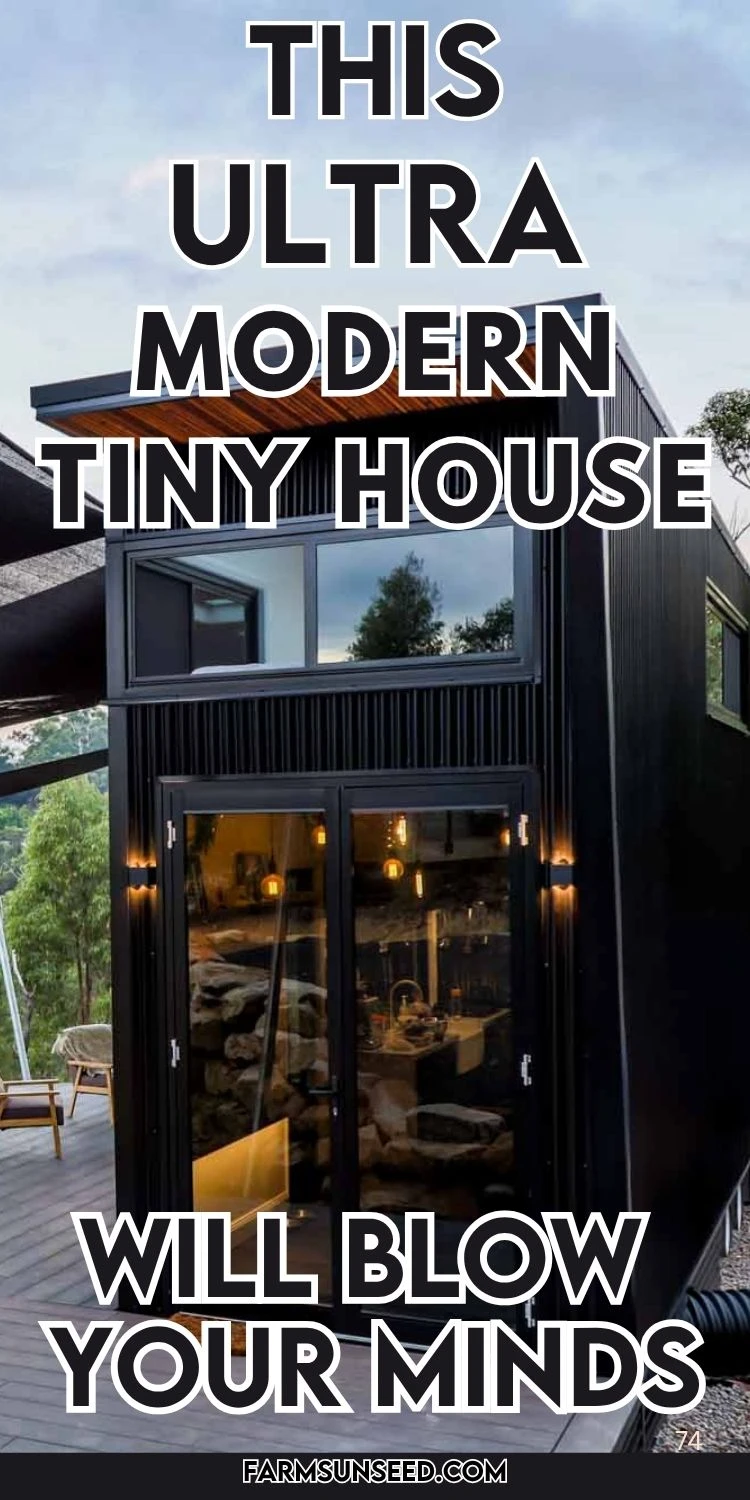
The Dating App Match That Built a $90K Masterpiece
How a Dating App Led to a $90K Tiny House
Lisa wanted a tiny house. Matt knew how to build. They matched on a dating app and combined their obsessions.
Matt runs Hobbs Group, a kitchen and bathroom remodeling business in Australia. His professional skills show in every detail of their custom tiny house build. Lisa brought the vision. Matt brought the expertise.
Where They Built and How Long It Took

They picked a 16-acre property in the Blue Mountains, NSW, Australia. Remote. Quiet. And great for their experiment.
The build took one year. Matt and Lisa did most of the work themselves. They called in favors from friends in the trades. Boxes of beer changed hands. That’s how you keep a tiny house on wheels budget under control.
Final cost: $90,000 AUD (roughly $59,000 USD in 2025 dollars).
The Real Numbers: Size and Cost
The house measures 22 square meters (237 square feet). That’s smaller than most studio apartments. But it doesn’t feel small.
Matt built it taller than standard tiny houses. 14 feet high instead of the usual 13 feet. That extra foot changes everything. Standing room in the loft. No ducking. No crawling into bed.
The downside is that it requires special permits to move. Most roads have height restrictions. Matt and Lisa don’t care. They’re staying put.
What Makes This Design Different
The exterior is jet black metal with cedar trim. Bold. Modern. Different from every other tiny house you’ve seen. Modern shade cloths cover the deck, creating extra outdoor living space.
That design caught attention. Their YouTube tour hit 50 million views. People couldn’t believe a tiny house could look this good.
From Personal Project to Business
Matt and Lisa turned their success into a business. They now run Tailored Tiny Co., helping others build modern tiny houses. Their original home is available on Airbnb. You can stay there and test tiny living before committing to your own DIY tiny house cost.
The dating app match worked out. The house worked out. And the $90,000 investment beats a traditional mortgage any day.
7 Design Features That Make This Tiny House Work
1. Extra Height = Standing Room Everywhere

Most tiny houses force you to crawl into bed. This one doesn’t.
Matt built the house 14 feet tall instead of the standard 13 feet. That single foot makes you feel like you’re in a real house, not a cave. You can stand up in the loft bedroom and walk normally without hunching over or bumping your head every morning.
The guest loft has a walkway connecting both sleeping areas. Your guests don’t have to climb a ladder in the dark. They walk like normal humans between spaces.
This tiny house design feature costs more in permits, but it’s worth every dollar.
2. Double Shower

The bathroom is bigger than most tiny house bathrooms. Matt and Lisa installed a double shower where two people can shower at the same time in a 237-square-foot house.
Mirrored walls with hidden storage make the bathroom feel massive. The reflection tricks your brain into forgetting you’re in a tiny space.
The tiling work looks like something from a luxury hotel. Matt’s professional background shows in every detail. This isn’t a cheap RV bathroom with plastic walls and cramped corners.
3. Full Kitchen Under the Stairs

The kitchen has everything you need: a deep sink, a compact dishwasher, and a four-burner gas stove. Nothing is missing from this setup.
Matt fitted the fridge and oven under the staircase, using dead space that most people waste. The counter provides plenty of space for meal prep, so the kitchen doesn’t feel cramped when you’re cooking.
You can cook real food here, not just reheat microwave meals. This multi-functional design proves tiny houses don’t mean sacrificing your kitchen.
4. His and Hers Wardrobes
Double mirrors hide two separate wardrobes with his clothes on one side and hers on the other. Both wardrobes have enough storage for two people’s complete wardrobes, including jackets, shoes, and everything else.
The mirrors create room separation between the living area and bathroom. They provide a visual break and privacy without needing to build actual walls.
Space-saving furniture doesn’t have to mean less storage space.
5. Cat Run

Matt built an outdoor cat run in the back where their cats can exit through a small door. The cats do their business outside, so there’s no litter box taking up space inside the house.
The enclosed space keeps the cats safe from escaping or getting hurt while they get fresh air. This small detail makes a big impact on daily life when you’re living in 237 square feet.
6. Skylights Across Entire Roof

A series of skylights spans the entire length of the roof. Natural light floods the house all day, reducing the need for electric lights and lowering energy bills.
The bright rooms make the space feel twice as big since dark rooms always feel cramped. You can see the sky change throughout the day, with stars visible at night and rain visible in the morning.
7. Modern Shade Cloths on Deck

The deck has modern shade cloths that provide weather protection. This creates extra outdoor living space for entertaining, so guests don’t have to crowd inside the tiny house.
You can use the deck in rain or shine since the shade cloths block both sun and rain. This adds more usable square footage without having to build more actual house.
These tiny house design features cost money upfront, but they save headaches forever.
What an Ultra-Modern Tiny House Actually Costs in 2025
The Three Main Building Options
A DIY build costs $30,000 to $60,000 if you have construction skills and time. You buy materials and do the work yourself, with maybe some help from friends.
Prefab kits range from $9,500 to $151,700, depending on how much comes assembled. The cheapest kits are just materials and blueprints. The expensive ones arrive nearly finished.
Custom professional builds cost $50,000 to $175,000 or more. You hire experts to design and build everything. Matt and Lisa’s build cost $90,000 AUD, which equals roughly $59,000 USD in 2025 dollars.
Where Your Money Goes
Materials eat up 30% to 50% of your tiny house cost 2025 budget. That’s $14,000 to $52,000 for lumber, countertops, flooring, siding, roofing, and insulation. Marble countertops cost more than laminate. Your choices determine the final number.
Labor takes another 30% to 60% if you hire professionals. Matt and Lisa avoided most labor costs by doing the work themselves and trading beer for help from friends in the trades.
A trailer for a tiny house on wheels costs $4,500 to $9,000. You need a heavy-duty trailer that can handle the weight. Cheap trailers crack under the load.
Permits run $1,000 to $2,000 in most areas. Some cities require tiny houses to meet the same codes as regular houses. Others have looser rules.
Solar panels cost $4,250 to $11,900 if you want to go off-grid. The upfront cost is high, but you pay nothing for electricity after installation.
The Costs Nobody Mentions
Land costs $3,000 to $150,000 per acre, depending on location. Rural land is cheap. Land near cities costs a fortune. Some people skip this by parking on family property. A foundation costs $3,000 to $9,000 if you’re building on land instead of wheels. Concrete slabs cost more than gravel pads.
Utility hookups range from $250 to $20,000. Connecting to city water and sewer in a rural area gets expensive fast. Off-grid systems avoid this cost. Appliances add $1,000 to $4,000 to your building budget. Tiny house appliances cost more per item than full-size versions.
