
I called 100 RV parks, campgrounds, and property owners. Only seven said yes to my tiny home. Here’s what I learned.
Finding tiny home parking is the biggest barrier for people interested in tiny homes, yet those who already live in them say it was less difficult than expected. The rules change by state, county, and even town. There’s no definitive answer because tiny house parking laws vary everywhere.
93 places rejected my tiny home, the 7 types of legal parking that actually work, real costs from backyard spots to RV parks, exact words to use when calling, legal workarounds that keep you safe, and where to park a tiny house as laws change in 2025.
Why 93 Out of 100 Said No?
The Language Problem
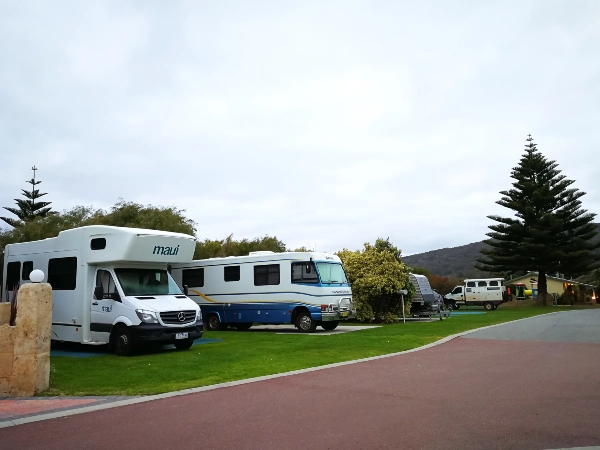
RV parks reject “tiny houses” because they don’t understand the term. They think tiny homes are different from RVs, so they say no immediately. When you say “tiny house,” you introduce a term they haven’t decided about yet.
Technical Requirements Kill Your Chances

Size limitations are a major issue. Many parks have strict site dimensions. Your home might be too wide, too long, or too tall. Lack of RVIA certification is a deal breaker. Parks want certified RVs only. No parking.
Government Fears
Governments worry about population density. They fear tiny homes could double the people in an area. Tax revenue is another issue. Smaller homes mean less property tax money. Governments also fear creating mobile home parks, which they actively try to eliminate.
Here’s what I heard 93 times:
- “We only allow RVs.”
- “Your home is too big.”
- “No RVIA certification, no parking.”
- “Local zoning prohibits full-time residency.”
The 7 Legal Parking Options That Work

i. RV Parks ($500-$940/Month)

Full hookups start at $500/month. Long-term sites at Primrose Village cost $940/month plus electricity. Most allow 14-30-day stays. Private parks work better for long-term living. You must have RVIA certification.
ii. Backyard Parking ($300-$900/Month)

Budget $300/month for parking only. Real lease example: $900/month plus general maintenance work. Some owners rent backyard ADUs for $1,200/month. Works as an Accessory Dwelling Unit in many areas.
iii. Tiny Home Communities ($800-$900/Month)

Tiny House Block in Southern California charges $800-$900/month plus utilities. Over 250 tiny home communities exist across the US. These are purpose-built for tiny homes.
iv. Your Own Property

Most towns allow parking if your tiny home is classified as an RV on your residential lot. Check local ordinances first. Portland allows one occupied RV or tiny home per residential lot with an existing house.
v. Campgrounds (14-31 Days Maximum)

Public campgrounds limit stays to 14-31 days. Good for travel, not permanent living. Multiple RV parks accepted tiny homes during cross-country travels. Focus on private campgrounds for longer stays.
vi. Employer-Owned Land

Work in elder care facilities or on farms. Often free or reduced cost. Less common but growing option. Good for workers needing on-site housing.
vii. Rural Areas

Country areas have fewer restrictions. Rural folks are more open to tiny house living. Less enforcement of regulations. Easier parking the farther you get from city limits.
The Magic Words That Get You Accepted

Stop Saying “Tiny House”
Never say “tiny house” when calling RV parks. Use “travel trailer” or “RV” instead. The term “tiny house” confuses people. They don’t know what you’re talking about. Say “RV” and they understand immediately.
Lead With Certification
Explain whether your home is RVIA or NFPA 1192 certified, if true. Emphasize it’s legally an RV or park model. This removes all doubt about where you’re parking.
Scripts That Actually Work

“I have a 20-foot travel trailer that’s RVIA certified. Do you have any monthly spots available?” “My RV is certified to park model standards. It’s 8 feet wide and 24 feet long.” “I’m looking for a backyard parking space. I can help with property maintenance in exchange for reduced rent.”
For Backyard Spots
Create a flyer with pictures. Introduce yourself. Offer services for reduced rent: snow shoveling, pet care, and home security. Show you’re a good tenant.
Real Costs By Location Type

RV Park Monthly Rates
Starting at $500/month with full hookups. Texas sites run $940/month plus electricity. Nightly rates are $15-$26 at various campgrounds. Usually includes water, sewer, and electricity.
Backyard Rental Prices
Budget $300/month for parking only. With work trade: $900/month. Furnished ADUs rent for $1,200-$1,300/month. Often requires utility setup costs upfront.
Tiny Home Communities

California communities charge $800-$900/month plus utilities. More expensive but completely legal. Includes amenities and community support.
Hidden Costs Nobody Warns You About
An electrician to install 50 50-AMP outlet for power. Utility modifications for backyard spots. Registration and certification fees. Moving costs between locations add up fast. Budget $500-$900 monthly for most legal spots. Cheaper options exist in rural areas or through work-trade arrangements. Tiny home parking cost depends heavily on location and setup requirements.
States Where It’s Easier (2025 Update)

West Coast Winners
California and Oregon have progressive ADU policies, making tiny home parking easier. Fresno, California, allows tiny homes as “backyard cottages” between 100-440 square feet. San Luis Obispo requires inspection every 3-5 years for structure permit renewal. Portland, Oregon, allows one occupied RV or tiny home per residential lot.
Other Friendly States

Texas and Colorado offer flexibility for tiny homes on wheels. Maine adopted statewide construction guidelines for tiny houses. North Dakota allows tiny homes on lots of 40 acres or more.
States to Avoid
New York has stricter regulations that hinder development. North Carolina is divided. Some residents worry tiny homes could ruin town character. Others see them as solutions to housing costs.
Check local ordinances before moving to any state. Even tiny house-friendly states have cities with tough rules. County regulations matter more than state laws in most cases.
How To Find Parking Spots (My Actual Process)?

Start With People You Know
Ask family and friends first. This is the easiest option. Network with friends, family, and coworkers who have backyards. Most people say yes to someone they know.
Use Online Platforms

Facebook Marketplace works well. Search for room rentals with large backyards. Search “parking for rent” listings. Post your own flyer on Craigslist about your parking needs. Include pictures, introduce yourself, and share what you offer in exchange. Use interactive maps with tiny house parking postings. Post flyers at local businesses.
Contact RV Parks and Communities
Find independently owned campgrounds and talk with owners. Tumbleweed lists over 250 accepting communities. Call, don’t email. It’s easier to explain what you have over the phone. Join tiny home groups. Connect with other owners. Learn about local spots. Get recommendations from people who have already found parking.
The Legal Gray Area (What You Need To Know)

The Reality Most People Accept
Most tiny home dwellers accept that parking isn’t fully legal, but “it will probably be fine.” If someone complains, you might need to move. But moving isn’t the end of the world. Tiny homes are classified as RVs in most places. You can’t legally live in them full-time in many areas.
What Actually Happens?

Many people park “in plain sight.” Neighbors assume it’s a shed or office. Rules generally aren’t enforced unless you give someone something to complain about. Keep a low profile. Don’t cause problems.
How To Reduce Risk?
Research local codes before parking. Have backup parking options ready. Be friendly with code enforcement if they visit. Don’t park on undeveloped lots. Keep your spot clean and maintained. A neat, well-kept tiny home gets fewer complaints than a messy one. Understanding zoning laws helps you avoid trouble.
RVIA Certification: Why It Matters?

Opens More Doors
RVIA certification gives tiny homes easier acceptance into RV parks. With certification, you can park anywhere RVs are allowed. Without it, RV parks may reject you entirely. Tumbleweed homes are RVIA certified, making them easier to place.
What does Certification mean?

Built to CSA Z240 RV standards in Canada or NFPA 1192 standards in the USA. Meets safety and quality standards. Legally recognized as an RV. Insurance and financing become easier. Some parks require it for entry.
Is It Worth Getting?
Yes, if you want maximum parking options. Certification costs money upfront but saves rejection headaches later. Most RV parks won’t even consider uncertified tiny homes. Get certified if you plan to park in RV parks or travel frequently. Skip it only if you have private land lined up.
Backyard Parking: The Complete Setup
Legal Requirements
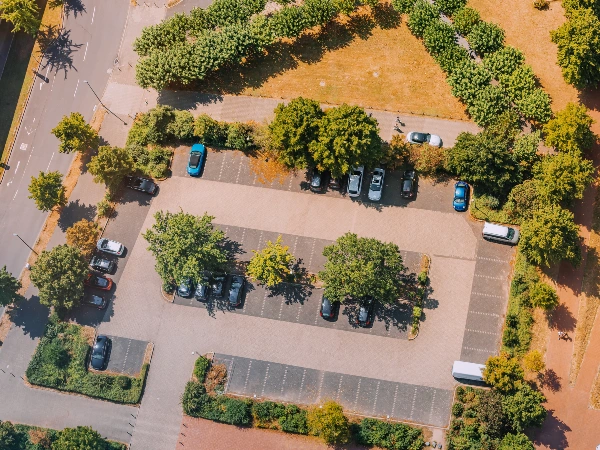
Portland regulations mandate wheels remain on the vehicle, with placement at least 5 feet from primary dwellings, plus a dedicated 20-amp GFCI-protected circuit. Investigate whether ADU classification applies.
Rental Agreement Essentials
Your agreement should specify payment terms, include a 30-day termination notice clause, and incorporate a hold harmless provision for theft or damage. Define premises care responsibilities and any work-trade arrangements clearly.
Setup Costs

Expect expenses for electrician fees (50-amp outlet installation), water hookup modifications, sewer or septic connections, and internet infrastructure.
Benefits
This backyard tiny home parking arrangement reduces environmental impact through existing infrastructure utilization, provides rental income supporting mortgage payments or property taxes, and creates opportunities for mutually beneficial family living arrangements.
