A faded or peeling garage door can make your whole home look worn out. Painting a garage door isn’t complicated, but skipping key steps can result in uneven finishes or premature peeling.
Begin by thoroughly cleaning the door to remove dirt and grime. Sand any rough spots and repair cracks with exterior filler. A smooth surface ensures the paint adheres properly. Primer is essential, especially if you’re changing colors or dealing with bare metal or wood. It helps the paint last longer and look even.
Choose a high-quality exterior paint designed for garage doors. Acrylic latex works well for most surfaces. Apply thin, even coats with a brush, roller, or sprayer, letting each layer dry fully. Two coats usually give the best coverage.
Transform Your Garage Door Like a Pro: 7 Easy Steps to a Flawless, Brand-New Look
1. Materials And Equipment

Material Needed
i. Paint: Acrylic latex paint (for wood/fiberglass doors), Oil-based enamel or rust-inhibiting paint (for metal doors)
ii. Primer: Exterior-grade primer (compatible with door material). Stain-blocking primer (for wood with water stains) Rust converter or metal primer (for metal doors)
iii. Surface Preparation: Mild detergent or degreaser. Wood filler (for wooden doors). Auto-body filler (for metal doors), Sandpaper (120-150 grit for prep, 220 grit for smoothingTack cloth or damp rags
Equipment & Tools
i. Cleaning & Prep: Garden hose or pressure washer (low setting). Stiff-bristle brush or scrub brushWire brush (for rust removal)
ii. Application Tools: High-quality paint brushes (2-3″ angled brush for edges), Foam roller (for smooth surfaces), Paint tray, and line. Paint sprayer (optional for faster coverage)
iii. Safety & Misc: Drop cloths or plastic sheeting, Painter’s tape (for protecting edges), Ladder or step stool (if needed), Safety goggles & gloves, Respirator mask (when sanding or spraying paint)
2. Scraping Old Paint

Begin by carefully removing any loose or peeling paint using a paint scraper or stiff wire brush. Take special care when working on wood or vinyl doors to avoid damaging the surface.
Once all the flaking paint has been removed, use medium-grit sandpaper (120-150 grit) to smooth out rough areas and create an even surface for the new paint to adhere to.
3. Surface Preparation

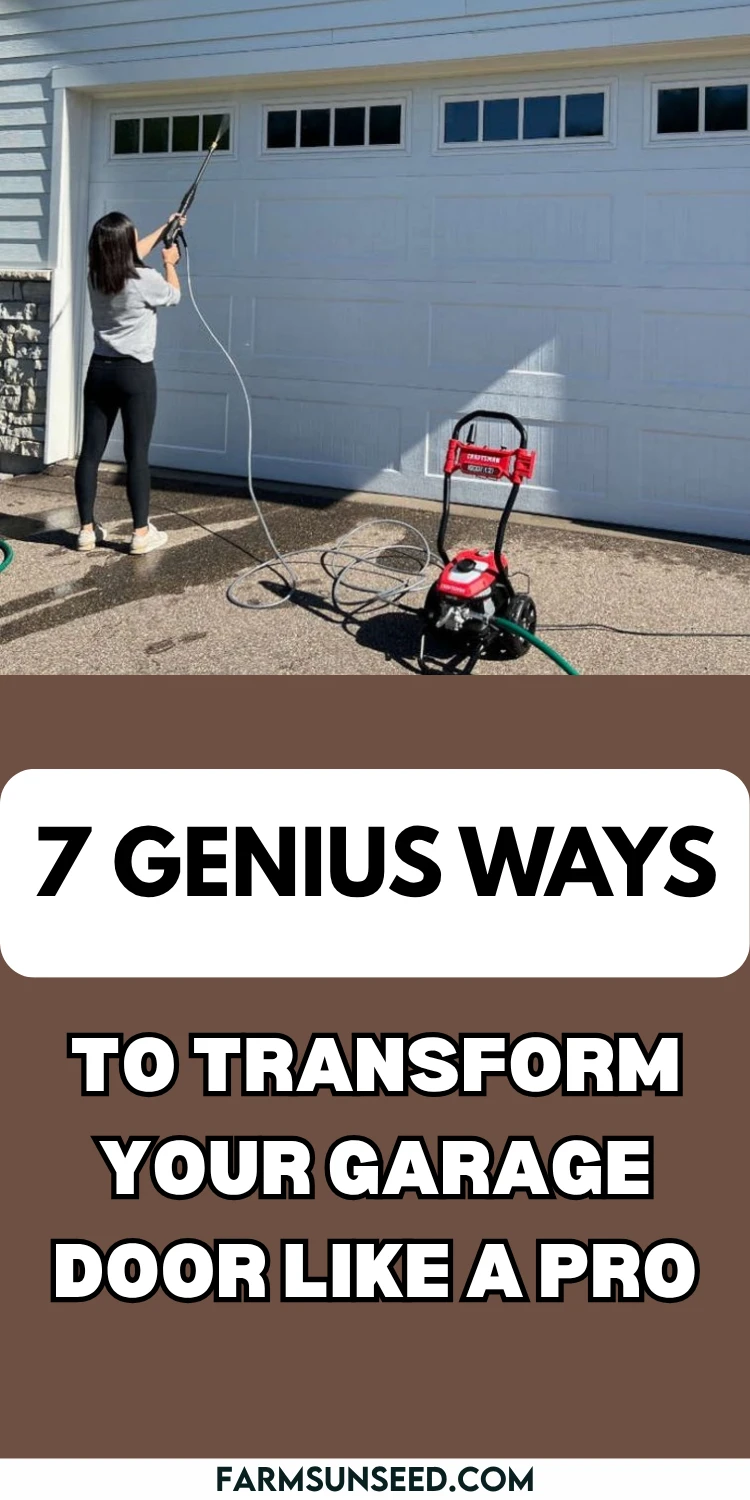
After cleaning the door with a garden hose or pressure washer on a low setting to remove loose dirt and debris. For tougher grime like grease or mildew, scrub the surface with a stiff brush and a solution of warm water and mild detergent.
After rinsing thoroughly, allow the door to dry completely for at least 24 hours. Once dry, lightly sand the entire surface with 120-150 grit sandpaper to smooth rough patches and remove any flaking paint. Pay special attention to rust spots on metal doors, and finish by wiping away all dust with a tack cloth or damp rag.
4. Damage Repair

Before painting, carefully inspect your garage door for any structural issues. Small dents and cracks in wooden doors can be filled with exterior-grade wood filler, while metal doors may require auto-body filler. Once the filler dries, sand it smooth for a seamless surface.
For metal doors with rust, thoroughly remove corrosion using a wire brush or sandpaper, then treat the area with a rust converter or metal primer to prevent future deterioration. Don’t forget to check all hardware, tighten loose hinges, rollers, and handles, and replace any components that show significant wear.
5. Primer Application

A quality primer creates the best base for your topcoat and significantly improves paint adhesion. Apply primer using a high-quality brush for edges and detailed areas, switching to a foam roller for large, flat sections. Maintain a thin, even coat throughout, and allow adequate drying time as specified by the manufacturer.
For an ultra-smooth finish, you may lightly sand the primed surface with 220-grit sandpaper before painting.
Best Primer for Garage Doors
A good primer ensures paint lasts longer.
i. Zinsser Bulls Eye 1-2-3 Primer (for all surfaces)
ii. Rust-Oleum Rust Reformer (for metal doors with rust)
6. Painting Technique
Proper application technique ensures a streak-free, professional finish. Start at the top of the door and work downward, using a brush for panel edges and a roller for flat areas. Maintain a “wet edge” as you work to prevent visible lap marks.
After the first coat dries (typically 4-6 hours), apply a second thin coat for optimal coverage and durability.
7. Finishing Touches

Once the final coat is dry, carefully inspect the door for any missed spots, drips, or uneven areas, making necessary touch-ups.
Allow the paint to cure fully for 24-48 hours before operating the door to prevent sticking or smudging.
What Are Some of the Best Paints Recommended?
Painting your garage door requires durable, weather-resistant paint that can withstand sun, rain, and temperature changes. Below are the top-rated garage door paints, categorized by material, along with their key benefits.
1. Best Paint for Wooden Garage Doors
Wood doors need flexible, moisture-resistant paint to prevent warping and peeling.
i. Sherwin-Williams Duration Exterior Acrylic Latex

Superior adhesion and flexibility, and resists fading, cracking, and mildew. Available in satin, semi-gloss, and gloss finishes. Self-priming (can skip primer on properly prepped surfaces)
ii. Benjamin Moore Aura Exterior Paint

Advanced color retention (won’t fade quickly). Moisture-resistant formula prevents blisteringSmooth application with minimal brush marks
2. Best Paint for Metal Garage Doors
Metal doors require rust-inhibiting paint to prevent corrosion.
i. Rust-Oleum Protective Enamel

Oil-based formula for extreme durability. Resists chipping, scratches, and UV damageIdeal for steel or aluminum doors
ii. Krylon COLORmaxx Spray Paint (for touch-ups)

Fast-drying, no brush marks. Good for small repairs on metal surfaces. Affordable and widely available
3. Best Paint for Fiberglass/Vinyl Garage Doors
These materials need paint that bonds well without cracking.
i. Behr Premium Plus Ultra Exterior Paint

Specially formulated for vinyl and fiberglass protection to prevent fadingLow VOC, eco-friendly option
ii. Valspar Duramax Exterior Paint

Excellent adhesion without peeling. Resists dirt and mildew buildupSmooth finish with minimal drips
Ongoing Guide to Maintaining Your Painted Garage Door
Proper maintenance is essential for preserving your garage door’s appearance and protecting it from environmental damage. By following a consistent care routine, you can extend the life of your paint job and keep your door functioning smoothly for years to come.
i. Regular Cleaning (Every 3-6 Months)

To prevent dirt and grime buildup from degrading the paint, clean your garage door regularly using a soft brush or sponge with a mild soap solution.
Avoid harsh chemicals or abrasive cleaners that could strip the paint. For tougher stains like mildew or hard water marks, a 50/50 mixture of white vinegar and water can be applied.
ii. Annual Inspection and Minor Repairs

Six months, conduct a thorough inspection of your garage door. Look for paint chips or peeling areas that need immediate attention to prevent rust on metal doors or wood rot on wooden surfaces.
Small cracks or dents should be filled with exterior-grade filler and repainted. For metal doors showing rust spots, lightly sand the affected area, apply rust converter, and repaint.
iii. Touch-Up Painting (As Needed)

Addressing minor paint damage promptly prevents more extensive problems. When touching up, start by lightly sanding the area with 220-grit sandpaper to create a smooth surface.
Wipe away dust with a tack cloth, then apply primer if bare material is exposed. Use your original paint for seamless color matching, feathering the edges with a small brush for a professional finish.
iv. Weather Protection Strategies

Different climates require specific protective measures. In sunny areas, apply a UV-resistant wax annually to metal or wood doors, and consider using light-colored paint to reflect heat and reduce fading.
For winter conditions, carefully remove ice and snow buildup using a plastic shovel to avoid scratching the surface.
v. Periodic Recoating (Every 5-7 Years)

Even with excellent maintenance, garage door paint eventually shows wear. Signs that it’s time for a recoat include noticeable fading, a chalky appearance, increased dirt adhesion, or visible cracks.
The recoating process involves thorough cleaning, light sanding to improve adhesion, and applying 1-2 fresh coats of the same high-quality exterior paint used originally.
FAQs
How long does garage door paint last?
Properly prepped/painted: 5–10 years. Signs it’s failing and peeling, fading, or chalky appearance. Extend lifespan: Clean annually and touch up chips promptly.
Can I paint a garage door without removing it?
Yes, but ensure it’s fully dry between coats (24–48 hours). Disconnect the opener to prevent accidental movement. Paint in sections (top to bottom) for even coverage.